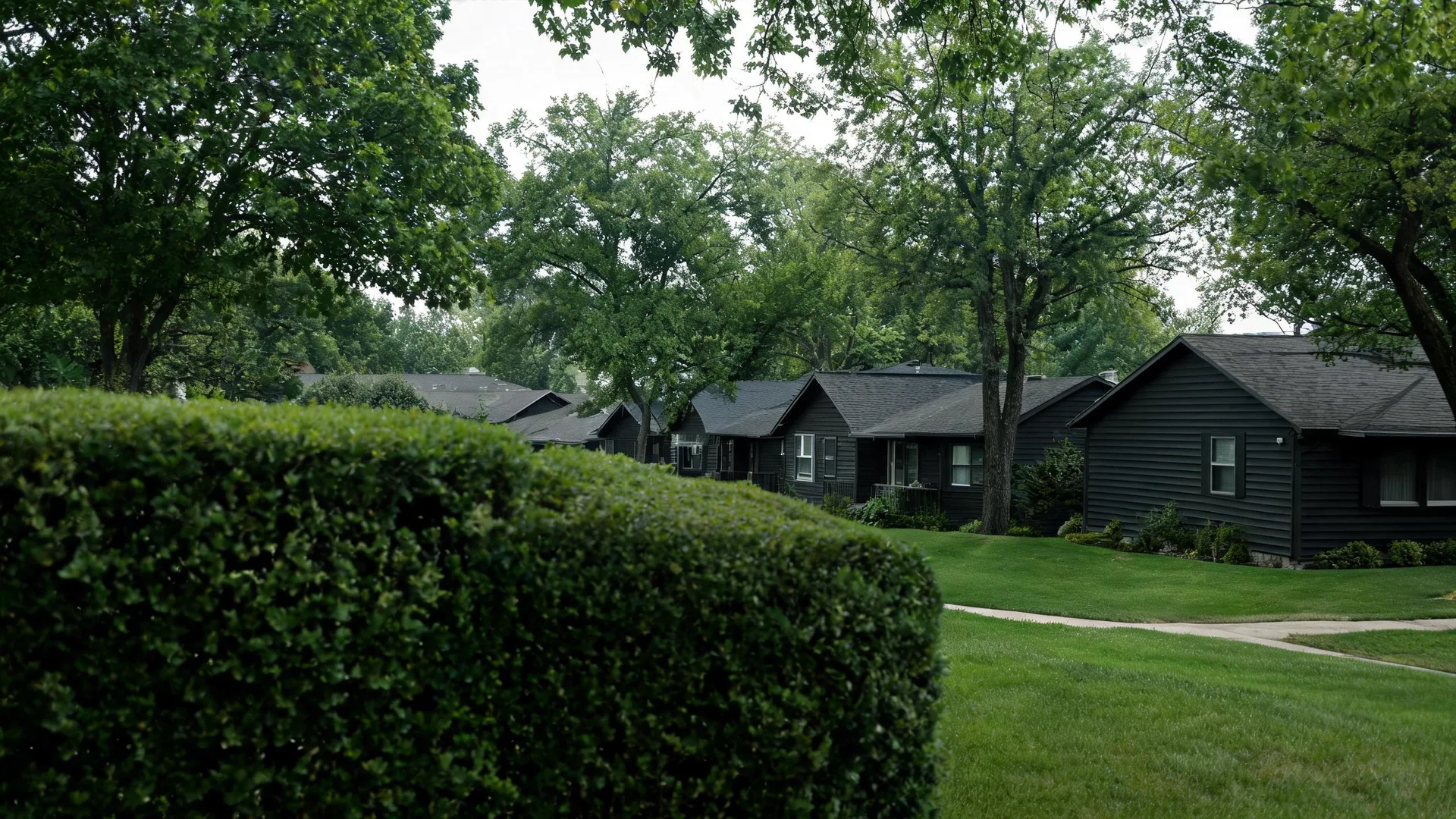
A row of dark-sided single-story houses among large deciduous trees, with a trimmed hedge in the foreground and a mown lawn crossed by a paved path.

Furnace Installation in Naperville, IL

Tell us about the job

Takes about a minute. No obligation.

Step 1 of 3: Equipment

Storms come through DuPage County often

DuPage County logged 275 severe weather events between 2015 and 2024, including 180 damaging wind events, 58 hail events, and 21 tornadoes. Fifteen winter storms hit the county in that same stretch, the kind that bring down lines along with the snow.
Power doesn't always come back fast

Across Illinois, 16% of households went at least a full day without power in 2024. A furnace with no electricity won't fire, even if the gas line feeding it is untouched. That's worth factoring in before the new system goes in, not after the lights go out.

8 months
October through May, your furnace is on duty
19°F
the average winter night it heats against
83%
of homes here heat with gas, so most furnaces here burn gas
80% AFUE
the federal minimum any new unit must meet
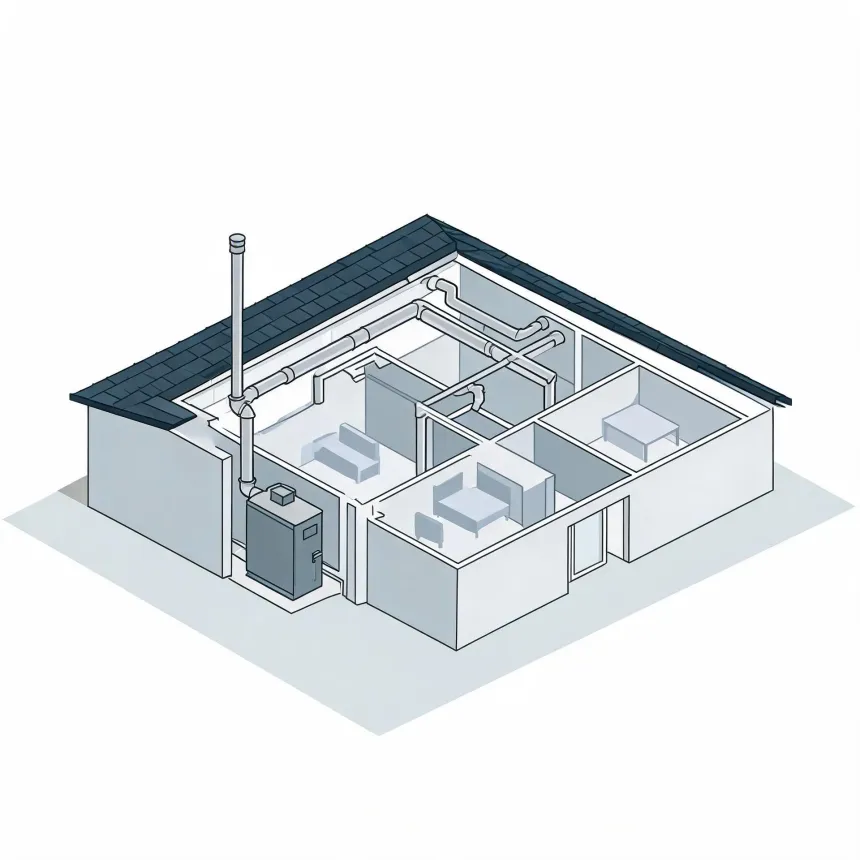
Isometric line illustration of a cutaway single-story house showing interior rooms with furniture, ceiling ductwork, and an exterior furnace unit with a tall flue pipe.
Your furnace works hardest from November through March.

NOAA nClimDiv, 1991–2020 normals

Furnaces here run about eight months a year, October through May.

A new system has to hold up to a long Naperville winter, not just get through one.

Put the new furnace in before October, not after the first cold snap

Heat runs October through May
Climate zone 5A
Winter nights average 19°F

DuPage County falls under zone 5A in the 2021 energy code, a cool zone where heating carries most of the load. That rules out the thinnest furnaces on the market before a contractor even opens the catalog. Any furnace built from November 2015 on has to turn at least 80 percent of its gas into heat over the winter, and that's the baseline here, not an upgrade. Starting December 2028, newly manufactured furnaces have to hit 95 percent instead. A furnace going in now still only has to meet the 80 percent floor, but it's worth asking a contractor where a given model falls above that line.

Plan this furnace for the power going out, not just the cold

A new furnace install is the point to decide where the unit sits and what happens if the power drops. Ask about a spot that keeps it clear of falling branches and ice, and ask what the system needs to run heat if the lines go down. That gas furnace still needs electricity to fire, storm or no storm.

Find a contractor
A man in a cap, gray long-sleeve shirt and tan work pants climbs porch steps toward a dark blue front door, carrying a canvas tool bag with tools in its outer pockets.
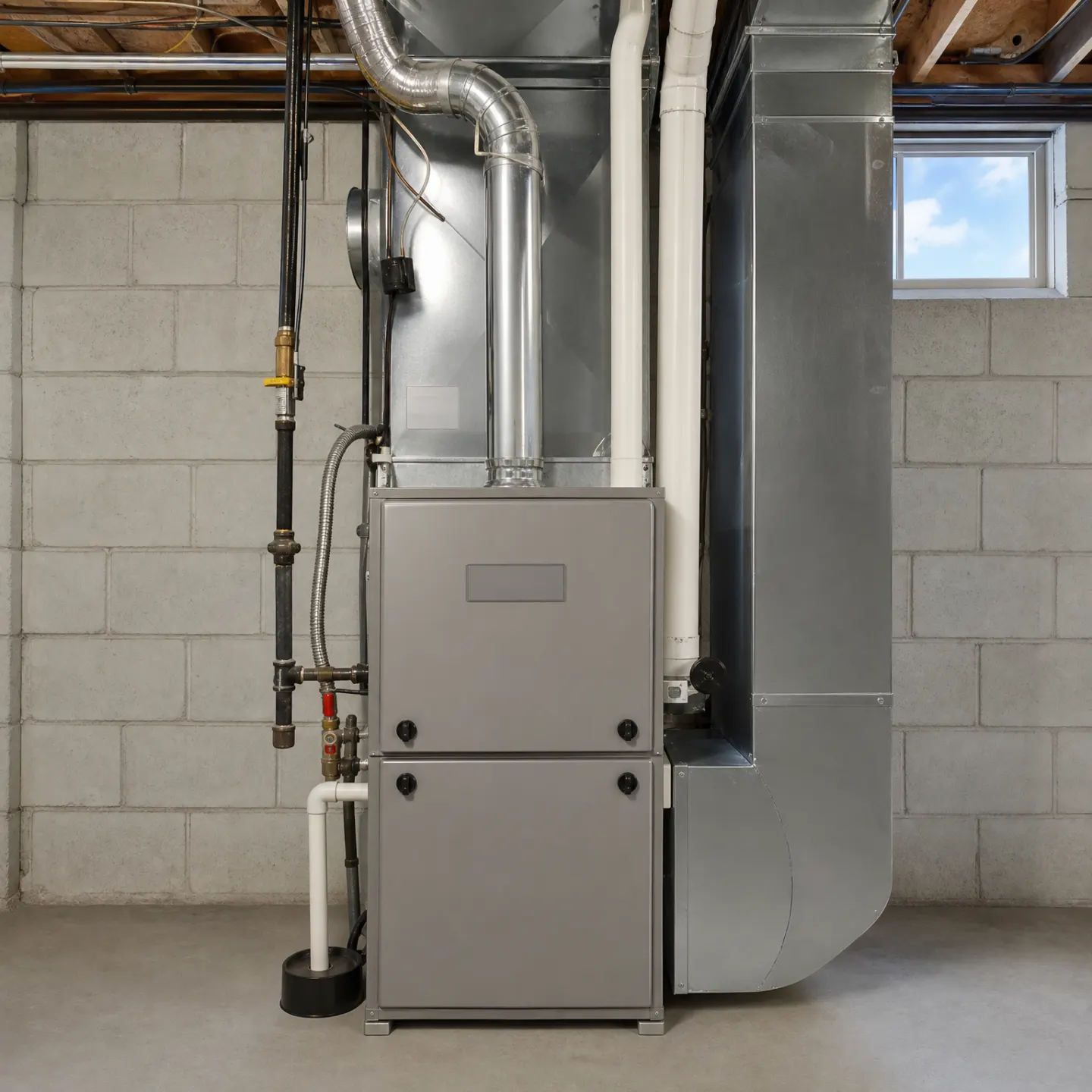
A gray high-efficiency gas furnace installed in an unfinished basement, surrounded by gas lines, a condensate drain, and sheet-metal ductwork.

Eight months of runtime is the sizing problem, not just the weather

Eight months of heat a year means the blower and igniter are cycling on most days from fall through spring. A furnace sized right for this house will cycle less and wear slower than one sized off a price sheet. Oversized units short cycle, turning on and off more than they should, and that wears parts faster than steady running does. Ask the contractor for a load calculation on this house, not a match to the old unit's size.

A load calculation looks at the house, not the old furnace

The right furnace size comes from a room by room look at the walls, windows, insulation and layout, not from matching whatever was pulled out. A contractor measures heat loss through the building itself and sizes the furnace to cover it. Going off the old unit just repeats whatever mistake was made the first time around.

Wrong size wears a furnace out faster either way

A furnace too big for the house heats the space fast, shuts off, then starts again a few minutes later. That short cycling puts more wear on the igniter and the blower motor than steady runtime does. A furnace too small never gets there at all, so it runs flat out and still leaves the house cold at the far end.

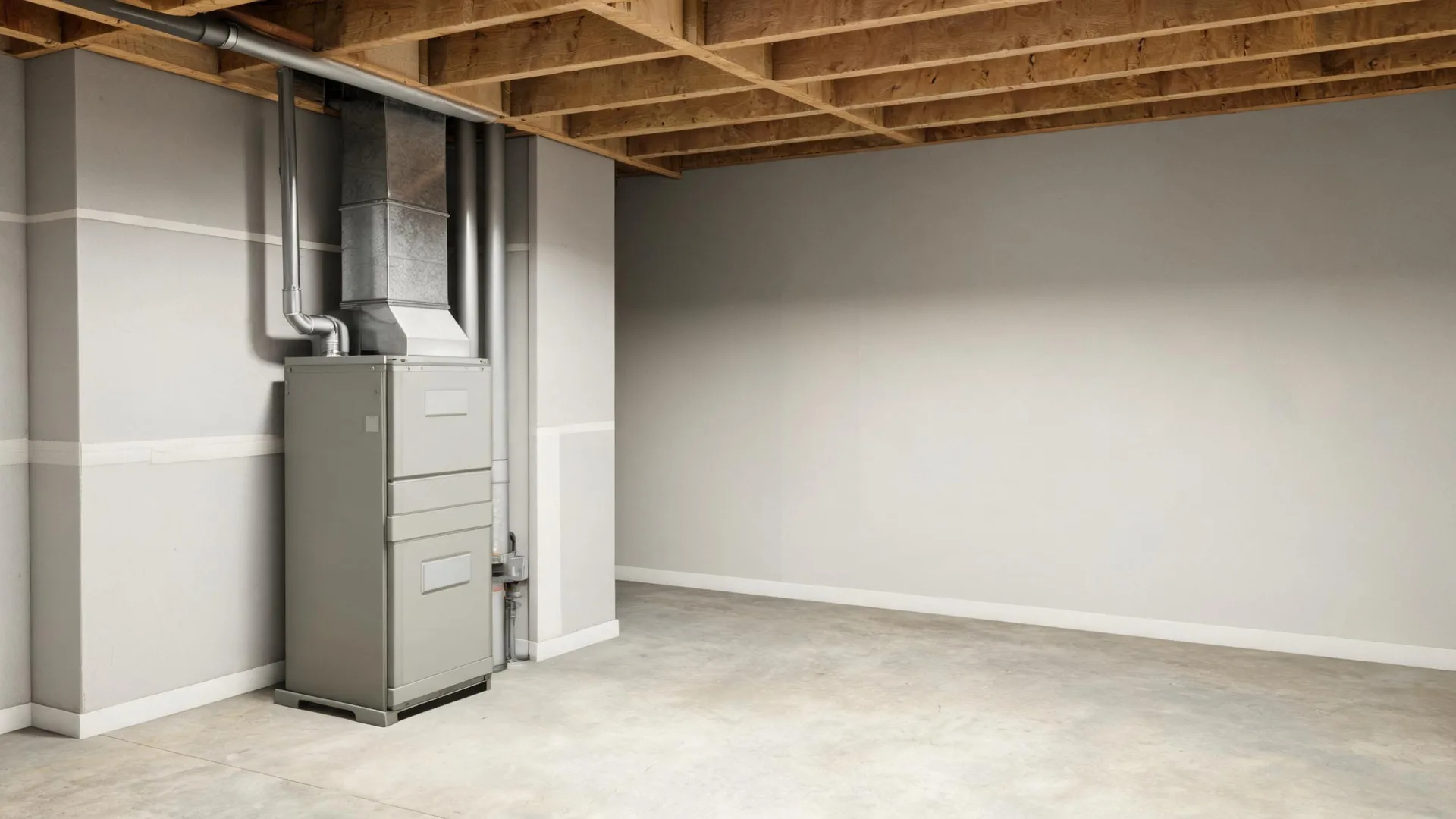
An unfinished concrete basement containing a metal HVAC air handler, exposed wooden ceiling joists with sheet-metal ducts, a hanging bare bulb, copper pipes, and stacked cardboard boxes.

A high-efficiency gas furnace would save about $130 a year to run in DuPage County compared with a gas furnace.

  • A high-efficiency gas furnace$590 a year
  • A gas furnace$720 a year

Estimates for a typical DuPage County home, from EIA household energy data, Illinois fuel prices and NOAA climate normals. Your home will differ.

Installation day starts with the old furnace coming out. The installer disconnects the gas line, the vent pipe, the electrical, and the ductwork before anything new goes in. With the space clear, they check whether the gas line size and the vent path suit the new furnace, since the old setup was sized for the old unit, not this one. Setting the new furnace means leveling it, sealing the duct connections, running new venting if the old vent isn't rated for it, and wiring it to the thermostat and power. Startup comes last: checking gas pressure, testing the igniter, watching how the flame sense responds, and running the blower through a full cycle. A contractor should walk through the carbon monoxide check and explain the airflow before leaving, not leave it for a question to come up later.