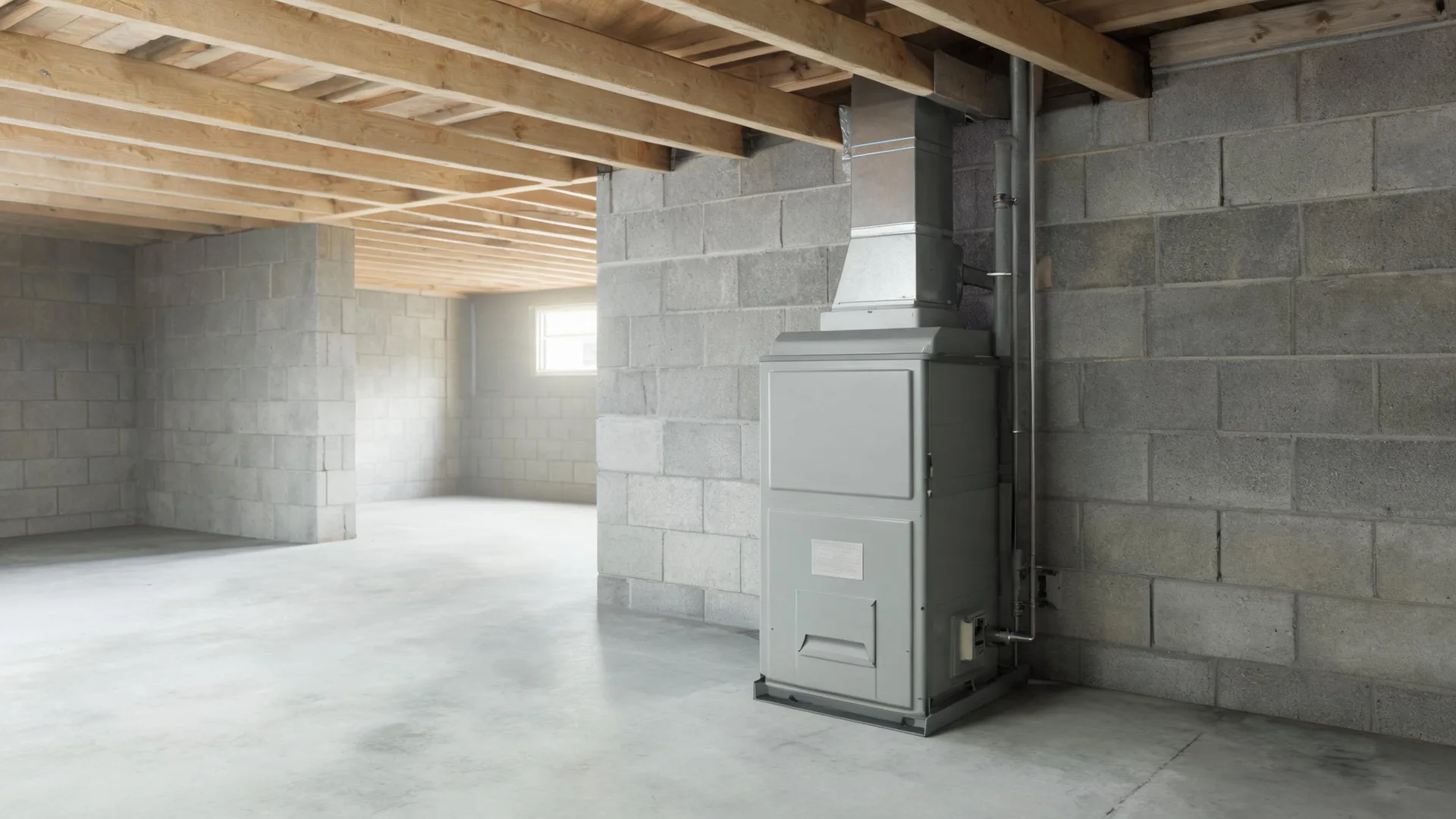
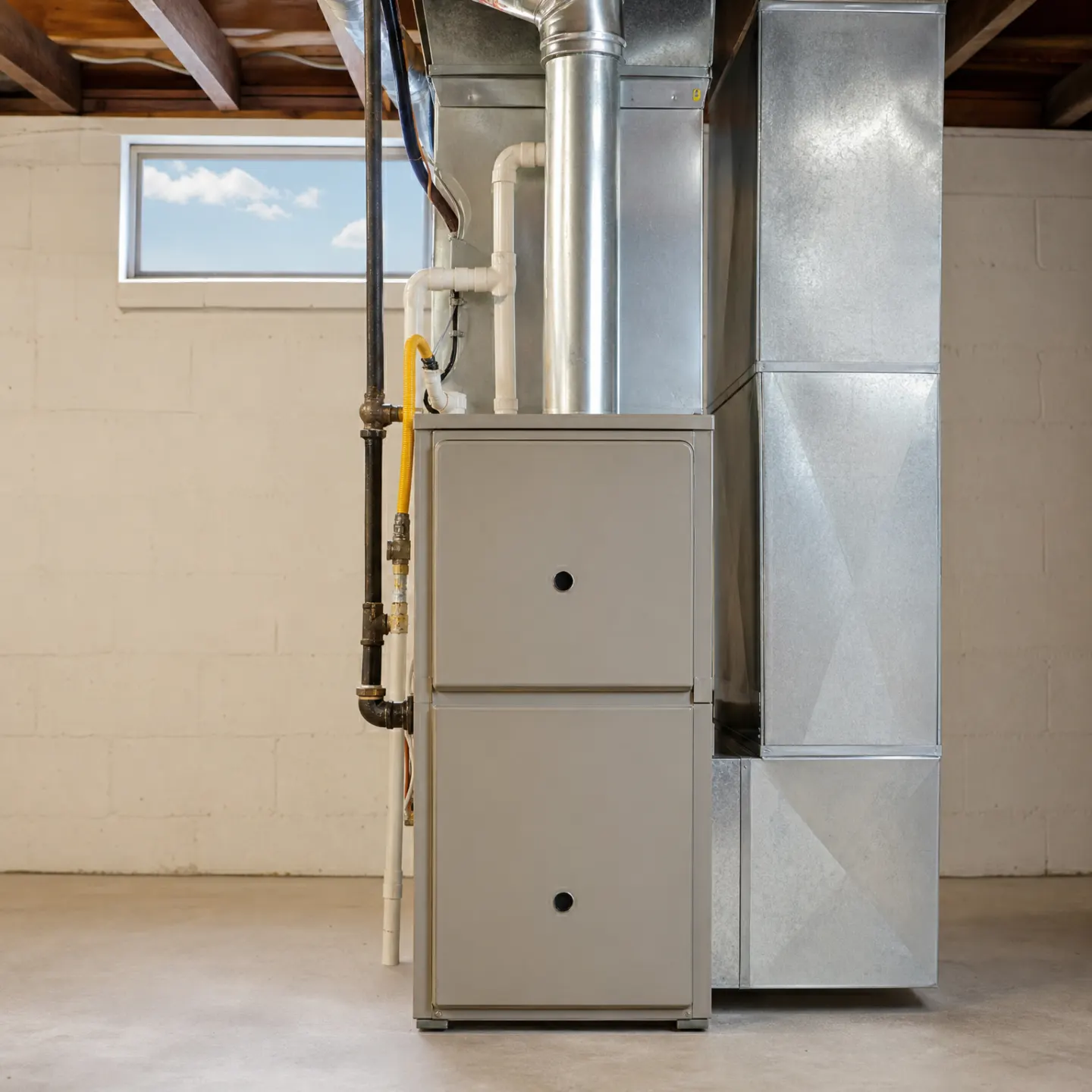
Electricity here runs $46.51 per million Btu
Illinois homes paid that rate in 2024, and most furnaces in Carbondale run on electric heat. That number sits higher than what homes in a lot of other states pay for the same heat.
Takes about a minute. No obligation.
Illinois homes paid that rate in 2024, and most furnaces in Carbondale run on electric heat. That number sits higher than what homes in a lot of other states pay for the same heat.
A furnace that converts power into heat well will cost less to run than one that wastes it, and in a place paying this much per Btu, that gap shows up every month on the bill.
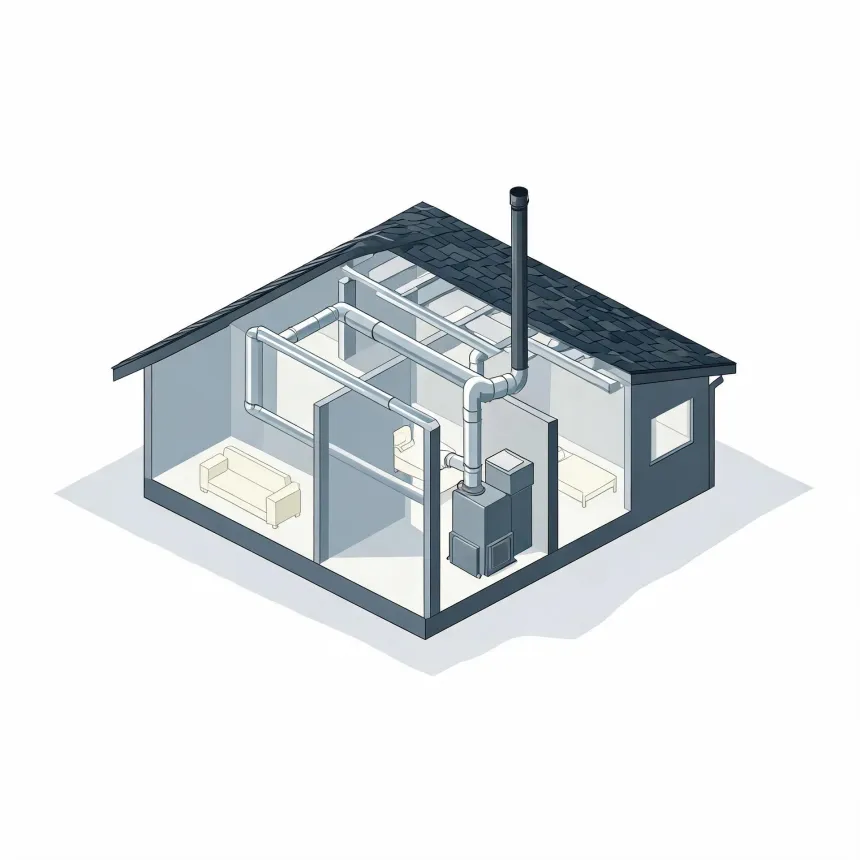
NOAA nClimDiv, 1991–2020 normals
The size of the furnace has to match the house, not exceed it.
A unit too big for the space cycles on and off and never settles into steady, efficient runs.




Jackson County sits in climate zone 4A, which the 2021 energy code treats as mixed: real heat needed in winter, real cooling needed in summer, with enough humidity that both sides of the work count. Any furnace installed here has to meet the federal minimum for that classification. For a gas furnace, that means turning at least 80 percent of the fuel it burns into heat over the winter. That floor rises to 95 percent for units manufactured on or after December 18, 2028, so what counts as compliant will change on that date. A system bought now only has to clear the lower bar, but it will run in a place where the gap between 80 percent and 95 percent shows up on every bill.
Electricity here runs $46.51 per million Btu, and most homes in Carbondale heat with it. Install a furnace that converts that power into heat well, and the difference shows up in what you pay each month from the first winter on.
Find a contractor
A furnace runs on demand, not on a clock, so the real measure of its life is how many cycles it fires, not how many years it sits in the basement. Every start puts the most wear on the system: the igniter heats up, the gas valve opens, the blower spins up to push air through the house. A unit that cycles on and off too often, because it's oversized or poorly matched to the house, racks up those cycles faster and wears out its own parts sooner. One that runs in long, steady stretches barely touches that wear per hour of heat delivered. Ask how the system is rated to run, not just how old it's expected to get before it fails.
Pulling the old unit means disconnecting the gas line, the vent pipe and the ductwork, then breaking it free from the plenum it's sealed to. None of that connects straight to the new furnace. Every joint gets rebuilt to fit the replacement, since even a same-brand swap rarely lines up part for part.
A furnace has a steel cabinet, a copper or aluminum coil, and a blower motor with its own scrap value, so it gets hauled off for recycling rather than left at the curb. If the old unit runs on gas, the line gets capped and pressure tested before anyone leaves, whether or not the new furnace uses the same fuel.
The efficiency rating on a furnace's label is the AFUE number, and it tells you what share of the fuel or power going in actually turns into heat in the house. The rest goes out the flue or gets lost in the cabinet, doing nothing for the rooms you're trying to heat. That number doesn't change with the weather or with how the system is installed. A furnace rated higher will turn the same input into more usable heat than one rated lower, every single cycle, for as long as it runs. Two furnaces can look the same size and heat the same square footage, and still cost different amounts to run every month because of this one number on the label.
Installation starts with a load calculation, not a trip to the truck for a box. A tech measures the house, checks the ductwork, and sizes the unit to match, since a furnace pulled off the shelf by square footage alone is often wrong. Once the new furnace is set, it gets connected to the gas line or power, the vent, and the ductwork, then the gas pressure and the blower's airflow get tested and adjusted to the manufacturer's spec rather than left at whatever the factory set them to. The thermostat gets wired in and checked next, since a mismatch there will make even a well-installed furnace run wrong. Before anyone leaves, the system runs through a full cycle so the tech can watch the flame, check the temperature rise through the plenum, and confirm the furnace shuts down and restarts the way it should. None of this depends on the brand or the size of the unit. It's the same sequence whether the furnace is small or large, because a furnace installed without this testing can run for years before anyone notices it was never set up right.