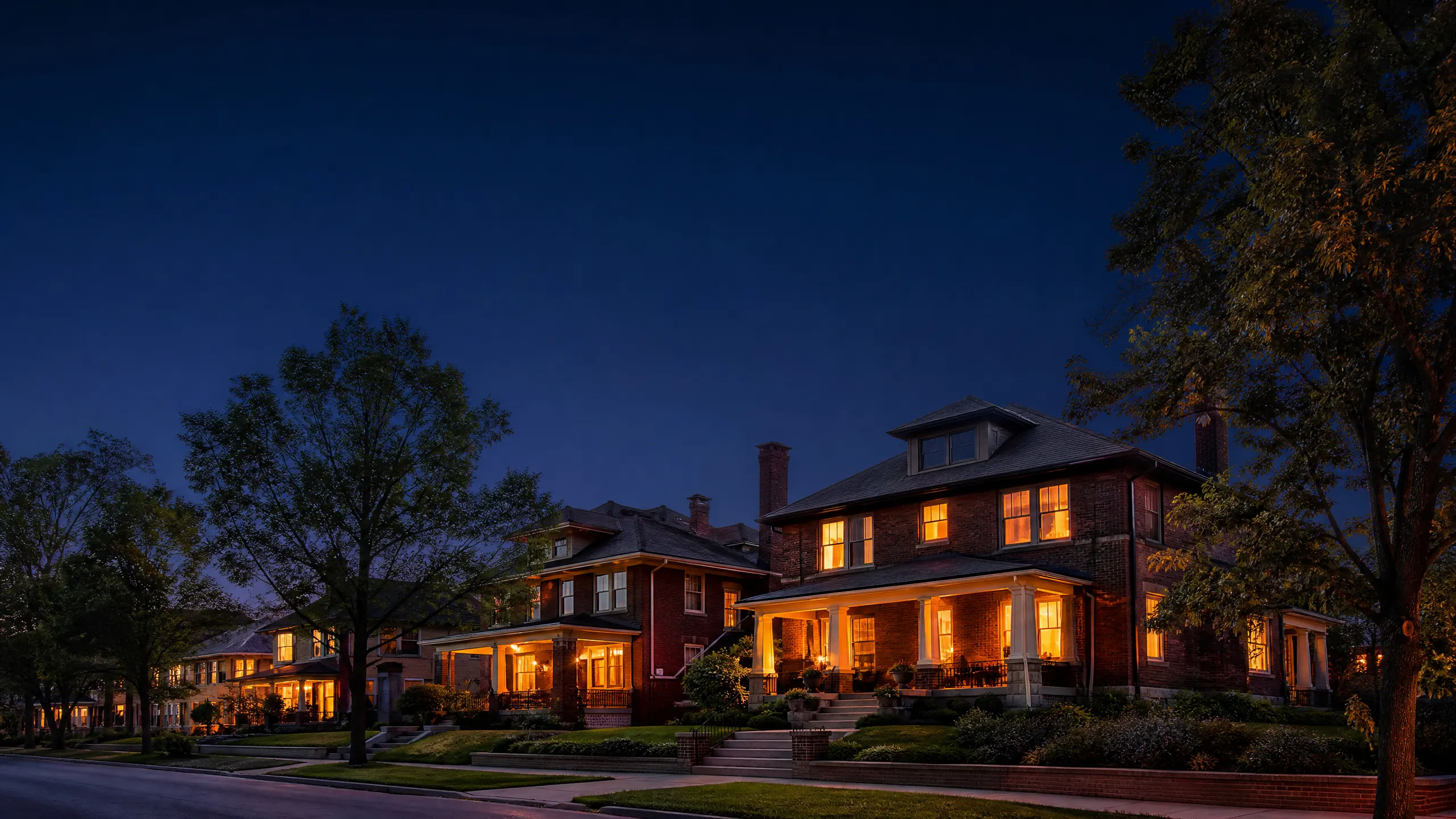

A quiet residential street at dusk lined with illuminated two-story brick houses and mature trees.

Furnace Repair in Carbondale, IL

Tell us about the job

Takes about a minute. No obligation.

Step 1 of 3: Equipment

A furnace usually gives some warning before it fails outright, and running it through that warning is how a small repair turns into a full replacement. Take a cracked heat exchanger. Left alone, the crack spreads a little more with every heating cycle, and more exhaust gas leaks into the air the blower pushes through the house instead of out the flue. A failing igniter follows the same pattern. It keeps lighting the furnace, just weaker each time, until the morning it doesn't light at all. A dirty flame sensor causes trouble a different way. The furnace shuts off early and restarts over and over, and each restart puts more wear on the blower motor and the igniter. Parts that would have lasted years start failing one after another. The fix is almost always smaller on the day the problem shows up than it is a few weeks later.

7 months
October through April, your furnace is on duty
27°F
the average winter night it heats against
14 winter storms
in ten years, the nights a failure hurts most
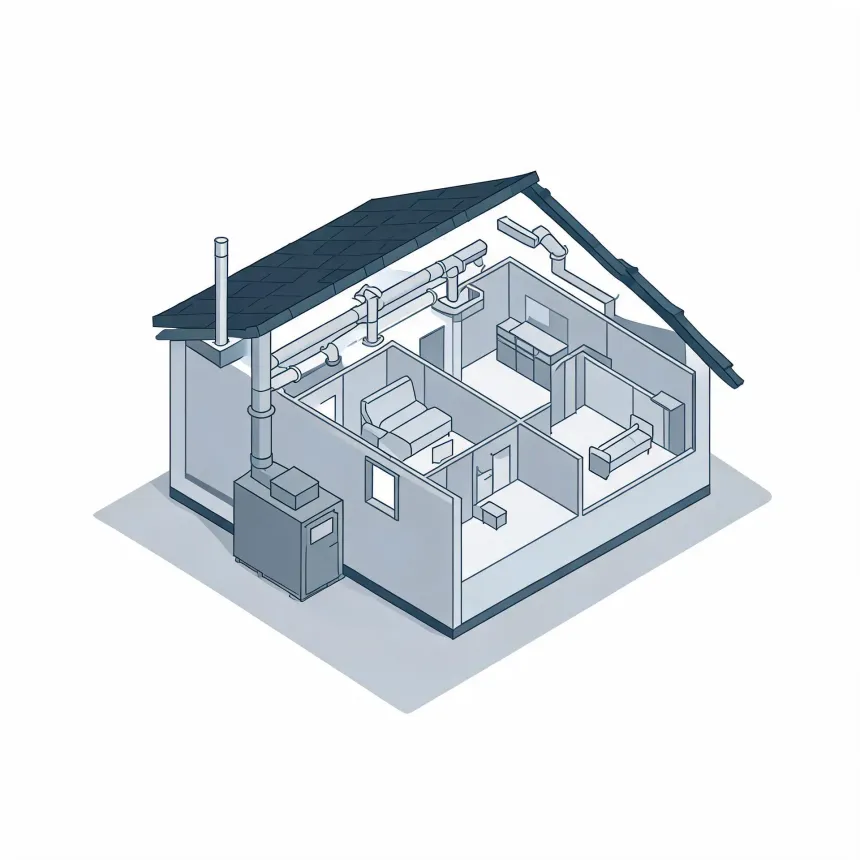
Isometric line illustration of a cutaway single-story house showing interior rooms with furniture, ceiling ductwork, a chimney flue, and a furnace unit outside the exterior wall.
Your furnace works hardest from November through March.

NOAA nClimDiv, 1991–2020 normals

Carbondale furnaces run from October through April, same as the rest of the county.

Seven months of regular use is what wears a furnace down, not anything unusual about the cold here.

Half these furnaces are older than the houses they came with

Half the homes here were built by 1976
Heat runs October through April
Winter nights average 27°F

A furnace working against a bad part costs you every month it runs

A furnace that's short cycling or struggling to light is drawing power every time it tries, whether it succeeds or not. That's a cost you're carrying right now, not a repair you can plan around for later. Get the cause found and fixed.

Find a contractor
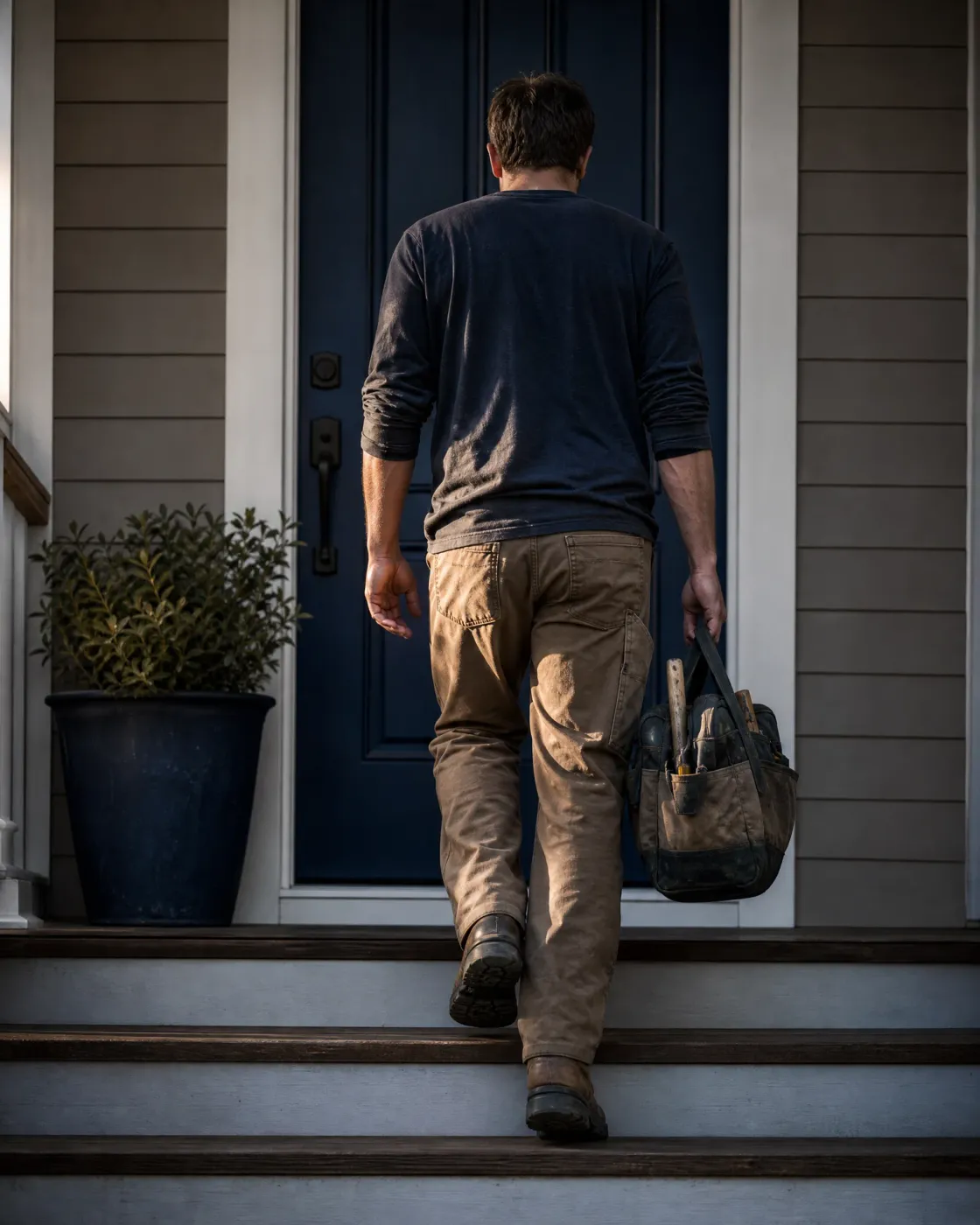
A man in a dark long-sleeved shirt and tan work pants, seen from behind, climbs porch steps toward a navy front door while carrying a canvas tool bag.
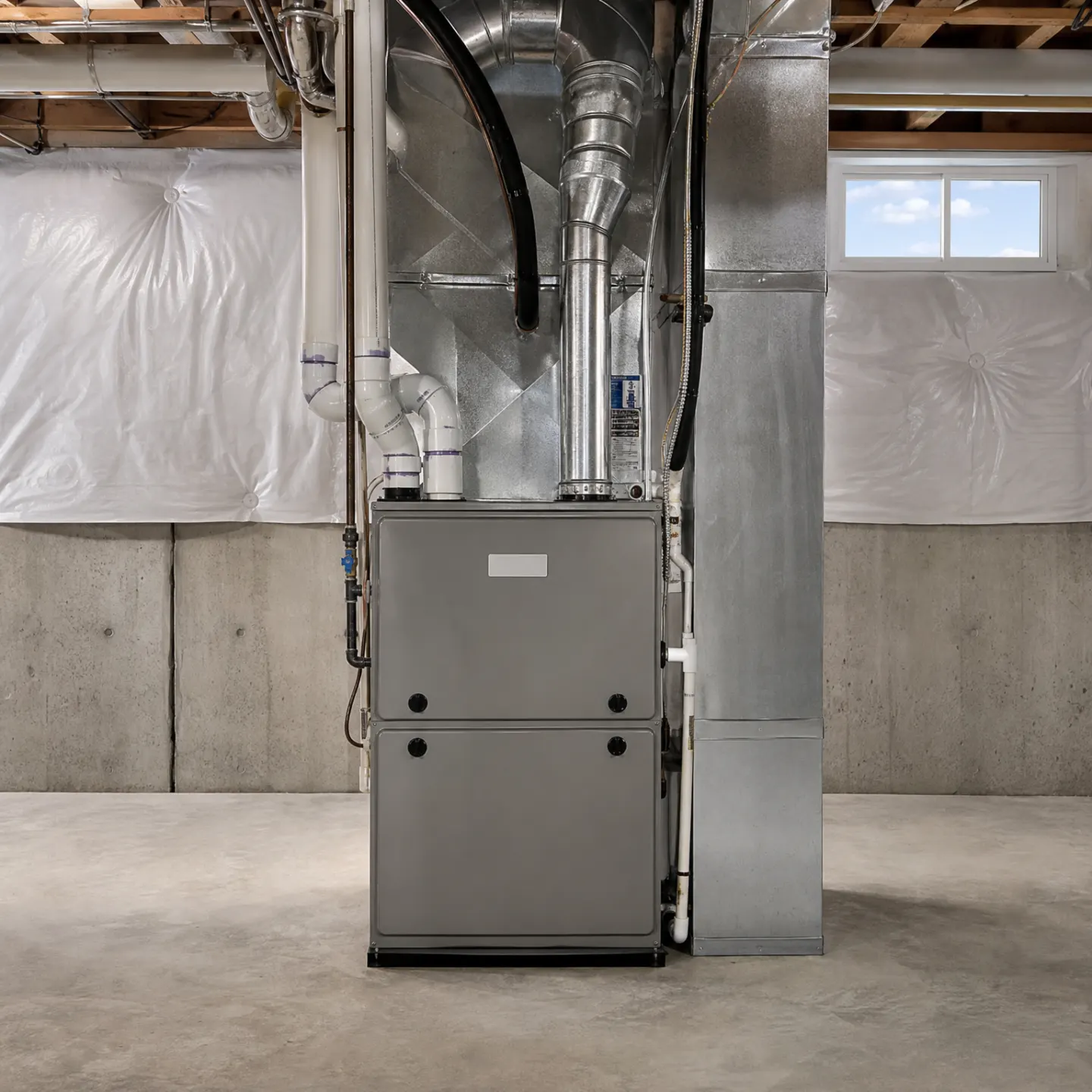
A gray residential gas furnace installed in an unfinished basement, connected to sheet-metal ductwork and PVC pipes.

What to look at before you pick up the phone

Before you call anyone, check the thermostat first. Make sure it's set to heat, not just fan, and the setting is above room temperature. Check the breaker and the furnace switch, that's the one that looks like a light switch on or near the unit itself, and make sure nothing's turned it off. If your furnace has a standing pilot, look for the flame through the little window. No flame, no heat, and that's worth knowing before anyone comes out. Check the air filter. A filter packed with dust chokes off airflow, and a furnace starved for air will shut itself down to protect itself, sometimes short cycling, sometimes not starting at all. Swapping a dirty filter for a clean one is the one repair you can actually do yourself. Last thing, check the vent hood outside and make sure nothing's blocking it, no debris, no nest, nothing fallen against it. If the filter's clean, the power's on, and the thermostat's calling for heat, and it still won't run, that's a job for someone who can get inside the cabinet and test the parts directly.

The sounds tell you where to look

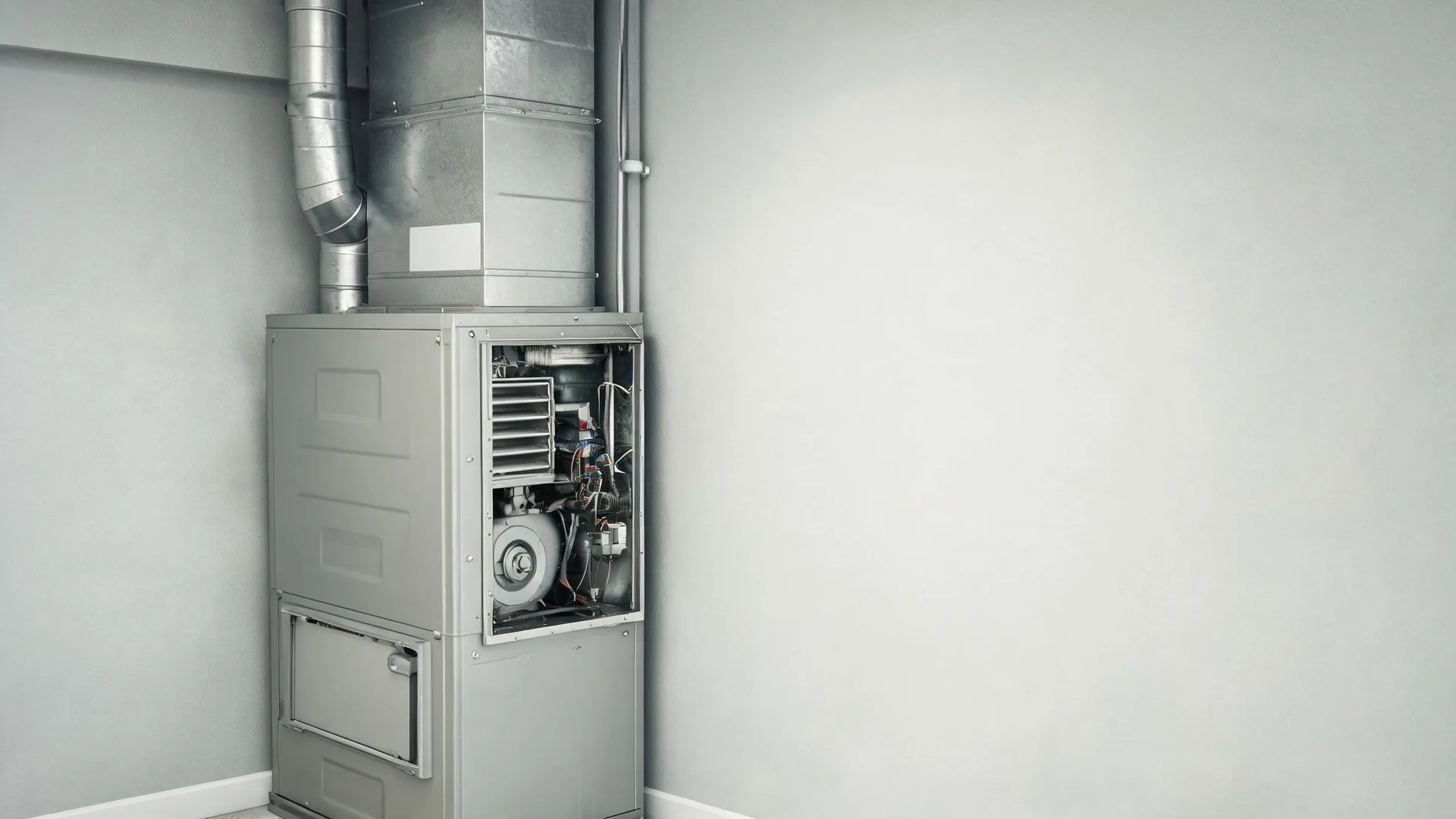
A furnace that clicks and clicks without lighting is either out of gas or losing the igniter. A low rumble right when it kicks on usually means the burners are dirty. A screech from the cabinet points to the blower motor or its bearings. A bang on startup means gas is building up before it lights instead of lighting right away, and that one is worth shutting the system down for until someone looks at it.
Uneven heat is a sign, not just a complaint

One room cold while the rest of the house is fine often means a duct problem, not a furnace problem. But if every room is running cooler than the thermostat setting, or the air coming out of the vents feels lukewarm instead of hot, the furnace itself isn't producing the heat it should. That's usually the heat exchanger, the gas valve, or a burner not firing at full strength.

Most furnace failures trace back to a handful of parts that do the hardest work. The igniter lights the gas dozens of times a season and the hot wire or hot surface wears a little thinner with every cycle until it stops glowing hot enough to catch. The flame sensor sits right in the burner flame and collects a film of carbon over time, and once that film gets thick enough it can't tell the furnace a flame is there, so the gas valve shuts back off. Blower motor bearings wear from running hours every day through the cold months, and a motor working against worn bearings pulls harder and runs hotter than it should. The heat exchanger cracks from metal flexing hot and cold thousands of times over its life, the same way a coat hanger weakens at a bend. None of these parts fail out of nowhere. They wear down a little at a time, and the furnace usually shows some sign of that wear before it quits.

Repair versus replacement usually comes down to what's actually failed, not how old the furnace is. A cracked heat exchanger is the one part worth replacing the furnace over. It's the part that keeps combustion gas separate from the air the blower sends through the house, and once it's cracked it doesn't get better on its own. A bad igniter, a dirty flame sensor, a worn blower motor, those are straight repairs. The part gets swapped and the furnace runs like it did before. What changes the math is how many parts are failing at once, and how worn the rest of the furnace already looks when someone's got the cabinet open. An old furnace with a cracked heat exchanger is a replacement. A furnace that's otherwise sound with a dirty flame sensor is a repair and nothing more. The part that's gone matters more than the number of winters behind it.