



A nighttime street view of several illuminated two-story red brick homes with front porches, flanked by a large tree.

Heat Pump Repair in Carbondale, IL

Tell us about the job

Takes about a minute. No obligation.

Step 1 of 3: Equipment

A heat pump that's struggling still moves heat, just not well, and that's what tricks people into waiting. A weak capacitor makes the compressor work harder to start every cycle, and each hard start wears the contacts a little more until it fails to start at all. A low refrigerant charge means the compressor runs hotter than it should, and heat is what kills a compressor over time. Ice on the outdoor coil blocks airflow, so the system pulls in less heat, runs longer to compensate, and builds more ice. None of these fix themselves by running longer. They get worse on the same schedule the system keeps.

7 months
October through April, your system heats
5 months
May through September, it cools
27°F
the average winter night it heats against
87°F
the average summer afternoon it cools against
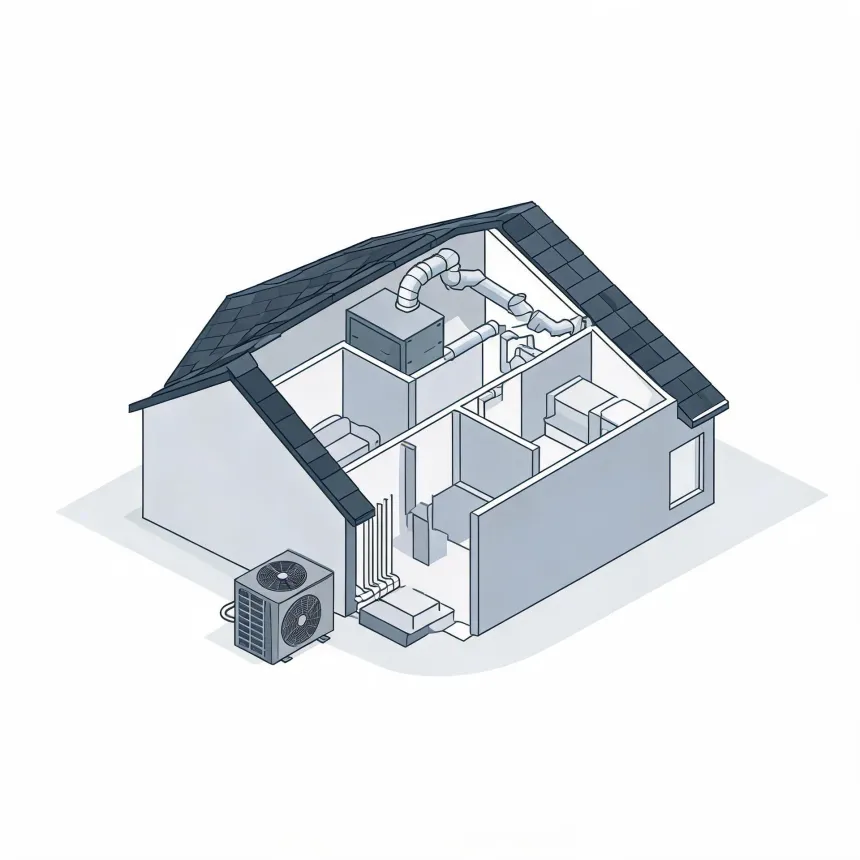
Isometric line illustration of a cutaway house showing interior rooms, an air handler with ductwork in the attic space, and an outdoor condenser unit beside the exterior wall.
Your system heats October through April and cools May through September.

NOAA nClimDiv, 1991–2020 normals

Heat pumps here run from October through April, about seven months straight.

October is when a weak part that made it through last season finally gives out.

Carbondale sees its share of wind and hail, but that's not what's wearing on your heat pump

Half the homes here were built by 1976
130 damaging wind events from 2015 to 2024
30 hail events from 2015 to 2024
A heat pump running wrong costs you hereIllinois electricity ran 15.87 cents per kilowatthour in 2024, and a struggling heat pump eats that rate every day it runs.

Jackson County gets its share of wind and hail, and winter storms come through most years. None of that is what wears out a heat pump. The outdoor unit is built to sit outside and take weather. What actually fails is the same thing that fails anywhere this machine runs hard in both directions. A capacitor that's been starting the compressor for years gives out. A refrigerant charge drops a little and stays low. A coil ices up from restricted airflow. Zone 4A asks real work of a heat pump both heating and cooling, so it means more cycles and more hours on the same parts. That's wear, not weather.

Get it looked at early

Problems tend to show up in the first weeks of the season, when the load hits a part that was already weak.

Find a contractor
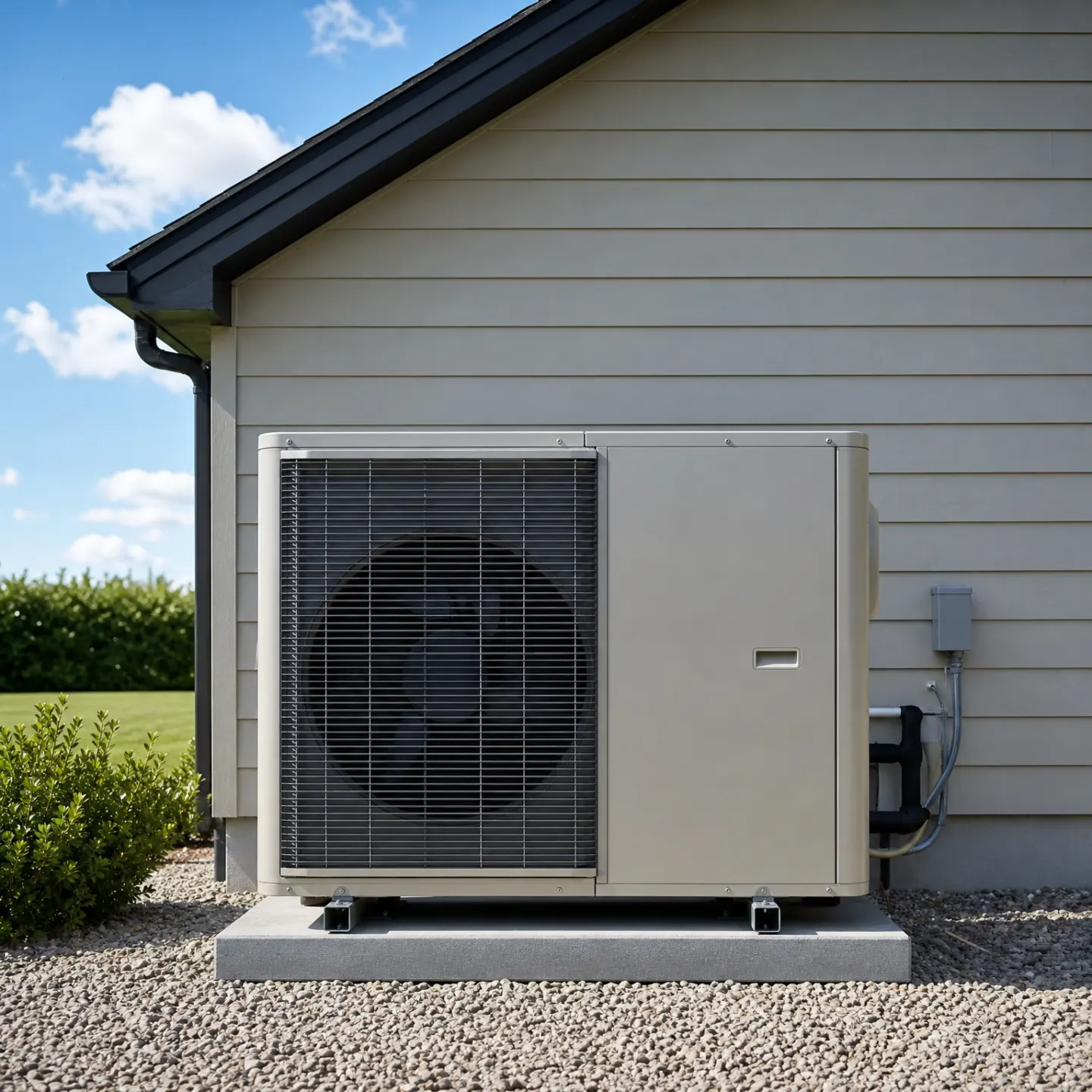
A residential heat pump outdoor unit mounted on a concrete pad next to a house with gray vinyl siding.

It runs both directions, so it wears from both directions

A heat pump does not get an off season the way a furnace or an AC does. It just switches direction and keeps running. The reversing valve is what does that switching, and a valve that shifts back and forth for years is a valve that can eventually stick in one position or fail to shift at all. The contactor that feeds power to the outdoor unit opens and closes on every cycle, heating or cooling, and those contacts wear a little each time until they stop making contact. The run capacitor has the same job every cycle, giving the compressor its jolt to start, and that job does not let up just because the load is lighter. More runtime means more starts, and the parts built for starting are usually the first to go.

What you'll actually notice first

A heat pump in trouble rarely shuts off outright. It runs longer to make the same heat, so the house feels a little off no matter how long it's been running. The air coming out of the vents feels cooler than it used to, even though the system is working harder to warm it. Sometimes there's a smell when it kicks on, musty or faintly burnt. The system is still moving heat, just not enough of it, and that's what makes people wait longer than they should.
What decides how soon to call

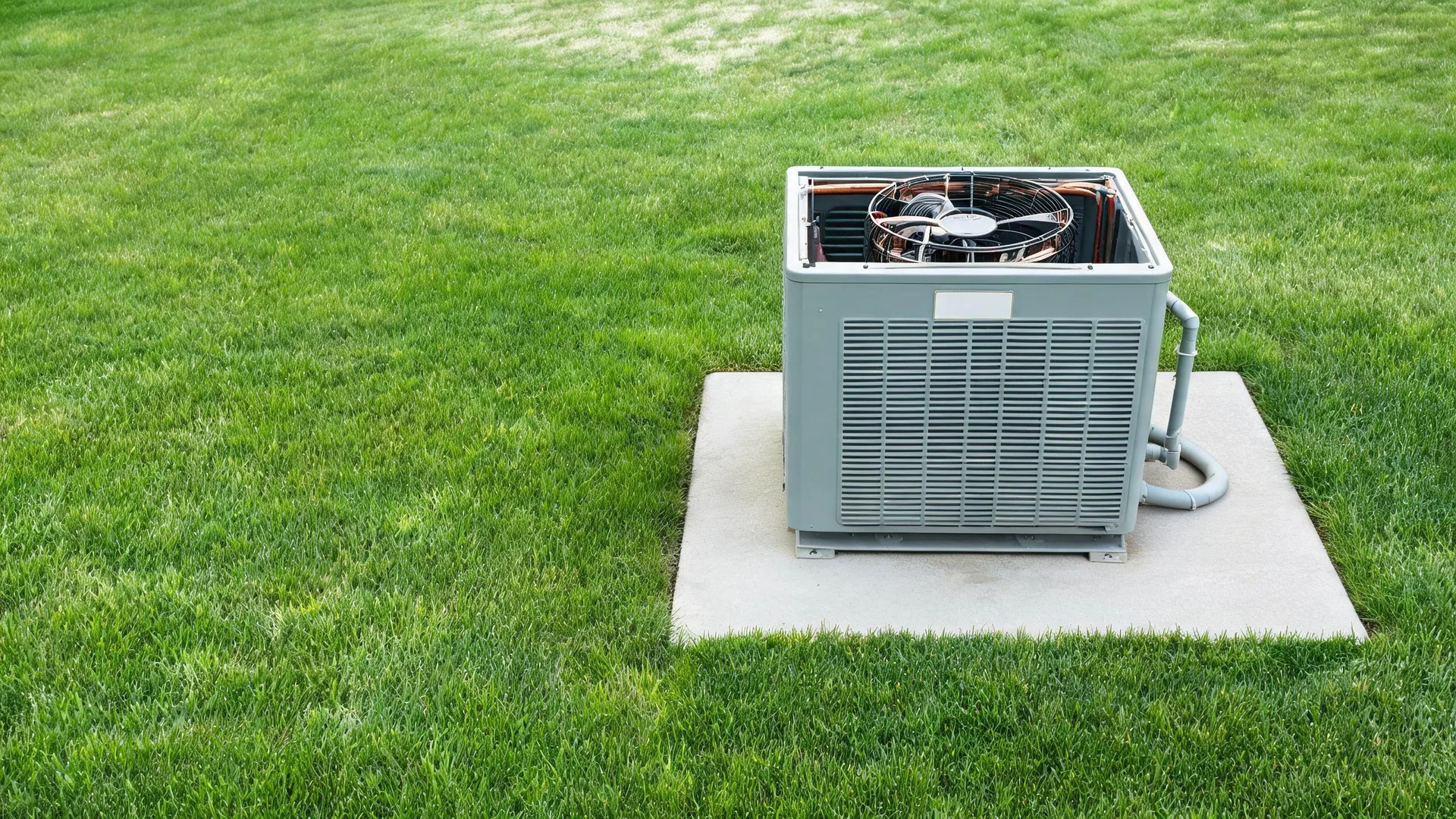
Noise and ice are what mean stop waiting. A new rattle, buzz, or grinding from the outdoor unit means a part is already failing, not about to fail. Ice on the outdoor coil that doesn't clear during the normal defrost cycle means airflow is blocked and the system is fighting itself to keep up. Both get worse on their own schedule whether or not anyone calls. A system that's just running long and a little weak can hold for a few days. One that's grinding or icing over can't.

Before calling, look at the outdoor unit with the power left on. Check that the fan is actually spinning and spinning freely, not wobbling or catching. Look at the coil for frost or solid ice, not just a light frost that clears on its own. Go inside and feel the air at a vent. If it's blowing but barely warm, that's useful to say out loud when you call, not something to fix yourself. Check your thermostat batteries and the breaker for the outdoor unit before assuming the worst, since a tripped breaker or dead batteries look exactly like a failing system. Don't pour water on the coil to melt ice and don't pull panels off the outdoor unit. That part is for a licensed contractor with the right tools and the refrigerant certification to do it safely.

Repair makes sense when one part failed and the rest of the system is still sound, which is most calls. A capacitor, a contactor, a defrost board, these get swapped out and the heat pump runs like it did before. Replacement starts to make sense when the compressor itself is the problem. That's the one part that isn't a simple swap, and a compressor failing on an older system often means the rest of it is close behind. Age alone doesn't decide it. A system that's been maintained and just had bad luck with one part is worth fixing. One that's had repeat failures, where something keeps going wrong every season, is telling you the whole system is tired, not just the part that quit this time.