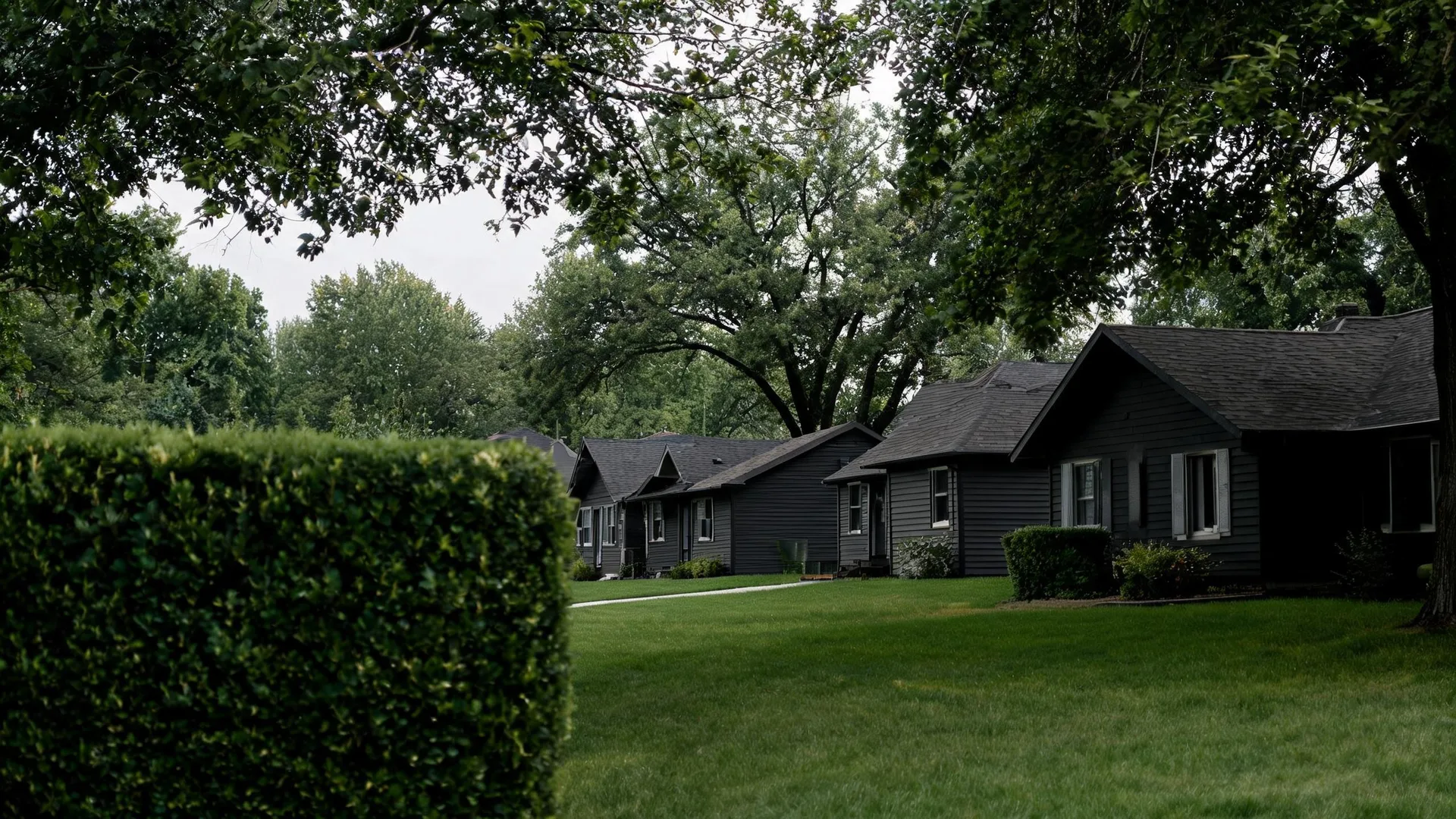




A row of dark-painted single-story cottages with gabled shingle roofs behind a mowed lawn, a trimmed hedge in the left foreground and large leafy trees overhead under an overcast sky.

Furnace Installation in West Frankfort, IL

Tell us about the job

Takes about a minute. No obligation.

Step 1 of 3: Equipment

Electricity here cost $46.51 per million Btu in 2024, among the higher rates homeowners in this state pay. Most homes in West Frankfort heat with electricity, so that rate applies to every month the furnace runs. A unit that wastes less of what it draws keeps more of that cost out of the bill. Two furnaces can heat the same house to the same temperature and still pull a different amount of power doing it. Here, with electric heat and a winter that runs cold, that difference shows up every month, not just a few.

7 months
October through April, your furnace is on duty
27°F
the average winter night it heats against
80% AFUE
the federal minimum any new unit must meet
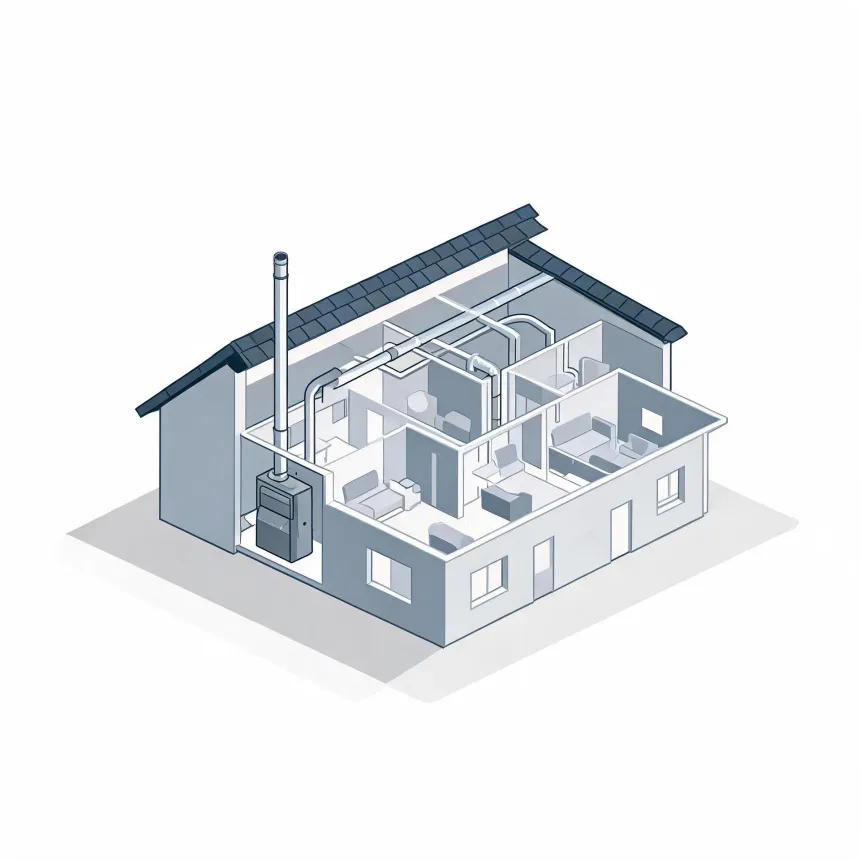
Isometric cutaway illustration of a single-story house in gray tones, showing interior rooms with furniture, ceiling ductwork, and an exterior furnace unit with a tall flue pipe.
Your furnace works hardest from November through March.

NOAA nClimDiv, 1991–2020 normals

Electricity heats close to half the homes in Franklin County.

An electric furnace sized and installed right is the straightforward choice for this job.

Seven months of heat ahead, get it installed before October

Heat runs October through April
Winter nights average 27°F
Climate zone 4A

Franklin County falls under zone 4A, a mixed climate that asks real work of both the furnace in winter and the AC in summer. Any furnace installed has to meet a federal minimum for that climate. Furnaces built from November 19, 2015 on must turn at least 80 percent of the gas they burn into heat over the winter. That floor holds until December 18, 2028, when it rises to 95 percent for furnaces built from that date forward. A furnace at the 80 percent mark is still legal to install right up until that date. One built to the 95 percent standard wastes less gas doing the same job, and in a house that depends on it through a cold winter, that difference doesn't stay small.

The furnace you pick decides what this winter costs you

Get the installing contractor to walk you through the efficiency rating before they write up the quote, not after. The unit they install is the one pulling power from that $46.51 rate every month this winter and most of next. Ask what it draws against what it puts out, and pick the one that keeps more of your money out of the meter.

Find a contractor
A man in a cap, dark jacket and tan work pants carries a canvas tool bag up white porch steps toward a dark blue paneled front door, with a potted shrub beside the entry.
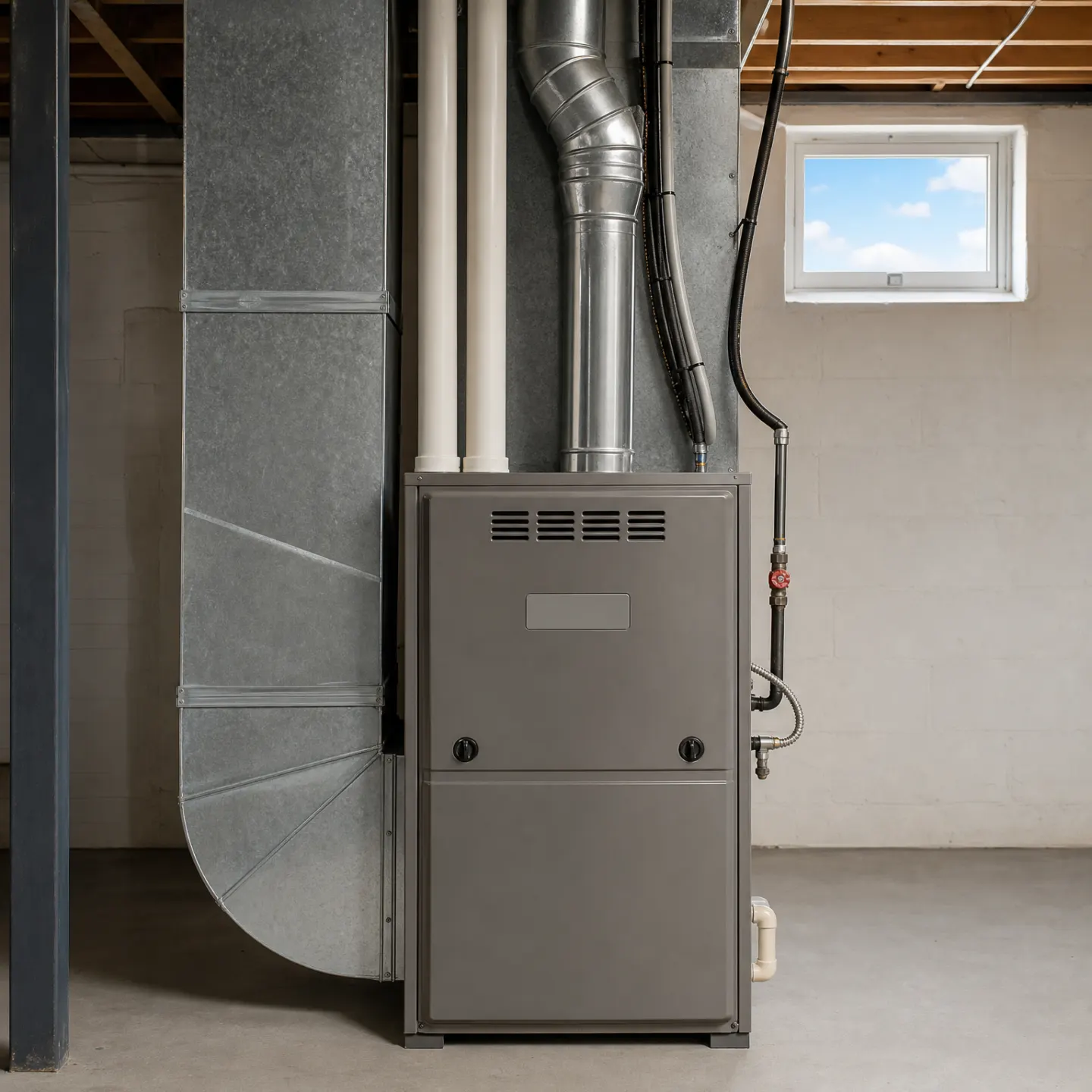
A gray residential gas furnace installed in an unfinished basement, surrounded by ductwork, a metal flue pipe, and a gas supply line.

An older house asks something different of a new furnace

Half the homes in Franklin County were built in 1963 or earlier. A furnace going into a house that age is going into ductwork and a layout built for whatever system came before it. The new furnace has to work with that, not with a blank slate. Getting the size and the fit right matters more here than it would in a newer county, because an older duct system gives the installer less room for error. A furnace sized to the house, not just to a formula, is what keeps it from working harder than its rating promises. On an electric rate like this one, that gap between promised and actual shows up on the meter all winter.

The old furnace comes out before the new one goes in

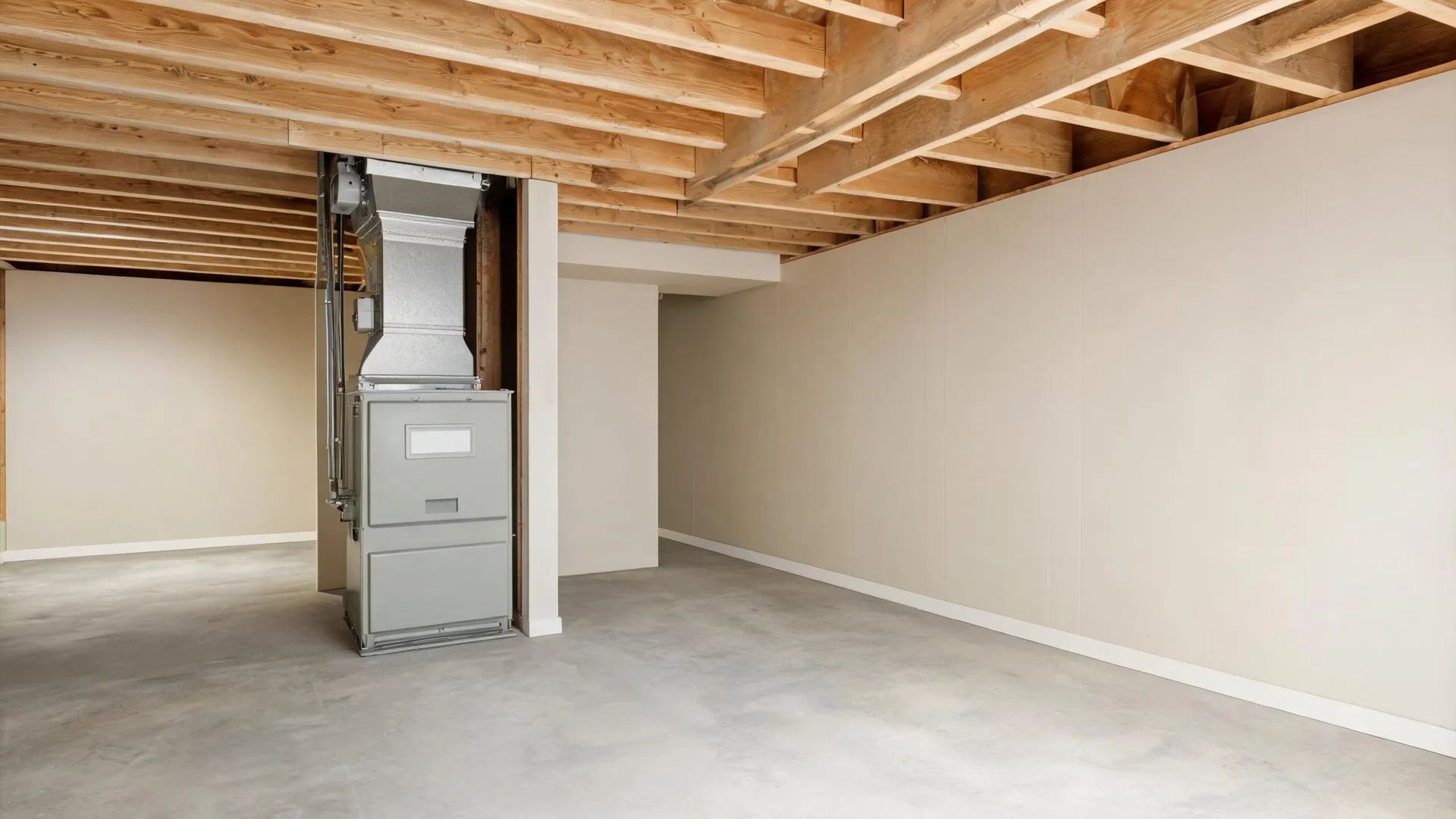
A contractor disconnects the gas line, the vent or flue connection, and the wiring, then takes the old cabinet out whole or in pieces if it won't clear the doorway. The ductwork and gas line stay, and the new furnace gets matched up to what's already there.
What's hooked to the old unit gets a second look

Thermostats, humidifiers, and filter housings often tie into the furnace being replaced. A contractor checks whether those parts carry over to the new system or need swapping, since a part built for one furnace doesn't always work right on another.

What drives the price of an installation comes down to more than the box itself. Sizing takes real work: a contractor has to calculate the heat loss for the house, not just match whatever was there before, because a furnace too big cycles on and off more than it should and one too small runs constantly and still falls short. The ductwork gets inspected too, since a return or supply run that's too small for the new unit's airflow holds the whole system back no matter how good the furnace is. The venting matters as much as the burner. A higher efficiency furnace condenses moisture out of the exhaust, and that exhaust runs through different pipe than an older furnace needs, sometimes a different path through the house entirely. Labor accounts for the gas line connection, the electrical hookup, the condensate drain for the higher efficiency units, and the startup and combustion testing that confirms the furnace is actually burning clean and venting right. None of that shows up when you just compare the price tag on two furnaces side by side.

That older ductwork and layout is worth asking about before the new furnace gets picked, not after it's sitting in the house. A contractor can measure the heat loss for the rooms you have and check what the existing ducts can actually move. If the new furnace matches that work, it runs the way its rating says it should. If it doesn't, it leans harder on the blower and the heat strips to make up the difference, and on electric heat at this rate, that's not a one-time cost. Ask whether the ductwork was sized for the furnace going in or just for whatever came out.