Gas is the common fuel here
Utility gas heats 51% of homes in Coles County, more than any other fuel. Electricity heats 41.2%, and LP gas heats 5.5%.
Takes about a minute. No obligation.
Utility gas heats 51% of homes in Coles County, more than any other fuel. Electricity heats 41.2%, and LP gas heats 5.5%.
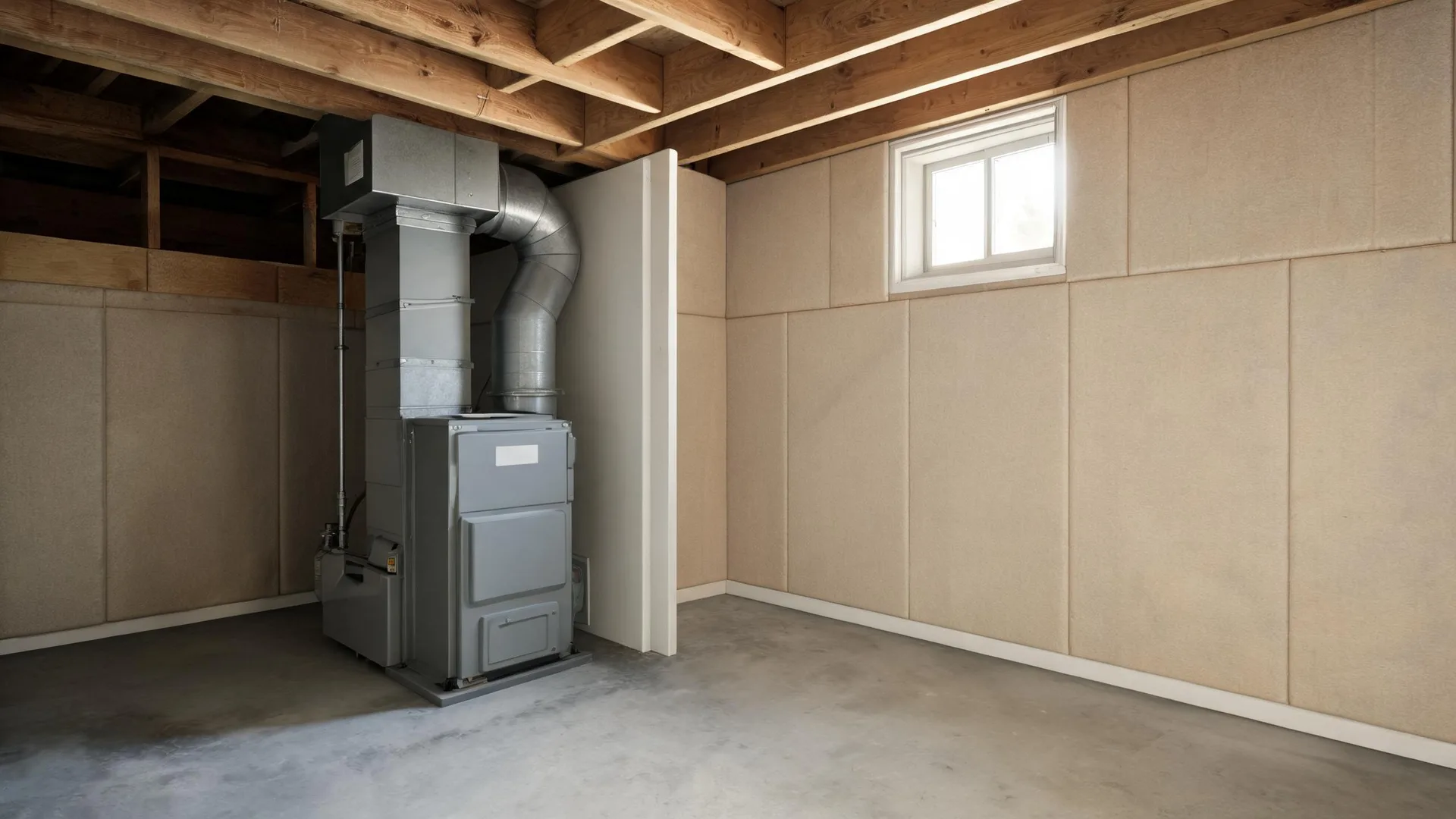
If your home has a gas line run to it already, a new gas furnace can usually go in the same place the old one sat. Switching fuel types means new venting or new electrical capacity, so check what your house was built with before you compare options.
NOAA nClimDiv, 1991–2020 normals
Half the homes in Coles County were built in 1971 or earlier.
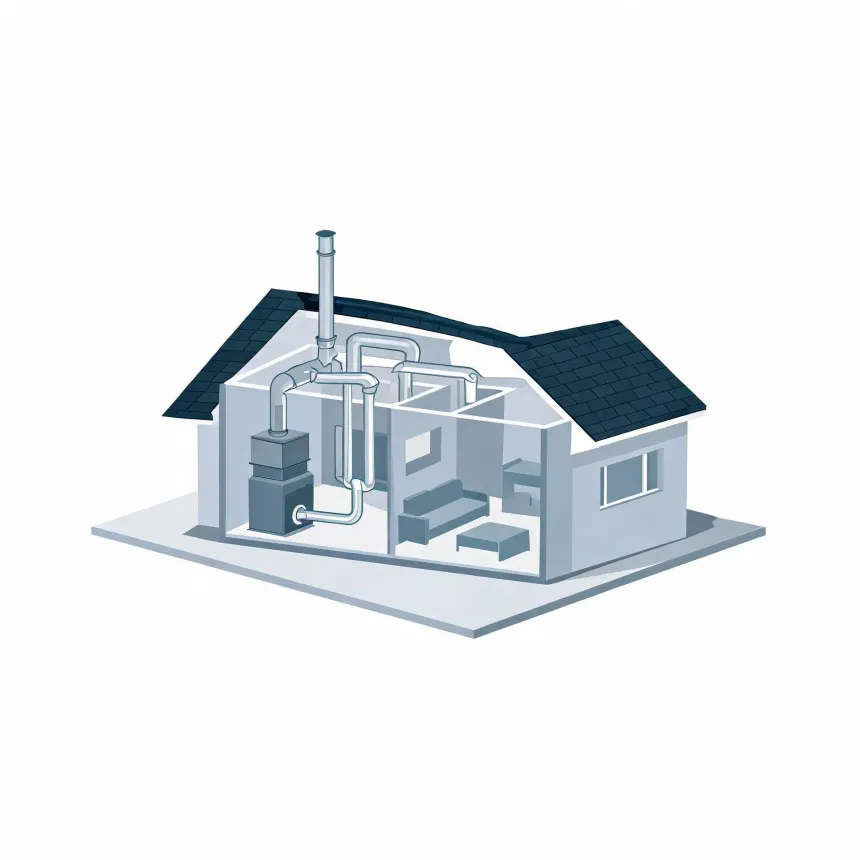
An older home like that already has ductwork and venting in place, and the new furnace has to work with what's there.



Winters here run cold enough that your furnace will work for it, an overnight average of 23°F in December, January and February is a real load, but nothing about Coles County calls for oversizing. A standard furnace sized to your home's square footage and insulation will keep up fine. Bigger isn't better here. An oversized furnace short cycles, turning on and off more than it should, which wears out parts faster and leaves rooms unevenly heated. The contractor sizing your system will run a load calculation based on your house, not just match the old unit's rating.
Gas is priced low enough in Illinois that a high-efficiency model won't earn its keep as fast as it might elsewhere. What matters more is a furnace sized right for your house and installed to work with the ductwork and venting already there. Get a load calculation and a quote built around your home.
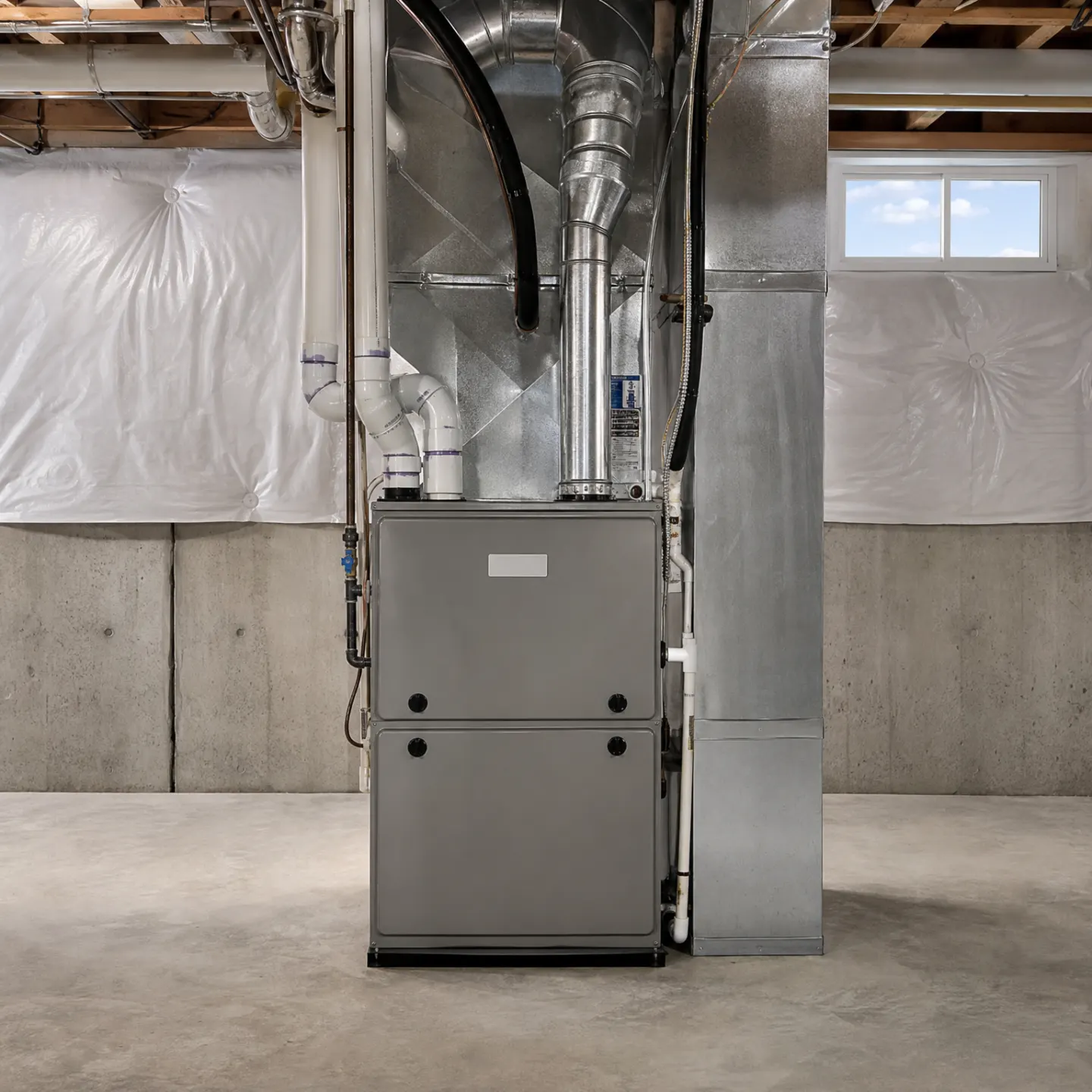
Find a contractorHave the contractor measure the duct runs and the vent before anything gets sized. A furnace that's the wrong dimensions for the closet or plenum it's going into means custom sheet metal work, and that changes the job. If the vent pipe is older, it may not be rated for a high-efficiency furnace's exhaust, which runs cooler and wetter than what the old system put out. Ask what the venting needs to look like for the model being quoted, not just what the furnace itself is rated for.
The AFUE number tells you how much of the fuel burned turns into heat for the house versus how much goes out the flue. It says nothing about how big a space the furnace can heat. A high AFUE furnace and a low one can put out the same heat. The difference is how much gas each one burns to get there.
A furnace earns its AFUE number on a test bench, with the ductwork, venting and airflow set up the way the manufacturer specifies. Undersized return ducts, a restrictive filter, or venting that doesn't match the unit will pull the real efficiency below what's printed on the label. The rating is a ceiling, not a guarantee.
Estimates for a typical Coles County home, from EIA household energy data, Illinois fuel prices and NOAA climate normals. Your home will differ.
Installation day starts with the old furnace coming out, along with the old venting if it's being replaced. The gas line gets capped off while the new unit is set, then reconnected and tested for leaks before anything is fired up. Ductwork gets connected to the plenum, and any transitions get sealed so the furnace isn't pulling or pushing air through gaps. Once it's wired in and the gas is on, the contractor runs the furnace through a full cycle, checking the flame, the flue draw, and the temperature rise across the heat exchanger against what the manufacturer specifies. That last check matters more than anything else done that day. A furnace can be installed correctly in every other way and still run wrong if the airflow across it isn't what the unit needs.