



A row of dark-sided single-story houses with gray shingled roofs behind a trimmed hedge, with mown lawn and large deciduous trees under an overcast sky.

Heat Pump Installation in Charleston, IL

Tell us about the job

Takes about a minute. No obligation.

Step 1 of 3: Equipment

Electricity in Coles County runs 17.14 cents per kilowatt hour, more than most US counties pay. A heat pump runs on electricity alone, so that rate applies to every hour it works. Summers here add to the load too. The dew point averages 65 degrees through June, July and August, which is the sticky, heavy air that makes a system work harder to pull moisture out. When the rate is high and the unit runs a lot to keep up, the difference between an efficient heat pump and a weak one shows up on the bill every month, not just in how comfortable the house feels.

7 months
October through April, your system heats
5 months
May through September, it cools
23°F
the average winter night it heats against
85°F
the average summer afternoon it cools against
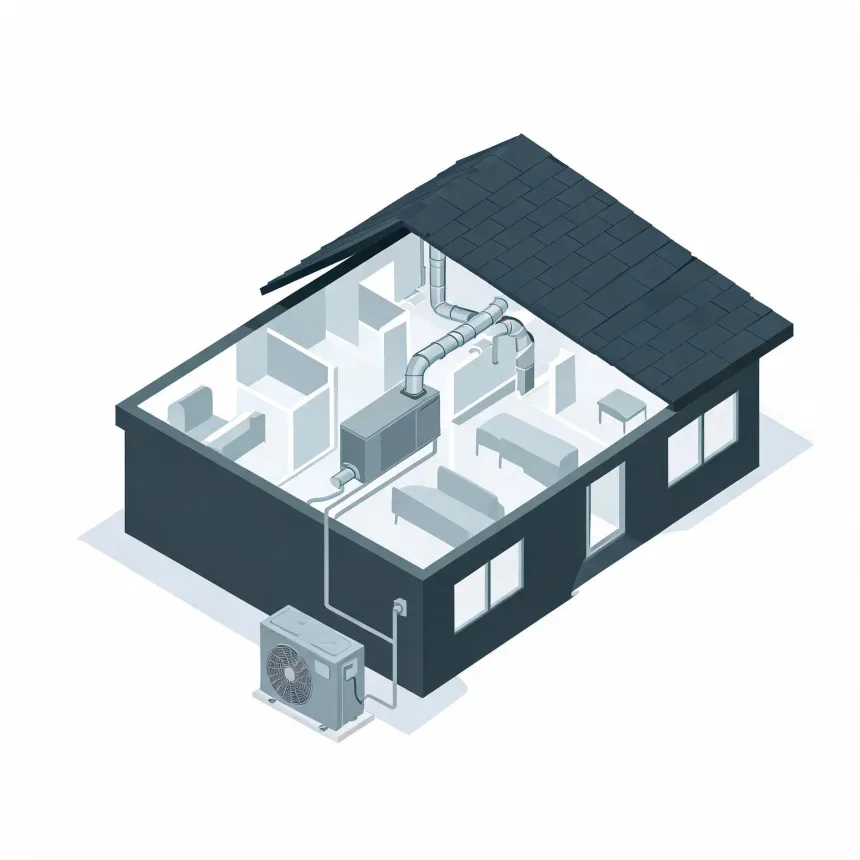
Isometric cutaway illustration of a single-story house showing interior rooms, ceiling ductwork connected to an air handler, and an outdoor condenser unit linked by a line set.
Your system heats October through April and cools May through September.

NOAA nClimDiv, 1991–2020 normals

Most homes in Coles County heat with gas, not electricity.

A heat pump replacing a gas furnace changes what powers the house, so sizing it right matters more than matching what was there before.

Two systems, two seasons, one install to plan around both

Cooling runs May through September
Heat runs October through April
Climate zone 4A

The rate is fixed. The equipment is not.

The rate here is already set. What is not set yet is the equipment going on the house, and that is the part that decides what this costs to run every month after. Worth comparing the efficiency rating closely before signing off on a unit, not after.

Find a contractor
A man in a gray t-shirt and tan work pants, seen from behind, climbs concrete steps toward a dark blue front door while carrying a canvas tool bag, with a potted shrub beside the entry.
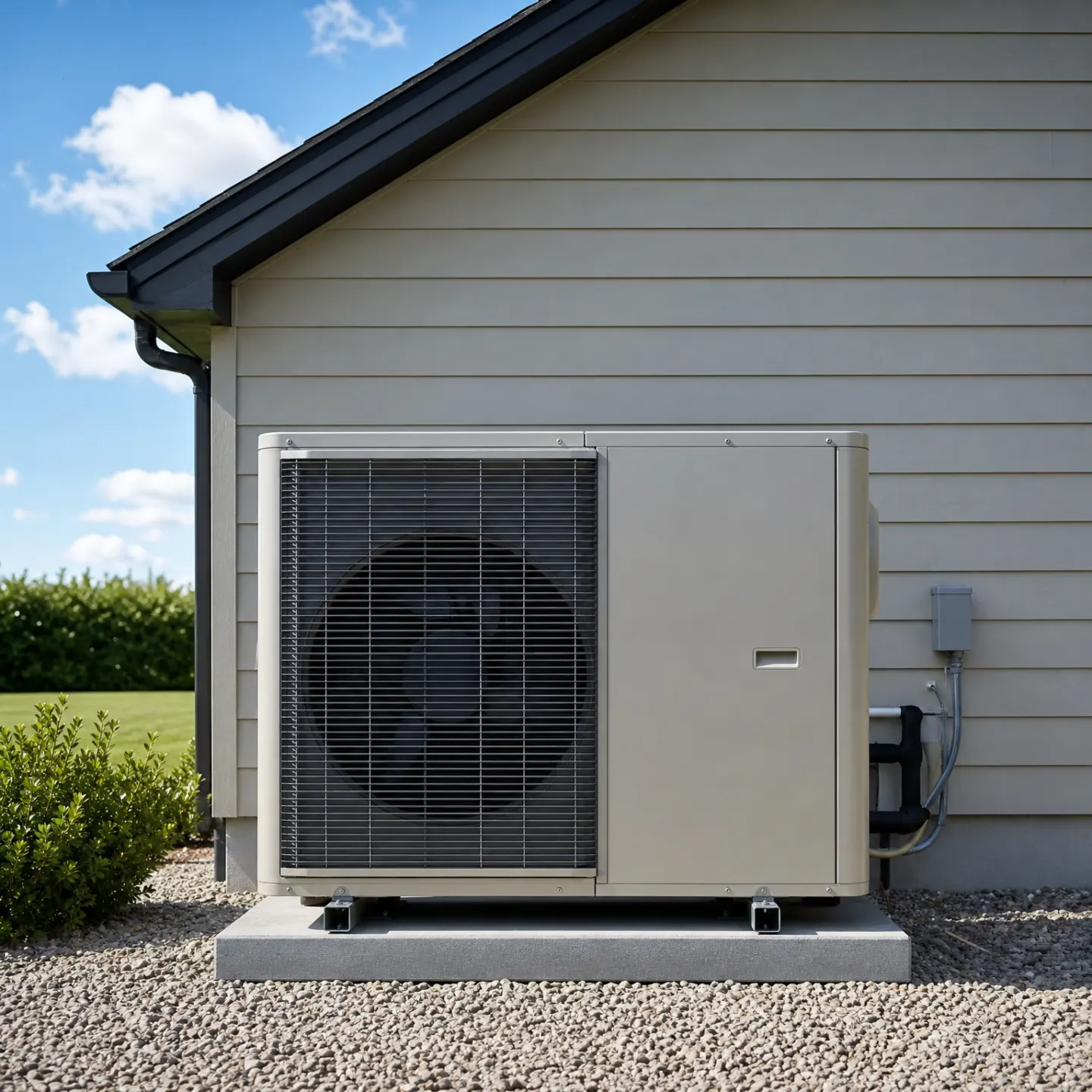
A residential heat pump outdoor unit mounted on a concrete pad next to a house with gray vinyl siding.

An older house changes what this install has to solve

Half the houses in Coles County were built in 1971 or earlier. A house that age was almost certainly built for a furnace, with ductwork and a layout sized for that, not for a heat pump. That does not rule out a heat pump. It means the install has to account for what the house already has instead of assuming a blank slate. Whoever sizes the unit and plans the ductwork needs to work from what is actually in your walls and attic, not from a standard that fits a newer home.

The rating is a seasonal average, not a guarantee

The efficiency number on the label gets tested under set conditions in a lab. Your house is not a lab. How well the unit actually performs depends on the ductwork it is tied into, how well the house holds temperature, and whether the unit is sized to match the space instead of oversized or undersized. Two homes with the same rated equipment can see different results because the equipment is only half of what decides the outcome.
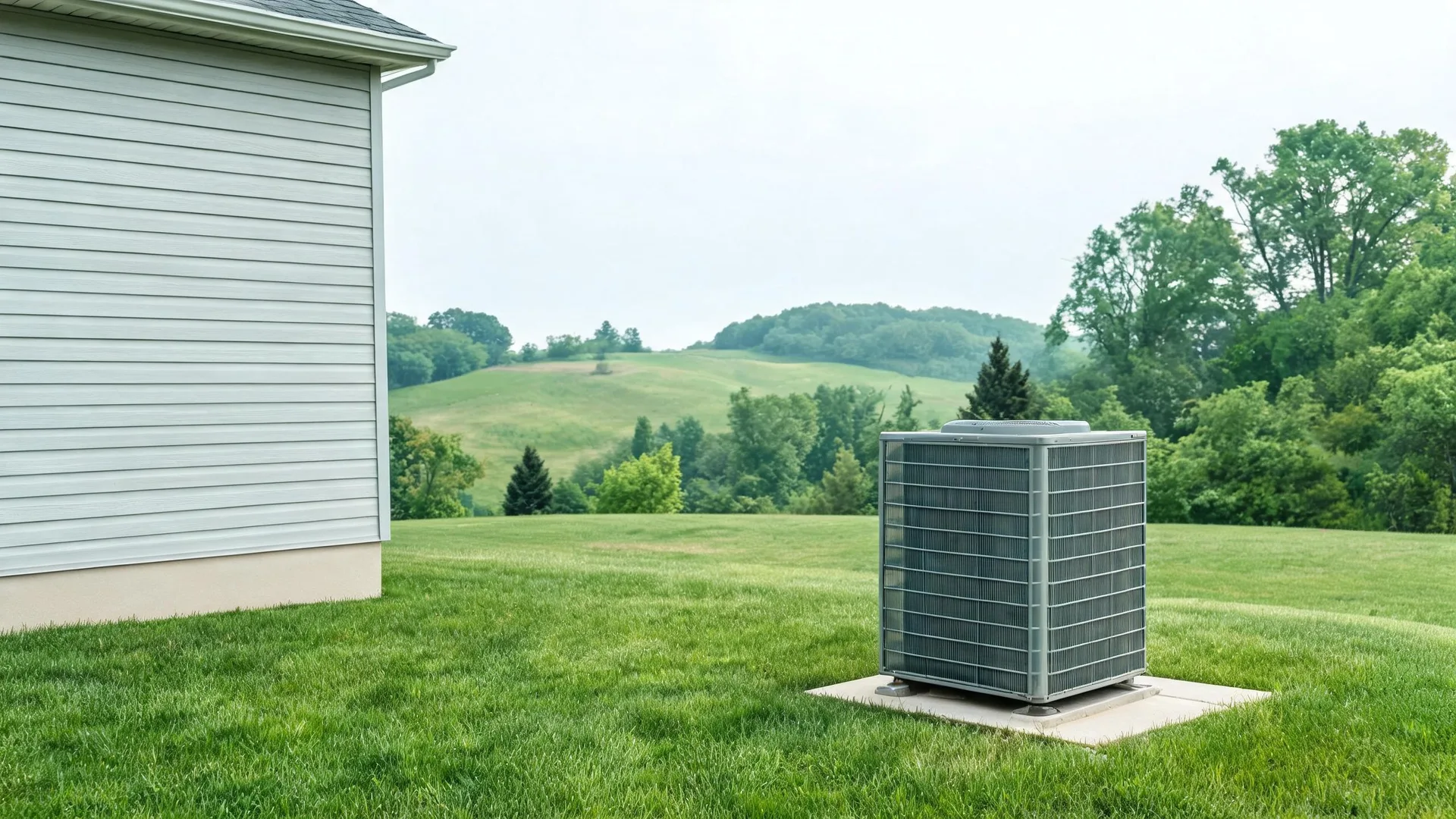
Heating and cooling are rated separately

A heat pump carries two different efficiency numbers, one for how it cools and one for how it heats, because it is doing opposite jobs depending on the season. A unit can be strong in one rating and average in the other. Since this machine runs double duty year round, both numbers matter to how it performs, not just the one that gets talked about most.

A couple of things are worth asking straight out when you're looking at quotes side by side. First, ask what size unit they're proposing and how they got that number. A contractor should walk the house, check the ductwork, and run a load calculation, not just match the tonnage of whatever was there before. Ask what happens at the lowest outdoor temperatures the unit will see. Some heat pumps lean hard on backup heat strips once it gets cold enough, and that backup heat costs more to run than the compressor does. Ask whether the ductwork can handle the airflow the new unit needs, since a heat pump often needs different airflow than a furnace did. And ask what the warranty actually covers, parts versus labor, and for how long. Two quotes with the same brand name on the unit can mean two very different installs underneath it.

Install day starts with the old equipment coming out, then the site gets prepped before anything new goes in. Outside, the unit sets on a pad, leveled, with clearances around it for airflow. Inside, the air handler or the existing furnace plenum ties in, since many setups pair the heat pump with the furnace for backup rather than replacing it outright. Refrigerant lines run between the two, get brazed, then pulled down into a vacuum to clear out moisture and air before any refrigerant goes in. Electrical work follows: a dedicated circuit, a disconnect box outside, and low-voltage wiring to the thermostat. Once it's all connected, the contractor charges the system, checks refrigerant pressures against what the unit calls for, and runs it through both a heating and a cooling cycle to confirm it's doing both jobs right before calling the job done.