October starts the real work
Furnaces in Coles County come on in October and stay on through April. That first cold snap asks a lot of a system that has sat quiet since spring, and any weak part tends to show itself right then.
Takes about a minute. No obligation.
Furnaces in Coles County come on in October and stay on through April. That first cold snap asks a lot of a system that has sat quiet since spring, and any weak part tends to show itself right then.
Have your furnace looked at in September, before it has to run. A contractor can catch a cracked heat exchanger, a weak igniter or a clogged filter while the house is still warm, instead of during the first cold week of October.
A quick tune-up checks the filter and calls it done.
A thorough one pulls the burners, checks the flame sensor, and tests for carbon monoxide before anyone signs off.



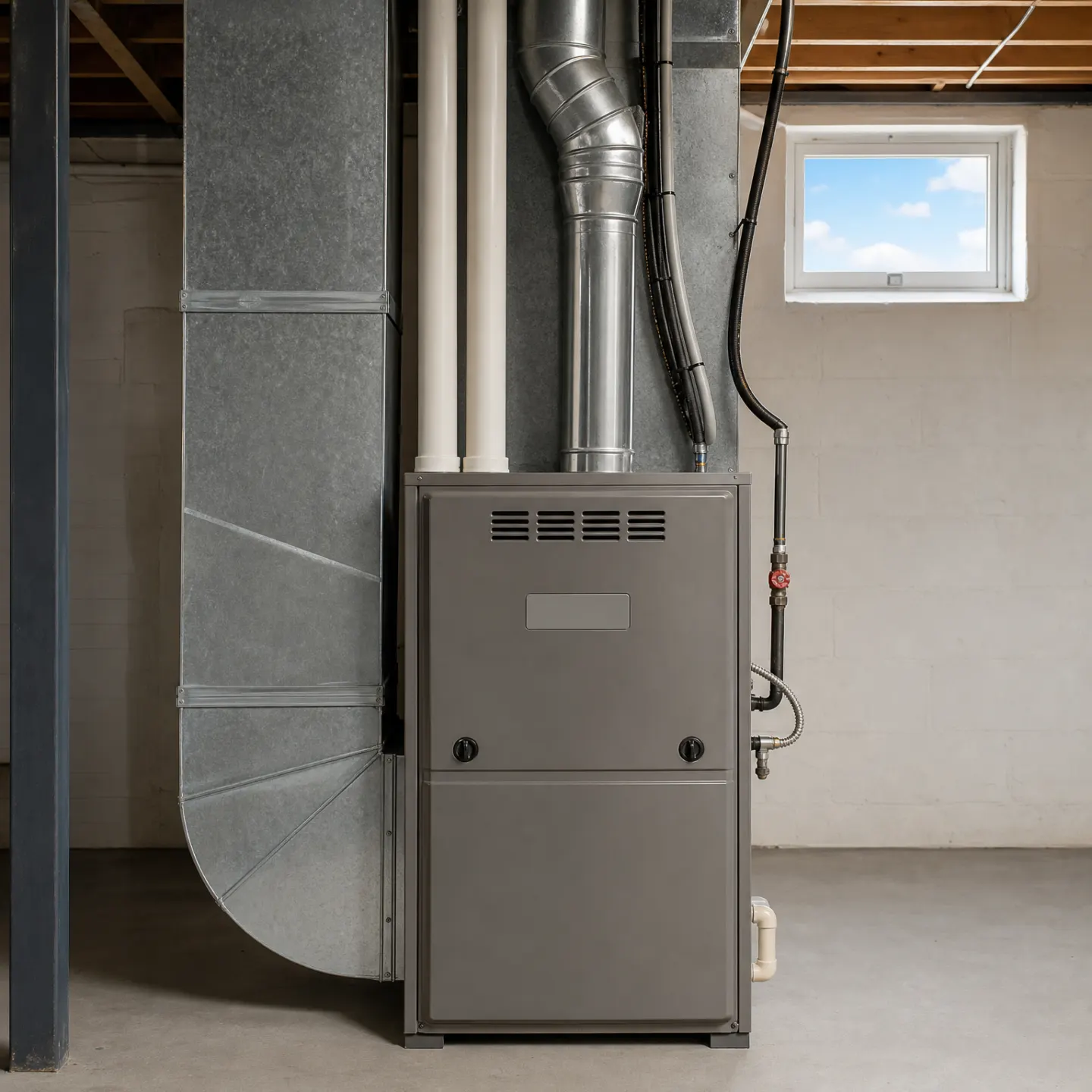
Just over half the homes in Coles County heat with utility gas. Another 5.5 percent run on bottled or LP gas. That adds up to most furnaces around Charleston burning fuel rather than just moving heat with electric coils. A gas furnace needs the burner assembly checked, the flame sensor cleaned, and the flue inspected for a safe draft. Carbon monoxide only shows up when something in that venting or combustion path has already failed, so the check has to happen before the furnace runs hard, not after.
If your house was built in 1971 or earlier, a yearly check is how a contractor catches a cracked heat exchanger or a weak flue connection while there's still time to deal with it. Half the homes in Coles County fall into that group, and age alone is reason enough to get it looked at before the furnace has to work.
Find a contractor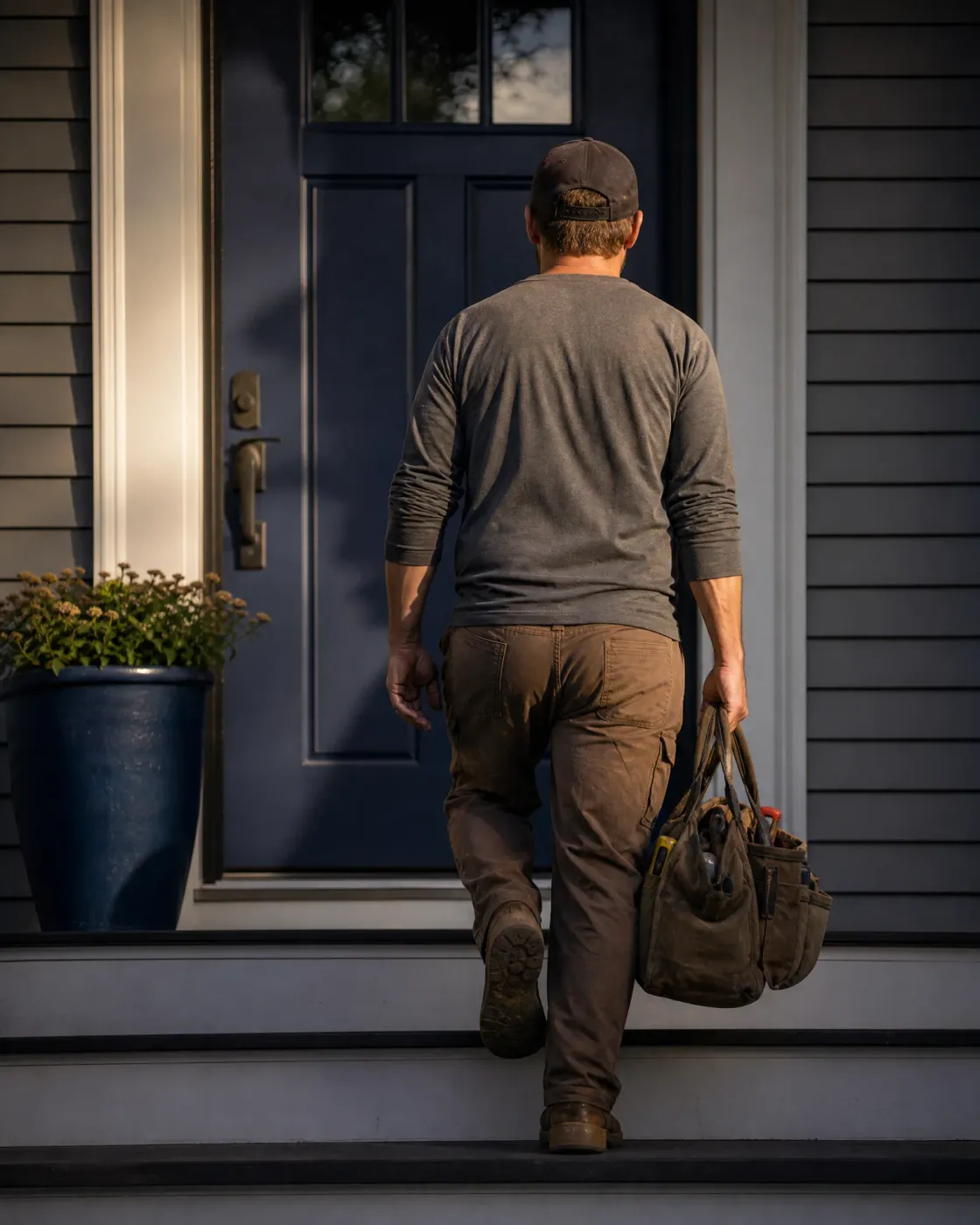
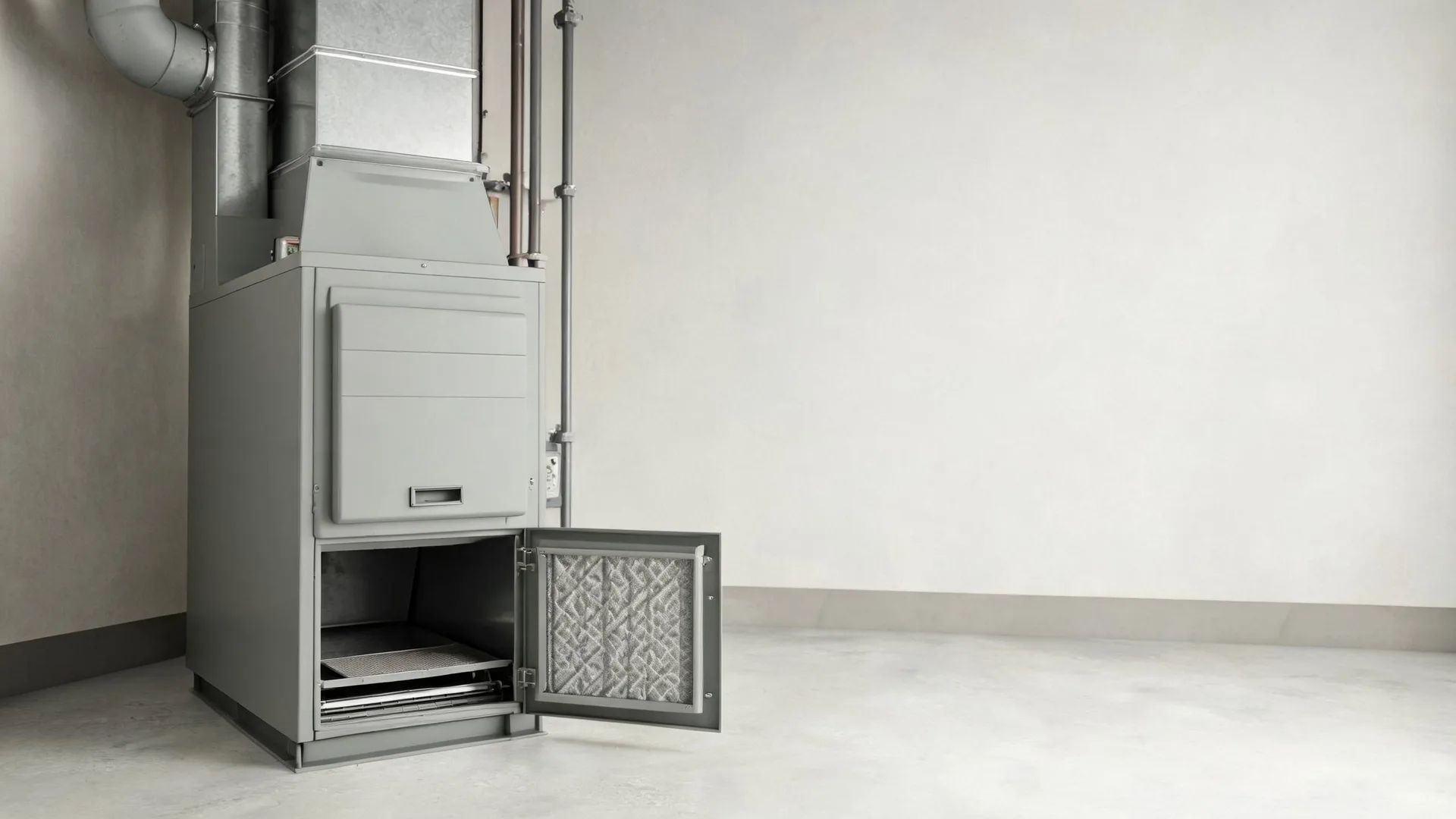
A furnace moves a lot of air over a long heating run, and the filter sits right in that path. Once it loads up with dust, the furnace has to pull harder to get air through, and some furnaces will overheat and shut themselves off when that happens. The coil, if the system shares ductwork with central air, can collect dust too, and a dirty coil makes the whole system work harder than it should. The drain only matters for a high-efficiency furnace that condenses exhaust into water. That line can clog with sludge over a long run, and when it backs up the furnace locks out rather than risk leaking water where it shouldn't go. None of these parts are complicated, but a furnace running night after night gives each of them time to fail quietly, long before anyone notices from the thermostat.
A healthy burner flame is steady and mostly blue. Let the flame sensor get a film of residue on it, or let the burner itself go uneven, and the flame can turn yellow or start lifting off the burner. The thermostat never sees any of this. It just knows whether the air coming out is warm enough, and a furnace can limp along short-cycling or burning unevenly for a long time before it fails outright.
A cracked heat exchanger does not usually announce itself with a smell or a sound. It lets combustion gas mix into the air the furnace is pushing through the house, and the crack itself can be hairline, hidden inside the cabinet where no one looks during a normal winter. Finding it means pulling the furnace apart enough to see the exchanger directly, not guessing from how the system is running.
A furnace usually tells on itself before it quits outright. It takes longer to warm the house than it used to, or it runs longer stretches than it used to, and that alone is worth a look. Listen for a boom at startup instead of a steady whump, which means gas is pooling before it lights instead of catching right away. A burner that used to come on quiet and now rattles or hums is worth mentioning to a contractor, even if the air coming out still feels warm enough. Short-cycling, where the furnace fires, runs a few minutes, and shuts off before the house warms up, usually means it's overheating and tripping a safety switch rather than finishing its run. Any of these on their own might be nothing. Together, or left alone through a full winter, they're usually the furnace asking for a look before it stops asking.
A proper tune-up starts with pulling the burners out, not just looking at them in place. A contractor cleans each one, checks the flame sensor, and looks at the ignition system to see that it's lighting clean and holding. The heat exchanger gets inspected directly, since that's the only way to catch a crack before it lets combustion gas into the air the furnace pushes through the house. The blower gets checked too, along with the belt if it has one, and the motor gets lubricated if it takes oil. On a high-efficiency furnace, the condensate line gets checked for a clog, since that line backing up is what trips the lockout. Combustion gets tested with a meter, not a guess, to confirm the furnace is burning clean and the flue is drafting the way it should. A filter swap alone skips nearly all of this.