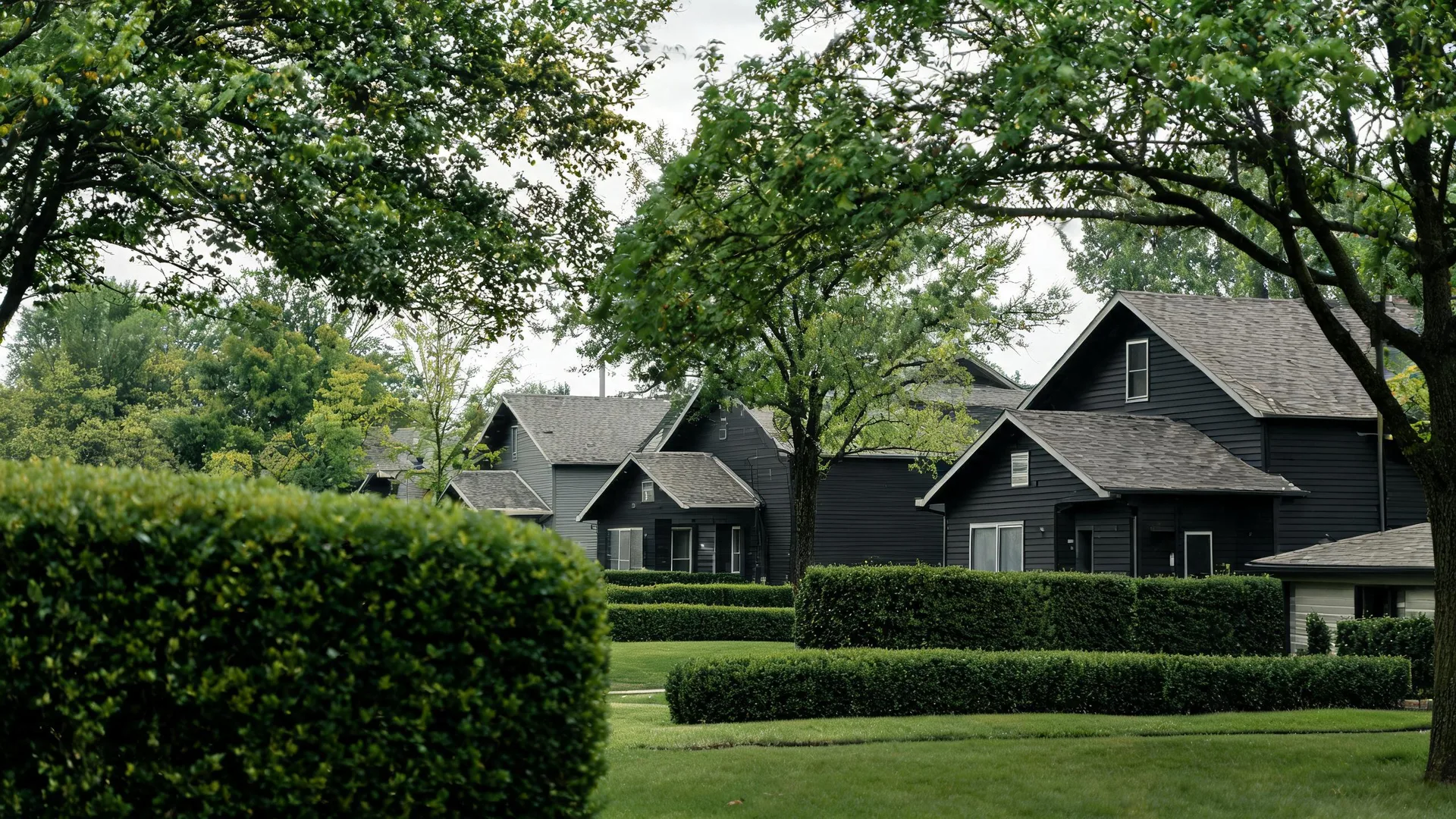





A row of dark-clad gabled houses with gray shingle roofs behind trimmed green hedges, mown lawn, and leafy trees under an overcast sky.

Furnace Maintenance in Marion, IL

Tell us about the job

Takes about a minute. No obligation.

Step 1 of 3: Equipment

Electricity here costs more than it does almost anywhere else. Illinois homes paid $46.51 per million Btu in 2024, and most furnaces in Marion run on it. A furnace that has to work harder to push out the same heat pulls more of that expensive power, month after month. A dirty filter, a clogged blower wheel, a cracked heat exchanger losing efficiency, any of it forces the furnace to run longer to reach the same temperature on the thermostat. The cost of that difference shows up on the electric bill before it shows up anywhere else.

Furnaces in Marion start running in October.

Get the furnace checked in September, before it has to carry the first cold night.

Half these furnaces are still young enough that upkeep is what decides how long that stays true

Half the homes here were built by 1981
Heat runs October through April
Winter nights average 27°F
Most furnaces here run on gas, not the electricity that heats the houseUtility gas heats 28.8% of homes in Williamson County. Those furnaces have a burner and venting that a filter change won't touch.

A quick visit gets the furnace running and leaves. A thorough one gets inside it. The tech should pull the burners and look at the flame itself, even and blue, not yellow or flickering at the tips. The flame sensor gets cleaned, not just glanced at, since a thin layer of oxidation on it is enough to make the furnace shut off minutes after startup. The blower wheel gets inspected for caked-on dust, which throws it off balance and wears the motor bearings faster than they should wear. Someone should check the pressure switch tubing for cracks and test the limit switch, the part that shuts the furnace down if it overheats. If nobody opens the cabinet and looks at the heat exchanger, the tune-up skipped the one check that matters most, because a cracked heat exchanger can leak combustion gas into the air the furnace is supposed to be heating.

A furnace running clean costs less to run

A furnace that has to work harder for the same heat pulls more power to do it, and power here costs more than it does almost anywhere else. A tune-up gets the filter, the blower wheel and the burners back to doing their job without the furnace straining to make up for it.

Find a contractor
A man in a cap, gray T-shirt and tan work pants carries a canvas tool bag up porch steps toward a dark blue front door of a gray clapboard house, with a potted plant at left.
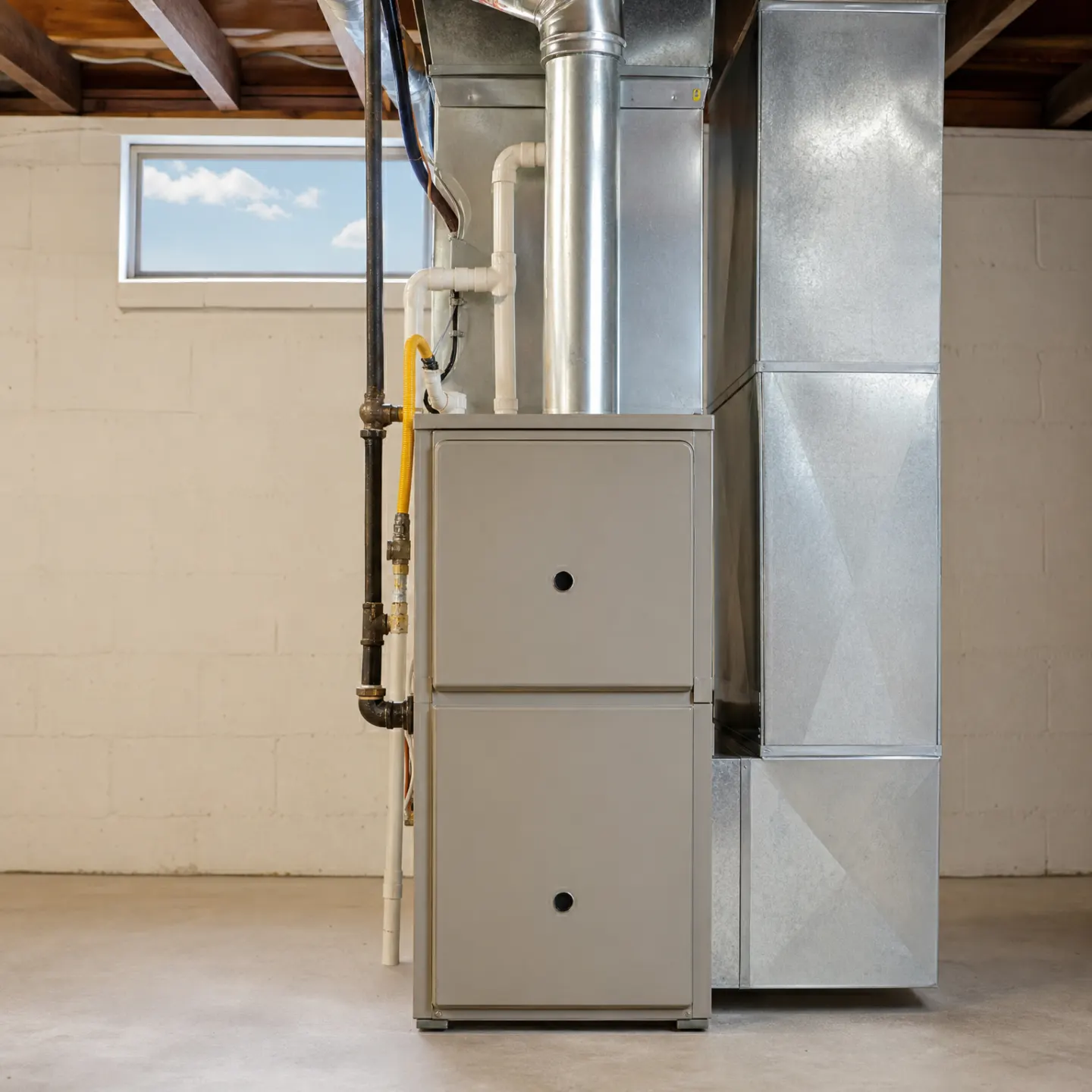
A gas furnace with attached ductwork, gas piping, and condensate lines installed in a concrete-block basement.

Skip it once and the furnace runs. Skip it for years and it runs down.

A furnace does not fail the first time it skips a year of maintenance. It fails after a few years of carrying dust in the blower wheel, soot on the burners, a flame sensor coated just enough to cause trouble. Each heating season it runs a little harder to make the same heat, and the parts that were already working, the igniter, the motor bearings, the heat exchanger, wear faster carrying that extra load. A blower motor built to last many winters can burn out years early if the wheel stays caked and unbalanced the whole time. A heat exchanger develops its first hairline crack under heat stress that better airflow would have eased. None of it shows up as a breakdown right away. It shows up as a furnace that runs longer than it used to, and then one day doesn't start.

Change the filter

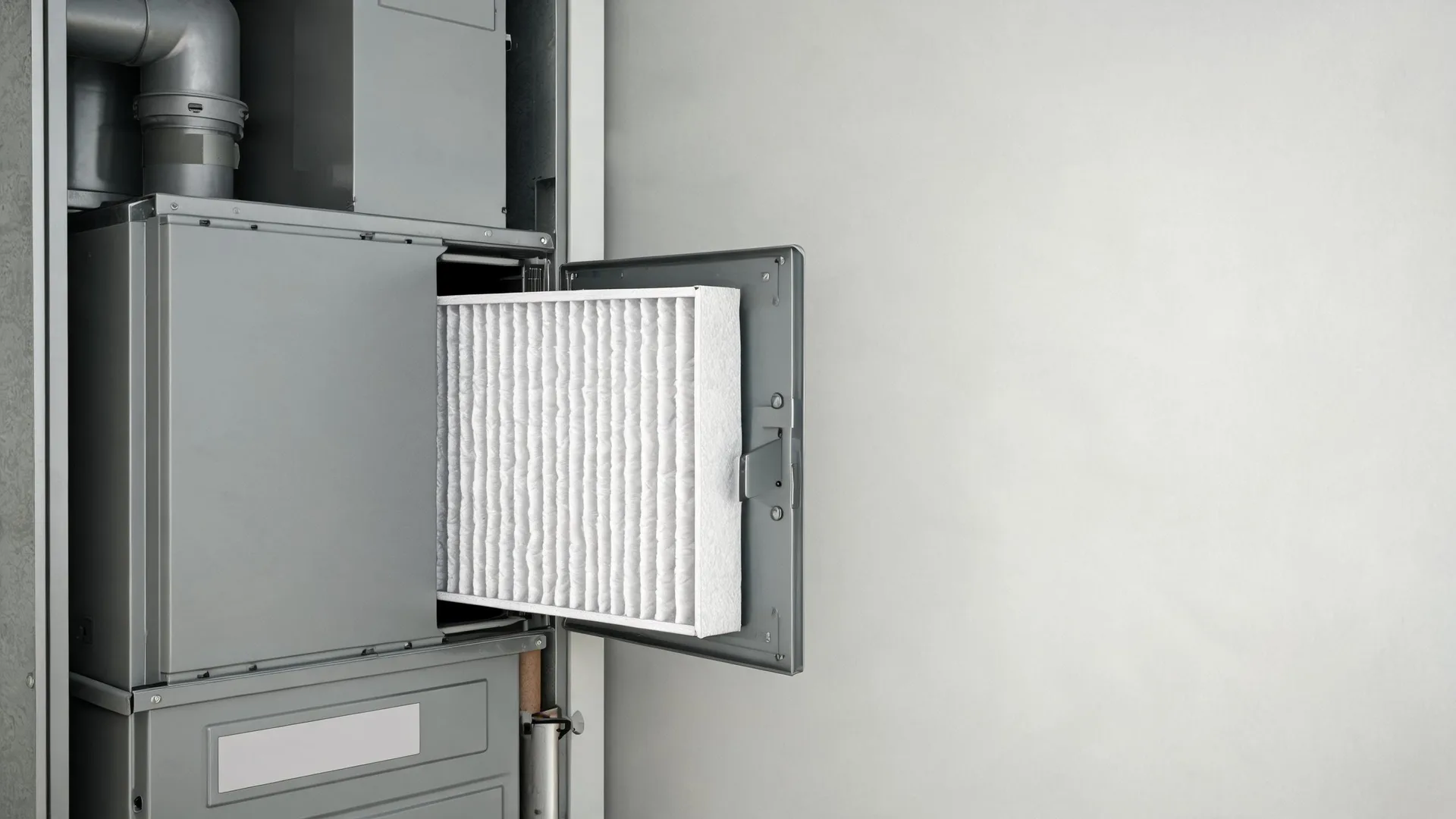
A dirty filter is the one thing worth checking without waiting for a visit. Hold it up to a light. If light doesn't pass through, it needs to be swapped. A filter clogged with dust makes the blower pull harder to move the same air, and that strain carries through the whole system.
Know what to leave alone

The burners, the flame sensor, the heat exchanger and the limit switch all sit behind the cabinet panel for a reason. Opening that panel and working on them without the right tools and training risks a gas leak or a shock. Between visits, the filter and a clear area around the furnace are the job. The rest waits for the tech.

A furnace usually gives some warning before it quits. One is short cycling, where it fires up, runs a few minutes, and shuts off before the house warms, then starts again. Another is a burner flame that's gone yellow or uneven instead of steady blue, which points to a combustion problem rather than just dust. Listen for sounds that weren't there before: a boom at startup, a screech from the blower motor, a rattle that follows the fan speed. Notice if some rooms stay cold while the thermostat reads satisfied, which often means the blower isn't moving enough air anymore. A furnace that runs noticeably longer to hit the same setting is already working harder than it should. None of these mean the furnace is about to fail tonight. They mean something inside it has started to wear, and waiting lets it wear further.

A tune-up has an order to it because each check depends on the one before. Airflow comes first: a clean filter, a blower wheel free of caked dust, ducts that aren't blocked. Combustion comes next, since a furnace moving plenty of air but burning gas poorly is still a problem. The burner flame gets checked for color and shape, the igniter gets checked for a weak glow or a slow light-off, and the flame sensor gets cleaned so the furnace doesn't shut itself down early into a cycle. Then the safety checks: the limit switch, which shuts the furnace down if it overheats, and the pressure switch tubing, checked for cracks that would stop the furnace from firing at all. Last comes the heat exchanger, opened up and looked at directly, because that's the part standing between normal operation and combustion gas leaking into the air the blower pushes through the house. Skip any one step and the furnace might still run. It just runs without anyone having checked the thing most likely to go wrong.