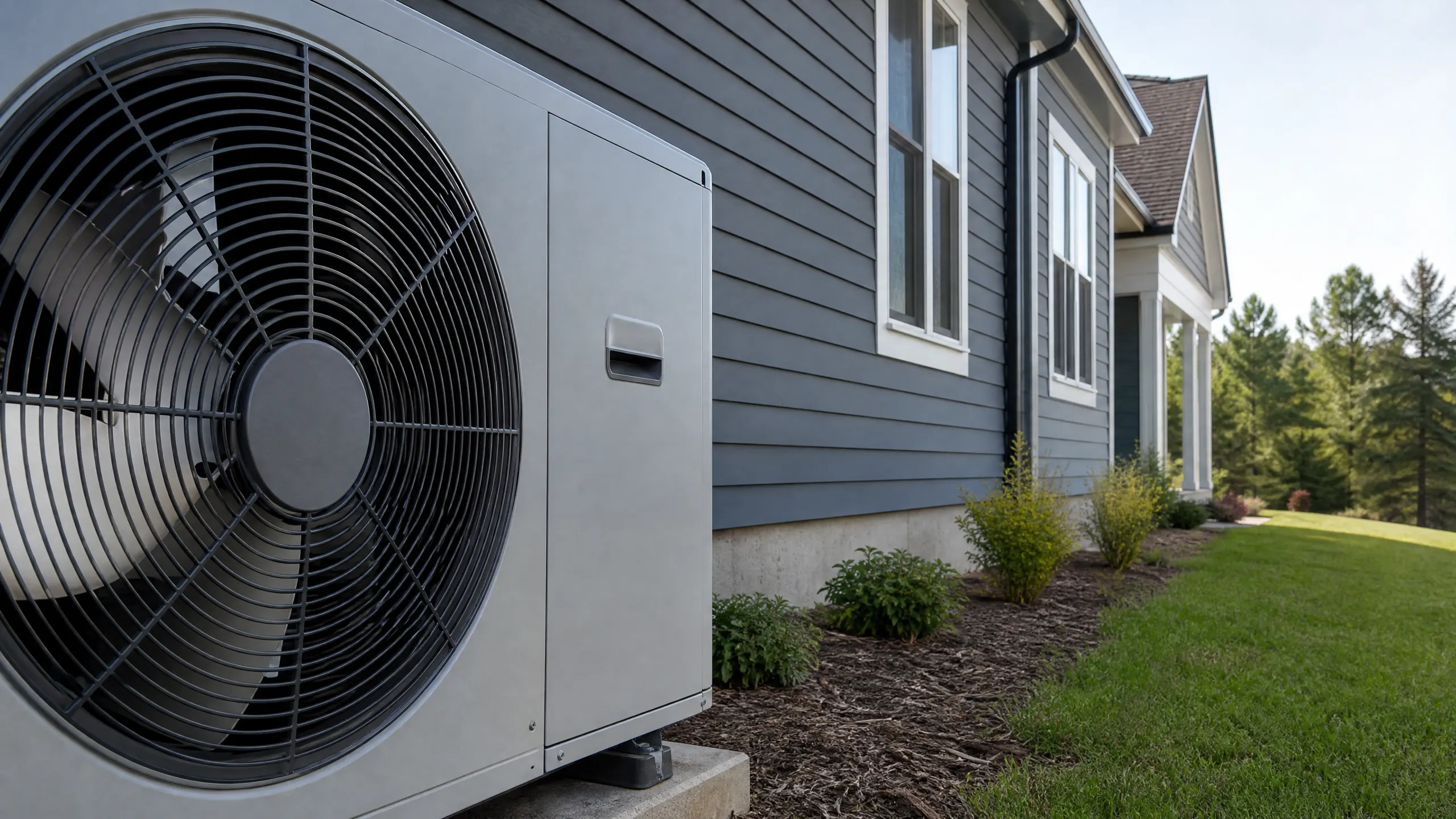




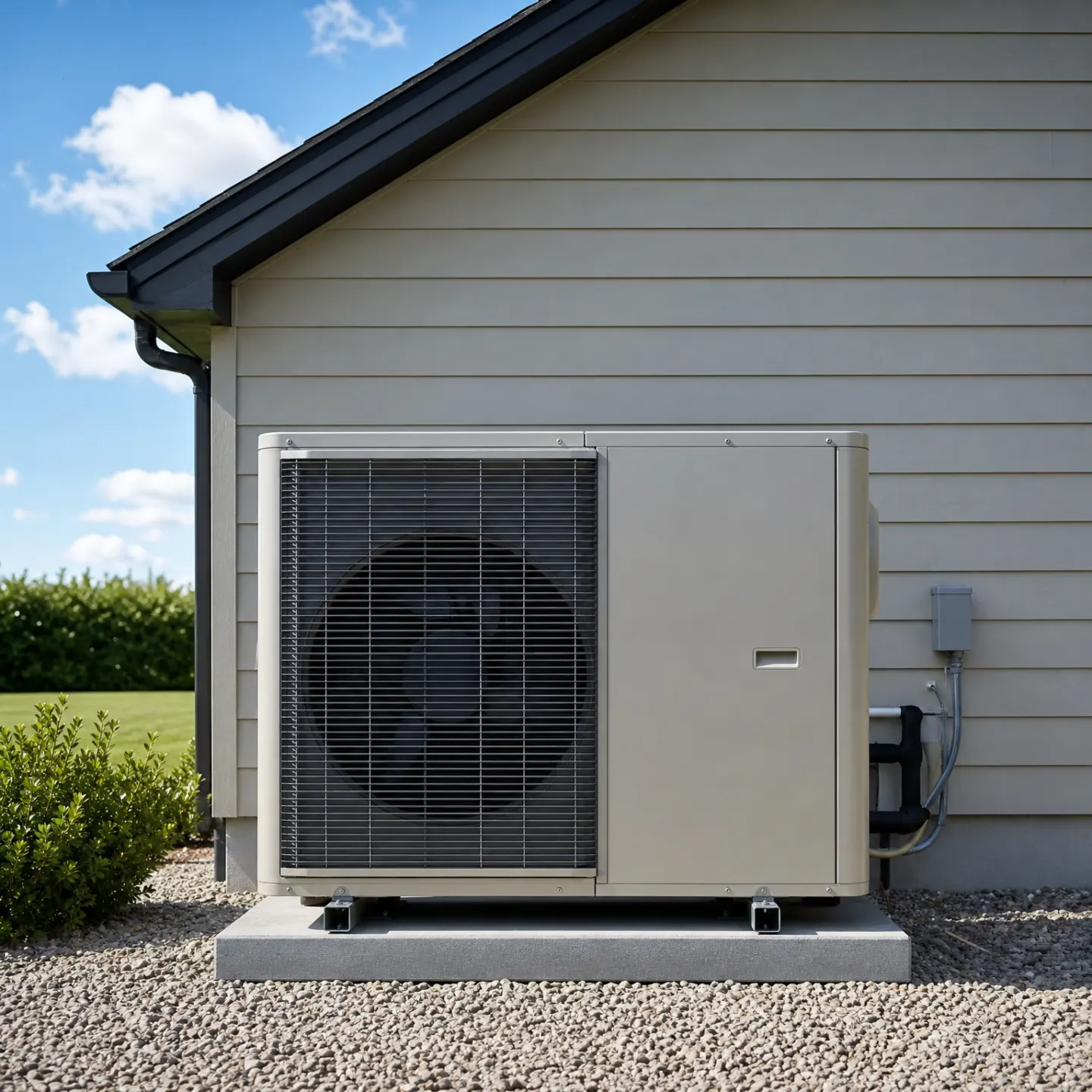
A heat pump outdoor unit mounted on a concrete pad next to the gray-sided exterior wall of a residential house.

Heat Pump Repair in Marion, IL

Tell us about the job

Takes about a minute. No obligation.

Step 1 of 3: Equipment

Marion is in a mixed climate, zone 4A, so the heat pump works through both summer and winter here rather than coasting through a mild stretch most of the year. That's normal for this part of Illinois. Williamson County gets its share of wind and hail, and winter storms have passed through from time to time, but none of that points to anything unusual going wrong with your system. A heat pump that's not heating or cooling right in Marion is almost always dealing with the same handful of causes any heat pump runs into anywhere. Low refrigerant charge. A failing reversing valve. A dirty coil. A control board that's lost its signal to one of the other parts. Figuring out which one it is comes first, then the fix follows from that.

7 months
October through April, your system heats
5 months
May through September, it cools
27°F
the average winter night it heats against
87°F
the average summer afternoon it cools against
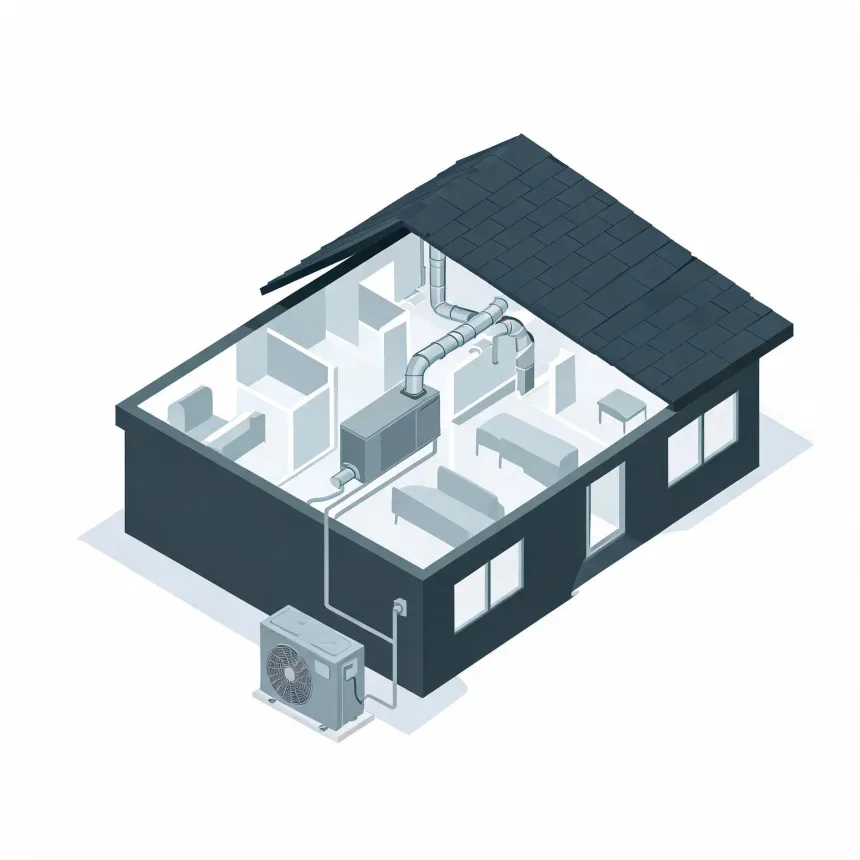
Isometric cutaway illustration of a single-story house showing interior rooms, ceiling ductwork connected to an air handler, and an outdoor condenser unit linked by a line set.
Your system heats October through April and cools May through September.

NOAA nClimDiv, 1991–2020 normals

Heat here switches to heating mode in October, after running cooling since May.

A reversing valve or sensor that was already marginal often fails in that first cold week.

A heat pump running badly year-round costs more here than almost anywhere

Power costs 15.87 cents a kWh statewide
88 damaging wind events from 2015 to 2024
39 hail events from 2015 to 2024

Williamson County sees its share of wind, hail and the occasional tornado, but none of that is what usually takes down a heat pump. Power is the more common thread. A fair number of Illinois households lose power for a stretch at some point in the year, and a heat pump that cuts out mid-cycle doesn't always come back on the way it should. If yours is running constantly without catching up, or blowing air that isn't warm or cool enough, check the breaker and the outdoor unit before assuming the worst. More often than not it's a refrigerant or control issue that was already building, not something the weather did to it directly.

Half of Williamson County's homes were built in 1981 or later

Half the homes in Williamson County were built in 1981 or later. If yours is one of them, the heat pump likely came with a house that's still well within the age where repair makes more sense than replacement.

Find a contractor
A man in a gray t-shirt and tan work pants, seen from behind, climbs concrete steps toward a dark blue front door while carrying a canvas tool bag, with a potted shrub beside the entry.
A residential heat pump outdoor unit mounted on a concrete pad next to a house with gray vinyl siding.

A newer system is worth fixing

If your house falls on the newer half of that line, get a technician out to diagnose it before anyone talks replacement. A control board or reversing valve is a straightforward swap on a system this age. The time-lapse above is what that looks like day after day, year after year, and there's no reason a repair shouldn't carry it another several years.

Most failures start with the refrigerant circuit

A heat pump moves heat by compressing and releasing refrigerant, and most of what goes wrong traces back to that loop. A slow leak lowers the charge until the system can't move enough heat either direction. The compressor wears out too, usually after years of running low on charge or fighting a dirty coil, and once it fails the unit is done unless it's replaced.
The reversing valve fails in its own way

The reversing valve is what switches a heat pump between heating and cooling, and it's one of the first parts to stick, especially when a unit sits in one mode for months at a stretch. A valve that's failing partway can leave the system stuck in one mode, blowing air that's the wrong temperature, or short cycling. A technician can usually tell within a few minutes whether the valve is the problem or something upstream of it.

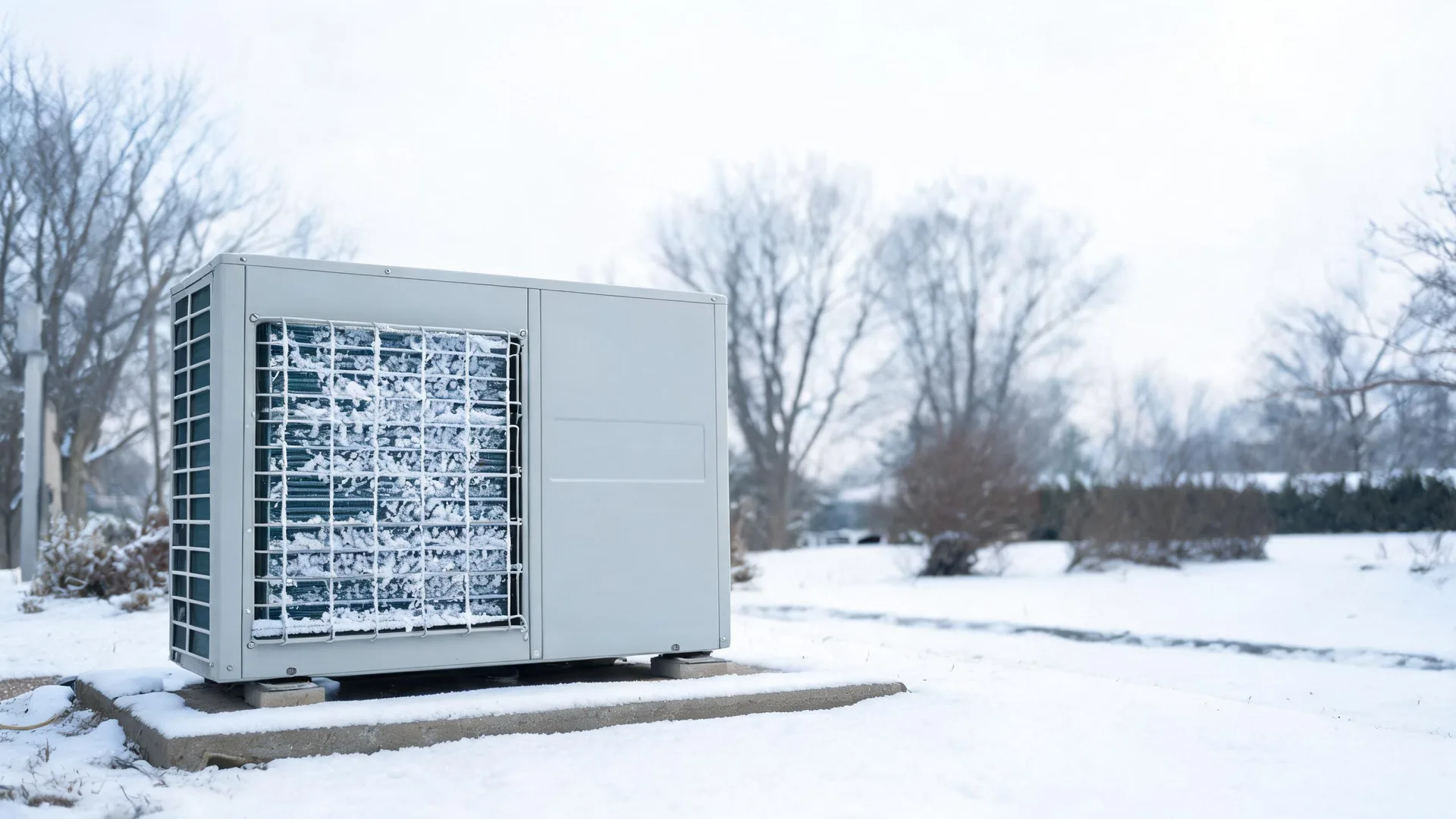
A heat pump in trouble usually tells you before it quits outright. The air coming out feels wrong before anything shuts down, warm when it should be cold, lukewarm when it should be properly warm. Ice building up on the outdoor unit in weather that shouldn't cause it is worth a call, same as a unit that's running constantly but never quite gets the house to temperature. Listen for it too. A clicking that won't stop, a hum with no fan turning, a new rattle from the outdoor unit. Short cycling, where it kicks on and off every few minutes instead of running a normal stretch, wears the compressor down faster the longer it goes unaddressed. None of these mean the same repair, but any of them is reason enough to get it looked at before it stops working altogether.

A diagnostic starts with questions, not tools. When did it start, what does it sound like, is it one mode or both. Then the technician checks pressures on the refrigerant circuit, since that's where most problems trace back to. Gauges will show a low charge fast. From there it's the electrical side, the control board, the contactor, the capacitor, checking each one carries the signal and the current it should. The reversing valve gets tested directly, usually by listening and feeling for it to shift under power. What takes longer is confirming it's the only thing wrong, since a system that's been struggling for a while can wear on more than one part at once.