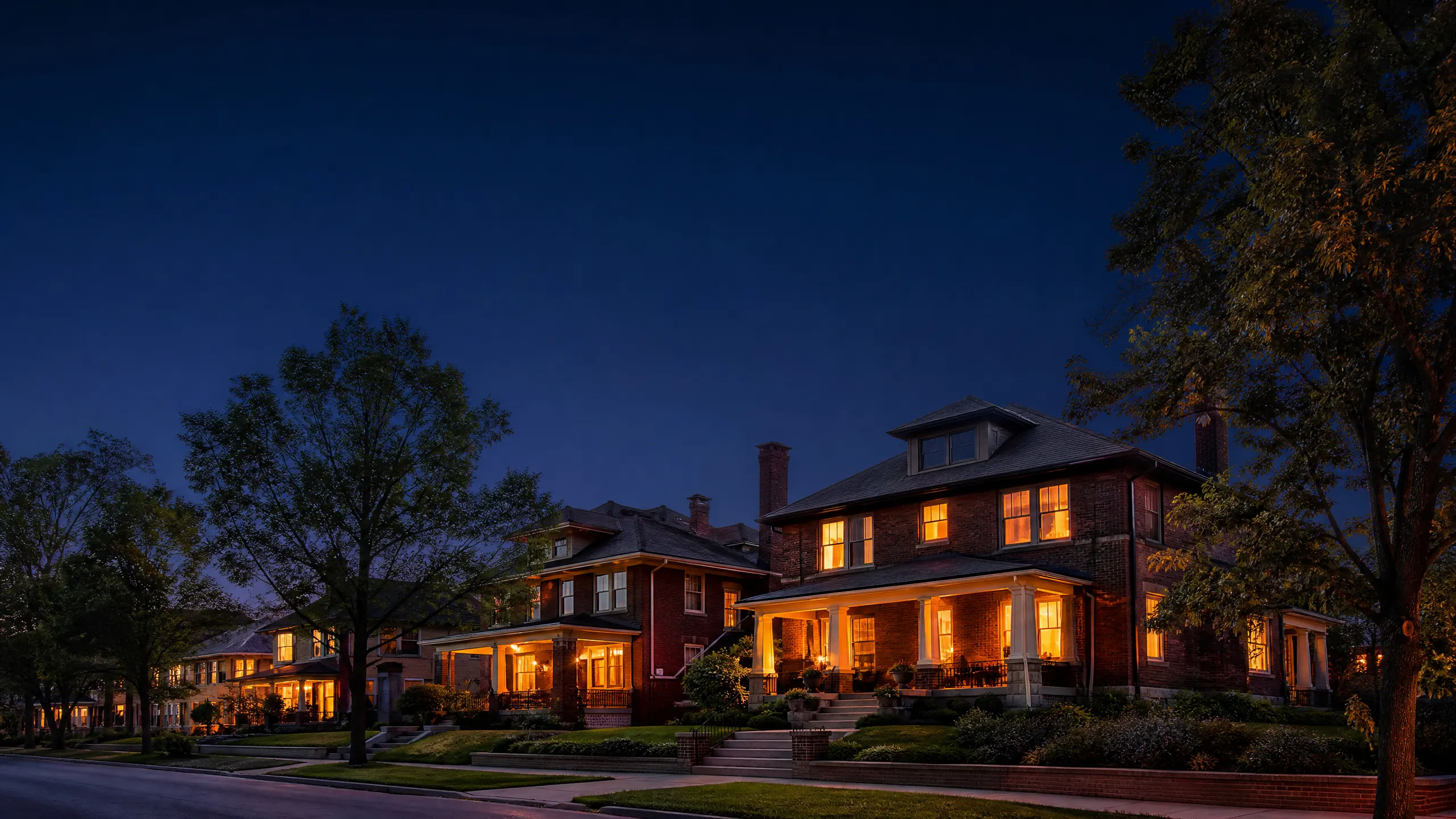
A quiet residential street at dusk lined with illuminated two-story brick houses and mature trees.

Furnace Repair in Danville, IL

Tell us about the job

Takes about a minute. No obligation.

Step 1 of 3: Equipment

Vermilion County saw 250 severe weather events between 2015 and 2024. That includes 163 damaging wind events, 70 hail events and 9 tornadoes in that same stretch. A furnace itself usually sits inside, out of the weather, but the outdoor parts of a home's heating and cooling setup don't get that protection. Hail dents housings and bends fins. Wind throws branches and debris into outdoor equipment. If your system took a hit like that, a furnace that still fires up isn't proof that nothing was damaged.

8 months
October through May, your furnace is on duty
21°F
the average winter night it heats against
54%
of homes here heat with gas, so most furnaces here burn gas
7 winter storms
in ten years, the nights a failure hurts most
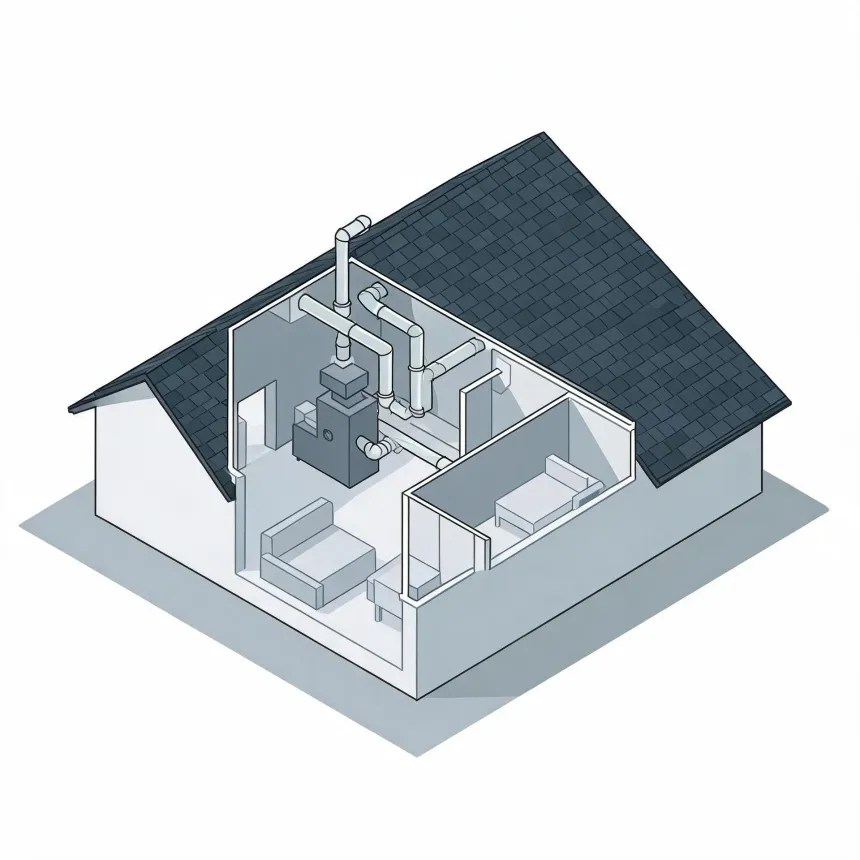
Isometric cutaway illustration of a single-story house with a dark shingled roof, showing interior rooms with furniture and a furnace connected to ductwork.
Your furnace works hardest from November through March.

NOAA nClimDiv, 1991–2020 normals

Furnaces here start working in October and keep going through May.

A weak part usually holds through summer and fails once the first cold snap in October asks the furnace for real heat.

Half the homes here were built before your furnace's warranty would even remember

Half the homes here were built by 1957
Climate zone 5A
Heat runs October through May

Before paying for a repair, it's worth finding out how old the furnace actually is and what kind of shape the rest of the system is in. A technician checking a repair can tell you whether the heat exchanger is cracked, how the blower motor is holding up, and whether parts for that unit are even still made. That matters more here, where half the homes went up in 1957 or earlier, than in a county full of new construction. An old furnace in an old house has usually been patched before. Ask the tech doing the repair for a straight answer on what else is close to failing, not just what's failing today.

Get the outdoor unit checked while the tech is already there

If hail or wind came through before this breakdown, get the outdoor equipment looked at along with the furnace. A unit that still runs isn't the same as one that came through clean.

Find a contractor
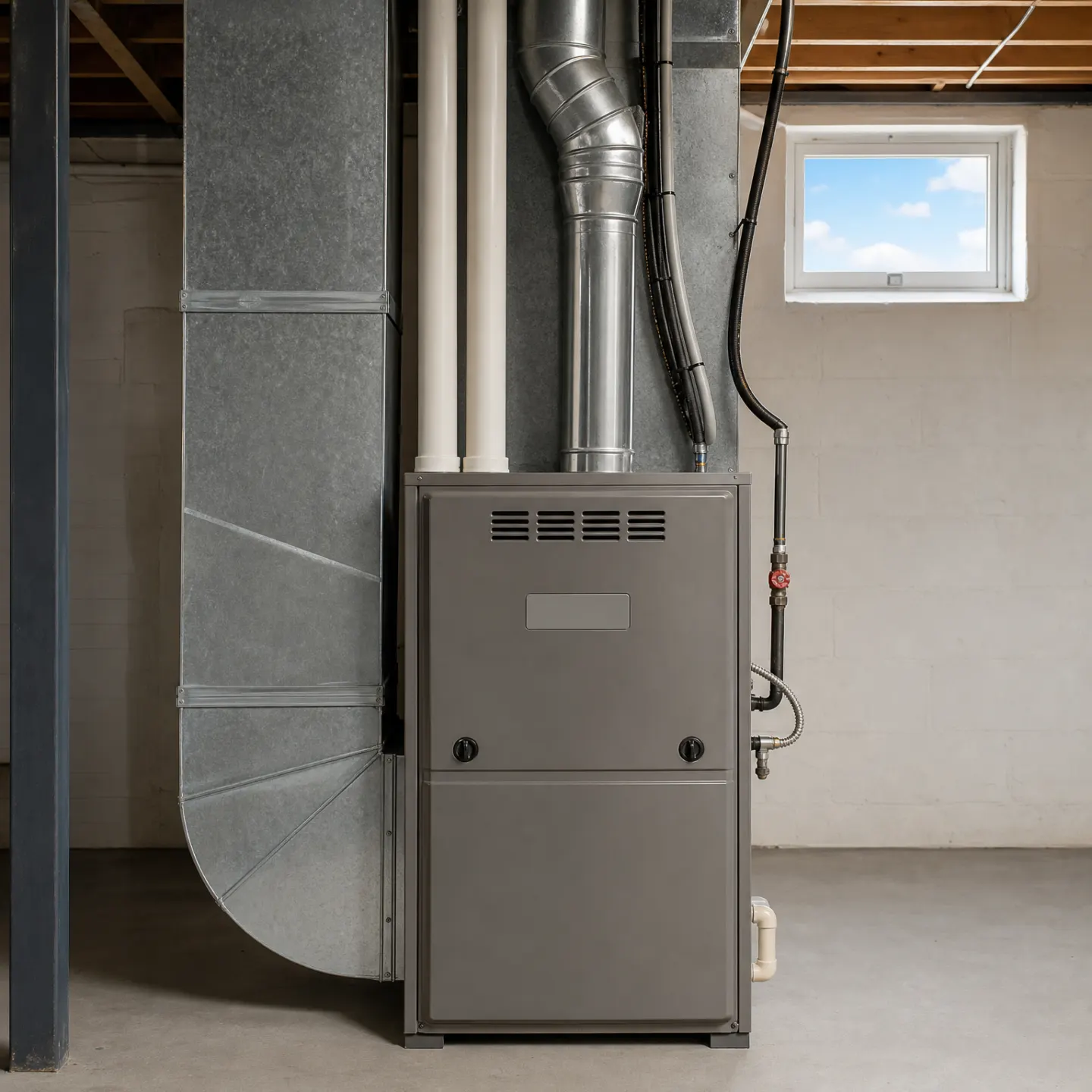
A gray residential gas furnace installed in an unfinished basement, surrounded by ductwork, a metal flue pipe, and a gas supply line.

Some problems don't hold steady, they get worse the longer the furnace runs

A furnace that's struggling doesn't fix itself by staying on. A cracked heat exchanger gets worse with every heat cycle, as the metal flexes under heat and cools again each time the burners shut off. A failing igniter that's barely catching will wear out faster each time it has to glow longer or spark more to get a flame going. A blower motor running on worn bearings will keep drawing heat and friction into parts that were never built to handle it, until it seizes. Even a clogged filter left in place forces the blower to work harder to push air through, which shortens its life and can overheat the heat exchanger behind it. None of that is a reason to shut the furnace off and wait. It's a reason to get the actual problem found and fixed instead of letting the furnace run while something inside it keeps degrading.

Most failures start with the igniter or the flame sensor

The igniter has to heat up and light the gas every time the furnace cycles on, and that repeated heating wears it out over years of use. The flame sensor has a shorter job: it confirms a flame is actually burning so the gas valve stays open. A coating of residue on that sensor can make the furnace read it as a failed start even when the flame is fine, and the unit shuts itself down as a safety response.
A furnace that short cycles is telling you something specific

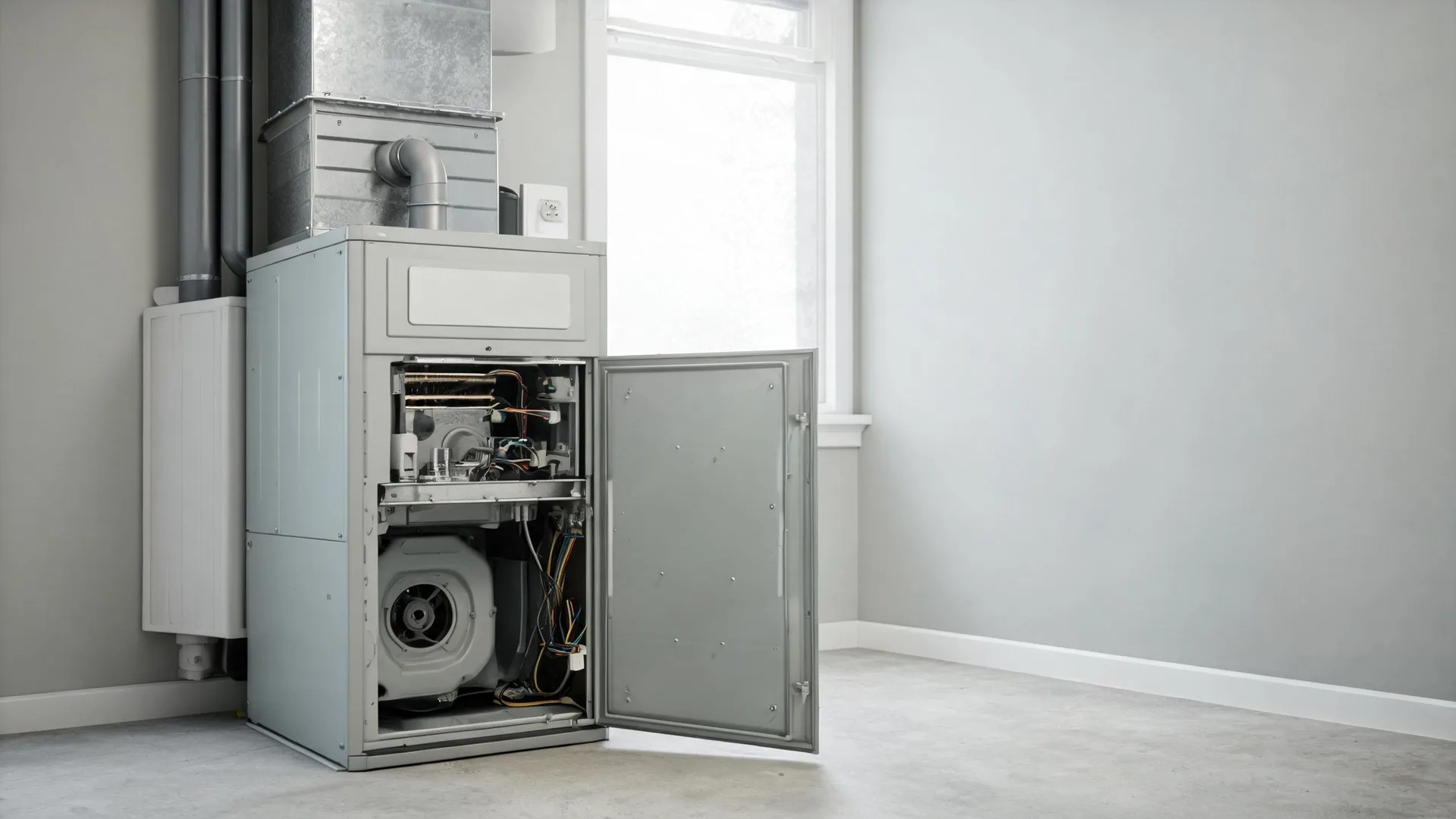
Short cycling, where the furnace fires up and shuts off again within a few minutes, usually points to the furnace overheating and tripping its limit switch. A dirty filter restricting airflow is one common cause. A blower motor that's lost strength, or a flame sensor giving a bad reading, can cause the same pattern. It's worth having someone trace which of those it actually is instead of assuming.

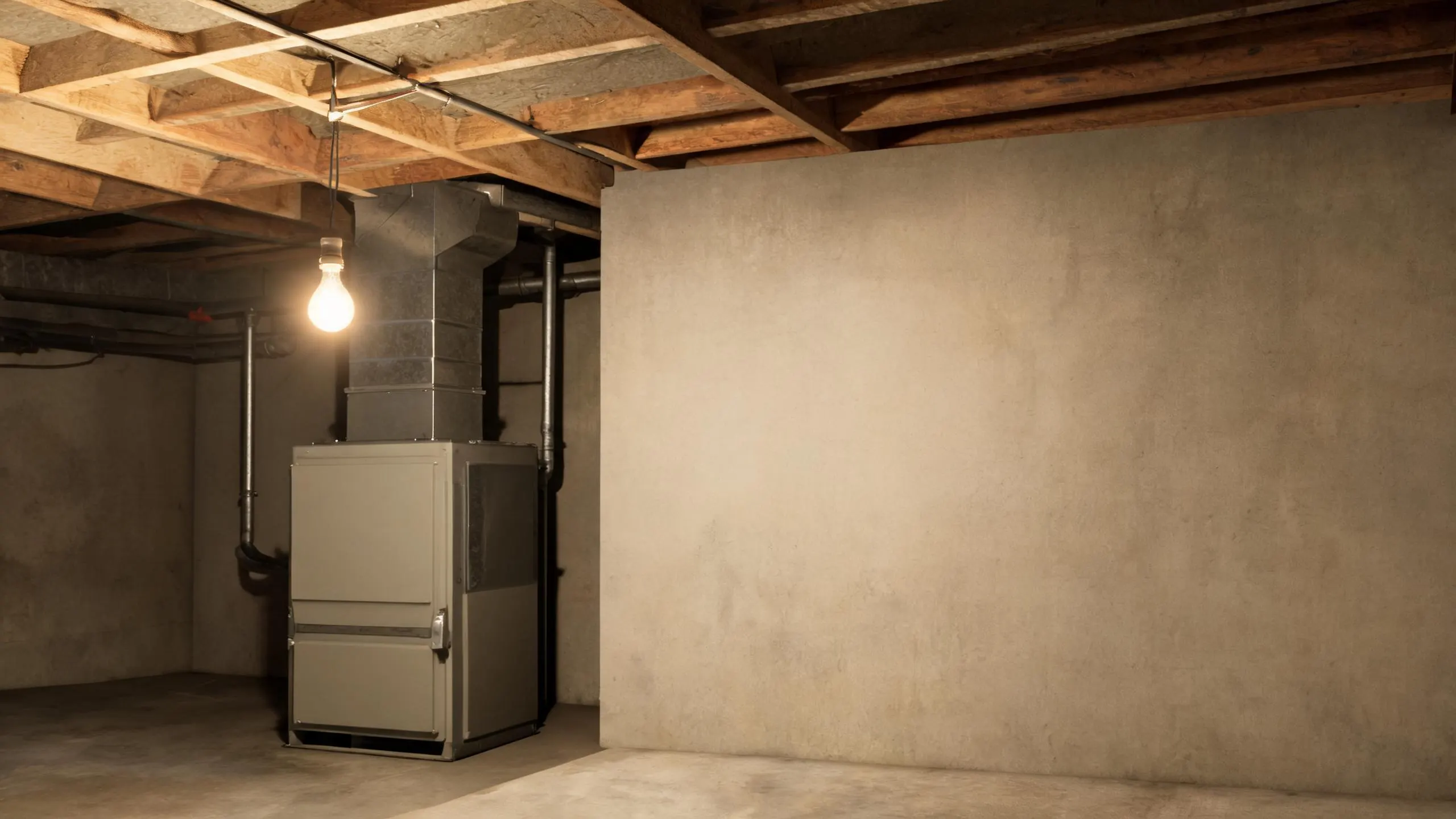
A gray forced-air furnace with metal ductwork stands in an unfinished basement with exposed wooden joists, concrete walls, and a single hanging light bulb.

A new furnace would cut about $140 a year off heating for a typical Vermilion County home.

  • A new high-efficiency furnace$530 a year
  • An older furnace$670 a year

Estimates for a typical Vermilion County home, compared with an older unit built to the previous federal minimum, from EIA household energy data, Illinois fuel prices and NOAA climate normals. Your home will differ.

Repair makes sense when one part has failed and the heat exchanger is sound.

Replacement makes sense when the heat exchanger is cracked or the furnace keeps needing parts.

At some point a repair stops being the cheaper option, even if the part itself is inexpensive. Age is part of that math, but so is what breaks. A failed capacitor or a bad flame sensor is routine, the kind of thing that gets fixed and forgotten. A cracked heat exchanger is different. That part isn't usually sold on its own, and replacing it can mean most of the cost of a new furnace anyway, so a tech will often tell you straight that putting the money toward a new unit makes more sense. The other thing worth asking about is how many repairs this furnace has already needed. One failure is a repair. A furnace that's had three different parts go in a few years is a machine telling you it's done being reliable, even if each fix was small on its own.