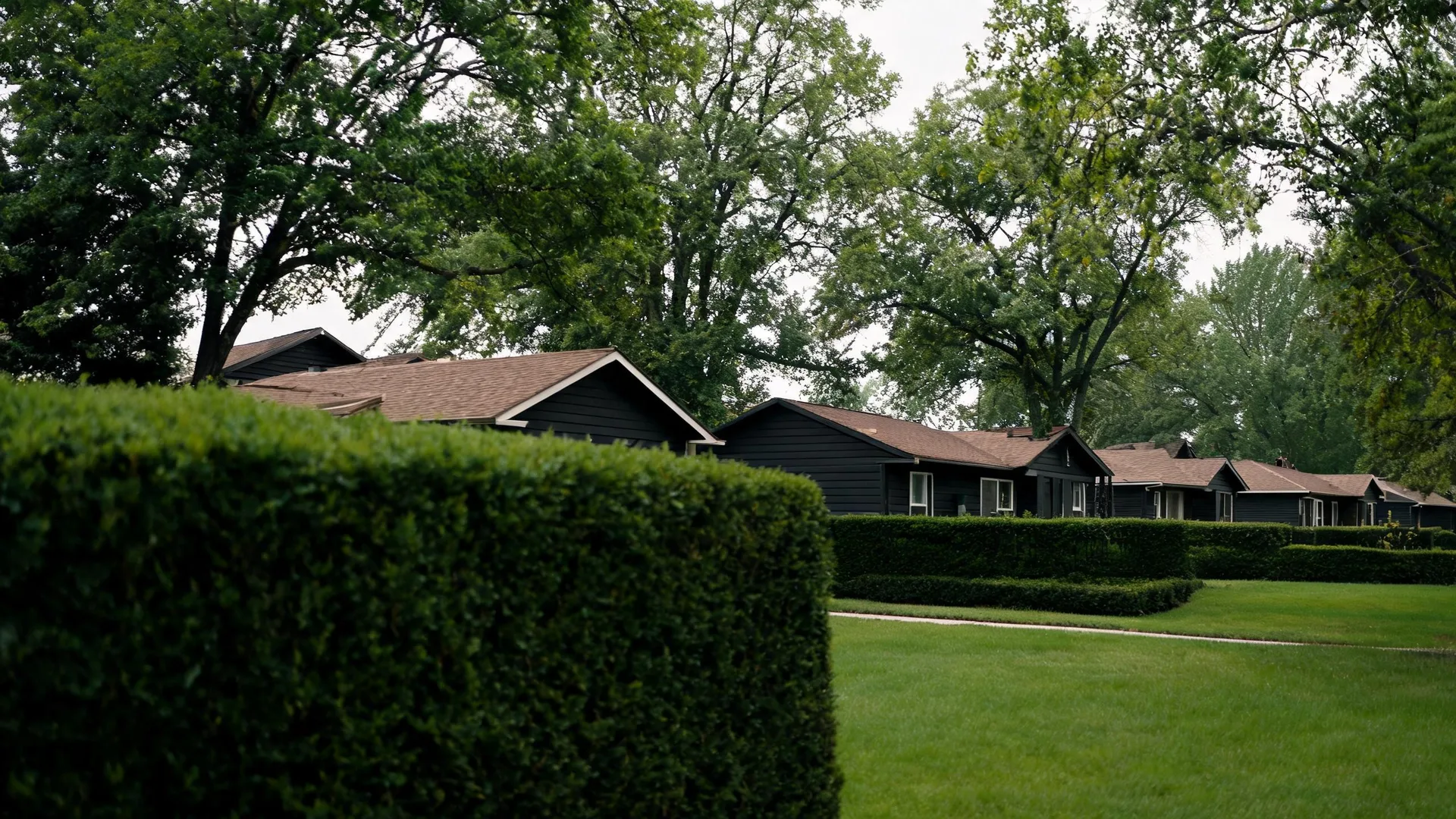
A row of dark-sided single-story cottages with brown shingled gable roofs behind trimmed hedges, mown lawn and a light-colored path, surrounded by large deciduous trees under an overcast sky.

Furnace Repair in Champaign, IL

Tell us about the job

Takes about a minute. No obligation.

Step 1 of 3: Equipment

Storms come through often here

Champaign County saw 317 severe weather events between 2015 and 2024, including 223 damaging wind events and 70 hail events. Hail and wind-blown debris reach the outdoor parts of a heating and cooling system just as easily as the siding.

Power doesn't always come right back

About 16% of Illinois households went at least 24 hours without power in 2024. A furnace with no electricity won't fire, even one burning gas, since the igniter, blower and control board all need power to run.

8 months
October through May, your furnace is on duty
21°F
the average winter night it heats against
54%
of homes here heat with gas, so most furnaces here burn gas
11 winter storms
in ten years, the nights a failure hurts most
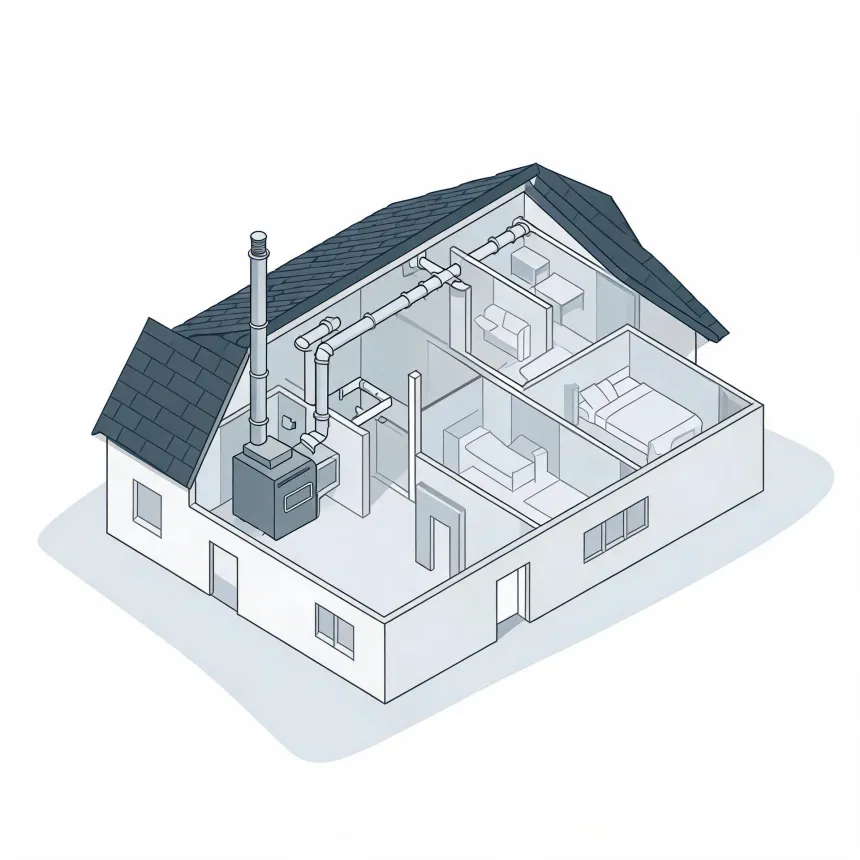
Isometric line illustration of a cutaway house showing interior rooms with furniture and a furnace with ducting and a flue pipe extending through the roof.
Your furnace works hardest from November through March.

NOAA nClimDiv, 1991–2020 normals

Furnace trouble here tends to show up in October, the first cold snap after months of sitting idle.

A weak igniter or a cracked heat exchanger that made it through last winter often fails the moment the furnace has to run hard again.

Half the homes here were built in 1981 or later, and the furnace in one is usually worth fixing

Half the homes here were built by 1981
Heat runs October through May
Winter nights average 21°F

If your furnace came with a newer build, call a repair tech before you call it quits on the unit. A furnace that age is usually still within its working life, and a failed igniter or control board is a part swap, not a reason to replace the whole system. Ask the tech what year the furnace itself was made, not just the house. If your home was built in 1981 or earlier, the same rule still applies, since plenty of older houses have had the furnace swapped out already.

If this storm season reached your furnace, get it looked at

A furnace that still fires can have a part weakened by this year's storms or by the outage that came with one. Have a tech check it now, before the next cold snap finds the weak part first.

Find a contractor
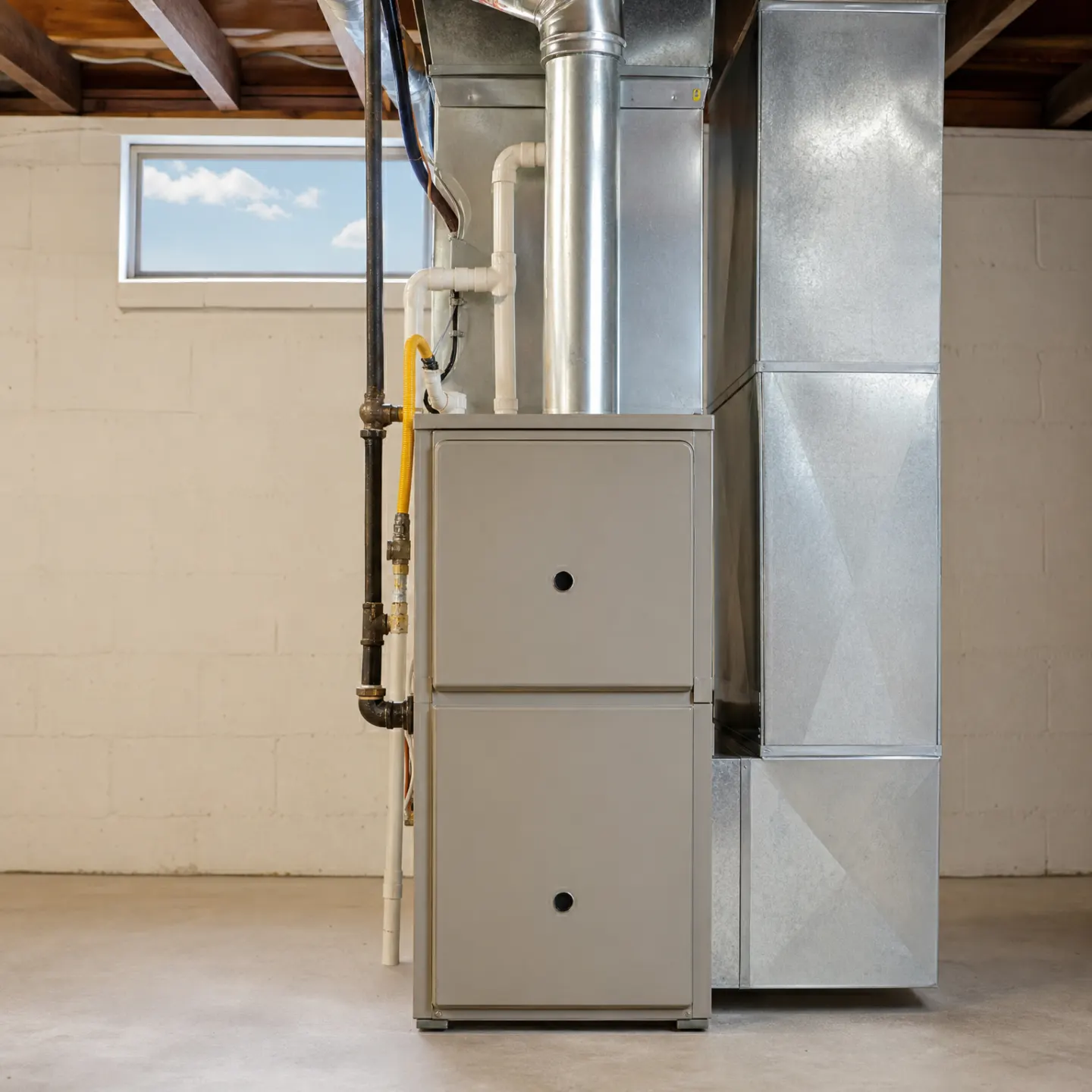
A gas furnace with attached ductwork, gas piping, and condensate lines installed in a concrete-block basement.

What actually gives out inside a furnace

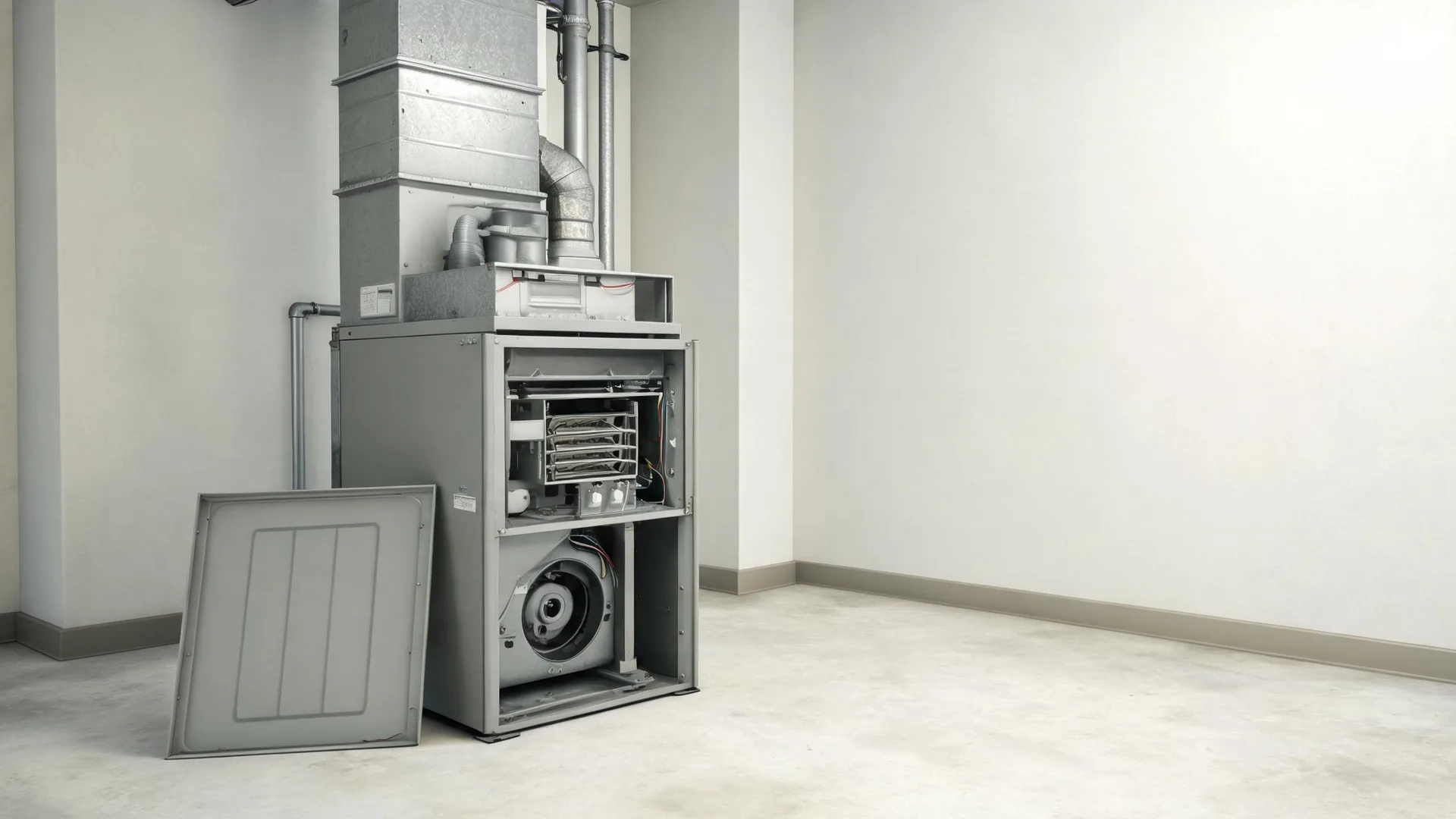
A furnace fails for a handful of reasons, and most of them show up in the same few parts. The igniter is the part that goes most often. It's a thin strip that heats up to light the gas, and it weakens a little every time it cycles, until one day it doesn't glow hot enough and the furnace won't light at all. The flame sensor is another common one. It's a small rod that tells the control board a flame is actually burning. Soot builds up on it over time, the board stops getting a clean signal, and the furnace shuts itself off as a safety measure even though the burner is fine. The blower motor wears out from straight use, the bearings go, and you'll hear it before anything stops working: a grinding or squealing that gets worse by the week. The draft inducer motor pulls exhaust out of the heat exchanger before the burners are allowed to fire, and when it sticks or fails, the furnace won't start at all. The heat exchanger itself is the part that matters most. It cracks from years of heating and cooling with every cycle, and a cracked exchanger is a safety issue, not just a performance one, because it can let exhaust mix into the air the blower pushes through the house. None of these fail because a furnace is old on paper. They fail from cycling, from dust, from a safety switch doing its job. A furnace that won't start, won't stay lit, or is making a new noise is telling you which of these parts is already going.

A flickering flame can crack a heat exchanger

If the burner isn't lighting clean, a furnace that keeps firing anyway puts uneven heat on the same spot on the heat exchanger over and over. That's how a hairline crack starts. Shutting it down and getting it looked at stops the stress before it becomes a crack.

A struggling blower motor usually doesn't fail gently

A motor that squeals or grinds is already running on worn bearings. Keep it running and it tends to seize rather than slow down, and a seized blower can take the limit switch or the control board with it. Catching it at the noisy stage is a motor replacement. Catching it after is more.

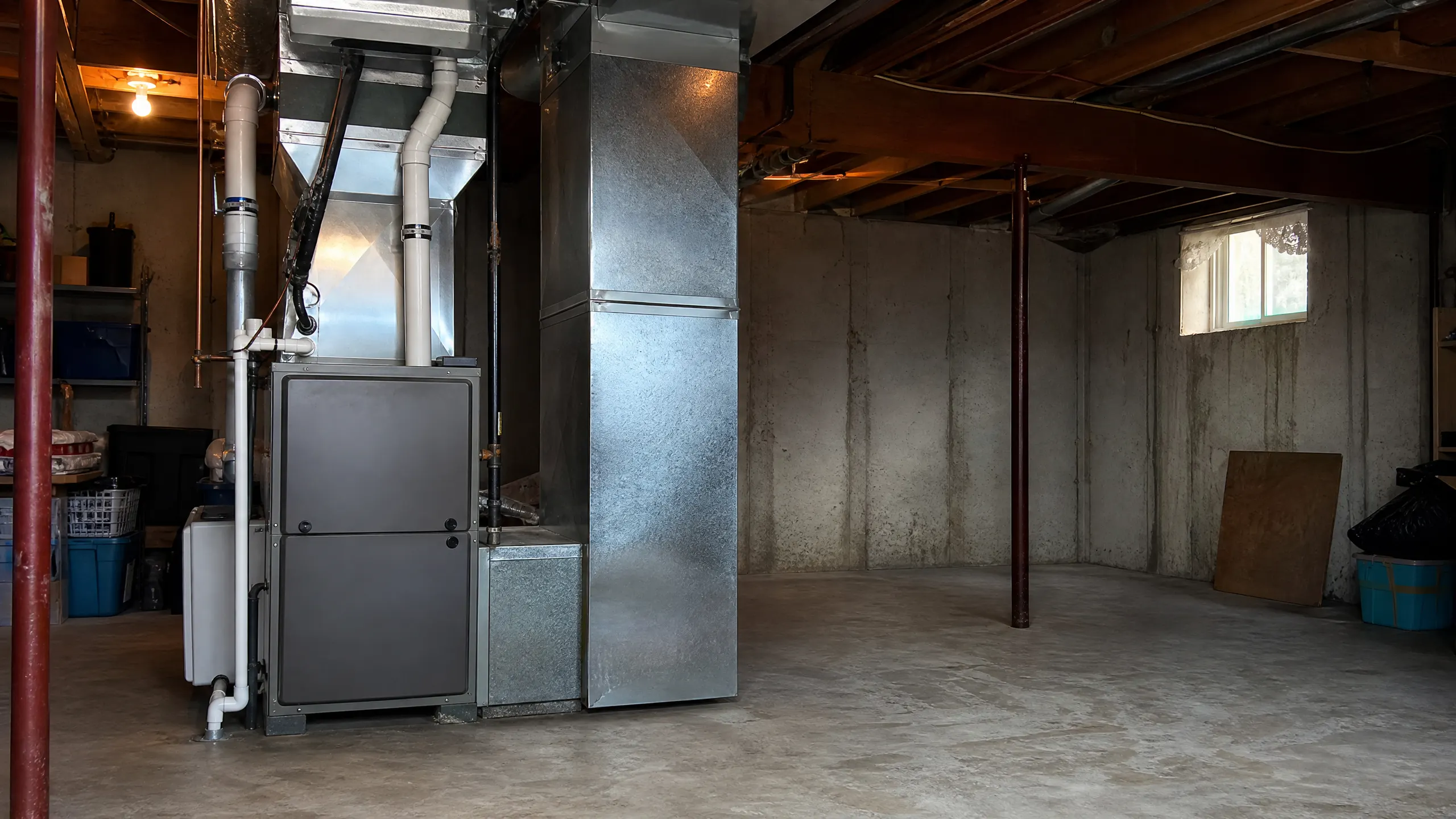
A gas furnace and sheet-metal air handler unit installed in an unfinished concrete basement.

A new furnace would cut about $130 a year off heating for a typical Champaign County home.

  • A new high-efficiency furnace$530 a year
  • An older furnace$660 a year

Estimates for a typical Champaign County home, compared with an older unit built to the previous federal minimum, from EIA household energy data, Illinois fuel prices and NOAA climate normals. Your home will differ.

Repair makes sense when one part has failed and the heat exchanger is sound.

Replacement makes sense when the heat exchanger is cracked or the furnace keeps needing parts.

A diagnostic call starts with the tech asking what the furnace is doing, or not doing, before they open anything up. Does it try to light and fail, run for a minute and shut off, or stay dark entirely. That alone narrows down which part is likely at fault. From there the tech pulls the panel and checks the sequence a furnace goes through to fire: power to the board, the draft inducer spinning up, the igniter heating, gas opening, flame proving itself to the sensor. Whichever step breaks is where the problem is. A multimeter checks power and resistance on parts like the igniter and blower motor, since a part can look fine and still be dead inside. The heat exchanger gets inspected for cracks, because a furnace that's otherwise healthy still isn't safe to run with a cracked one. By the end the tech can usually point to the one part that's failing rather than guessing at the whole system.