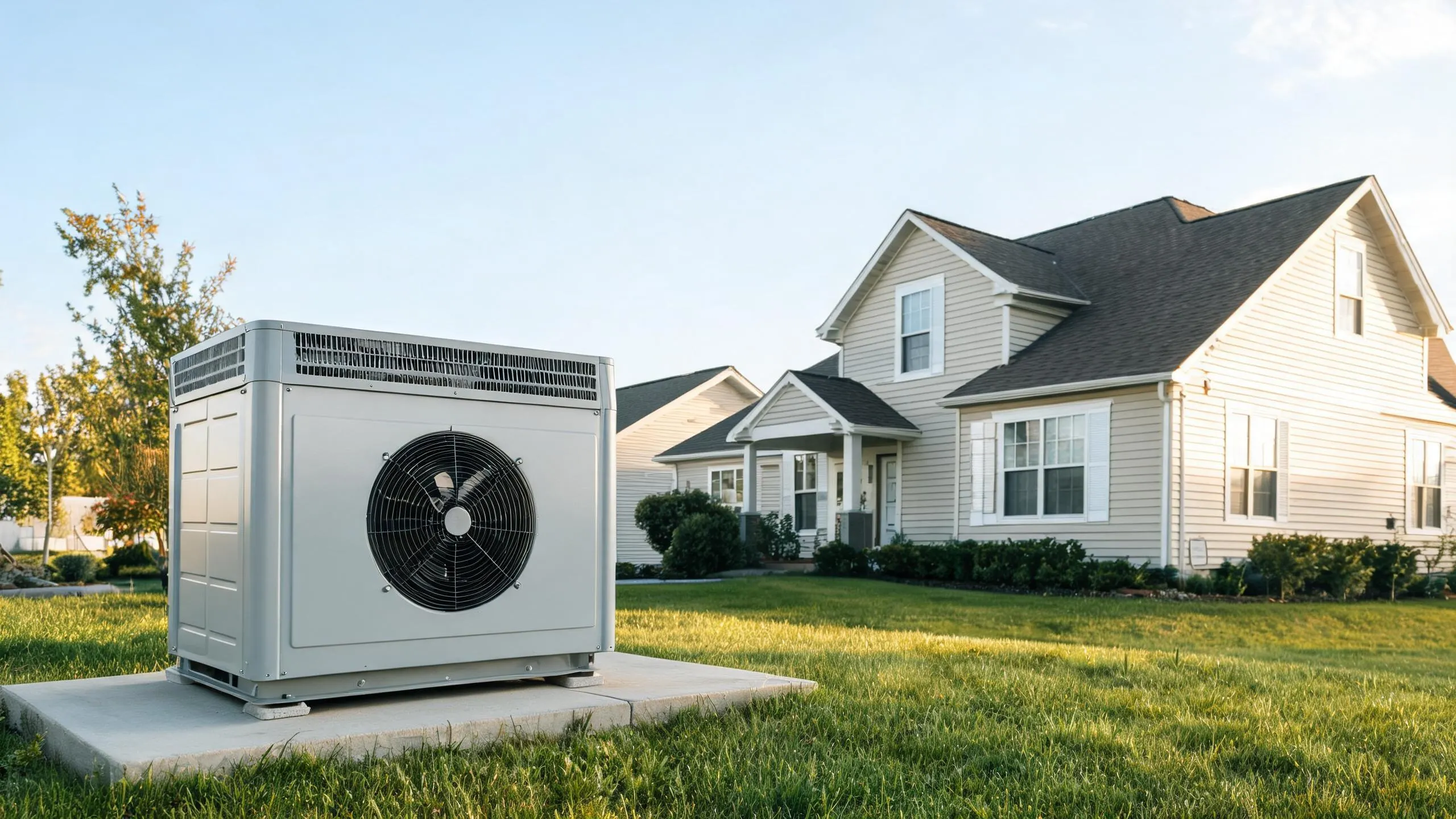



An outdoor heat pump unit mounted on a concrete pad in the front yard of a gray suburban house.

Heat Pump Installation in Danville, IL

Tell us about the job

Takes about a minute. No obligation.

Step 1 of 3: Equipment

Electricity in Vermilion County ran 17.81 cents per kilowatt-hour in 2025, more than most counties in the country pay. A heat pump runs on electricity for both heating and cooling, so that rate applies to the system year round. Two heat pumps can heat and cool the same house and land on very different bills, because efficiency ratings tell you how much electricity the unit needs to do the job. Where power costs this much, that difference shows up every month, not just on the install invoice.

8 months
October through May, your system heats
4 months
June through September, it cools
21°F
the average winter night it heats against
84°F
the average summer afternoon it cools against
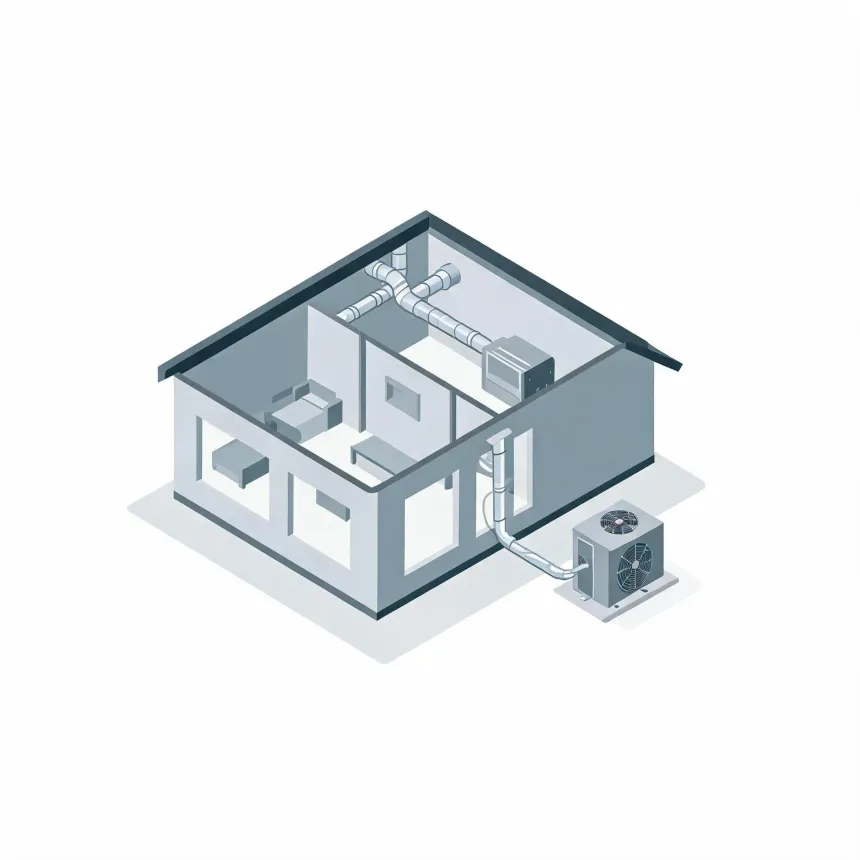
Isometric illustration of a cutaway house showing interior rooms, ceiling ductwork and an air handler, connected by lines to an outdoor condenser unit on a pad beside the building.
Your system heats October through May and cools June through September.

NOAA nClimDiv, 1991–2020 normals

Heat here runs October through May, eight months out of twelve.

Install before September ends and the new system is already proven before that first cold night.

Wind, hail and cold nights all land on the same outdoor unit

163 damaging wind events from 2015 to 2024
70 hail events from 2015 to 2024
Winter nights average 21°F

Vermilion County falls in climate zone 5A, a zone the federal government rates as cool and heating-dominated. Any split-system heat pump installed here, if manufactured from 2023 onward, has to meet a federal minimum: at least 14.3 Btu of cooling for every watt-hour it draws over the summer, and at least 7.5 Btu of heating for every watt-hour over the winter. That floor narrows what a contractor can legally install, regardless of budget. It also means the ratings on the unit are not marketing numbers. They are the baseline this climate requires before a system is allowed in the ground at all.

The efficiency rating you pick decides what shows up on your bill

Power here already costs more than most places pay. That makes the efficiency rating on the unit you choose part of the decision, not a detail to check later. Ask what SEER2 and HSPF2 numbers you're getting before you sign off, not after the install.

Find a contractor
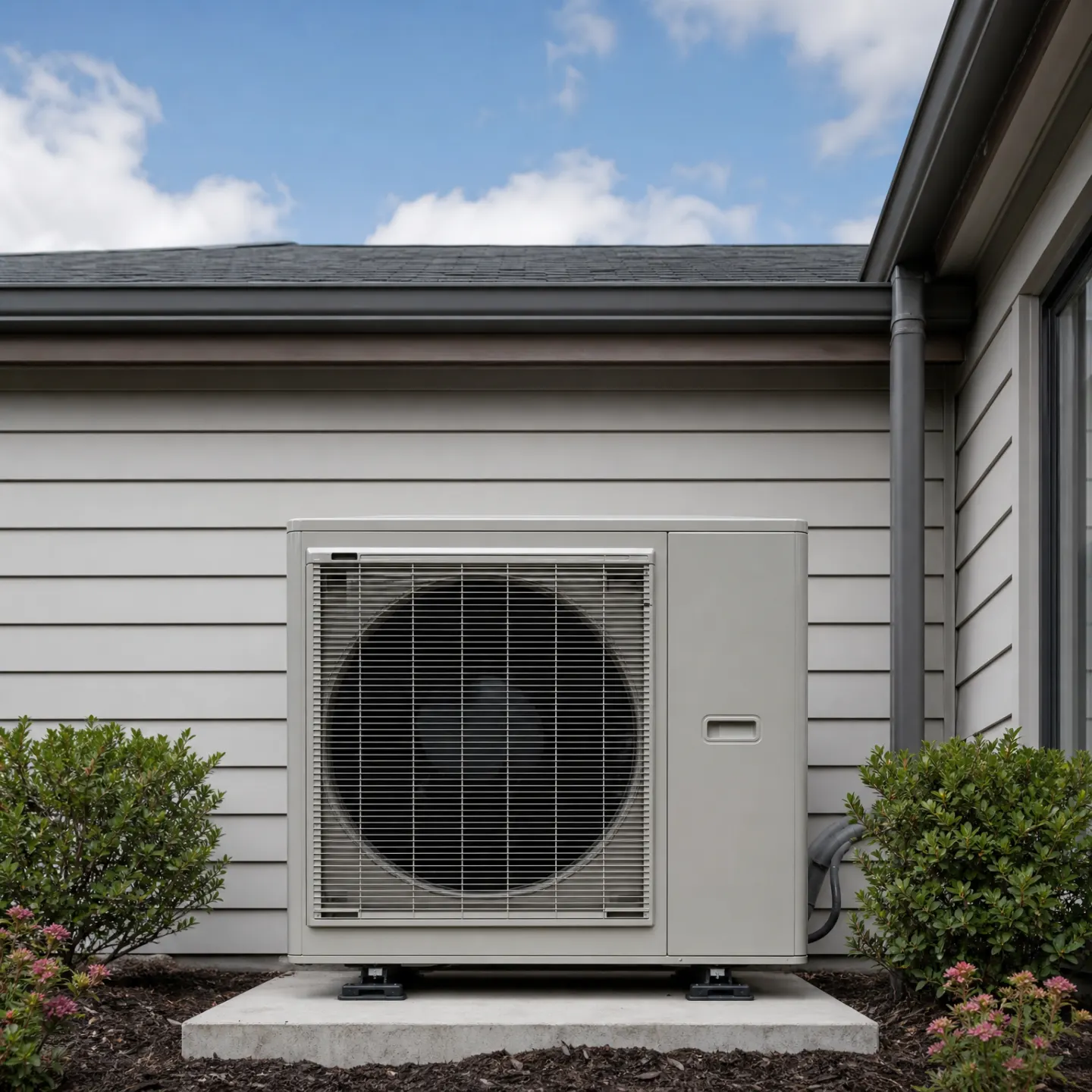
A gray heat pump condenser unit mounted on a concrete pad against the gray lap-siding exterior wall of a house.

This county's homes were mostly built before heat pumps were common

Half the homes in Vermilion County were built in 1957 or earlier. A house that age was almost never built with a heat pump in mind, and whatever is moving air through it now, ductwork, returns, the spot where the old equipment sat, was sized for a different kind of system. A heat pump moves a different volume of air than a gas furnace or a straight air conditioner. Installing one in a house this old means checking that what's already there can carry what the new unit needs to push. Skip that step and the system you paid for can't deliver the rating on its sticker.

The old unit doesn't just get unplugged

A contractor has to recover the refrigerant from the old system before any of it comes apart. That gas can't legally be vented into the air, so it gets pulled out with a recovery machine and stored. Only after that's done can the lines get disconnected and the outdoor unit, indoor coil and old refrigerant lines come out.
What's underneath gets a hard look

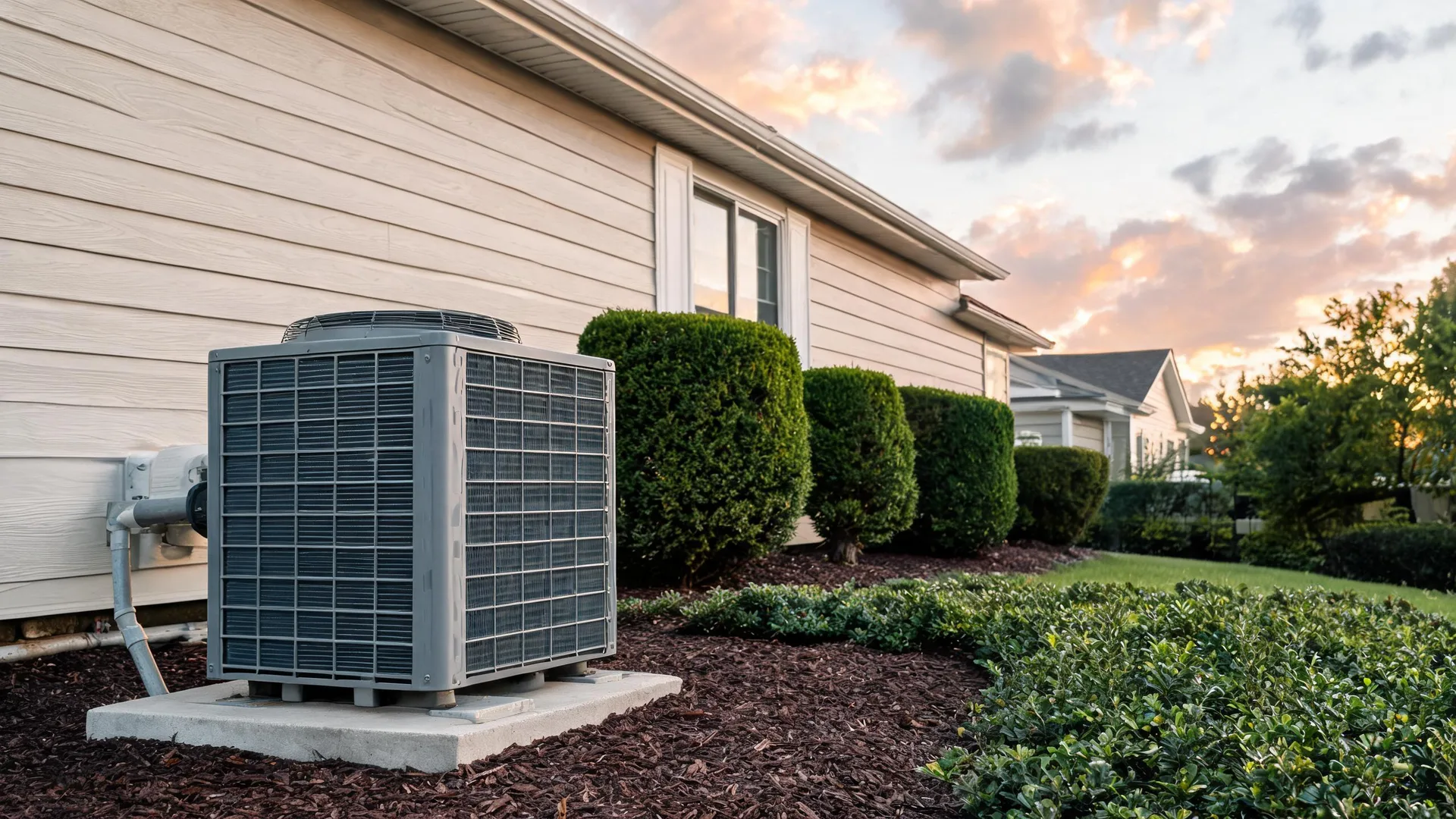
Pulling the old equipment means seeing the pad, the electrical whip, and the line set for the first time in years. A cracked pad or undersized disconnect that got overlooked during the old system's lifetime won't get reused just because it's there. Whatever replaces it has to match what the new heat pump actually needs to run.

SEER2 tells you how much cooling a heat pump squeezes out of each unit of electricity, and HSPF2 does the same for heating. Higher numbers mean less electricity for the same amount of comfort. The rating on the label is tested under set conditions, so it's a way to compare one unit against another, not a promise of what your bill will say. Two homes running the same model can still see different results depending on ductwork, how the thermostat gets used, and whether the system was sized right for the house. A unit that's too big for the space cycles on and off more than it should, and that short cycling wastes power no matter what the sticker claims. The rating is the starting point. What the installer does with sizing and setup decides how close you get to it.

Vermilion County recorded 250 severe weather events between 2015 and 2024, counting wind, hail, tornadoes and winter storms. Damaging wind hit the county 163 times in that span, and hail another 70 times. That matters for a heat pump because the outdoor unit sits outside year round, taking whatever comes through the yard. It needs a clear spot, away from falling branches and drifting snow, and some thought given to how it's protected. Outages matter too. Nearly one in six Illinois households went at least a day without power in 2024, and a heat pump without power heats, cools and makes hot water for no one. Worth asking what backup options exist before the old system comes out, not after a storm knocks the new one offline.