Gas is the common fuel here
Just over half of homes in Macoupin County heat with utility gas. Another fifth use bottled or LP gas, so gas furnaces of one kind or another are what most homes already have.
Takes about a minute. No obligation.
Just over half of homes in Macoupin County heat with utility gas. Another fifth use bottled or LP gas, so gas furnaces of one kind or another are what most homes already have.
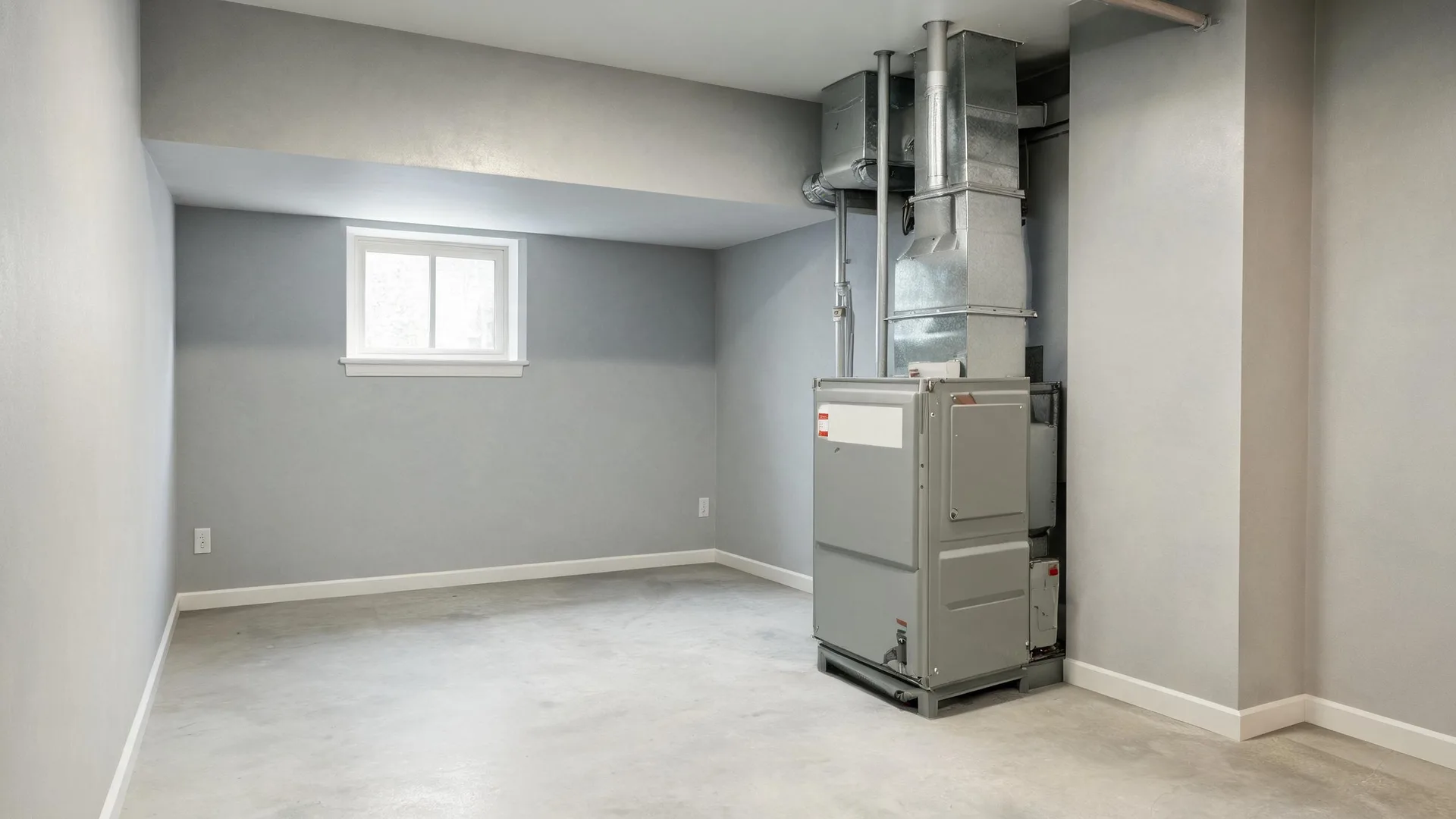
If your house already has a gas line run to a furnace, putting in a new gas furnace means connecting to what is already there. You're not adding fuel service or rewiring the home to switch to something it was never set up for.
NOAA nClimDiv, 1991–2020 normals
Natural gas ran $10.64 per million Btu in Illinois in 2024.
A high-efficiency furnace costs more to buy and takes longer to earn that back, so pick the one that fits your house, not just the one with the best rating.




Macoupin County falls in climate zone 4A, which asks real work of a furnace through the winter here. Any gas furnace installed now has to meet 80 percent AFUE, the federal floor for non-weatherized furnaces. That floor is set to rise to 95 percent AFUE, but not until furnaces built in 2028, so what goes in today only has to clear the current rule. There's also a federal tax credit for furnaces that beat that minimum, worth asking a contractor about while you're comparing models.
Heat here starts in October and runs through April, seven months straight. September is the last easy month to put in a new furnace, before the weather asks anything of it. Install on that schedule and the first cold night is just another night it runs, not a test.
Find a contractorHalf the homes in Macoupin County were built in 1966 or earlier. A furnace going into one of them has to work with what that house already has, the duct layout and gas line that are already in place, not a layout picked to match the furnace. Ask the contractor to check your ductwork and venting against the model you're picking, rather than sizing by the old unit alone.
The number on the label tells you how much of the gas it burns turns into heat for the house, and how much goes out the flue vent. A furnace rated higher wastes less gas doing the same job. It says nothing about how big a house it can heat or how evenly, so a high rating on a furnace that's the wrong size for the house still leaves rooms uneven.
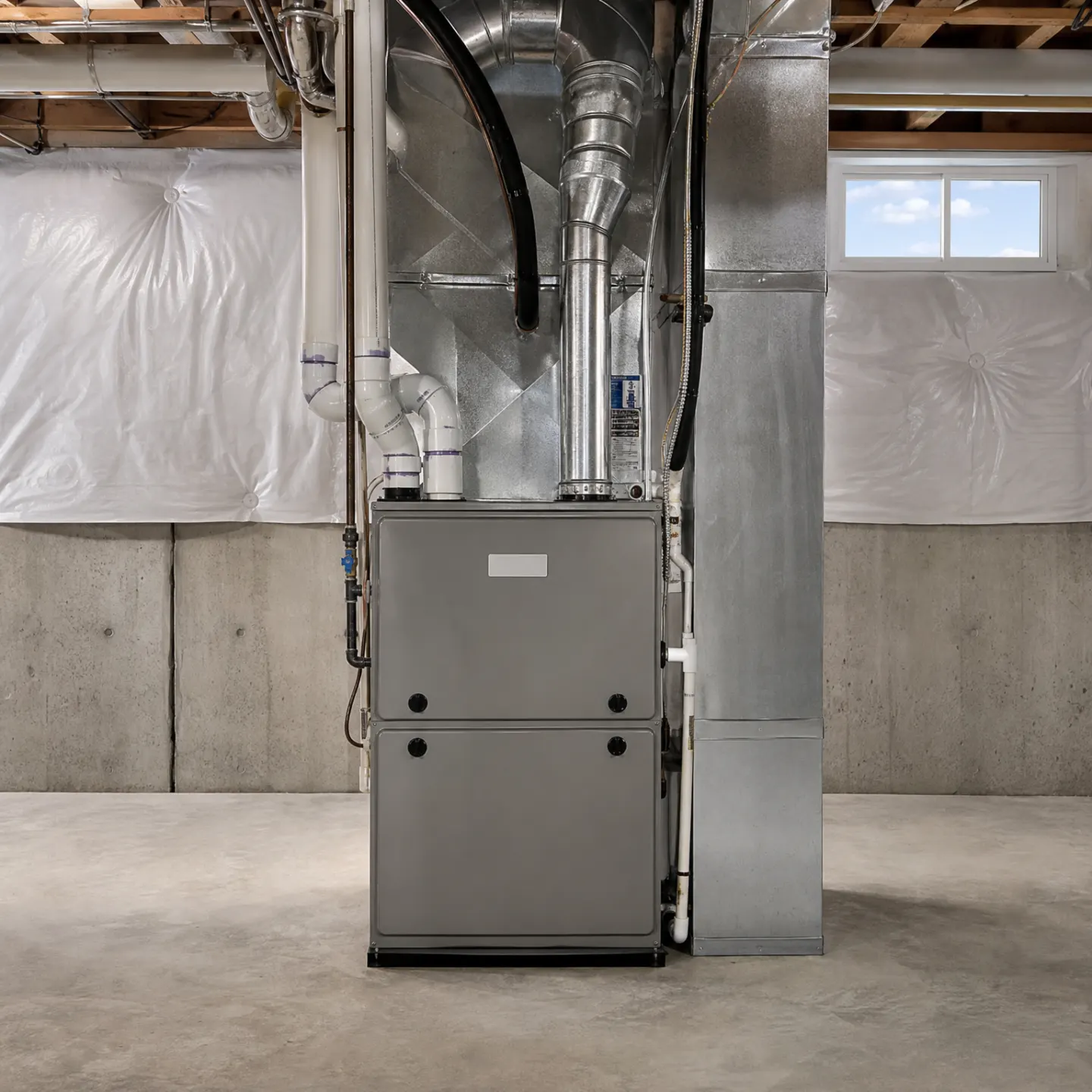
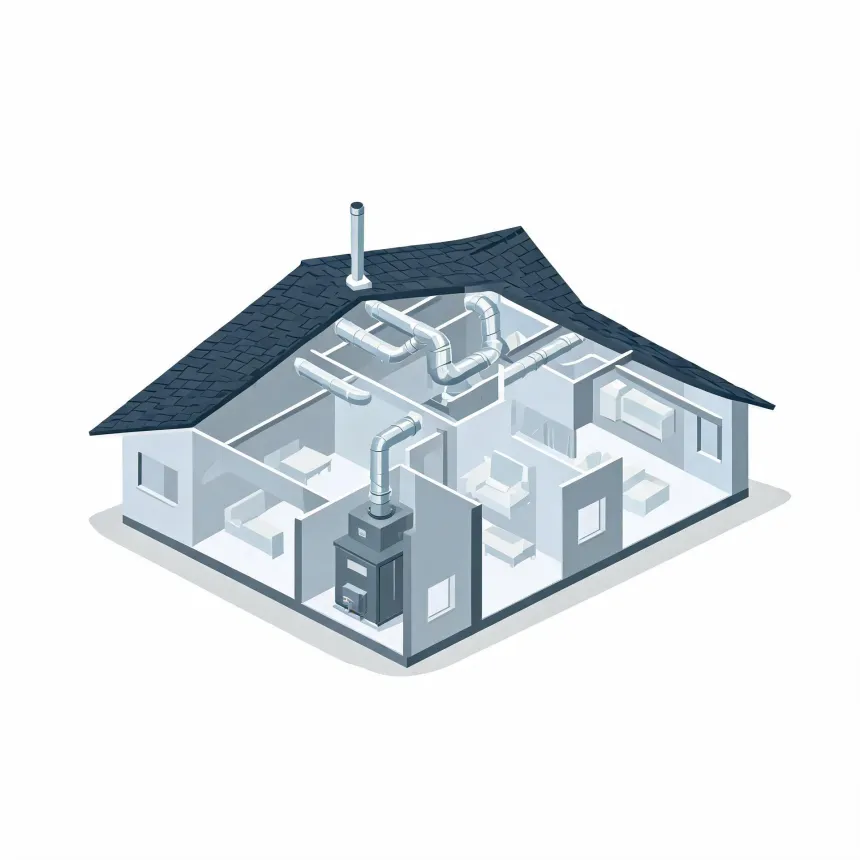
A furnace earns its AFUE rating in a lab, running with a duct system and venting sized for it. Put a high-efficiency furnace on ductwork or venting built for an older, lower-rated model, and it won't perform the way the label promises. The contractor sizing the install should be checking the whole path the air and exhaust take, not just swapping the box.
Estimates for a typical Macoupin County home, from EIA household energy data, Illinois fuel prices and NOAA climate normals. Your home will differ.
Installation day starts with the old furnace coming out, along with whatever venting and gas line connections don't carry over to the new one. The contractor runs a gas leak check before anything else gets connected, because that line has to be sound before a flame ever touches it. Ductwork gets connected to the new furnace, and the vent pipe gets run to wherever it needs to exit the house, sized and sloped to match what the new unit requires. Once it's wired in and the gas is on, the contractor fires it up and lets it run through a full cycle, checking the flame, the temperature rise, and the airflow at the vents. A combustion analyzer checks the exhaust to confirm it's burning clean. Before they leave, the furnace should be cycling on its own, the thermostat should be talking to it correctly, and someone should walk you through the filter and the shutoff.