



Three illuminated two-story brick houses on a tree-lined residential street photographed at twilight, with warm window light and landscape uplighting visible against a deep blue evening sky.

Furnace Installation in Waukegan, IL

Tell us about the job

Takes about a minute. No obligation.

Step 1 of 3: Equipment

Gas heats 83.2% of the homes in Lake County, which is most of them. Electricity accounts for 14.7%, and LP gas covers another 1.3%. If your old furnace ran on gas, replacing it with another gas furnace is usually the straightforward move, since the gas line, the vent and the setup are already there. A contractor can confirm what your home has to work with before quoting anything else.

8 months
October through May, your furnace is on duty
19°F
the average winter night it heats against
83%
of homes here heat with gas, so most furnaces here burn gas
80% AFUE
the federal minimum any new unit must meet
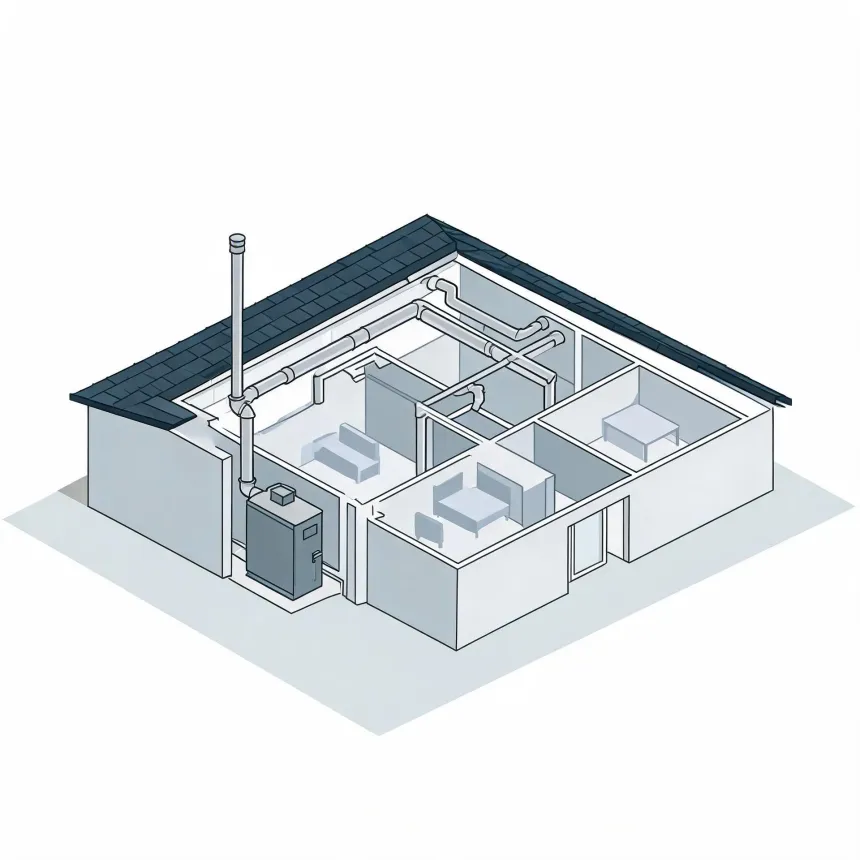
Isometric line illustration of a cutaway single-story house showing interior rooms with furniture, ceiling ductwork, and an exterior furnace unit with a tall flue pipe.
Your furnace works hardest from November through March.

NOAA nClimDiv, 1991–2020 normals

Furnaces in Waukegan run about eight months a year, October through May.

A furnace running eight months a year needs the right size from the start, not whatever fits the budget.

A standard furnace is built for nights like these

Heat runs October through May
Winter nights average 19°F
Climate zone 5A
Eight months of work aheadHeat runs October through May here. September is the month to have a new furnace in place.

Ask what size the quote is based on. A proper contractor measures the house room by room and runs a load calculation, not a guess based on the old unit. Ask about the stages, too. Some furnaces only run on full blast or off, others ease into a lower flame and only ramp up when it's cold enough to need it. Ask what the warranty covers, the parts or the labor too, and for how long. And ask who's actually doing the install, since a sloppy duct connection or a poorly sealed vent can undo a good furnace fast.

Zone 5A sets the minimum. Get a system that clears it.

Any furnace installed here now has to hit 80 percent AFUE at minimum, and come 2028 that floor jumps to 95 percent. A federal tax credit is available for qualifying high-efficiency equipment. A contractor can walk you through what qualifies before you settle on a system.

Find a contractor
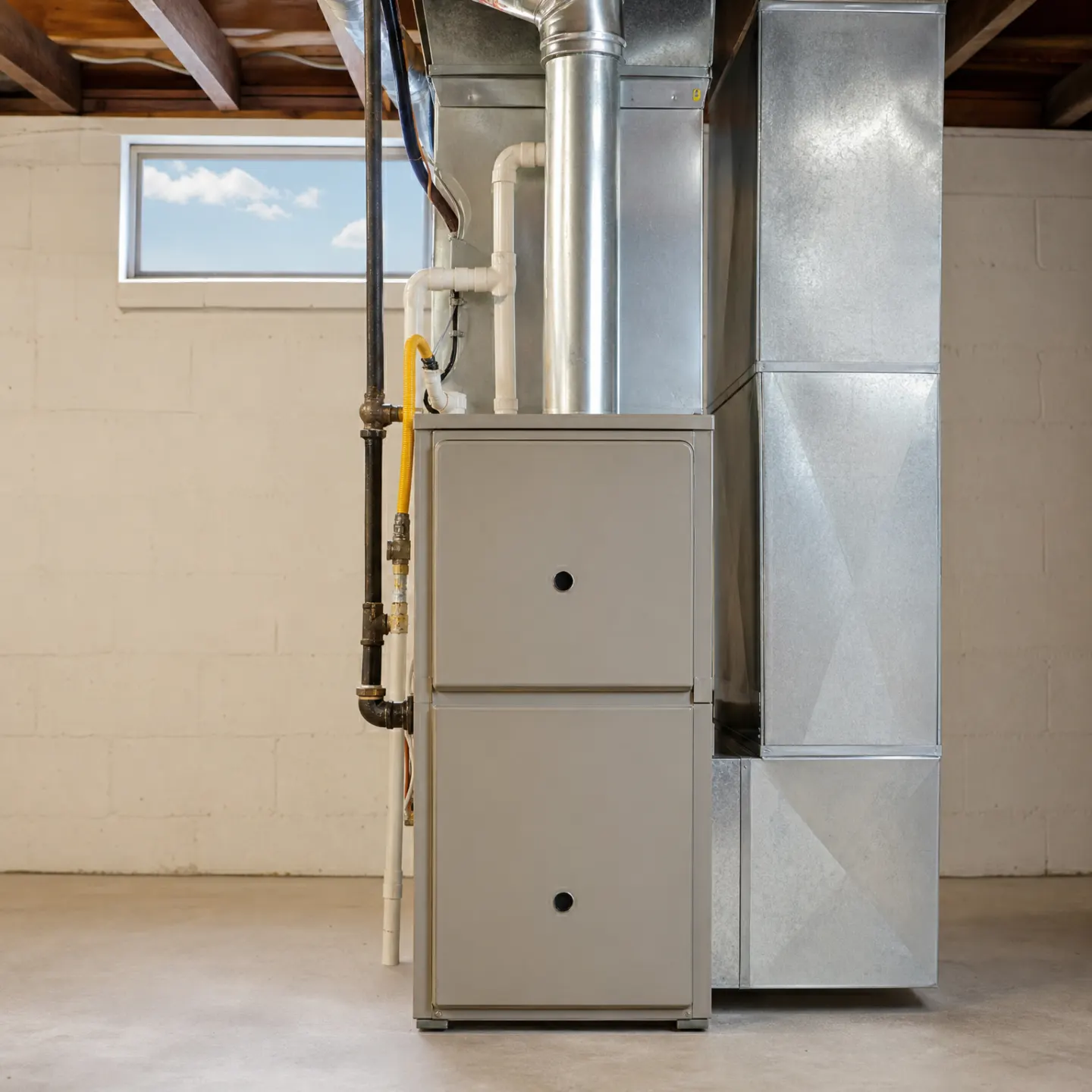
A gas furnace with attached ductwork, gas piping, and condensate lines installed in a concrete-block basement.

Eight months isn't the forgiving kind of workload

Count the overnight lows too. December through February average 19°F here, and the furnace is what stands between that and a comfortable house. An undersized unit run this hard all winter will come up short exactly when you need it most, then wear out trying to catch up. Get the load calculation done and size it to the house, not to what the old furnace happened to be.

The size of the furnace sets the price

A bigger furnace costs more to buy, plain and simple. But the right size isn't the biggest one available, it's the one the load calculation says the house needs. Going a size up because it sounds safer just means paying more for a furnace that short cycles and wears out its parts faster.

What's already there changes the job

If the vent, the gas line and the ductwork already match what the new furnace needs, the install is mostly a swap. If the new furnace needs a different vent type, or the ductwork has to be resized to handle the airflow, that's extra work beyond the unit itself. A contractor can tell you which situation you're in before quoting the job.

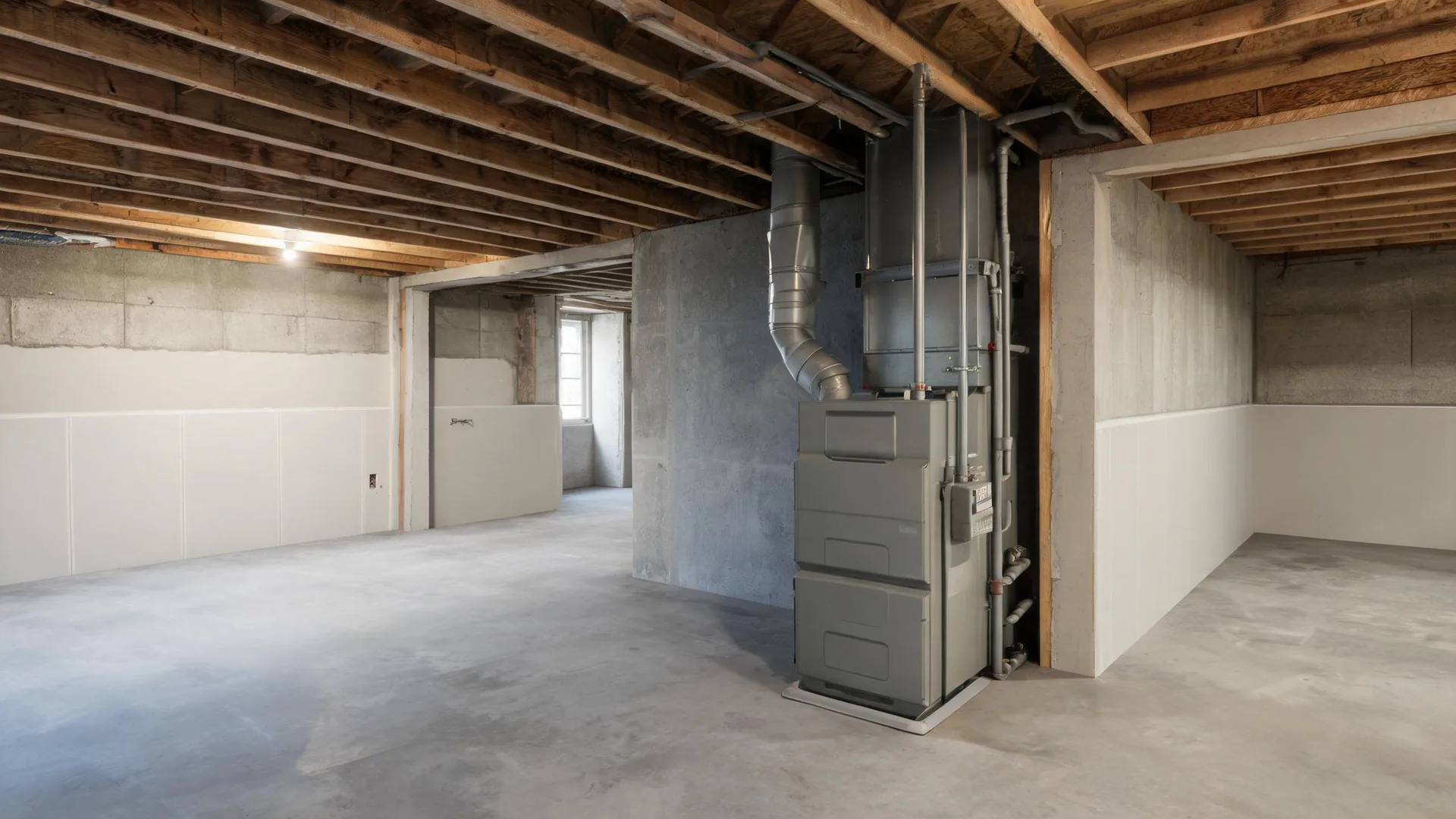
A gas furnace and sheet-metal air handler unit installed in an unfinished concrete basement.

A high-efficiency gas furnace would save about $130 a year to run in Lake County compared with a gas furnace.

  • A high-efficiency gas furnace$620 a year
  • A gas furnace$750 a year

Estimates for a typical Lake County home, from EIA household energy data, Illinois fuel prices and NOAA climate normals. Your home will differ.

Installation day starts with the old furnace coming out, along with the old vent pipe if it doesn't match what the new unit needs. The gas line gets connected, the vent gets run, and the ductwork ties into the plenum. Once it's wired up, the contractor fires it up and checks the flame, then tests the pressures and temperatures to make sure it's burning the way it should. Airflow gets checked at the registers, since a furnace can be sized right and still underperform if the ducts can't move enough air. Before anyone leaves, the system should run through a full cycle, heat up, hit the thermostat setting, and shut back down on its own.