
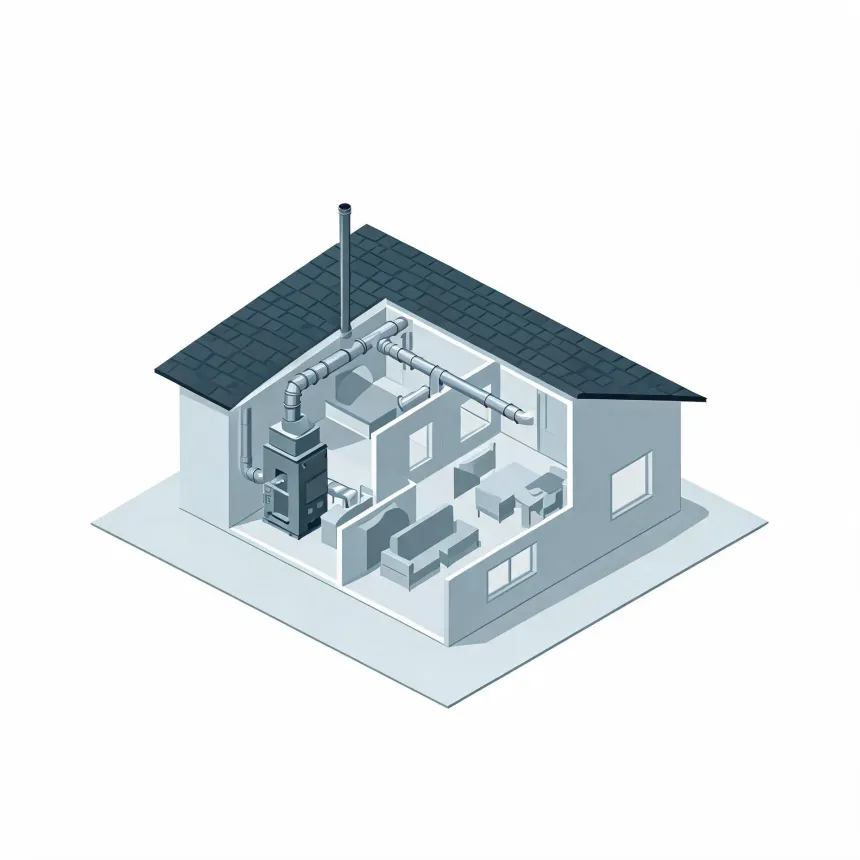



An unfinished basement interior showing a gray furnace unit beneath a bare incandescent bulb, surrounded by exposed joists, concrete walls, cardboard boxes, and utility pipes.

Furnace Repair in Waukegan, IL

Tell us about the job

Takes about a minute. No obligation.

Step 1 of 3: Equipment

Furnaces in Lake County run about eight months a year, October through May. That is most of the calendar spent cycling on and off, heating a house against real cold. An igniter or a blower motor doing that much work wears down faster than the same part would in a place with a short, mild winter. So when a furnace here starts short cycling, or the blower runs but no heat comes out, it is often just the system reaching the end of what that part could take. Getting the actual cause found, rather than guessed at, is what makes a repair hold up for the rest of the season.

8 months
October through May, your furnace is on duty
19°F
the average winter night it heats against
83%
of homes here heat with gas, so most furnaces here burn gas
20 winter storms
in ten years, the nights a failure hurts most
Isometric cutaway illustration of a single-story house with a dark shingled roof, showing a furnace with a flue pipe and branching ductwork running through interior rooms furnished with a sofa, table and chairs.
Your furnace works hardest from November through March.

NOAA nClimDiv, 1991–2020 normals

October is when furnaces here start up after sitting idle since spring.

A weak part that made it through last winter often fails in the first cold week of this one.

Half the homes here were built since 1983, so the furnace may be newer than the wear suggests

Half the homes here were built by 1983
Heat runs October through May
Winter nights average 19°F

A furnace that needs a repair now and then is just doing what furnaces do. Parts wear and get replaced, and the system keeps going. What changes the math is when the same unit starts asking for attention over and over, or when the part failing is the heat exchanger rather than something like a flame sensor or a draft inducer. A cracked heat exchanger is a safety issue, not a tune-up item, and it usually means the furnace is done. Age matters too, not as a number but as a pattern: a furnace near the end of its expected life that needs a second or third repair in close succession is telling you something different than one that has been reliable for years and trips up once. A tech who finds the actual cause can tell you which situation you're in, and whether the next repair is likely to be the last one or just the first of several.

Get the cause found, not just the symptom treated

A furnace that runs eight months a year does not get much time to rest before the next cold stretch asks something of it again. When a part is already worn down, that is when it gives out. Finding the actual cause now is what keeps one repair from turning into three.

Find a contractor
A man in a dark shirt and work boots carries a canvas tool bag filled with tools up wooden porch steps toward a navy blue front door of a shingled house, with a potted shrub to the right.
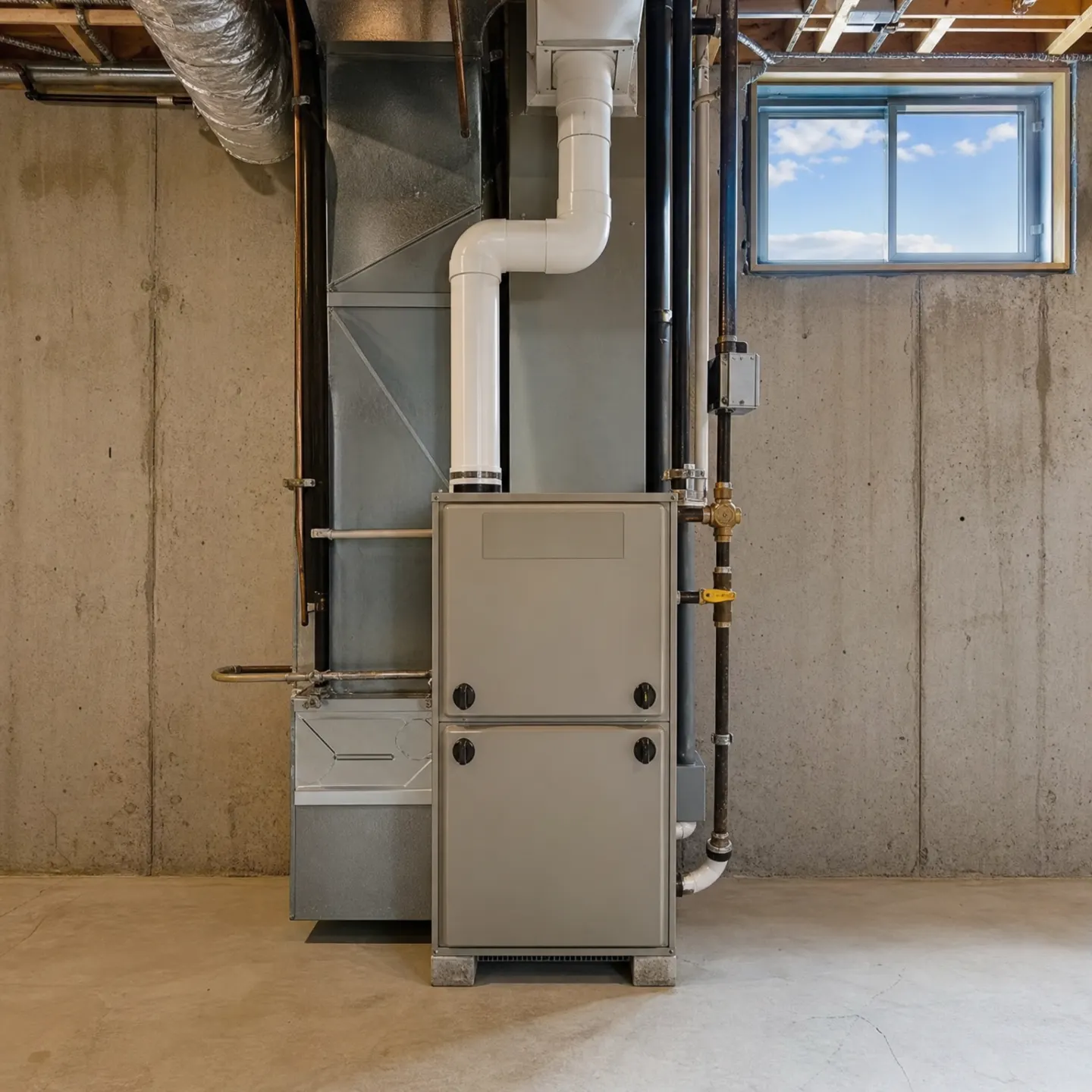
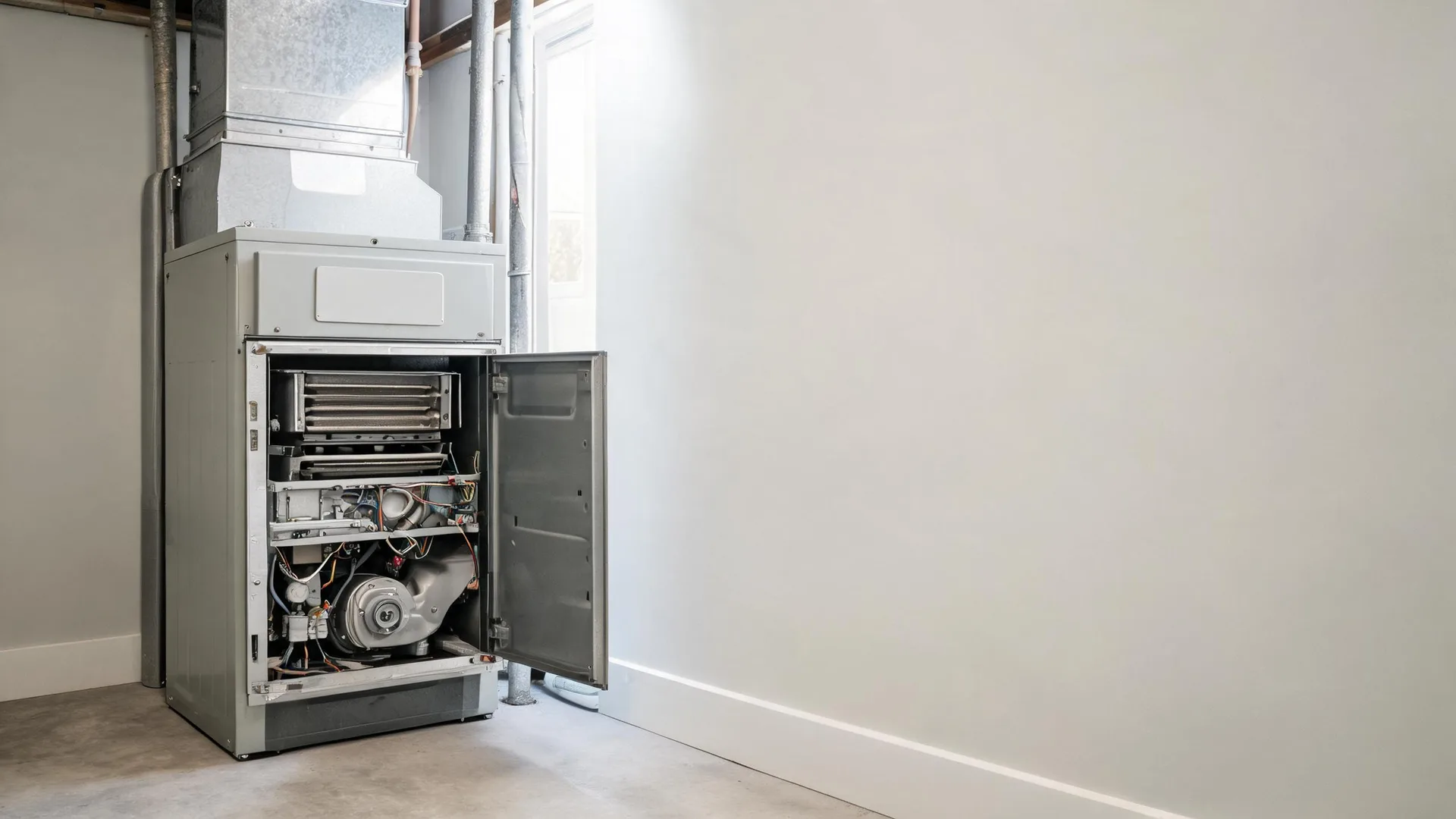
A gray gas furnace with attached ductwork and piping installed in an unfinished concrete basement.

What a failing furnace sounds and feels like before it quits

A furnace gives warning before it quits outright. Heat that feels weaker than it used to, or a thermostat that reads the right temperature while the air coming out feels cool, points to a problem with the burners or a failing blower. A burner flame that burns yellow instead of blue means it isn't burning clean, and that's worth a call regardless of anything else going on. Rattling, booming at startup, or a screech from the blower are all sounds a healthy furnace doesn't make. So is a furnace that short cycles, turning on and off every few minutes instead of running a full heating cycle. A furnace that runs constantly without shutting off at all is just as telling, usually a sign it can't keep up with what the thermostat is asking for. Any smell of gas means getting out of the house and calling the gas company before calling anyone else. None of these signs mean the same thing every time, but none of them are normal either.

Most failures start with wear, not defects

An igniter loses its ability to glow hot enough to light the gas. A capacitor weakens and can no longer give the blower motor the kick it needs to start. A flame sensor coats with a thin film and stops sensing the flame it's supposed to confirm. None of these fail all at once. They weaken a little with every cycle until one day they don't do the job.
The part that fails tells you what kind of repair this is

A bad igniter or flame sensor is a straightforward swap, and the furnace runs the same as before once it's in. A failing blower motor or inducer motor costs more and takes longer, but still ends with a working furnace. A cracked heat exchanger is different. That part isn't meant to be replaced on its own, and finding a crack there usually means talking about the whole unit, not just the one part.

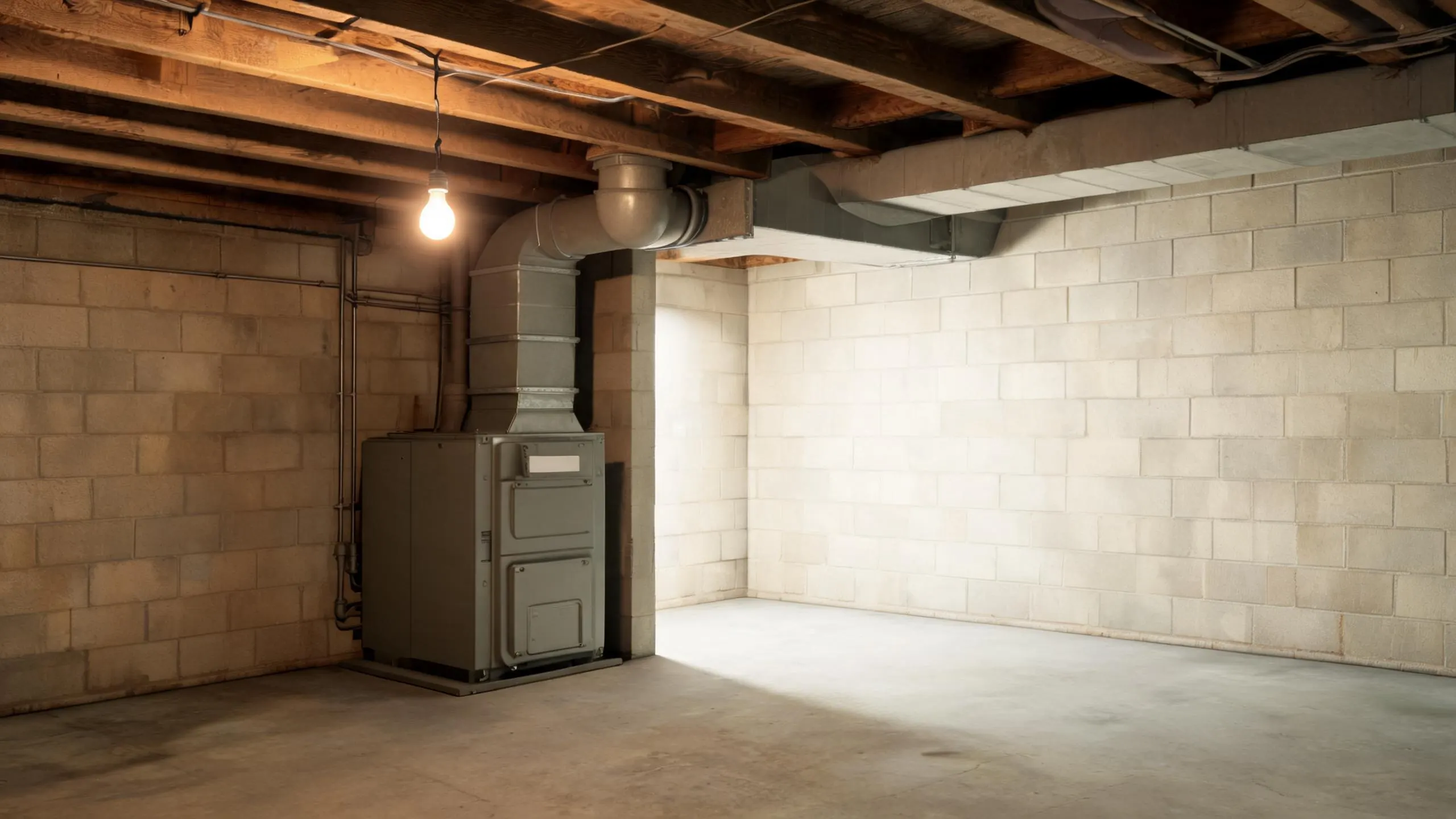
An empty unfinished basement containing a forced-air furnace with overhead ductwork, exposed ceiling joists, and a single hanging light bulb.

A new furnace would cut about $150 a year off heating for a typical Lake County home.

  • A new high-efficiency furnace$620 a year
  • An older furnace$770 a year

Estimates for a typical Lake County home, compared with an older unit built to the previous federal minimum, from EIA household energy data, Illinois fuel prices and NOAA climate normals. Your home will differ.

Repair makes sense when one part has failed and the heat exchanger is sound.

Replacement makes sense when the heat exchanger is cracked or the furnace keeps needing parts.

A diagnostic visit starts before any panel comes off. A tech asks what the furnace was doing: short cycling, no heat, a strange smell, a sound that wasn't there before. Then the panel comes off and the tech watches it run through a full cycle, since some problems only show up once the blower kicks on or the burners have been firing for a few minutes. Voltage gets checked at the parts that commonly fail, the igniter, the flame sensor, the control board. Gas pressure and flame color get checked too, since a flame burning the wrong color points to a combustion problem rather than an electrical one. The goal is to find the part actually causing the symptom, not just the first worn part the tech happens to see.