



A lit brick residential street at dusk showing a row of two-story homes with covered porches and mature trees.

Furnace Maintenance in Waukegan, IL

Tell us about the job

Takes about a minute. No obligation.

Step 1 of 3: Equipment

Eight months of heat is a long stretch for one machine to carry. October through May, the furnace in a Waukegan home is the thing standing between the house and the cold, and it doesn't get much of a break in between. That kind of run time wears on parts that a furnace in a milder state might never stress at all. The igniter cycles more. The blower motor logs more hours. A small issue, a cracked igniter or a flame sensor losing its coating, shows up faster here because the furnace reaches for it so often. By the time most of the country is just starting to think about heat, a furnace here has already been at it for weeks.

Half the houses in Lake County were built in 1983 or later.

A furnace that age still has a lot of working life left, if it gets checked every year.

Nearly every furnace here runs on gas, which means a flame to check, not just a filter

83.2% of homes heat with gas
Climate zone 5A
Heat runs October through May
Heat Starts in October HereThe furnace comes on in October, so September is when to get it checked.

A yearly check matters most while a furnace still has years ahead of it. Catching a worn igniter or a cracked heat exchanger early is what keeps a newer system running the way it should, instead of letting small wear turn into a breakdown partway through winter. If your furnace came with the house, a tech can tell you during the visit roughly where it stands and what to expect from it going forward. That's harder to judge on your own, since nothing about a furnace's age shows from the outside. A unit that's only a few years old can still pick up wear fast here, given how often it runs, so the check isn't just for older systems.

A Furnace Working That Hard Needs a Yearly Check

A furnace here works eight months straight, October through May. A yearly check catches a worn igniter or a cracked flame sensor before it turns into a breakdown partway through that stretch.

Find a contractor
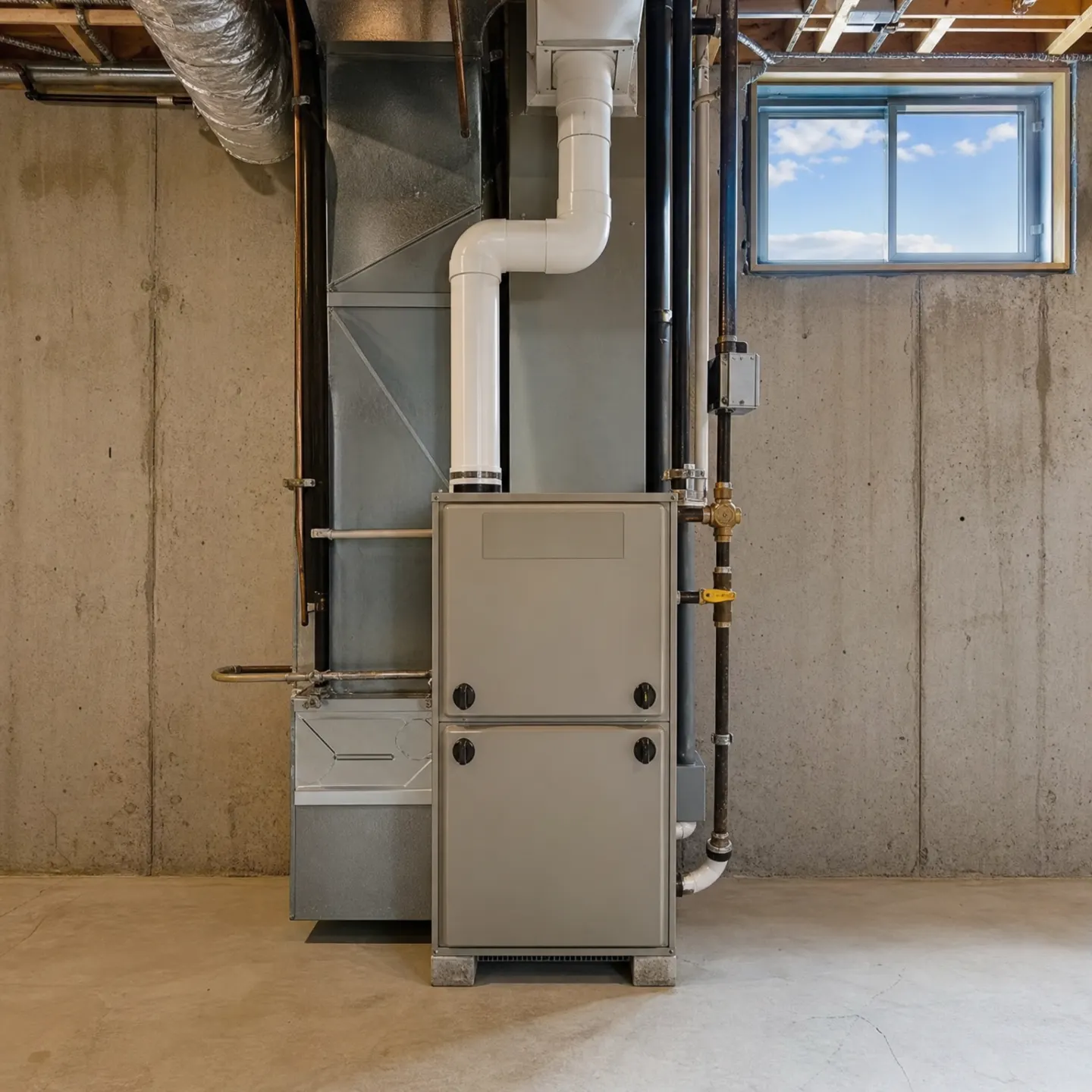
A gray gas furnace with attached ductwork and piping installed in an unfinished concrete basement.

Skip It and the Furnace Doesn't Tell You

Skip the yearly check and nothing fails right away. Dust sits on the burners and the flame goes from blue to yellow at the tips. A yellow flame burns dirtier and puts more soot on the heat exchanger than a clean one does. The blower wheel picks up a layer of dust too, and a dirty wheel moves less air even running at the same speed, so the furnace runs longer to heat the same rooms. A flame sensor loses its coating a little at a time. Early on the furnace just takes a second try to light. Left alone long enough, it won't light at all. None of this announces itself. The furnace keeps running, a little worse each month, until the day it doesn't.

What's Visible Isn't What Matters

Lift the panel and most of a furnace looks fine to the eye. The flame might burn steady, the blower might run quiet, and none of that tells you the heat exchanger is clear of cracks or the gas pressure is set right. A tech checks the flame color and shape up close, tests the pressure at the manifold, and pulls a reading on the vent to make sure exhaust is actually leaving the house. None of that shows up on a walk past the furnace in the hallway.
Why It Has To Be Caught Early

A cracked heat exchanger or a failing flame sensor doesn't announce itself with a bang. It shows up as a furnace that short cycles, or takes a few tries to light, or runs longer than it used to. By the time a homeowner notices one of those, the part has usually been wearing for a while. Finding it during a check means a swap on a slow afternoon instead of a no-heat call in the middle of a cold stretch.

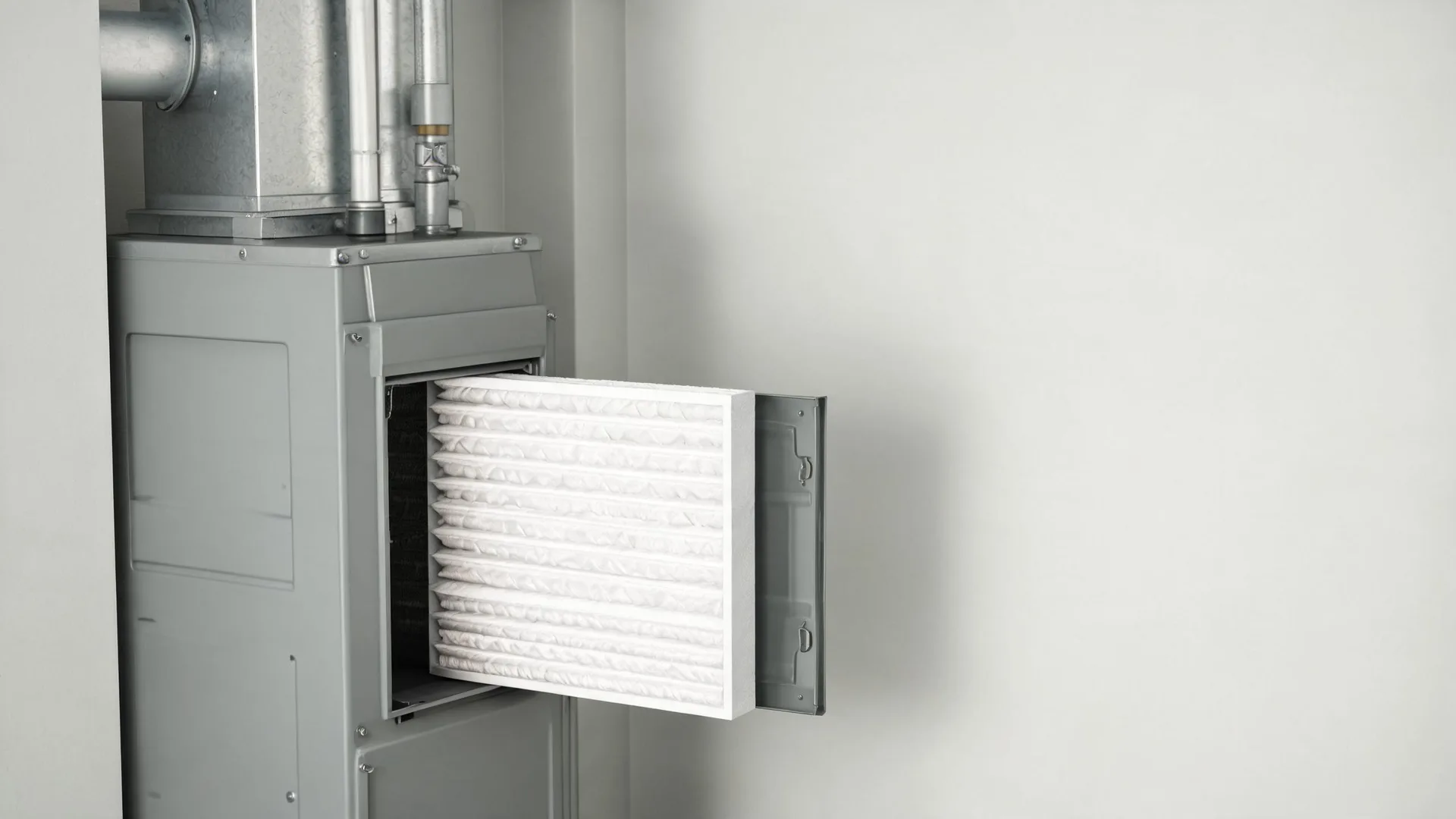
A thorough tune-up means the panel comes off. A tech checks the flame with the panel open, looks at its color and shape, and cleans the burners if they're dirty rather than just glancing at them. The flame sensor gets pulled and cleaned or swapped if it's worn, not just tested in place. Gas pressure gets checked at the manifold with a meter, not guessed from how the furnace sounds. The blower wheel gets inspected for dust buildup, and the inducer motor gets listened to for bearing noise. A quick visit skips most of this. Someone glances at the flame, checks the filter, and calls it done without ever pulling the sensor or metering the gas pressure. Both visits end with the furnace running. Only one of them tells you anything about what's about to go wrong.

Checking the heat exchanger is the part most people never think about, and it matters more than almost anything else on the list. It's the metal chamber that separates the flame from the air blowing into the house. A crack in it doesn't always smoke or smell. Sometimes the only clue is a flame that flickers or dances when the blower kicks on, because air is leaking into the chamber from the wrong place. A tech checks for that by watching the flame react when the blower starts, and by inspecting the exchanger itself with a light and a mirror where it can't be seen directly. Along with that, a full tune-up includes checking the safety controls, the limit switch that shuts the furnace off if it overheats, and the pressure switch that confirms the inducer motor is actually pulling exhaust before the gas valve opens. Those parts fail quietly too. A tune-up is the one time all year someone actually looks at them instead of waiting to see if they work.