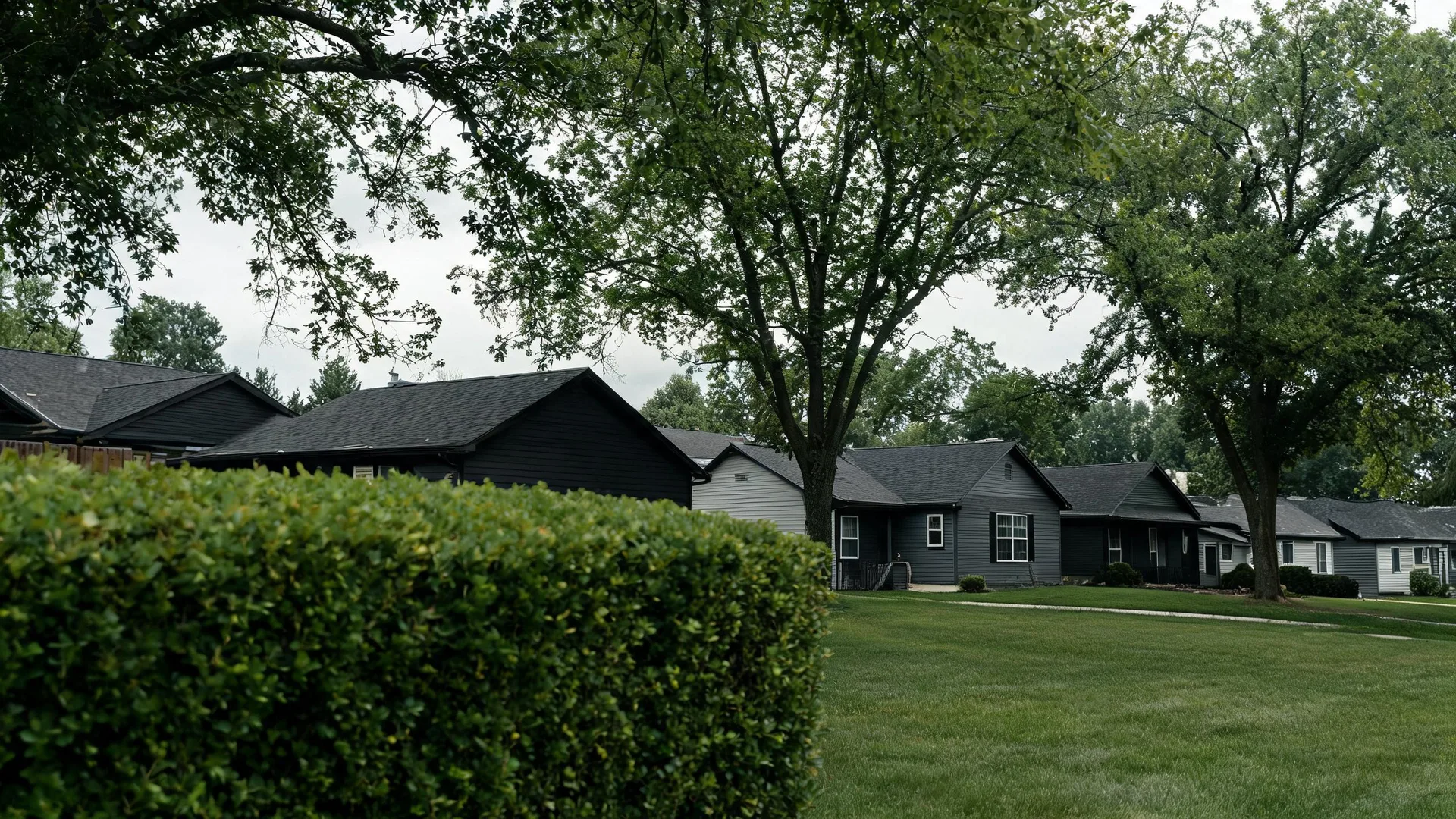



A row of single-story houses with dark siding and gray shingled roofs behind large deciduous trees, with a trimmed hedge in the left foreground and a mown lawn under an overcast sky.

Furnace Repair in West Frankfort, IL

Tell us about the job

Takes about a minute. No obligation.

Step 1 of 3: Equipment

Furnaces in West Frankfort run from October through April, about seven months straight. Overnight lows average 27 degrees across December, January and February, cold enough that a working furnace matters. None of that is hard on a furnace. It's a normal winter for a machine built to handle normal winters. So when a furnace here starts short cycling, won't light, or runs without heating the house, the cause is usually something a tech sees all the time. A dirty flame sensor. A failed igniter. A filter so clogged it chokes off airflow. Someone who knows the trade can usually track it down fast.

7 months
October through April, your furnace is on duty
27°F
the average winter night it heats against
11 winter storms
in ten years, the nights a failure hurts most
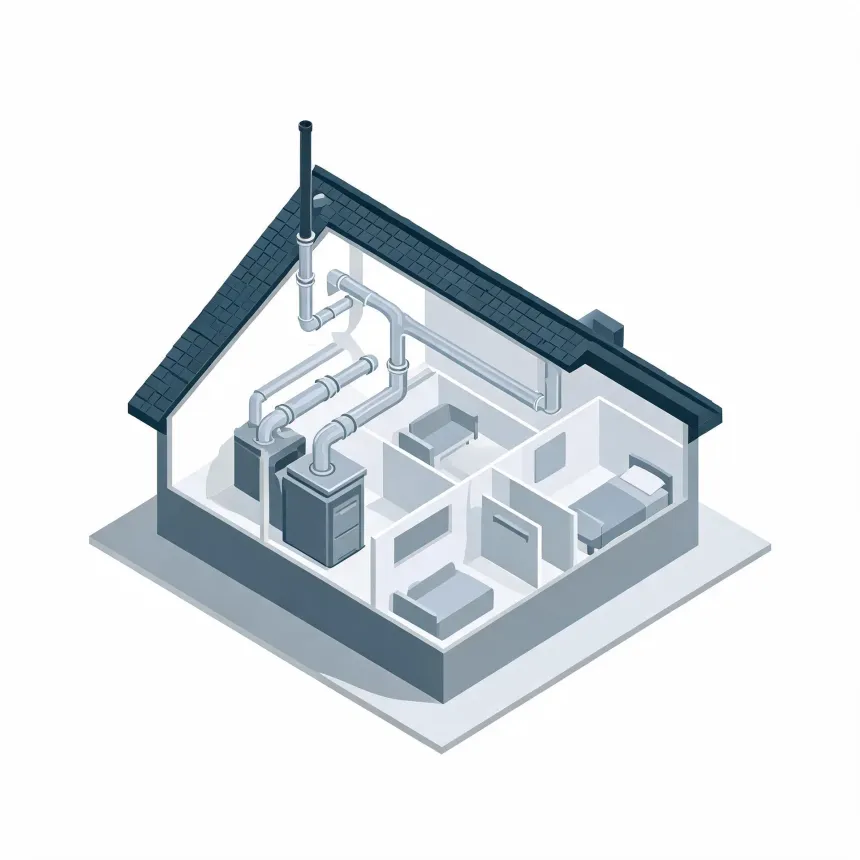
Isometric illustration of a cutaway house showing a furnace unit with ductwork and a flue pipe running through the interior rooms, which contain simple furniture.
Your furnace works hardest from November through March.

NOAA nClimDiv, 1991–2020 normals

Furnaces here start up in October after sitting idle since spring.

Whatever was already wearing out gets found in that first cold snap, so September is the month to catch it early.

If the furnace is original to the house, ask its age before signing off on a repair

Half the homes here were built by 1963
Heat runs October through April
Winter nights average 27°F
A bad furnace costs more hereIllinois electricity ran $46.51 per million Btu in 2024

Most furnace failures trace back to a handful of parts that wear out doing their job, not to anything unusual. An igniter glows hot every single cycle for years, and eventually that thin strip just gives out, the same way a light bulb goes eventually. A flame sensor sits right in the fire and slowly builds up a coating from normal combustion, until it can't tell the furnace a flame is there and the system shuts itself down as a safety step. Blower motors run on bearings, and bearings wear, so a motor that's been fine for years can start struggling without warning. Limit switches and pressure switches fail differently. They're not worn out, they're reacting to something else going wrong, airflow, a blocked vent, a draft problem, and shutting the furnace down before it causes harm. That's worth knowing because replacing the switch without finding what tripped it just brings the same problem back.

A furnace running badly here is running up your bill

A furnace that short cycles or struggles to heat the house still burns gas or power the whole time it's doing it. At $46.51 per million Btu, that adds up fast over a cold month. Getting the real cause found and fixed stops the waste, not just the symptom.

Find a contractor
A man in a cap, dusty dark shirt and work pants walks up stone steps toward a dark navy front door, carrying a worn canvas tool bag, with a potted shrub beside the entry.
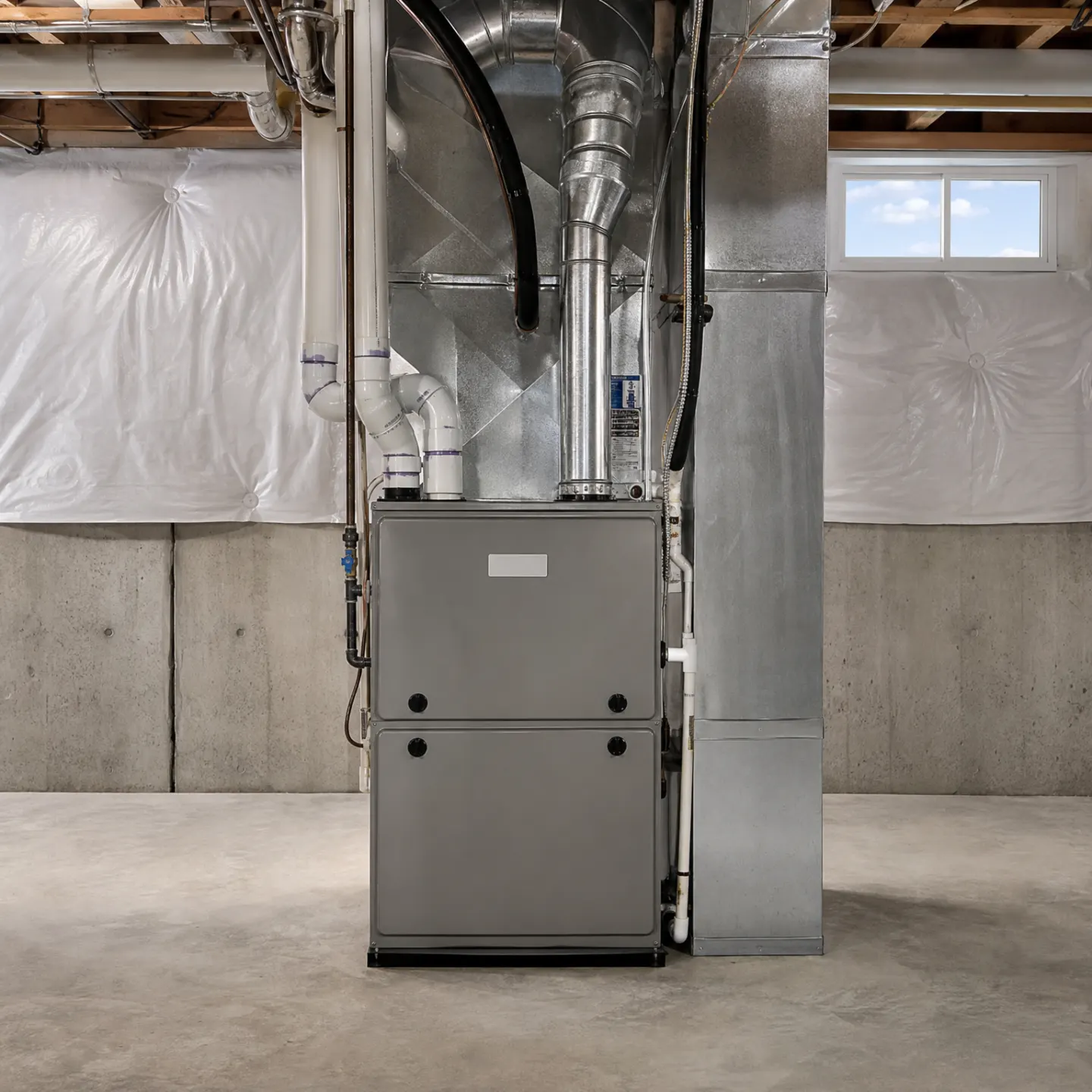
A gray residential gas furnace installed in an unfinished basement, connected to sheet-metal ductwork and PVC pipes.

What to check before the furnace runs all night with no heat

Before anyone comes out, check the thermostat is set to heat and the setpoint is actually above room temperature. Go to the furnace and look at the filter. Hold it up to a light. If you can't see light through it, that's choking off airflow and can cause the exact symptoms you're seeing, short cycling, weak heat, even a furnace that won't stay lit. Swap it if it's dirty. Next, check the service switch, it looks like a regular light switch near the unit or on it, and make sure no one bumped it off. Check the breaker too. If you have a gas furnace, look at the window on the front panel. A steady blue flame is normal. Flickering, yellow, or no flame at all tells a tech something before they even arrive. Make sure nothing is stacked against the return air vents or blocking supply vents around the house, a closed or blocked vent in one room can throw off the whole system. If the furnace has a standing pilot, check whether it's lit, the pilot light instructions are usually printed right on the unit. None of this fixes an igniter or a cracked heat exchanger, but it rules out the simple stuff fast, and it gives whoever you call a clearer picture of what they're walking into.

Sounds and smells are the early warning

A furnace that bangs when it starts, squeals as it runs, or clicks over and over without lighting is telling you something specific. A burning dust smell at the start of a cold snap is normal. A smell that lingers, or anything sharp or like rotten eggs, is not. Those are different problems with different urgency, and the sound or smell alone usually points a tech toward the right one before they open the cabinet.
Weak heat is easier to live with, and that's the problem

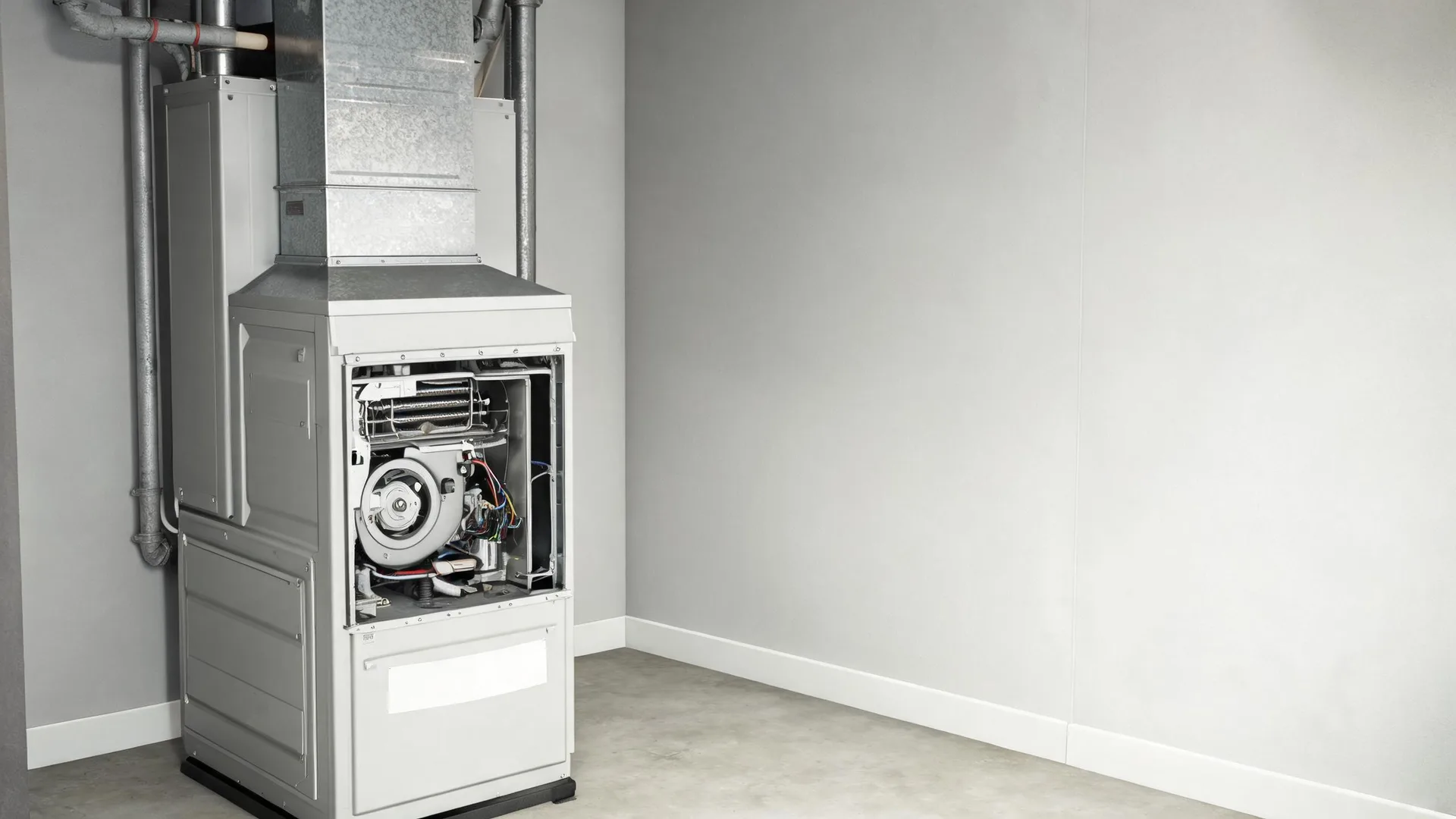
A furnace that won't light is impossible to ignore. One that runs long cycles and still leaves the house cold gets ignored for weeks, because the house isn't freezing. That gap is usually a cracked heat exchanger, a failing blower motor, or ductwork losing air before it reaches the room, and all of those get worse the longer they run uncorrected.

A cracked heat exchanger is the clearest example. Small, it still lets exhaust mix into the air the blower pushes through the house, and every cycle after that widens the crack a little more. A blower motor losing its bearings is the same story. It keeps turning, but it's working harder to do it, and that strain is what burns it out early instead of letting it run its full life. Even something as simple as a clogged filter follows this pattern. Left in place, it starves the system of airflow, and that makes the heat exchanger run hotter than it should on every single cycle. None of these fail all at once. They fail a little more each time the furnace runs, until the day they don't start at all.

A diagnostic starts before any panel comes off. A tech asks what the furnace is doing, when it started, and whether it's one symptom or several. A furnace that won't light and a furnace that lights and quits are different problems with different likely causes. Then comes a combustion check with the furnace running, reading the flame and checking the draft. A flame pulling the wrong way or burning the wrong color points straight at certain parts. Electrical testing comes next. The igniter gets checked for resistance, the flame sensor for a clean reading, the limit switches for whether they're tripping when they shouldn't. The blower gets checked too, for amp draw and for how freely it spins. A motor working harder than it should will show it there before it shows it anywhere else. Most of this takes a meter and a few minutes once the furnace is open, not guesswork.