



A quiet residential street at dusk lined with illuminated two-story brick houses and mature trees.

Furnace Installation in Mount Vernon, IL

Tell us about the job

Takes about a minute. No obligation.

Step 1 of 3: Equipment

Most homes in Mount Vernon heat with electricity, and electricity in Illinois ran $46.51 per million Btu in 2024. That number applies to every furnace running on the grid, no matter who makes it. A furnace that wastes less of that electricity as heat costs less to run every month it works, and here that's most of the year. When you're comparing furnaces, the efficiency rating on the sticker isn't a formality. It's what decides how that $46.51 turns into your bill.

7 months
October through April, your furnace is on duty
26°F
the average winter night it heats against
80% AFUE
the federal minimum any new unit must meet
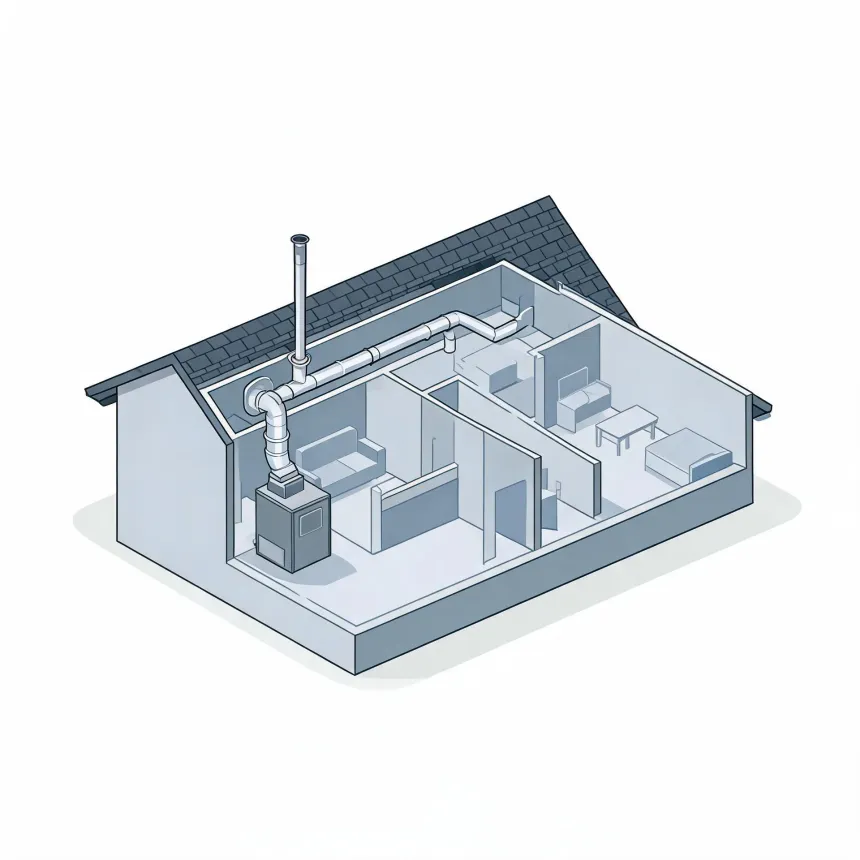
Isometric cutaway illustration of a single-story house showing interior rooms with furniture and a furnace connected to ductwork and a vertical flue pipe extending through the roof.
Your furnace works hardest from November through March.

NOAA nClimDiv, 1991–2020 normals

Furnaces in Jefferson County run October through April, about seven months straight.

Get the new furnace in by September and it's working on your schedule, not a cold snap's.

Most furnaces going into Mount Vernon homes are replacing electric with electric

40.2% of homes heat with electricity
Climate zone 4A
Heat runs October through April

Jefferson County sits in climate zone 4A, which asks real work of a furnace in both directions, muggy summers and hard winters. A gas furnace installed here has to clear a federal efficiency floor to be sold at all. Since November 2015, every new gas furnace has had to turn at least 80 percent of the gas it burns into heat over the season. That floor rises to 95 percent for furnaces made on or after December 18, 2028. The rule reaches the furnace, not the calendar, so a unit built and sold before that date can still go in afterward under the lower standard. Whatever gets installed this year runs under the rule in place now, for as long as it runs.

The efficiency rating is what you're buying

You already know the furnace will run most of the year here, on electricity that costs more than it does in most states. That makes the efficiency rating part of the price, not a line on the spec sheet. When you're picking the furnace going into your home, put that rating next to the install cost and weigh them together.

Find a contractor
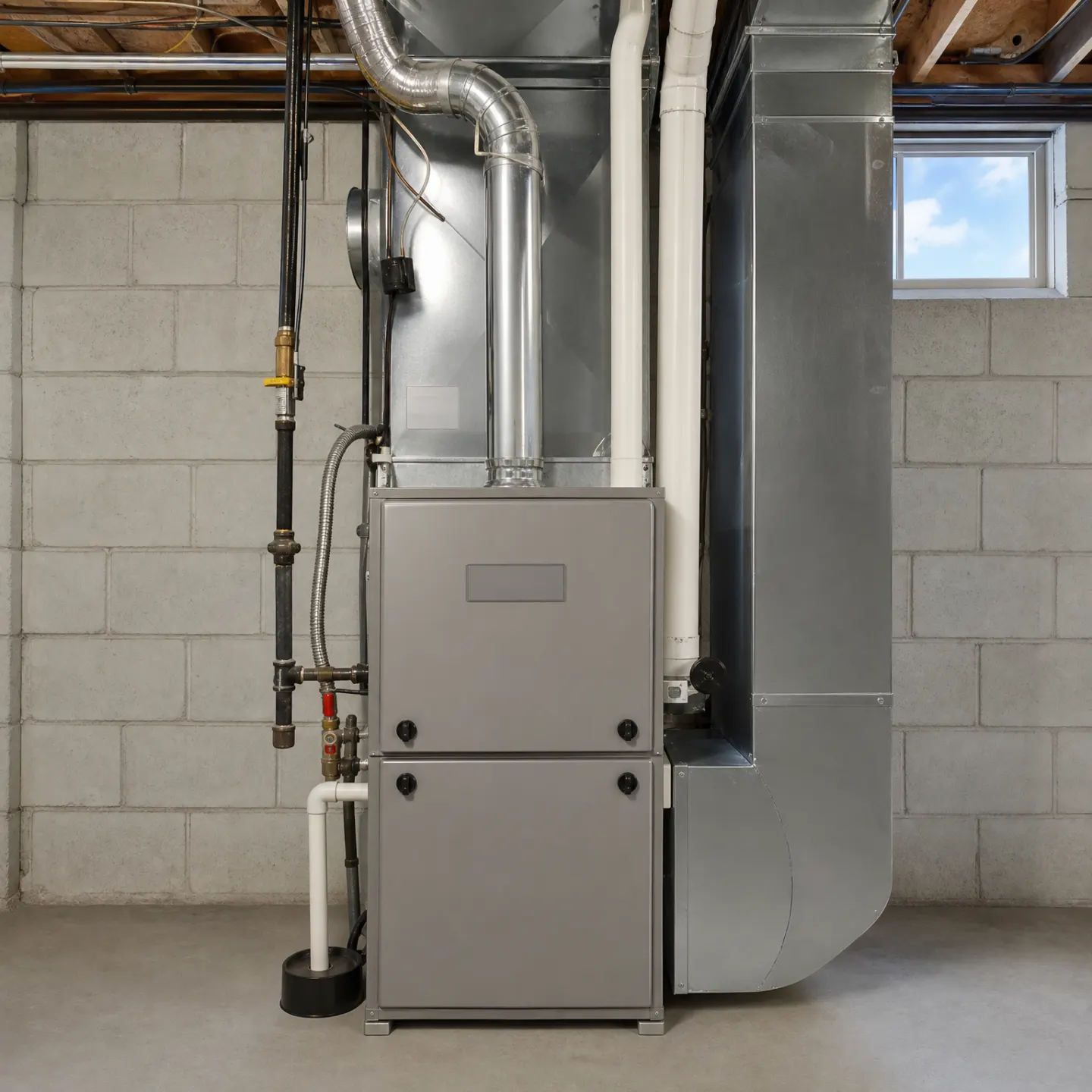
A gray high-efficiency gas furnace installed in an unfinished basement, surrounded by gas lines, a condensate drain, and sheet-metal ductwork.

The rating on the sticker only holds if the rest of the system backs it up

Two furnaces can carry the same efficiency rating and still run differently once they're installed. Ask what stage the burner runs in. A single-stage furnace fires at full output every time it kicks on, then shuts off, so the house swings warm and cool between cycles. A two-stage or modulating furnace holds a lower flame most of the time and only opens up in the coldest stretches, which means it runs longer but gentler, and that steadier run is what the efficiency rating assumes. Ask about the blower motor too. A fixed-speed blower runs at one speed whenever it's on. A variable-speed motor ramps up and down to match what the furnace is doing, and it draws less power doing it over a long run. Ask what size the contractor is recommending and why. A furnace sized too big for the house will short-cycle, switching on and off in quick bursts that wear the ignition system faster and never let the house settle at a steady temperature. Sizing comes from a load calculation on the house itself, not a guess based on the old unit. Last, ask what the warranty covers if the furnace isn't installed by someone certified on that equipment. Some manufacturers tie the full parts warranty to certified installation, and skipping that step can cost you coverage later even if the furnace itself is fine.

The old furnace keeps running until the new one is in

A furnace install doesn't start with shutting the old unit down. The old furnace keeps heating the house right up until the new one is set and connected, so there's no stretch of days with no heat at all while the work gets done.
Taking it out is part of the job, not an extra

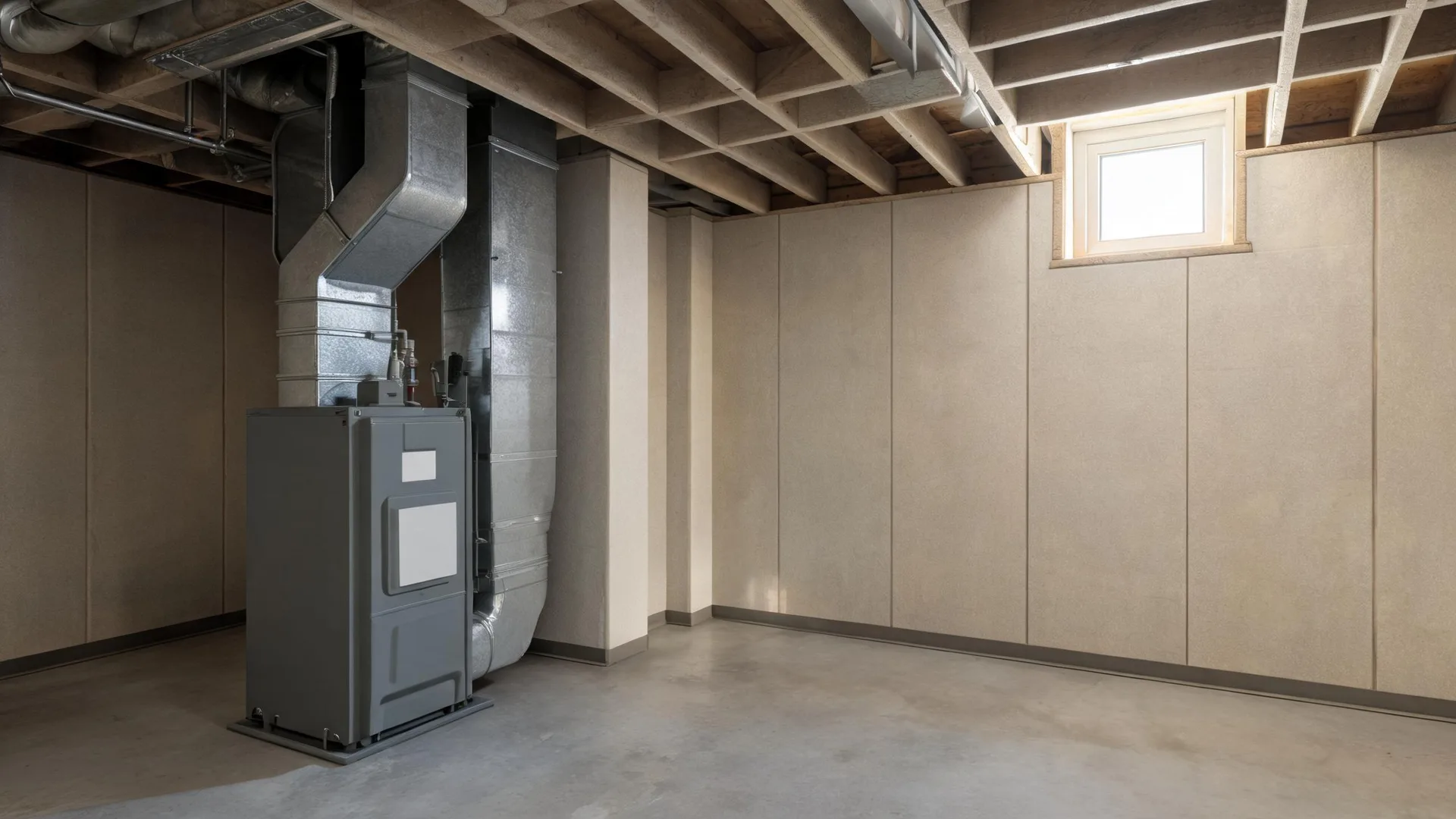
The old furnace gets disconnected from the gas or power line, the ductwork, and the vent, then hauled out, usually the same day the new one goes in. A contractor doing the install handles the removal as part of that job, so it's one visit, not two.

The rating on the furnace label is the AFUE, the share of fuel it turns into heat over a full season rather than in one burst. A furnace rated higher wastes less at the flue every time it fires, and that holds true whether it's running on a mild day or the coldest night of the year. The number only means something next to the fuel it's burning, though. A gas furnace's AFUE tells you how much of the gas becomes heat in the house instead of going out the vent. It says nothing about the blower, the ductwork, or how the furnace is sized to the house, all of which decide how that rated efficiency actually shows up in daily use. Two furnaces with the same AFUE can still feel different to live with, because the rating only covers the burner, not the system around it.

Install day starts with a walkthrough, not a wrench. The contractor checks the ductwork already in place, the gas line or power feed, and the vent before anything gets disconnected, because the new furnace has to match what's already there or something has to change to fit it. Once the old unit is out, the new furnace gets set, connected to the duct trunk, and tied into gas or power and the vent. Every joint and connection gets tested before the contractor closes anything up, gas line checked for leaks, electrical connections checked for a solid draw, the vent checked for a clean path outside. Then the furnace runs through a full cycle on the spot. The contractor watches it fire, ramp up, hold, and shut off the way it's supposed to before calling the job done. A furnace that passes that test on day one is a furnace that's been installed right.