One check, before October
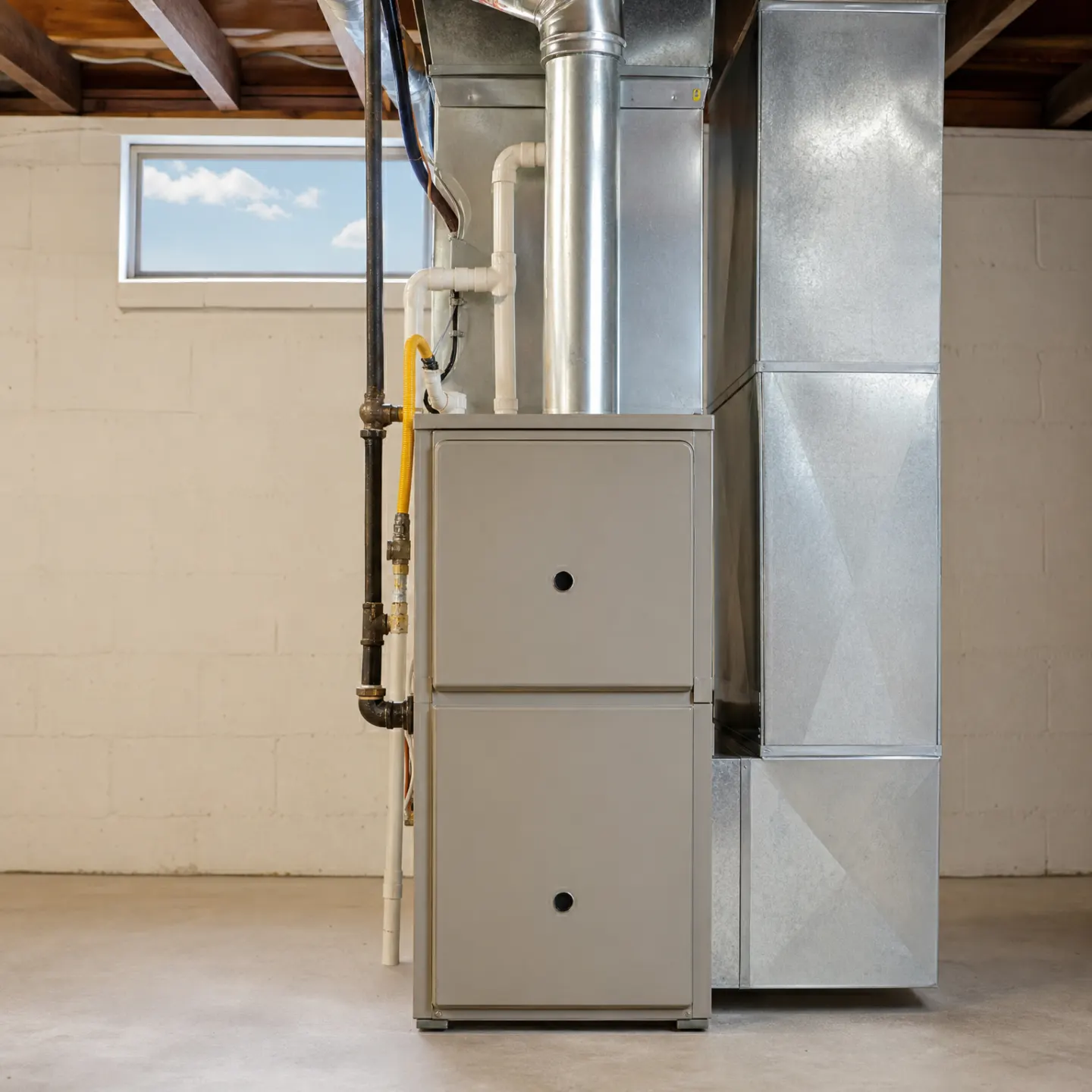
A furnace in Carlinville runs seven months straight, October through April. One visit before that stretch starts catches a weak igniter or a cracked heat exchanger while there's still time to deal with it.
Takes about a minute. No obligation.
A furnace in Carlinville runs seven months straight, October through April. One visit before that stretch starts catches a weak igniter or a cracked heat exchanger while there's still time to deal with it.
Overnight lows average 24°F through December, January and February, cold enough that the furnace is working hard, not fighting something unusual. One yearly check still covers it.
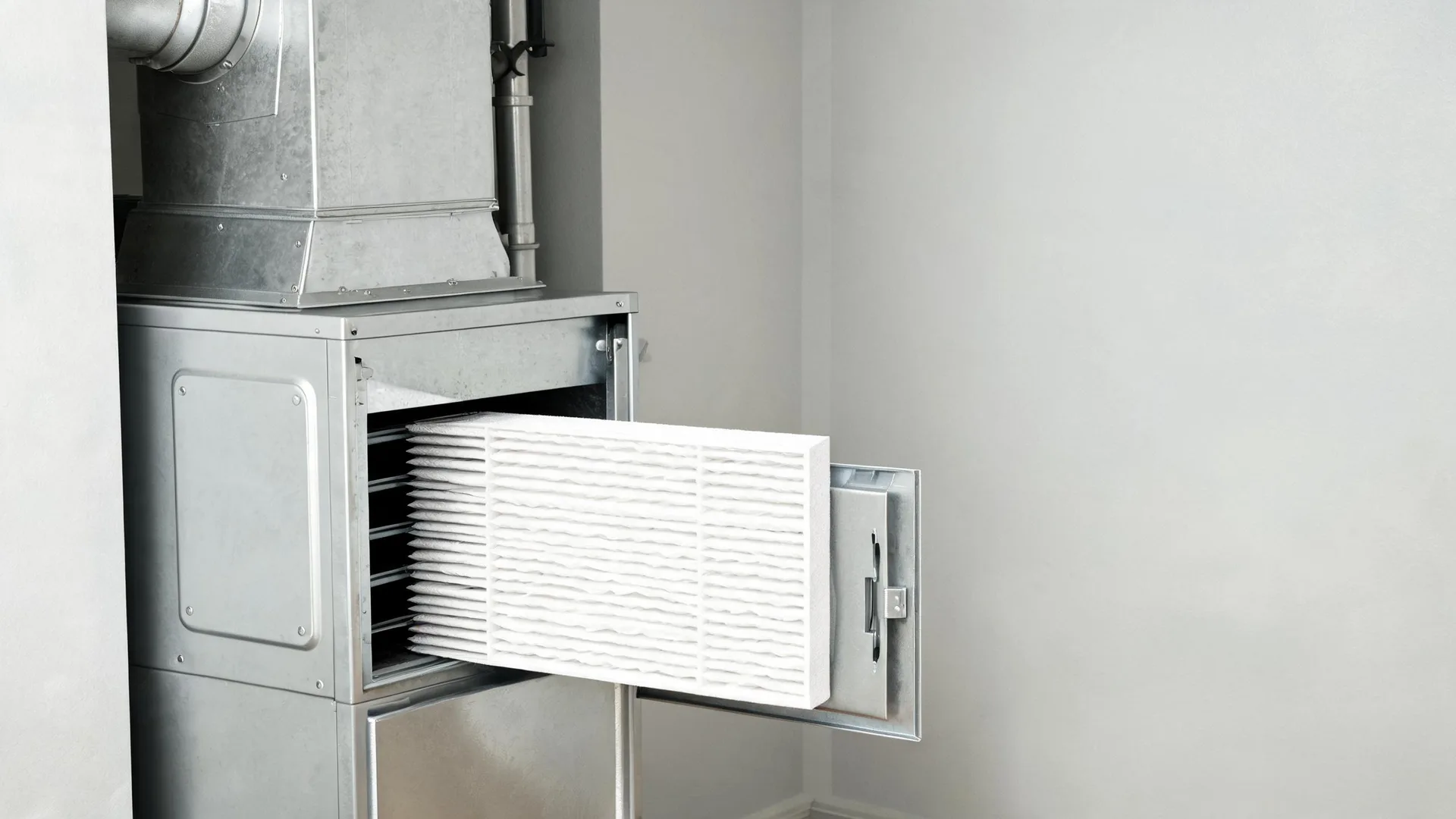
Between visits, the filter is the only thing to check on a furnace.
Look at it once a month while it's running straight through, and change it when it looks gray.




A tune-up starts with the flame, not the filter. A tech pulls the burner cover and looks at how the flame sits. Even and blue means it's burning clean. Yellow or flickering means it's not getting enough air or the burner needs cleaning. From there it's a draw on the flue to check the exhaust is actually leaving the house instead of backing up. The heat exchanger gets checked for hairline cracks you'd never see without pulling it apart. The igniter gets tested under load, not just looked at, because some fail only once they've warmed up. Amp draw on the blower motor tells its own story. A motor pulling more current than it should is wearing out even if it still runs fine today. None of this shows up from the thermostat.

A dirty filter is the one thing in this whole system the homeowner controls, and it affects everything downstream of it. Airflow drops, the heat exchanger runs hotter than it should, and the blower motor works harder to push air through. Leave it long enough and a furnace can overheat and shut itself down on a safety switch. Furnaces don't have a coil or a drain the way the cooling side does, so the filter is the one running job between visits. Check it monthly during the stretch the furnace runs straight through, and swap it when it's gray, not when the calendar says so.
A quick visit checks that the furnace fires and moves on. A thorough one has the burner cover off, a meter on the igniter, and a draw test on the flue before anything gets buttoned back up. If a tech is in and out in a few minutes, most of that never happened.
A real tune-up ends with the tech telling you what the flame looked like, what the flue draw was, and whether the blower motor's amp draw has crept up since last time. A quick one just tells you the furnace is fine. Ask what they actually found, not just whether it passed.
Skip enough years and a furnace doesn't just get less efficient, it starts failing in ways a filter change can't fix. A burner that never gets cleaned keeps burning dirtier, and the flame goes from even and blue to yellow and uneven. That unburned gas leaves soot behind on the heat exchanger, and soot holds heat, so the metal runs hotter than it was built for. Hot metal fatigues, and a heat exchanger that fatigues long enough cracks. A cracked exchanger can let exhaust mix into the air moving through the house instead of going out the flue, which is the one failure in this whole system you can't always hear or see coming. The igniter wears out on its own timeline regardless, but a furnace straining against a dirty burner or a clogged filter puts more cycles on it, so it tends to go sooner. None of this announces itself early. The furnace still fires, still blows warm air, right up until the morning it doesn't.
A tune-up also covers what happens outside the cabinet. The vent pipe or chimney needs a clear path with no blockage, no disconnection, no bird's nest sitting where it shouldn't be. Combustion air matters too, since a furnace needs a supply of fresh air to burn clean, and anything blocking that intake changes how the flame burns even if nothing inside the furnace has changed at all. A tech checks the gas line connections for leaks, usually with a sensor or a soap test, because a loose fitting can sit there for months before anyone smells anything. The condensate line on a high-efficiency furnace gets checked for clogs too, since a blocked drain can shut the furnace down the same way a dirty filter does. None of this is visible from inside the house, which is exactly why it gets missed between visits.