Eight months of runtime
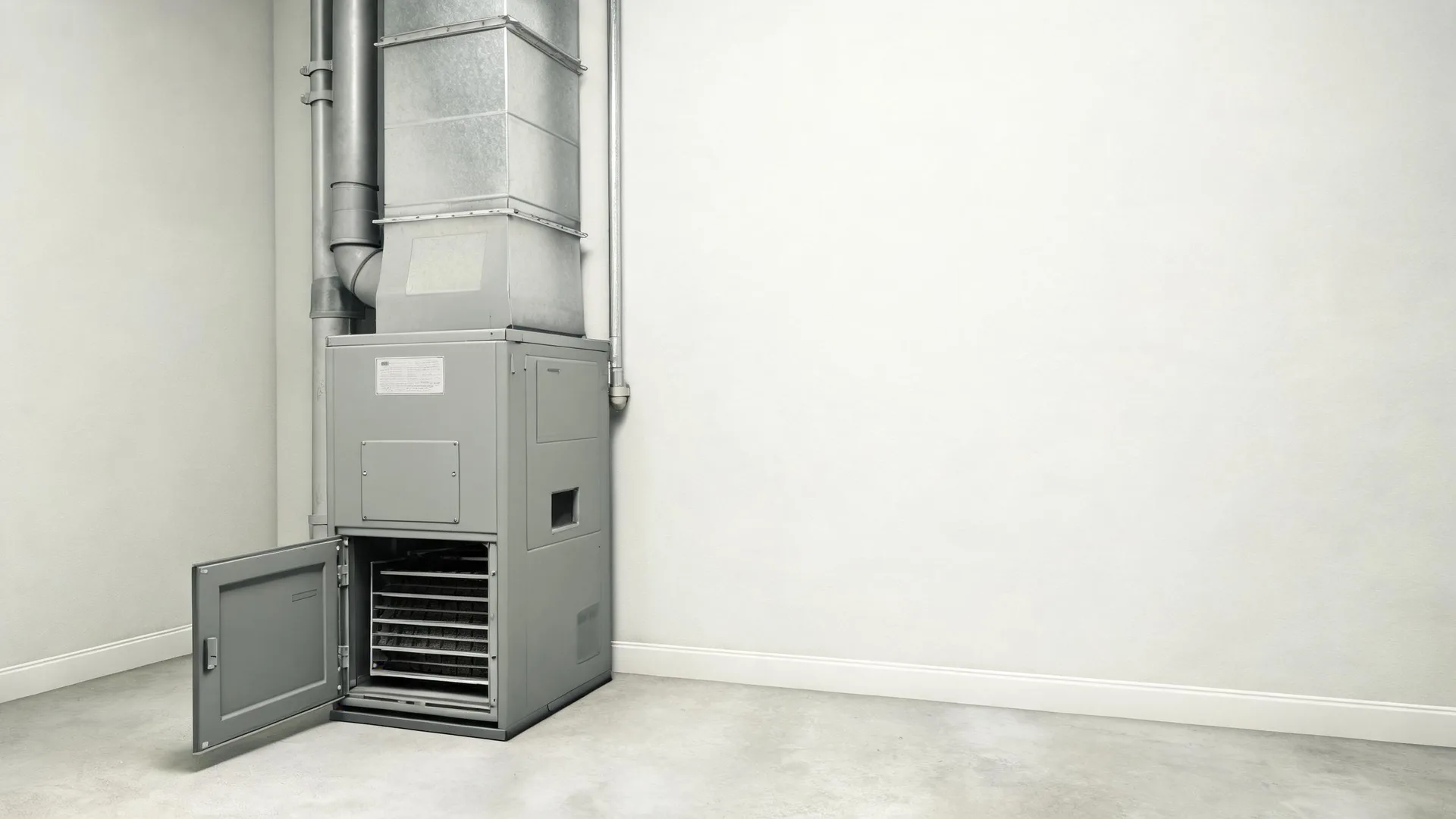
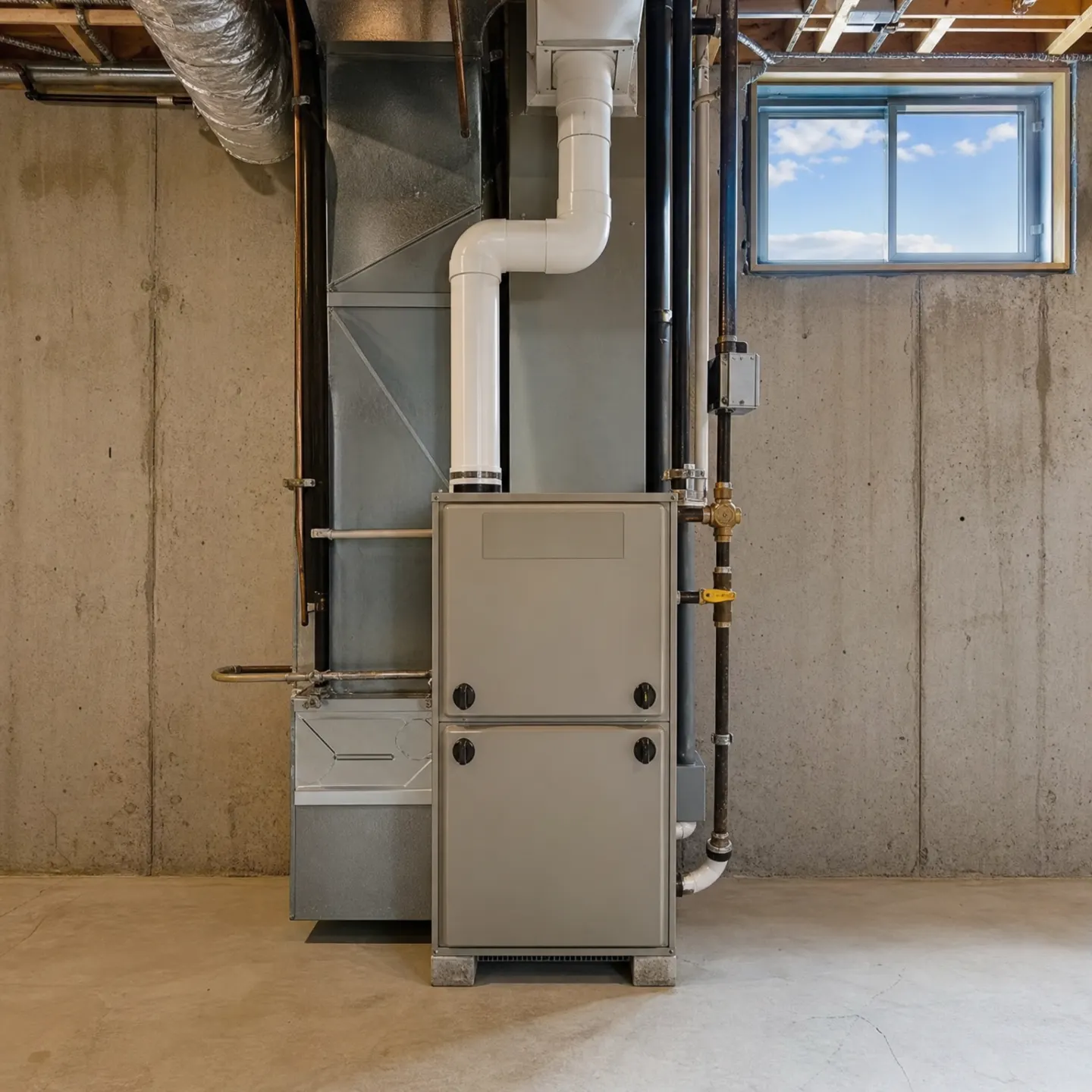
A furnace in McHenry County works from October through May. That is most of the year asking the igniter, the blower motor and the heat exchanger to cycle on and off, day after day, with barely a few months off in between.
Takes about a minute. No obligation.
A furnace in McHenry County works from October through May. That is most of the year asking the igniter, the blower motor and the heat exchanger to cycle on and off, day after day, with barely a few months off in between.
A furnace that only ran occasionally could get away with skipping a season. This one can't. A cracked heat exchanger or a worn igniter will show up earlier here, often right when the cold sets in and you need the heat most.
Almost nine out of ten homes in McHenry County heat with gas.
A gas furnace needs its burner, venting and safety controls checked each year, not just a new filter.



Heat goes on in October here and stays on through May. That's the first real cold snap of the year, and it's also the moment a furnace finds out if anything's been quietly wearing down all summer. A tune-up in September catches a weak igniter or a dirty flame sensor before the furnace has to fire every day. Wait until October and you're troubleshooting the same problem with the heat already needed. September is the one month the furnace is idle enough to check without anyone missing it.
Eight months of runtime does not leave much slack. Once a furnace is worn going into October, it stays worn through May, and that is a long stretch to run on a weak igniter or a cracked heat exchanger. A check now catches that while the furnace is still idle enough to work on.
Find a contractorA furnace installed when the house was built still has years ahead of it. A yearly check is what keeps it getting to those years instead of losing them early. Have someone look at the burner and the heat exchanger now, while the furnace is sitting idle, and whatever small wear is there gets caught before a long winter of steady runtime turns it into a bigger repair.
A dirty filter chokes airflow across the heat exchanger and makes the blower work harder than it should. Pull it and hold it up to a light. If you can't see light through it, swap it. A clean filter is the one piece of upkeep that's actually meant for the homeowner, not the technician.
Don't open the burner compartment or touch the flame sensor and igniter. Those need a trained eye and the right tools to clean without damage. What you can do is keep the area around the furnace clear, listen for new noises like rattling or a hard boom at startup, and watch for a yellow or flickering flame instead of a steady blue one. Any of that is worth calling someone about, not fixing yourself.
A tune-up is mostly about catching what's invisible from the outside. Flame color tells you something, but a technician checks the flame sensor itself, cleaning off the film that builds up and makes it misread whether a flame is even there. They'll check the heat exchanger for cracks you'd never spot without pulling panels, because a cracked one can let exhaust mix into the air moving through the house. They test the gas pressure at the valve, since too high or too low both cause problems that show up as a furnace that runs rough or shuts off early. The igniter gets checked for hairline cracks that aren't visible until it fails to glow on startup. None of this is guesswork. It's the same handful of checks, done the same way, because those are the parts that wear quietly and fail without warning.
A tune-up also covers parts that have nothing to do with the flame. The blower motor gets checked for worn bearings, since a motor that's starting to go will run hot or seize up without much warning beforehand. The belt or wheel housing, if there is one, gets inspected for cracking or buildup that throws the airflow off balance. Technicians check the limit switch, which is what shuts the furnace off if it starts overheating, because a switch that's stuck or miscalibrated either shuts the system down too soon or not soon enough. They'll also check the electrical connections at the control board, since a loose connection causes the kind of intermittent fault that looks like a dozen other problems until someone traces it back. None of these fail loudly. They just stop working one day, usually on the coldest one.