


A lit residential street at dusk featuring large two-story brick houses with glowing windows, mature trees, and a street lamp.

Furnace Repair in Centralia, IL

Tell us about the job

Takes about a minute. No obligation.

Step 1 of 3: Equipment

Furnaces in Marion County run from October through April, seven months straight. September is the month before that starts, and it's worth a look then. The first cold snap is usually when a weak igniter or a failing flame sensor finally gives out, not because the cold causes the problem, but because that's the first time the furnace has had to work since spring. If it was short-cycling or slow to start last season, that same problem is still there waiting. Checking it in September means finding that out before you actually need the heat.

7 months
October through April, your furnace is on duty
25°F
the average winter night it heats against
53%
of homes here heat with gas, so most furnaces here burn gas
8 winter storms
in ten years, the nights a failure hurts most
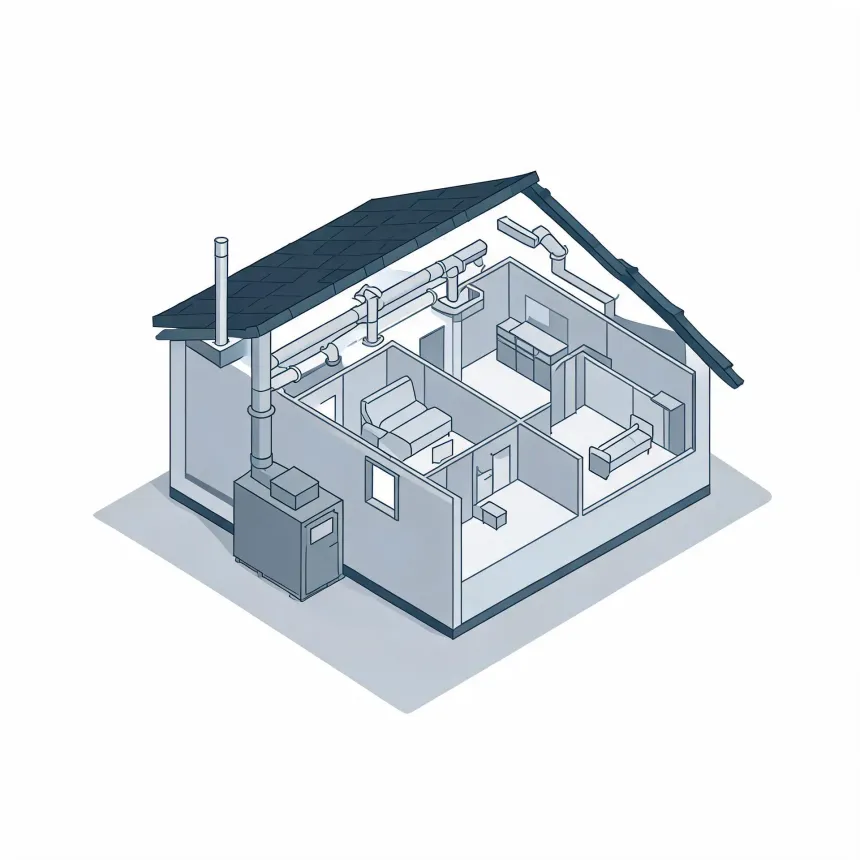
Isometric line illustration of a cutaway single-story house showing interior rooms with furniture, ceiling ductwork, a chimney flue, and a furnace unit outside the exterior wall.
Your furnace works hardest from November through March.

NOAA nClimDiv, 1991–2020 normals

A cracked heat exchanger gets worse every time the furnace fires, not better.

Heat widens the crack a little more on every cycle, and a furnace doing this needs to be shut down, not nursed along.

Half the furnaces in Marion County are as old as the house

Half the homes here were built by 1973
Heat runs October through April
Winter nights average 25°F

Before paying for another repair, ask when the furnace went in. If it came with the house and the house is one of the older ones in the county, you're not necessarily looking at a few more years of patchwork. A repair now might be the last one that makes sense. A contractor can read the furnace's age off the nameplate and give you a straight answer on whether it's worth fixing again or worth replacing.

Get it looked at early

Problems tend to show up in the first weeks of the season, when the load hits a part that was already weak.

Find a contractor
A man in a cap, dark shirt and tan work pants, seen from behind, carries a worn canvas tool bag up steps toward a dark blue front door beside a tall planter of flowers.
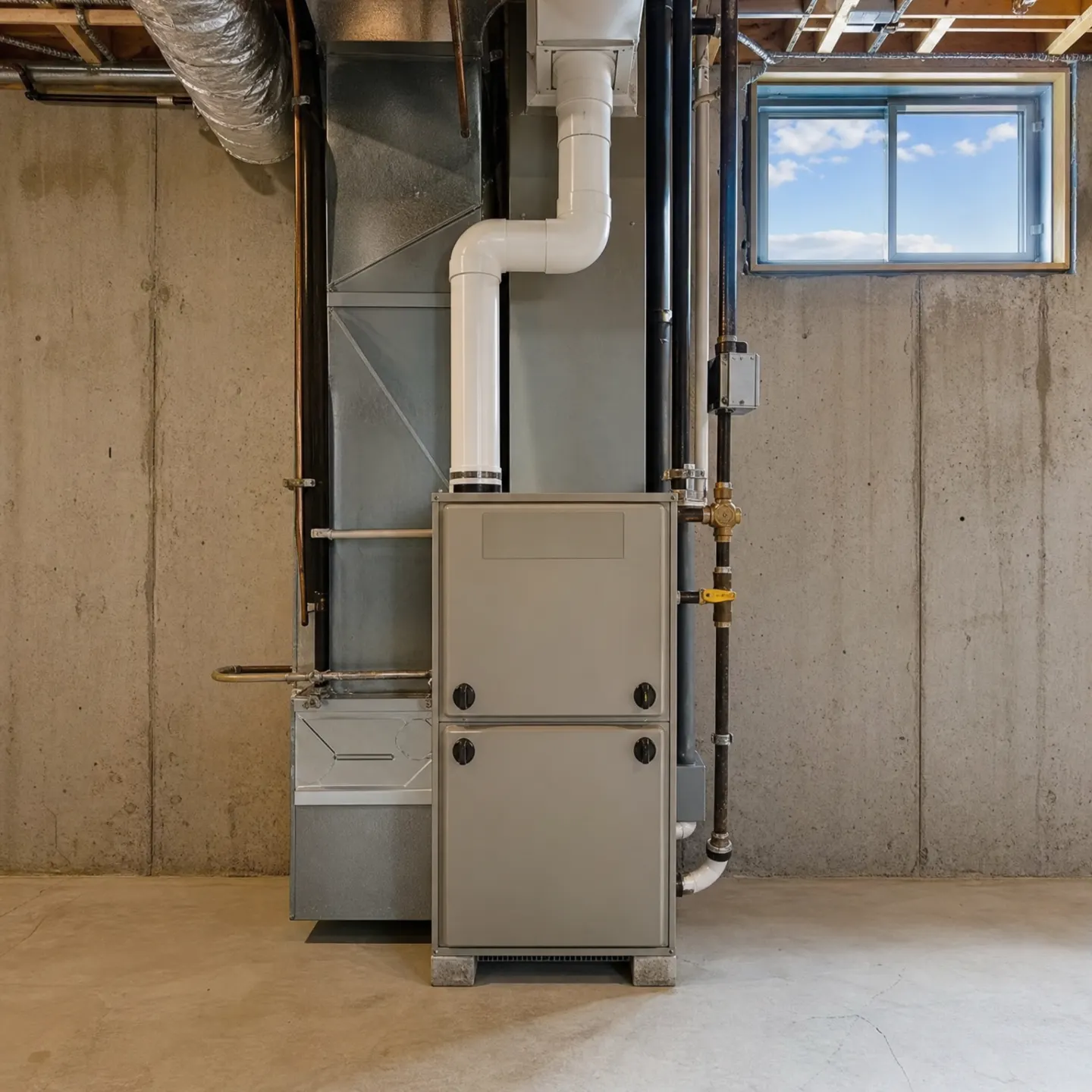
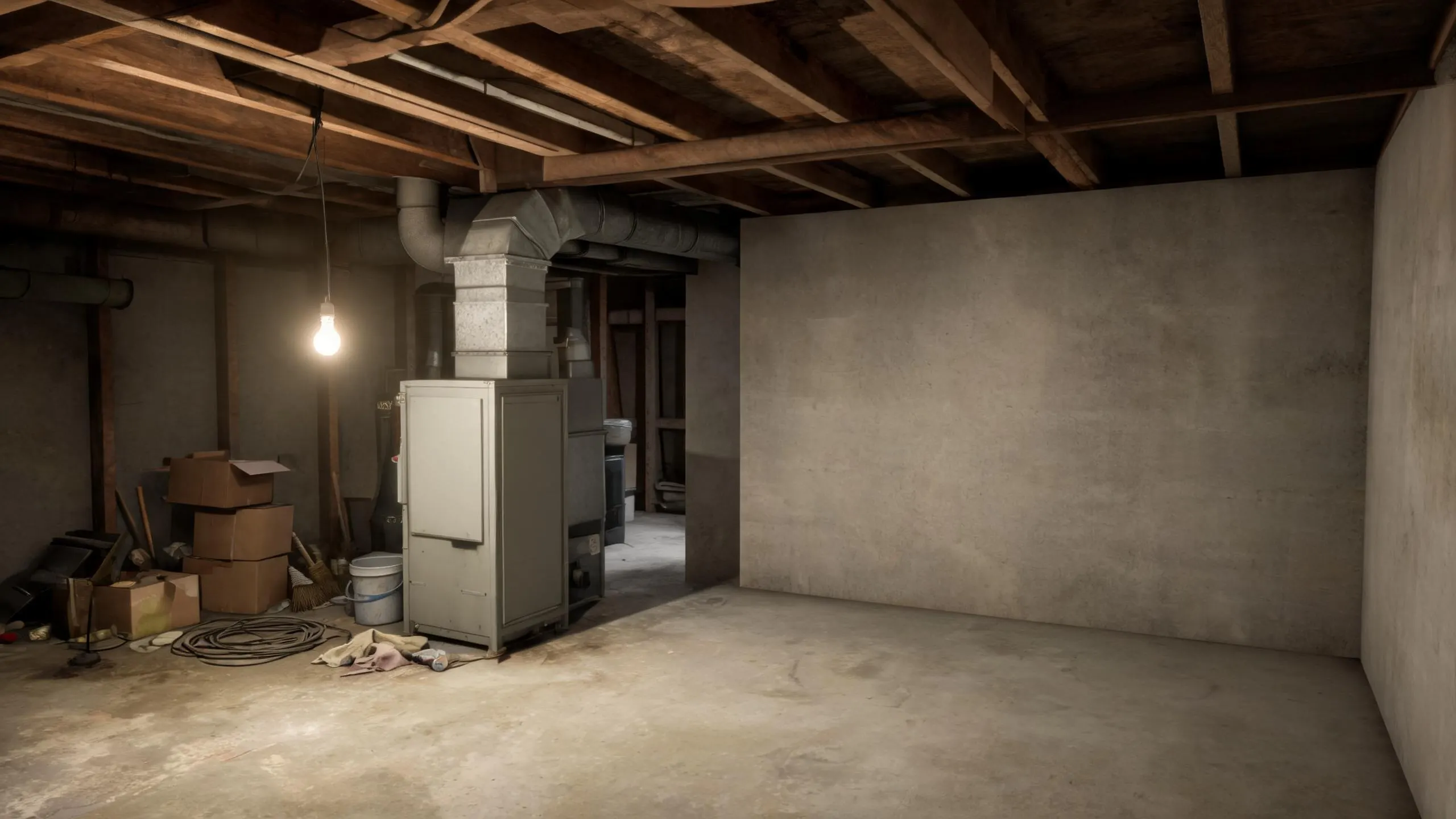
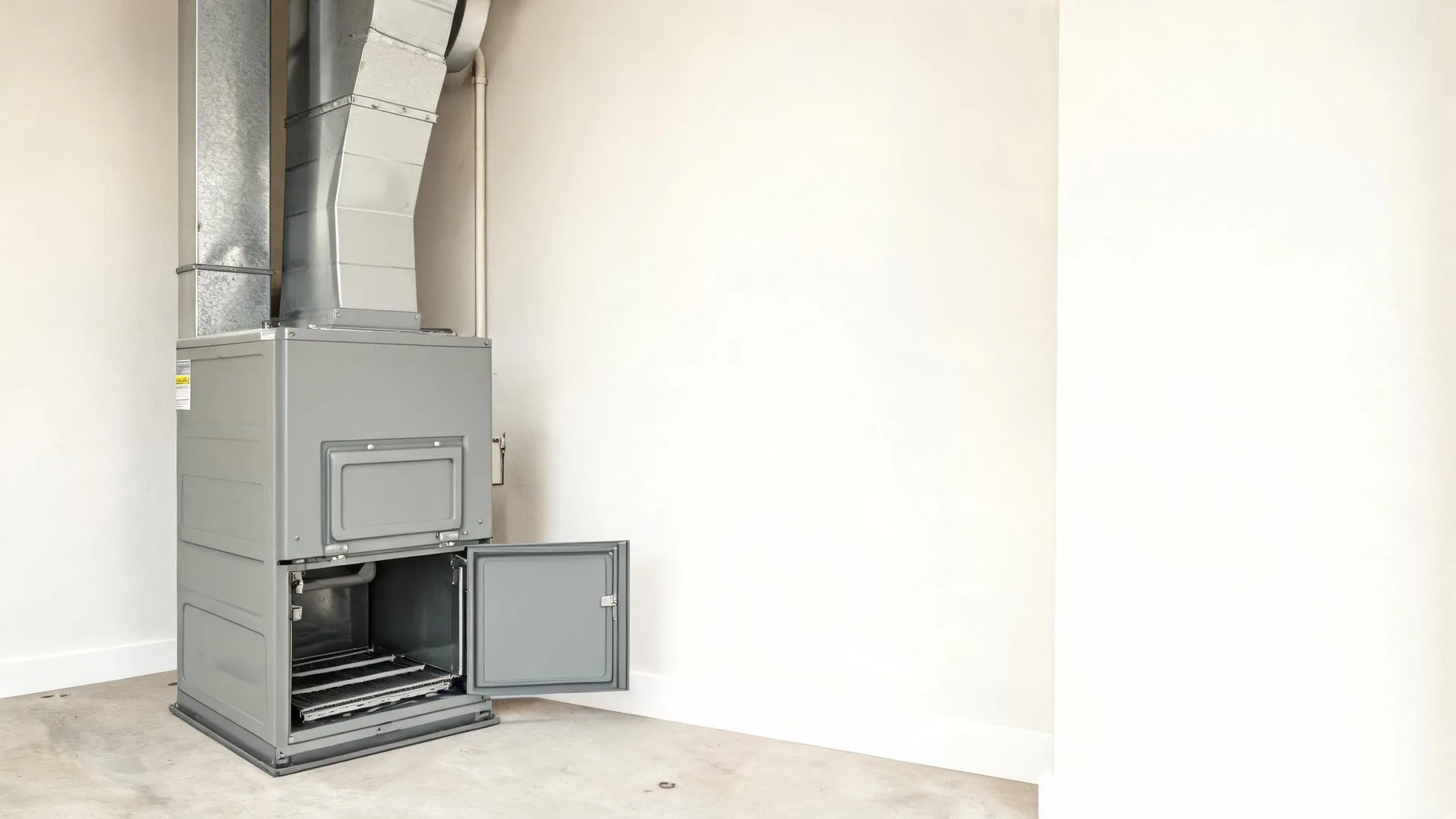
A gray gas furnace with attached ductwork and piping installed in an unfinished concrete basement.

The parts that fail are the parts that work every cycle

The parts that fail most are the parts that fire every cycle. The igniter glows a little dimmer each time it's used, until one day it doesn't glow enough to light the gas. The flame sensor sits right in the fire it's watching, and over time a film builds up on it until it can't tell a flame is there at all. The draft inducer motor spins on bearings that wear down, until it's too weak or too loud to pull exhaust out through the flue properly. None of these give much warning first. A furnace that's taking a few tries to catch, or cycling more than it used to, is already further along that path than one that starts clean every time.

What you hear is usually the first clue

A furnace that bangs when it starts is igniting gas that built up for a second too long before catching. A furnace that squeals or grinds is a motor bearing wearing out. A furnace that clicks over and over without lighting is trying and failing to get a flame going. None of these sounds fix themselves, and all of them get worse the longer they run.
Short cycling wastes a trip, not just fuel

A furnace that shuts off before the room gets warm is usually tripping a safety switch, often on a flame sensor that can't confirm it's burning or a flue that isn't drafting right. It will keep doing this on its own schedule until someone finds the part causing it. Waiting it out just means more cycles on a part that's already failing.

An unfinished basement featuring exposed ceiling joists, a metal HVAC unit with round ductwork, a hanging light bulb, and scattered boxes and debris along the left wall.

A new furnace would cut about $110 a year off heating for a typical Marion County home.

  • A new high-efficiency furnace$460 a year
  • An older furnace$570 a year

Estimates for a typical Marion County home, compared with an older unit built to the previous federal minimum, from EIA household energy data, Illinois fuel prices and NOAA climate normals. Your home will differ.

Repair makes sense when one part has failed and the heat exchanger is sound.

Replacement makes sense when the heat exchanger is cracked or the furnace keeps needing parts.

A diagnostic visit starts before any panel comes off. A tech will ask what the furnace is doing, when it started, and whether it happens every cycle or just some. Then the cover comes off and the furnace gets watched through a full cycle. Does it catch clean. Does the flame look right. Does the blower come on when it should. Testing the igniter and flame sensor usually comes next, since those are the parts most likely to be the cause. A multimeter tells a tech whether the igniter is getting the current it needs. The flame sensor can be pulled and checked for the film that builds up on it. The draft inducer gets checked too, listening for the bearing noise that means it's wearing out. Most of this is done with the furnace running, because a part that tests fine sitting still can still be the one failing under load.