




A lit residential street at dusk featuring large two-story brick houses with glowing windows, mature trees, and a street lamp.

Furnace Installation in Centralia, IL

Tell us about the job

Takes about a minute. No obligation.

Step 1 of 3: Equipment

Most homes in Marion County heat with utility gas, just over half. Electricity comes next at 28%, and propane or LP gas heats another 16.6%, common where gas lines don't reach. If your house already has a gas line run to a furnace, replacing it with another gas furnace is usually the straightforward path. It's the setup your contractor sees most often here, and the venting, gas line and ductwork are already built for it. If your home runs on propane or electric heat instead, that's worth saying up front, since the install looks different.

7 months
October through April, your furnace is on duty
25°F
the average winter night it heats against
53%
of homes here heat with gas, so most furnaces here burn gas
80% AFUE
the federal minimum any new unit must meet
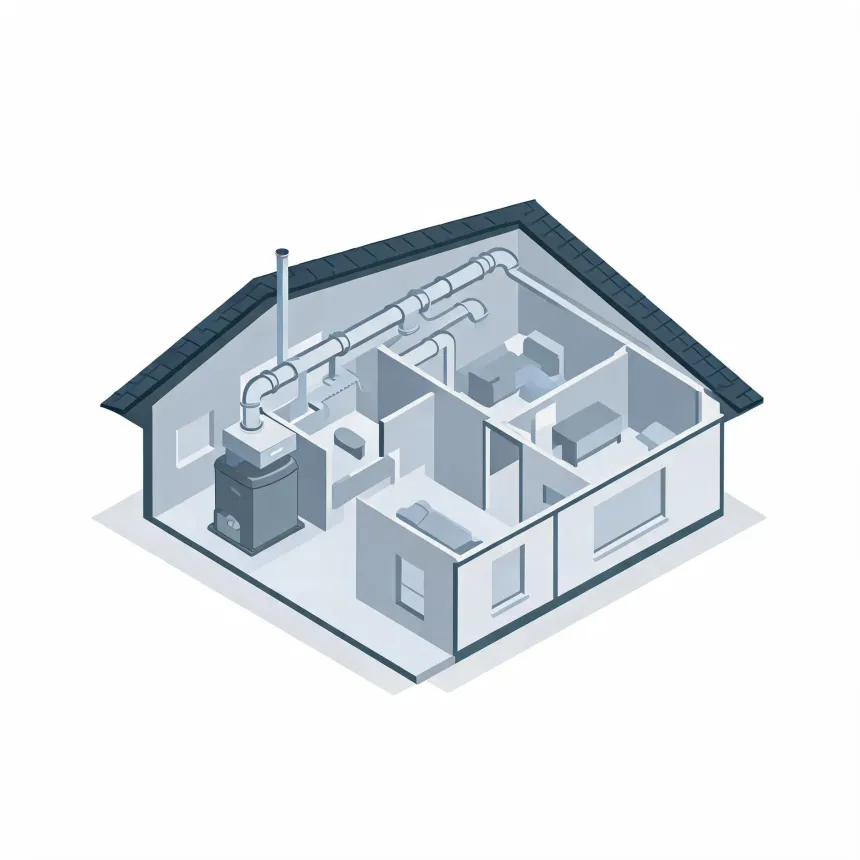
Isometric cutaway illustration of a single-story house showing interior rooms, ductwork running along the ceiling, a flue pipe through the roof, and a dark furnace unit in one corner.
Your furnace works hardest from November through March.

NOAA nClimDiv, 1991–2020 normals

Half the homes in Marion County were built in 1973 or earlier.

A furnace going into a house that old has to match the ducts and venting already there, not the other way around.

Gas here runs $10.64 per million Btu, so the cheapest furnace to run isn't always worth the extra upfront cost

Heat runs October through April
Winter nights average 25°F
Climate zone 4A
A furnace sized for Marion CountyHeat runs October through April here, with overnight lows averaging 25°F in January.

At that gas price, a high-efficiency condensing furnace still costs less to run every month than a standard one. It just takes longer to earn back whatever extra it cost to install. If you're planning to stay in the house a long time, that extra efficiency keeps paying you back the whole time you own it. If you're not sure how long you'll be there, a mid-efficiency model that costs less upfront can make more sense. Either way, the bigger question is whether the unit matches your ductwork and venting. A furnace that's sized and installed wrong will cost you more in comfort and repairs than the efficiency rating will ever save you.

Have the new furnace in before October

Heat here runs October through April. September is the last month to replace a furnace before it has to carry the house through winter. Doing it now means the ductwork and venting get checked on a normal schedule instead of during the first cold week.

Find a contractor
A man in a cap, dark jacket and tan pants carries a worn duffel bag as he climbs porch steps toward a dark blue front door beside a potted shrub.
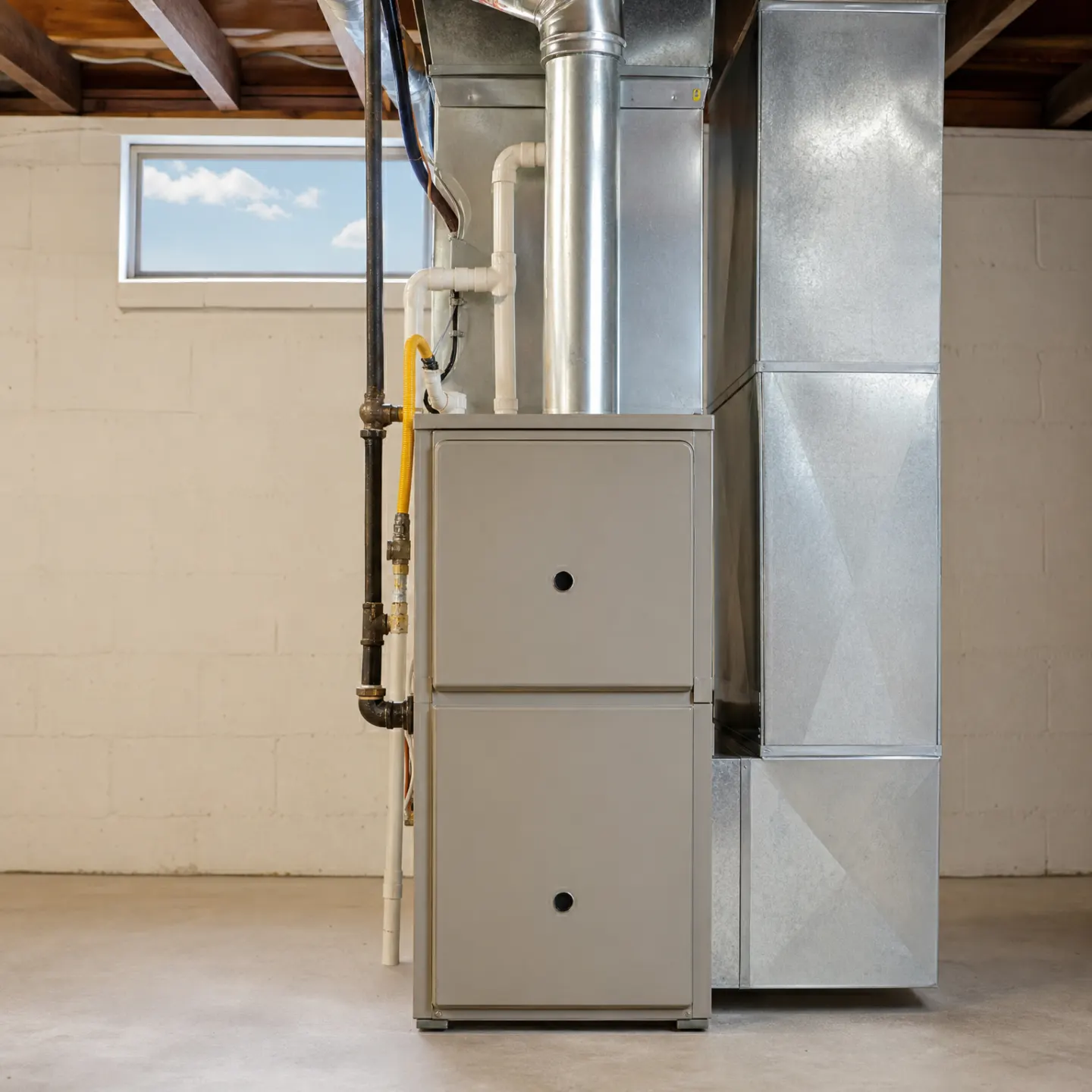
A gas furnace with attached ductwork, gas piping, and condensate lines installed in a concrete-block basement.

The house was built first

Half these houses were built in 1973 or earlier, which means the ductwork and vent setup already on site came with the house, not with whatever furnace goes in next. Before swapping in a new unit, a contractor needs to check the duct sizing and the venting against what the new furnace actually needs. A furnace that moves more air than the old ducts were built for will run loud and uneven. One that vents differently than the old setup may need new venting run to do it safely.

Ask what size they calculated, not just the number they quote

A furnace should be sized by a load calculation that looks at the house itself, its square footage, windows, insulation and layout. If a contractor quotes a size based only on the old furnace or a quick glance at the house, ask how they arrived at it. The wrong size is the one mistake efficiency ratings and warranties can't fix later.

Ask what happens to the ductwork and venting, not just the furnace

The furnace is one part of a system that includes the ducts carrying air and the vent carrying exhaust out of the house. A new furnace that moves air differently than the old one needs those ducts checked, and a furnace that vents differently may need new venting run. Get this in writing before the install, not discovered after.

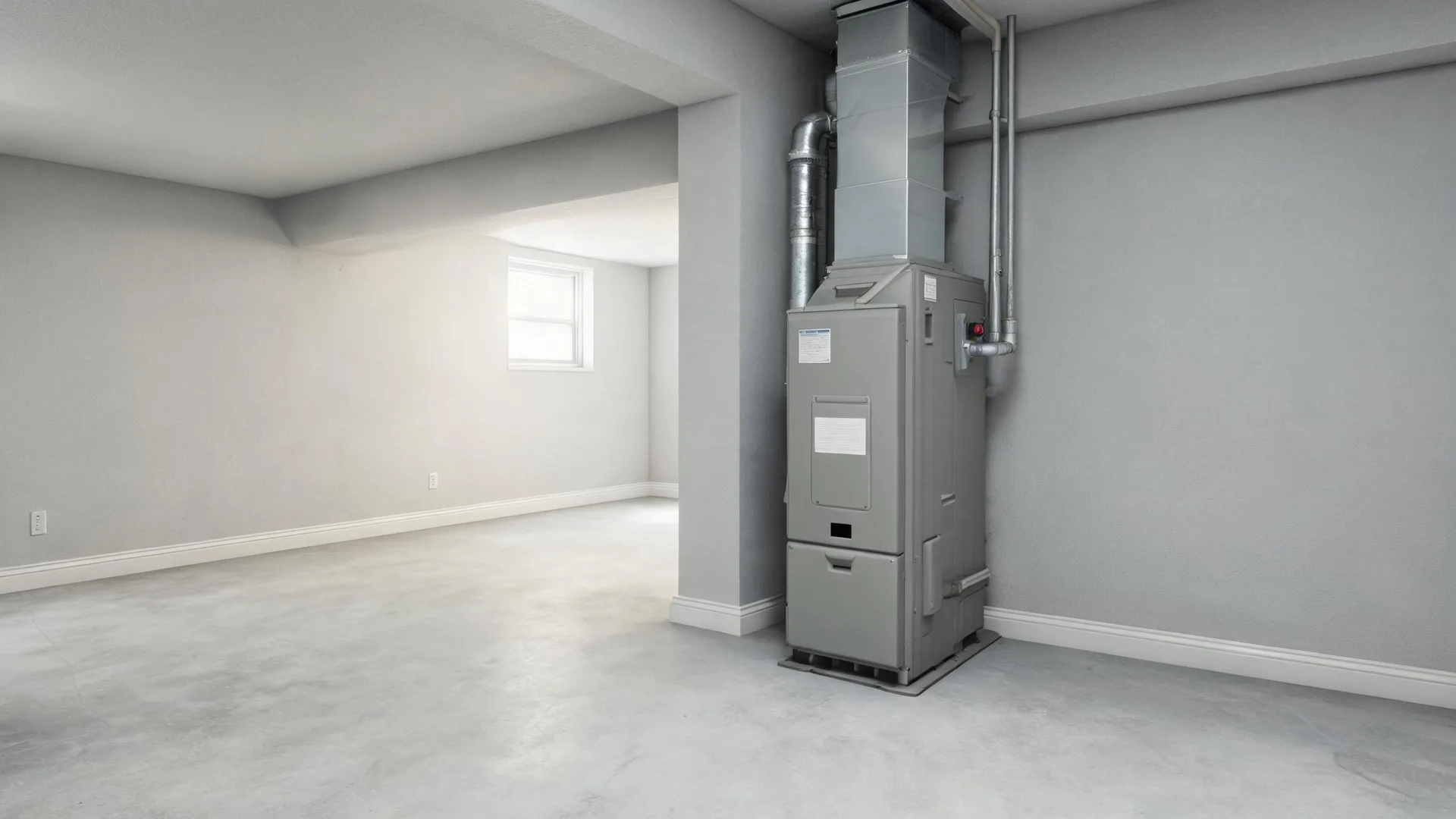
A gray forced-air furnace with metal ductwork stands in an unfinished basement with exposed wooden joists, concrete walls, and a single hanging light bulb.

A high-efficiency gas furnace would save about $100 a year to run in Marion County compared with a gas furnace.

  • A high-efficiency gas furnace$460 a year
  • A gas furnace$560 a year

Estimates for a typical Marion County home, from EIA household energy data, Illinois fuel prices and NOAA climate normals. Your home will differ.

Installation day starts with the old furnace coming out, along with the old venting if the new unit doesn't use the same type. The contractor sets the new furnace, connects the gas line, and runs new venting where the old path doesn't match what the new furnace needs. Ductwork gets tied in next, with any transitions or plenum changes needed to match the new unit's airflow. Once it's wired and connected, the contractor fires it up and checks the gas pressure, the temperature rise across the furnace, and the airflow at the vents. A combustion analyzer gets used to check the exhaust itself, not just whether the furnace turns on. The last step is going through the thermostat settings and any filter or maintenance needs before they leave.