


A lit brick residential street at dusk showing a row of two-story homes with covered porches and mature trees.

Heat Pump Installation in Centralia, IL

Tell us about the job

Takes about a minute. No obligation.

Step 1 of 3: Equipment

Illinois homes paid 15.87 cents per kilowatthour for electricity in 2024. A heat pump moves heat instead of burning fuel or resistance wire to make it, so it gets more warmth out of every dollar of electricity than an old electric furnace or baseboard heat does. At that rate, the difference between an efficient unit and a weak one shows up on your bill every month you run it. The efficiency rating on the heat pump you choose matters more here than it would in a state with cheaper power, because every kilowatt it uses costs you that rate.

7 months
October through April, your system heats
5 months
May through September, it cools
25°F
the average winter night it heats against
86°F
the average summer afternoon it cools against
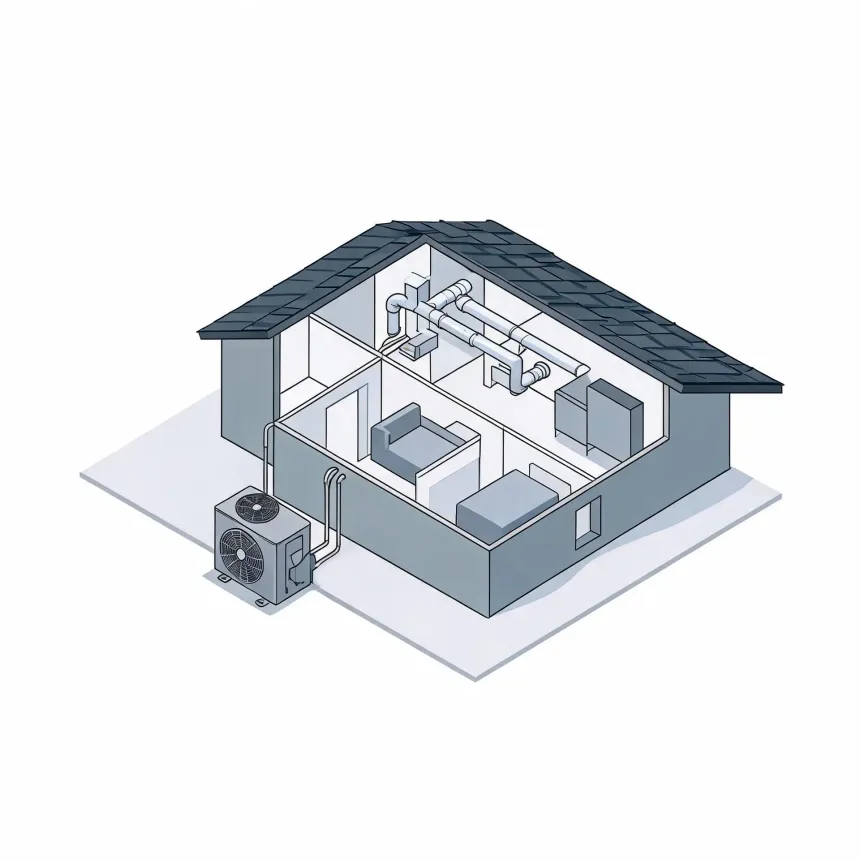
Isometric grey-toned illustration of a cutaway house showing interior rooms, ceiling ductwork and an air handler, connected by lines to an outdoor condenser unit beside the building.
Your system heats October through April and cools May through September.

NOAA nClimDiv, 1991–2020 normals

Half the houses in Marion County went up in 1973 or earlier.

A heat pump sized for a new build won't always fit the ductwork or electrical panel already in place here.

Most homes here heat with gas, so a heat pump is the exception, not the swap

52.5% of homes heat with gas
Winter nights average 25°F
Power costs 15.87 cents a kWh statewide

Heat runs here from October through April, about seven months out of the year. September is the month before that starts, and it's the better time to call than once the heat is already needed. A heat pump installed in September gets checked out while the weather is still mild, so if the ductwork needs an adjustment or the unit needs a follow-up, there's time for that before it has to hold your house warm. Wait until a cold spell hits, and you're choosing from whoever still has an opening, not whoever fits your house best. Summer works too, since cooling only runs May through September here, but September leaves the fewest surprises for the months right after.

A mixed climate, not a punishing one

Marion County asks real work of both sides of a heat pump, heating and cooling, and winter nights here average 25°F. That's cold enough to matter but not the kind of extreme that pushes a system to its limit night after night. A heat pump built for this climate zone doesn't need to be the highest-efficiency model on the lot to hold up here. What wears a system down faster than regular use is age and neglect, so a sound, well-matched unit is worth the money more often than not.

Find a contractor
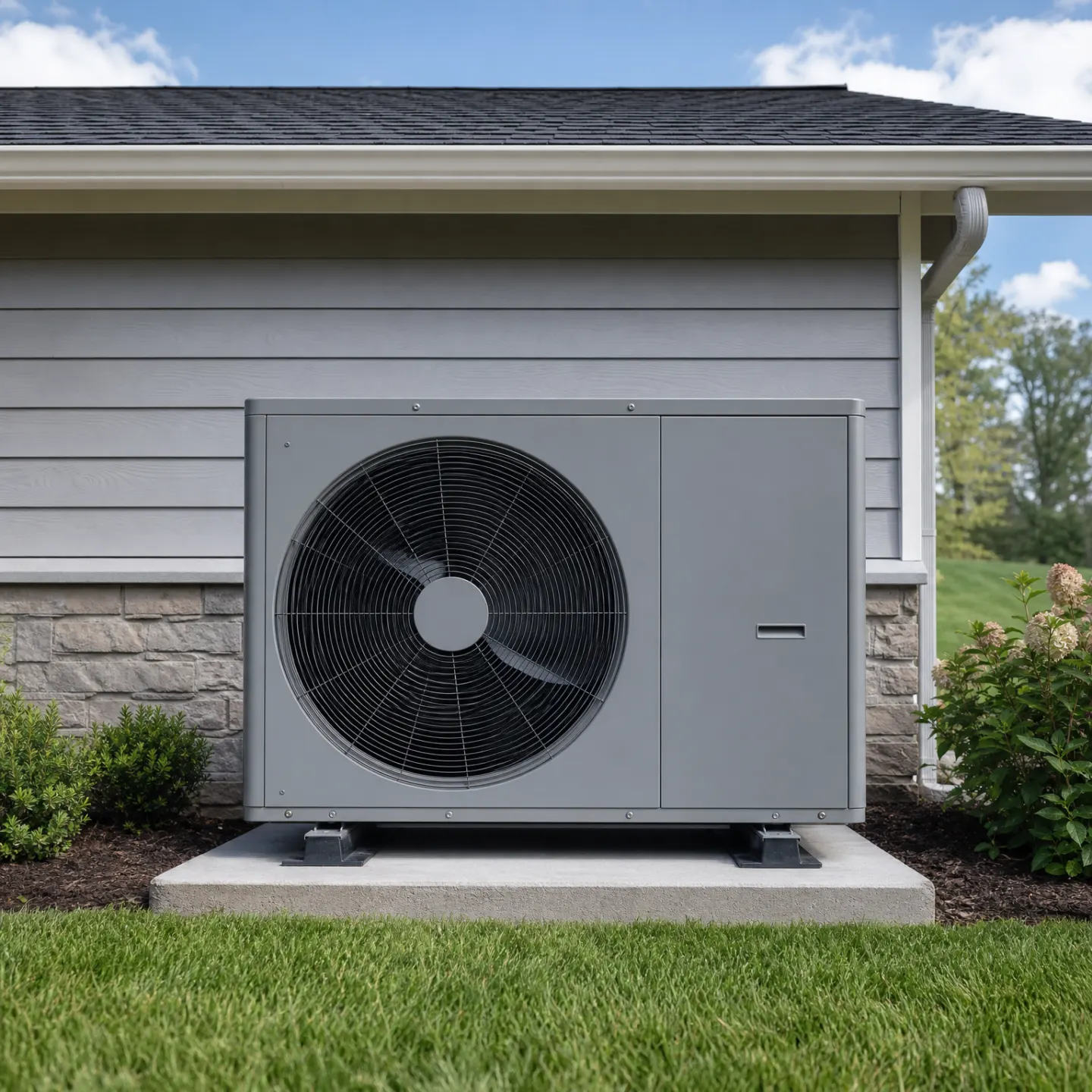
A gray outdoor HVAC unit mounted on a concrete pad beside a house with gray lap siding and a stone foundation.

Sizing is the decision that outlasts every other one

Size gets worked out before anyone talks about brands or efficiency ratings. A contractor measures every room, checks the windows, the insulation, the ceiling height, and figures out how much heat your house loses on a cold night and gains on a hot day. That number, not the square footage and not the size of the unit it's replacing, is what the new system gets matched to. Go too big and the heat pump short cycles, running a few minutes at a time, never long enough to carry heat evenly through the house or pull enough moisture out of the air in summer. Go too small and it runs constantly, straining to keep up on the coldest and hottest days, and the backup heat ends up carrying more of the load than it should. Either mistake wears the equipment harder and shows up in comfort long before it shows up as a breakdown. A unit sized right for the house runs long, steady cycles and holds up the way it's supposed to.

Ask what the load calculation found

A contractor should run a room by room load calculation on your house, not guess off square footage or match the old unit's size. The result tells you the actual heating and cooling output your house needs. A system sized off a guess runs too long or shuts off too soon, either way it wears harder and keeps the house less comfortable.
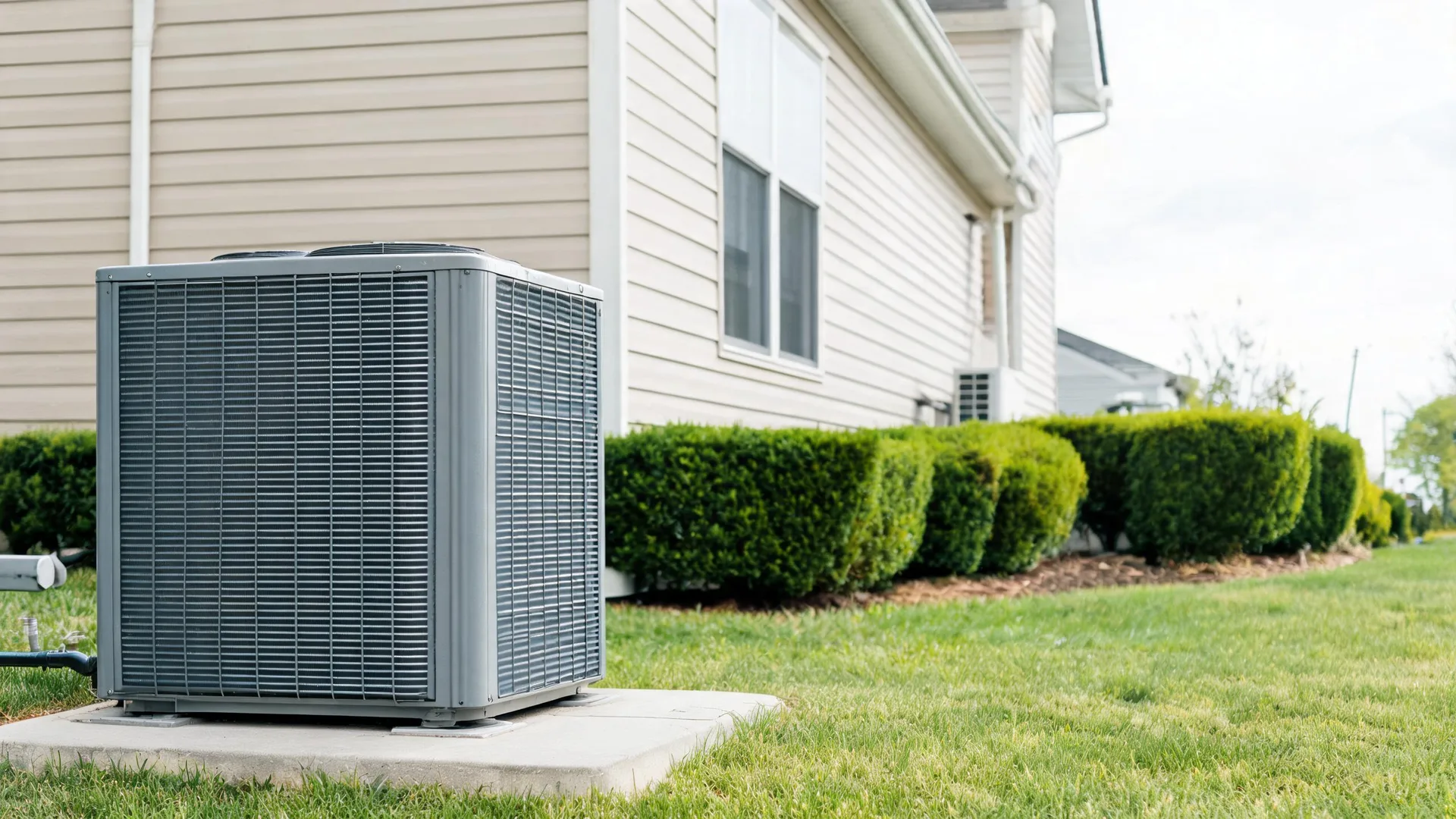
Ask what happens below the balance point

Every heat pump has a temperature where it can't pull enough heat from the outside air to keep up alone, and below that point something else has to carry the load, whether that's electric resistance strips or a furnace working alongside it. Find out what kicks in for your house, and ask what that backup costs to run compared to the heat pump itself.

What you pay for comes down to the unit, the labor, and whatever has to change to make it fit. The unit's cost scales with its size and its efficiency rating, so a bigger house or a higher-efficiency model costs more before anyone picks up a tool. Labor covers running new refrigerant lines, setting the outdoor unit on a pad, mounting the air handler, and wiring it into your electrical panel. That last part sometimes means the panel itself needs an upgrade to carry the load. Ductwork is the other variable. If what's already in the walls can carry the airflow a heat pump needs, the job stays straightforward. If it can't, modifying or replacing duct runs adds real cost, and there's no way to know which situation you're in until a contractor looks at the house.

Installation day starts with decisions already made, not figured out on the spot. The outdoor unit goes on a pad outside, close enough to the house for the refrigerant lines to reach without extra bends. Inside, the air handler ties into the ductwork that's already there, or into new runs if the old ones don't fit. The crew runs electrical to the outdoor unit and checks that the panel can carry it. Once everything's connected, the lines get pressure tested before any refrigerant goes in, since a leak found after charging means undoing finished work to fix it. The last step is commissioning, where the contractor runs the system through a full heating and cooling cycle and checks that the airflow and temperature match what the load calculation called for. A job done right ends with the contractor walking you through the thermostat and what to expect from the system, not just packing up and leaving.