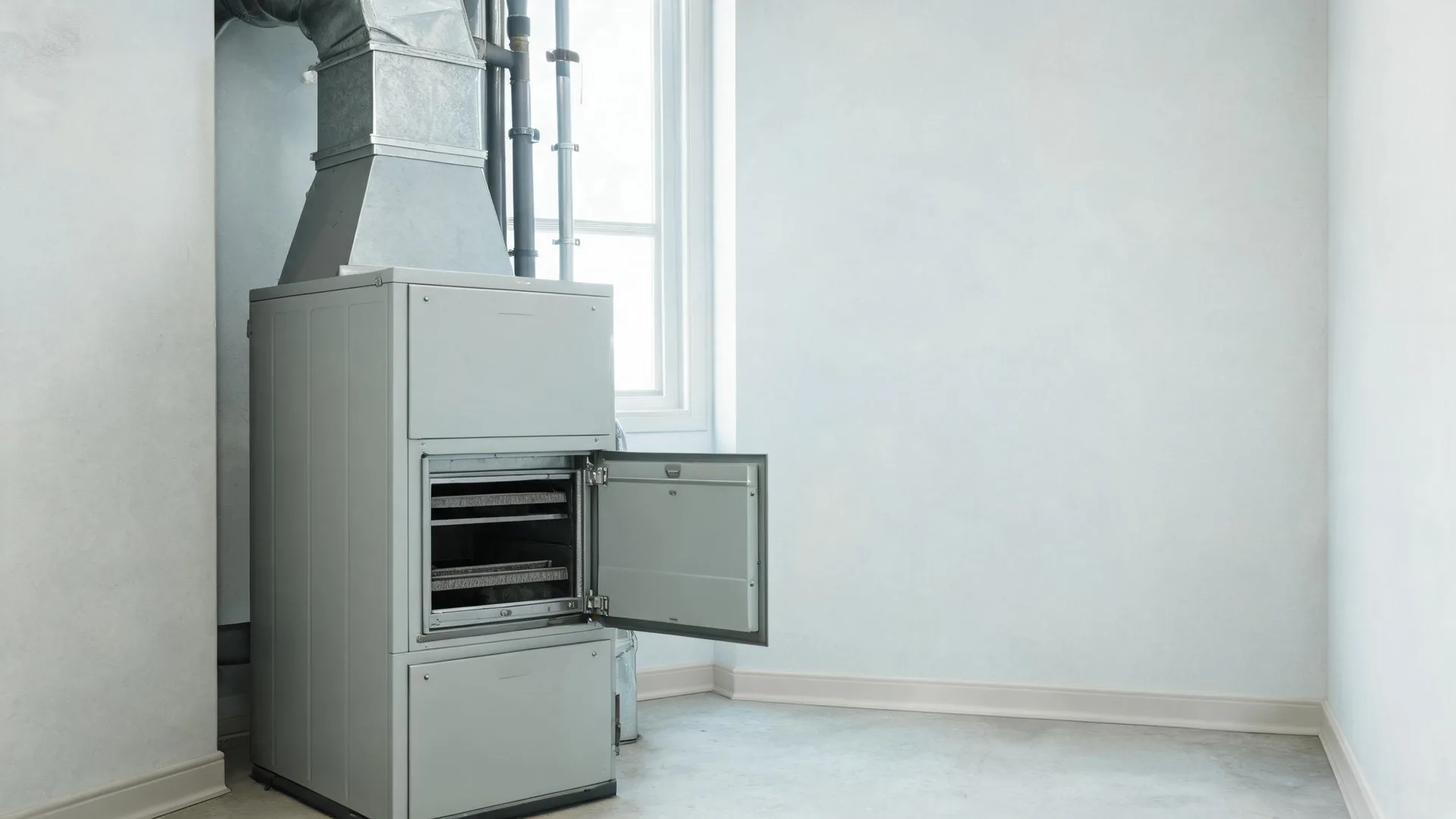
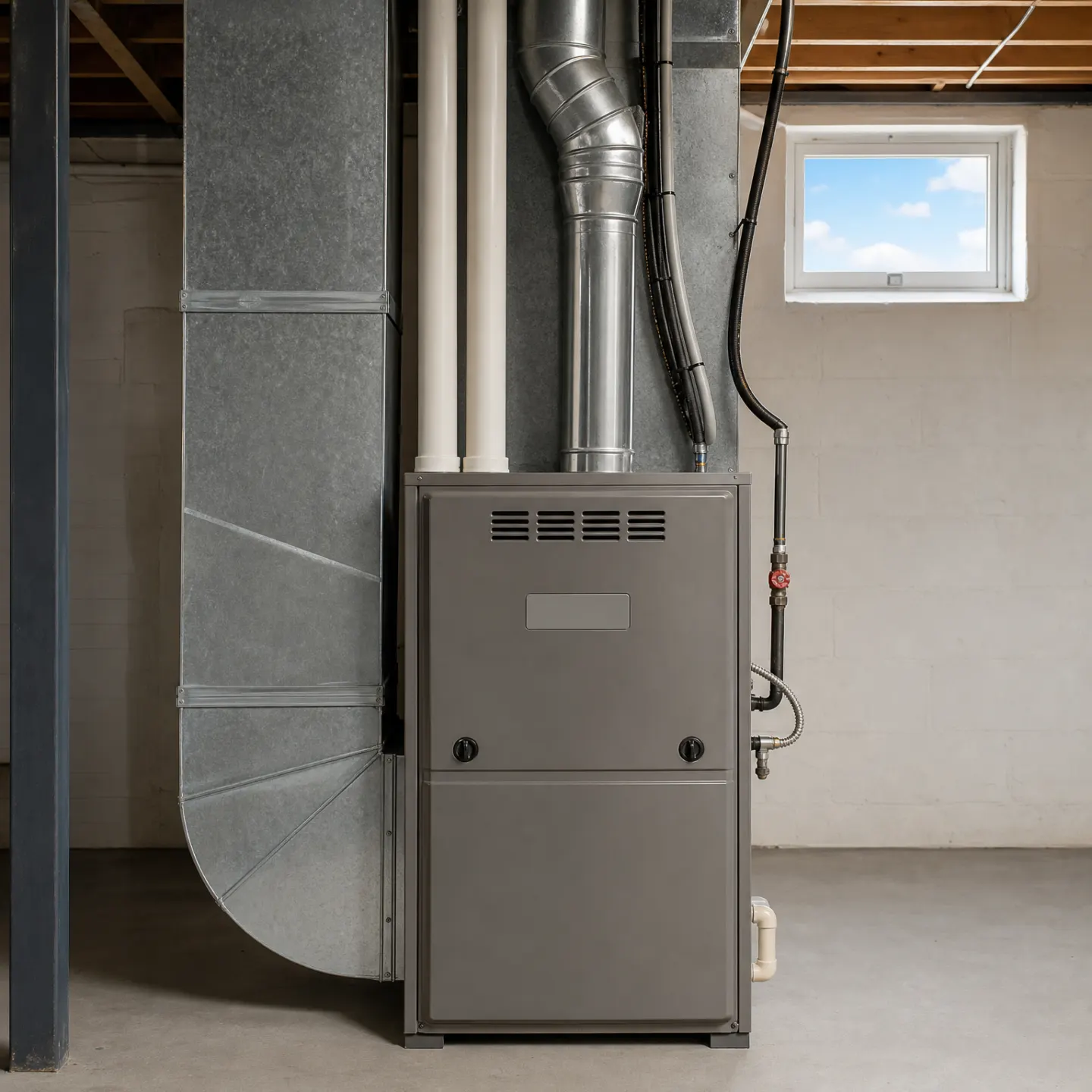
Half these homes were built in 1962 or earlier
Half the houses in Rock Island County went up in 1962 or earlier. A furnace that came with a house that age has had a lot of winters to work through, even if it's been replaced once already since then.
Takes about a minute. No obligation.
Half the houses in Rock Island County went up in 1962 or earlier. A furnace that came with a house that age has had a lot of winters to work through, even if it's been replaced once already since then.
When a furnace that old needs a repair, the question isn't just what's broken. It's whether the unit has enough life left to be worth fixing, or whether this repair is just the first of several.
NOAA nClimDiv, 1991–2020 normals
A furnace that short cycles is usually fighting a dirty flame sensor or a clogged filter, not a dying heat exchanger.
That one's worth calling in before the parts around it start wearing out too.




A cracked heat exchanger is the clearest case. Run the furnace with a crack in it and the metal keeps flexing with every heat cycle, and the crack grows. What started as a small leak gets worse until it's letting real amounts of exhaust into the air the blower pushes through the house. A blower motor with a failing bearing follows the same pattern. It'll keep turning for a while, loud and hot, until the bearing seizes and takes the motor with it. Ignition problems can go either way. A dirty flame sensor just needs cleaning, but a furnace that keeps trying to light against a cracked igniter is stressing a part that's already failing, and igniters don't fail gracefully, they fail all at once. The question with any of these is whether what's wrong stays contained to one part, or spreads to the parts around it.
Eight months of heat a year is a lot of hours on one machine. When something in it finally gives, the honest move is to find out what actually failed and why, not just quiet the symptom. A proper diagnosis tells you whether this is a contained fix or the first sign the furnace is done working with the rest of itself.
Find a contractorBefore anyone comes out, there's a handful of things worth checking yourself. Start at the thermostat. Make sure it's set to heat and set above room temperature, and check the batteries if it uses them. A thermostat that's lost power looks exactly like a furnace that won't start. Next, go to the filter. Pull it out and hold it up to a light. If you can't see through it, that's likely choking the airflow, and a furnace starved for air will often shut itself down as a safety measure rather than keep running. Check that the return air vents and supply registers around the house are open and not blocked by furniture or rugs. Then find the furnace's power switch, it looks like a regular light switch, usually mounted on or near the unit, and make sure nobody bumped it off. If the furnace runs on gas, check that the gas valve is turned on and that any other gas appliance in the house is getting gas too. That tells you whether the problem is the furnace or the gas supply to the whole house. Last, look at the panel on the front of the furnace. Most won't run at all unless that panel is seated and latched correctly, since it's holding a safety switch shut. If all of that checks out and the furnace still won't run, or it runs and shuts off on its own, that's the point where it needs someone who can get inside the cabinet and test the parts directly.
A furnace hides inside a cabinet, so the first sign of trouble is usually a sound or a smell, not a part you can see failing. A cracked heat exchanger, a slipping belt on a blower pulley, a draft inducer losing its bearing, all of these run for a while before they quiet down or stop. By the time the furnace won't start at all, whatever caused it has usually been working on the machine for weeks.
Some parts wear down on their own schedule no matter how well the furnace is kept up, a hot surface igniter is a good example. Others fail because something upstream pushed them into it, like a flame sensor coated in exhaust residue tripping the furnace into lockout. The first kind just needs replacing. The second kind needs whatever's feeding it cleaned up too, or the new part fails the same way.
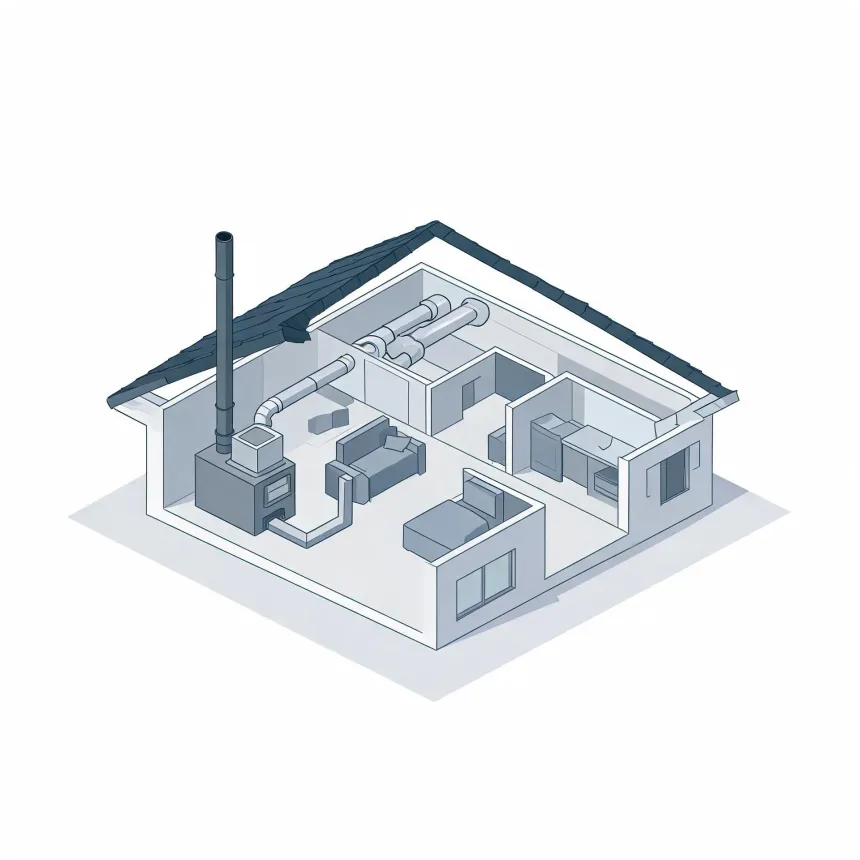
Estimates for a typical Rock Island County home, compared with an older unit built to the previous federal minimum, from EIA household energy data, Illinois fuel prices and NOAA climate normals. Your home will differ.
Repair makes sense when one part has failed and the heat exchanger is sound.
Replacement makes sense when the heat exchanger is cracked or the furnace keeps needing parts.
A repair is worth doing when the part that failed is one part, and the rest of the furnace is still carrying its share of the load without strain. That's a quick case: a flame sensor, a capacitor, a pressure switch. A furnace is a harder call when the failure is in something that's expensive to replace on its own, a heat exchanger or a blower motor, and the furnace is old enough that the next part to go is anyone's guess. At that point you're not really pricing one repair, you're guessing how many more are coming behind it. A tech who's been inside the cabinet can tell you which situation you're in. One failed part on an otherwise sound furnace is worth fixing. A furnace where one worn part is already putting stress on the next one is telling you something more than what broke today.