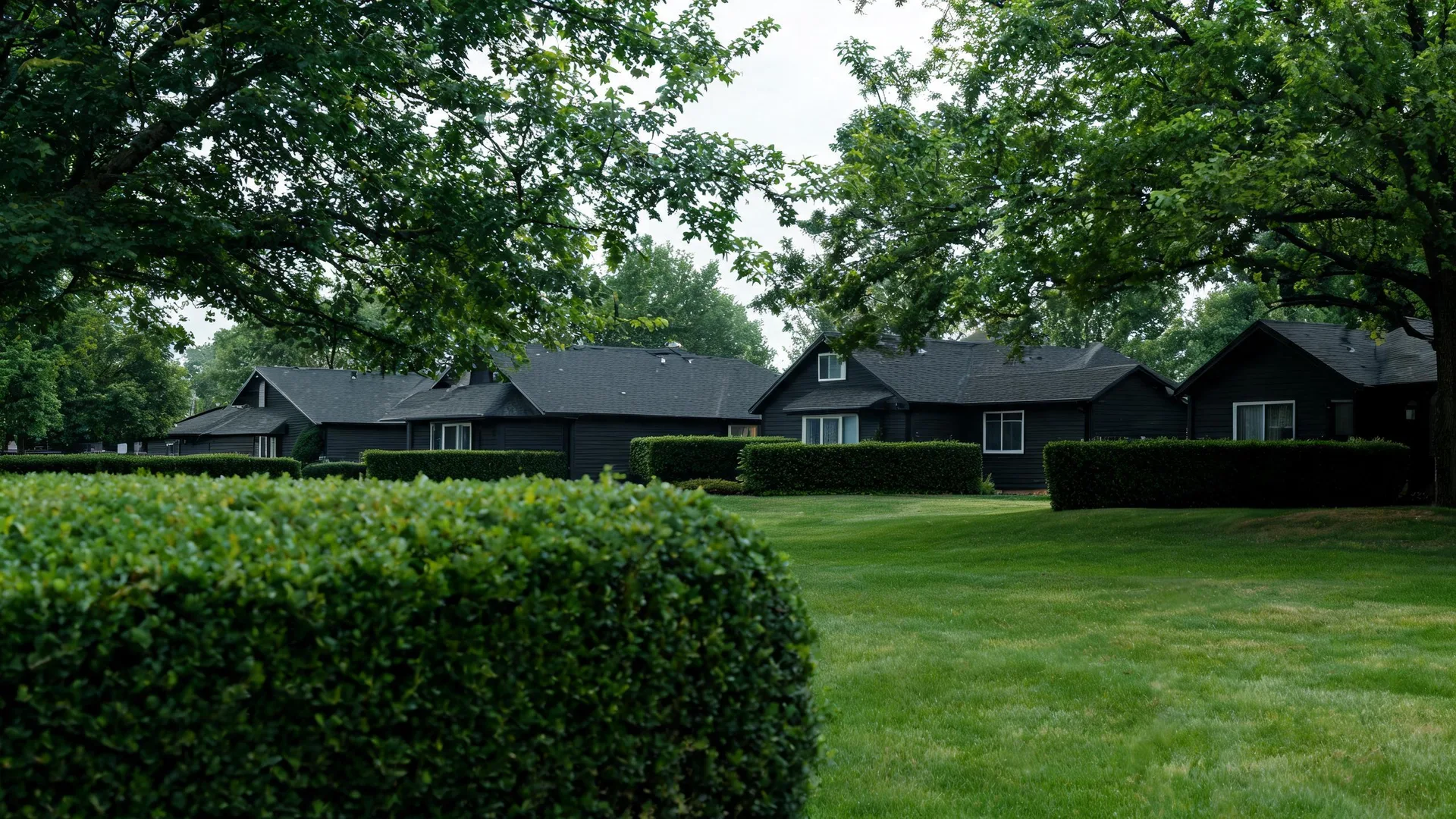
Dark-sided single-story buildings with gray shingled roofs behind trimmed hedges, a mown lawn, and large leafy trees overhead.

Furnace Repair in Chicago, IL

Tell us about the job

Takes about a minute. No obligation.

Step 1 of 3: Equipment

Cook County sees serious storms

Cook County logged 780 severe weather events between 2015 and 2024, including 548 damaging wind events, 171 hail events and 33 tornadoes. Winter added 20 more storms with heavy snow and ice. That's a lot of chances for a furnace or its outdoor components to take a hit.

Power doesn't always hold

16% of Illinois households lost power for a day or more in 2024. A furnace that depends on electricity to run its blower and ignition won't fire without it, no matter how sound the unit is otherwise.

8 months
October through May, your furnace is on duty
20°F
the average winter night it heats against
80%
of homes here heat with gas, so most furnaces here burn gas
20 winter storms
in ten years, the nights a failure hurts most
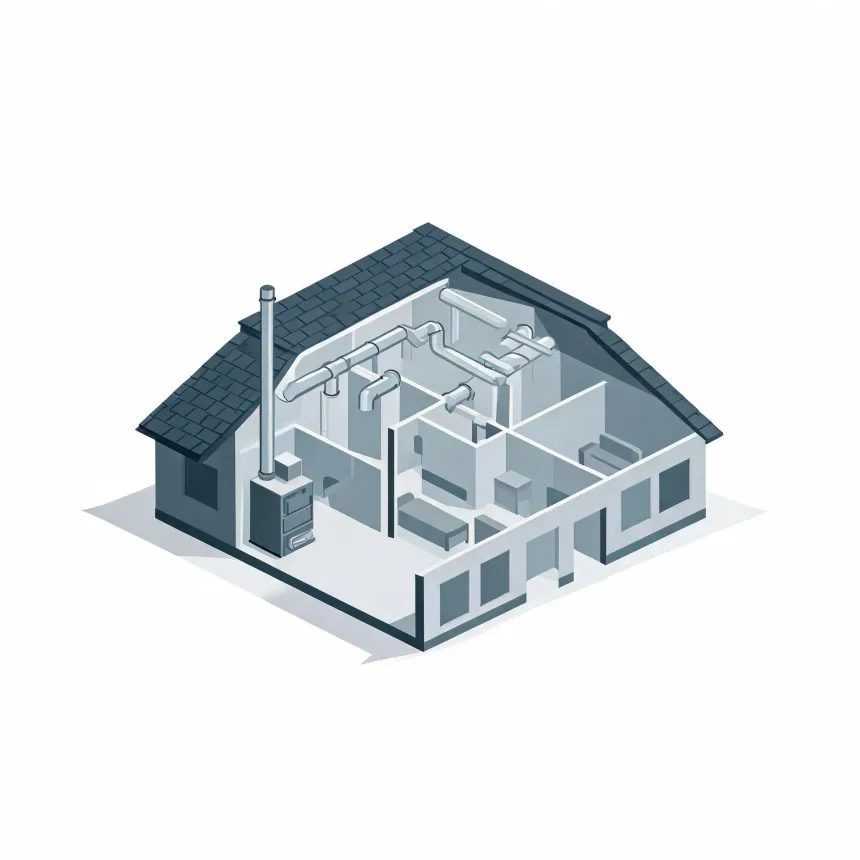
Isometric grayscale illustration of a cutaway house showing interior rooms, ceiling ductwork, a flue pipe, and a furnace unit on the left side.
Your furnace works hardest from November through March.

NOAA nClimDiv, 1991–2020 normals

Furnace season in Cook County runs October through May.

A weak igniter or blower motor that limped through last season tends to fail once October's first cold nights put real load on it.

Eight months of work a year wears a furnace down early

Heat runs October through May
Winter nights average 20°F
20 winter storms from 2015 to 2024
Half the furnaces here sit in houses built in 1961 or earlierA house that old has likely replaced its furnace at least once already

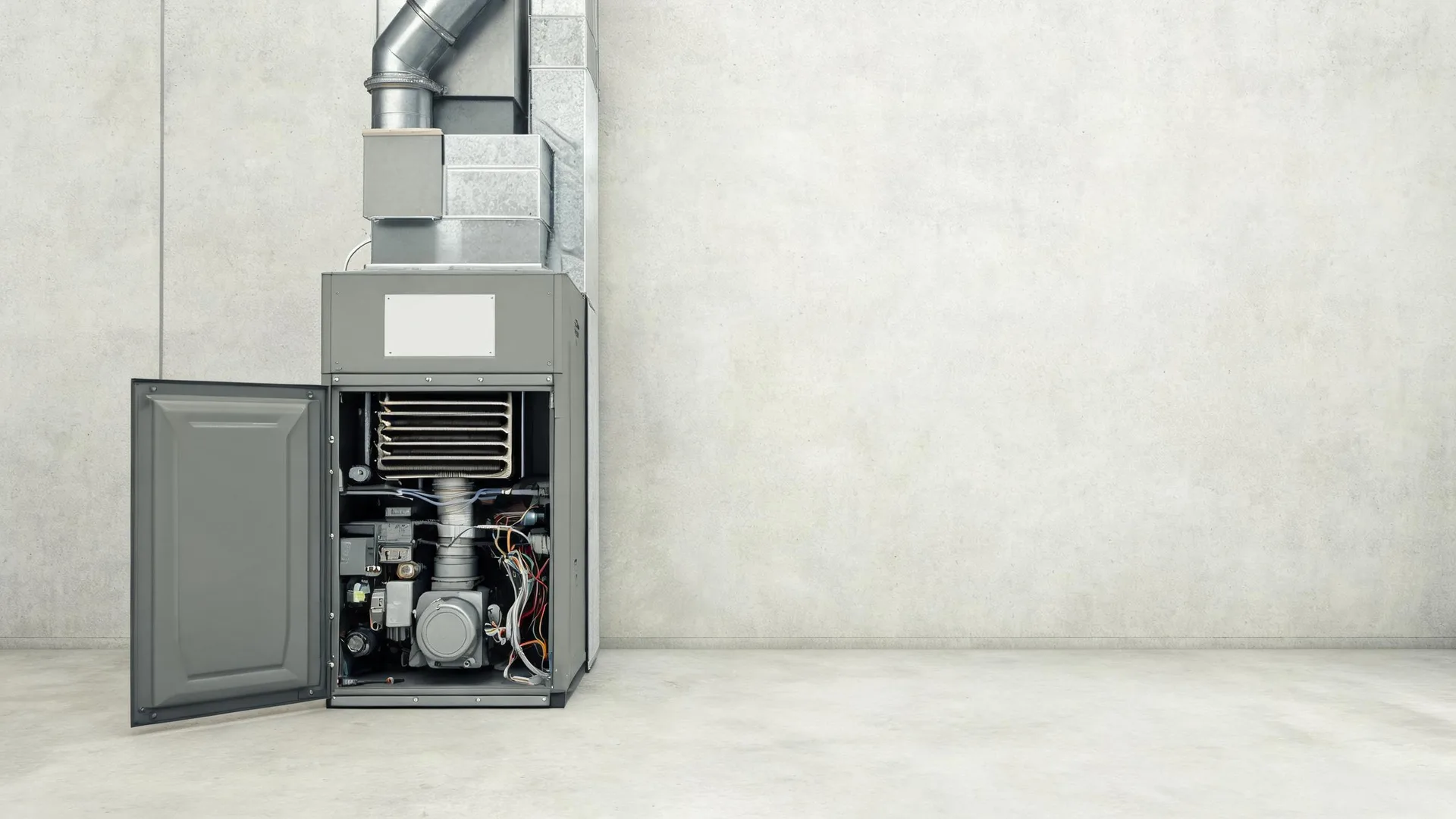
A tech starts by asking what the furnace is doing, or not doing, before touching anything. Short cycling, no heat, a smell on startup, a blower that won't shut off all point in different directions. From there it's a look at the flame itself, if it lights at all, what color it burns, whether it holds or drops out. The igniter gets checked for a weak glow or a crack. The flame sensor often gets pulled and cleaned, since a coated sensor will shut the burner down even when everything else is fine. Gas pressure gets tested at the valve. The blower motor and its capacitor get checked for the slow start or the hum that means they're wearing out. A combustion analyzer can measure what's coming out of the flue, since bad combustion can mean carbon monoxide even when the furnace seems to be heating fine. By the time that's done, the cause is usually narrow enough to name, not just guess at.

Get it looked at early

Problems tend to show up in the first weeks of the season, when the load hits a part that was already weak.

Find a contractor
A man in a cap, dark shirt and tan work pants carries a worn canvas tool bag up porch steps toward a dark blue front door, with a potted shrub beside the entry.
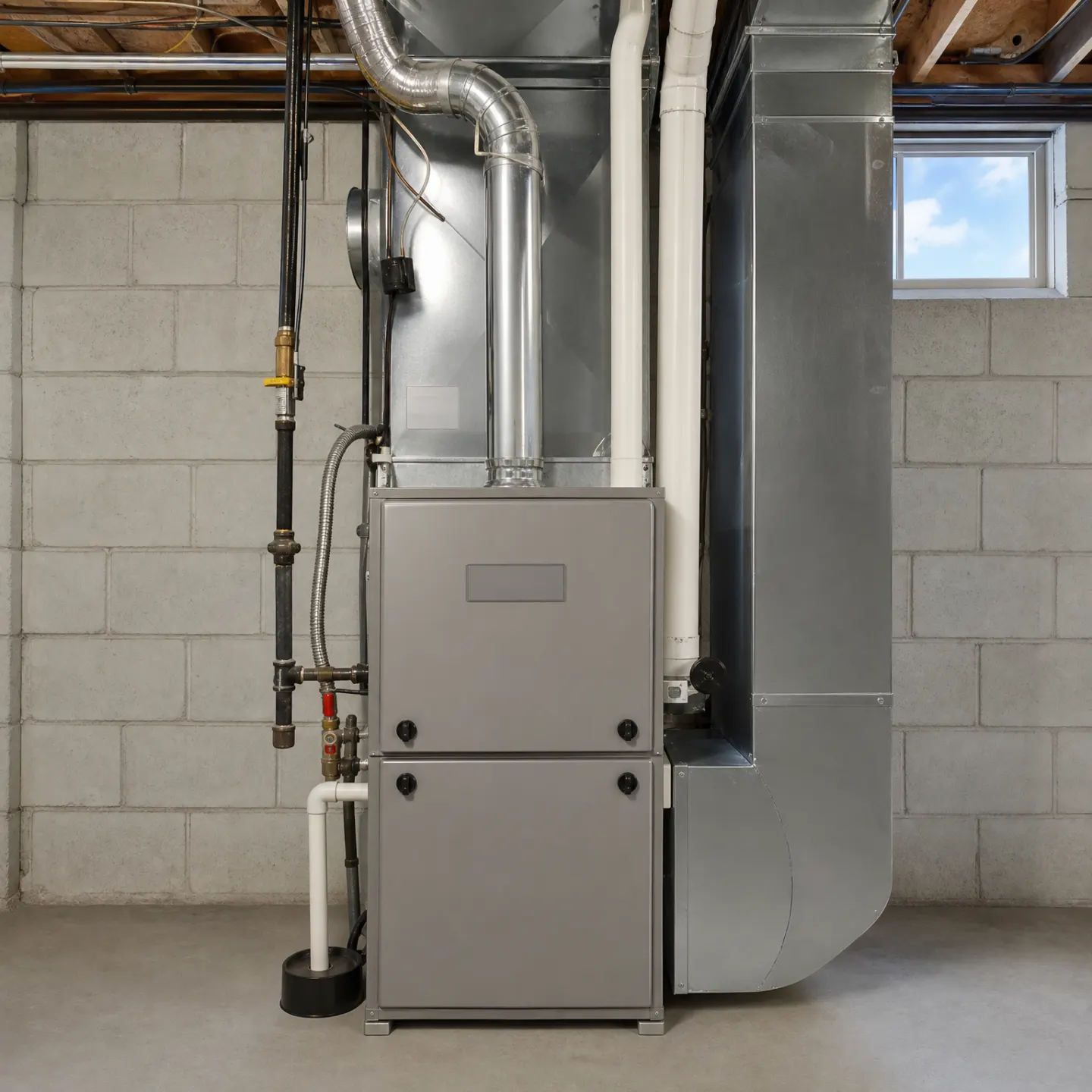
A gray high-efficiency gas furnace installed in an unfinished basement, surrounded by gas lines, a condensate drain, and sheet-metal ductwork.

Find the install date first

Before paying for a repair, check the panel on the furnace for an install date, or dig up the paperwork if you have it. A furnace in a house built in 1961 or earlier may already have been swapped out once, and if so the one in there now could still be young. Or it could be the original, which puts it well past the point where a repair bill should give you pause. Either way, the install date tells you which conversation you're having before a tech even shows up.

The signs rarely point to one thing

A furnace that short cycles, runs cold air, or clicks without lighting is telling you something specific, but the same symptom can trace back to different parts. A blower that won't stop might mean a bad limit switch or a cracked heat exchanger tripping safety controls. A furnace that won't start at all could be a dead igniter, a flame sensor coated with residue, or a closed gas valve. The symptom narrows the search. It doesn't name the part.

Some signs mean stop and call now

A burner flame that burns yellow or orange instead of blue, soot around the cabinet, or a sharp smell on startup are not wait-and-see problems. Those point toward incomplete combustion, which can put carbon monoxide into the air the furnace is supposed to be heating. Banging or booming when the burners light usually means gas is building up before ignition catches, which is also not something to run another cycle and see. Everything else, a noisy blower, a furnace that's slow to warm the house, weak airflow from the vents, can wait for a scheduled visit.

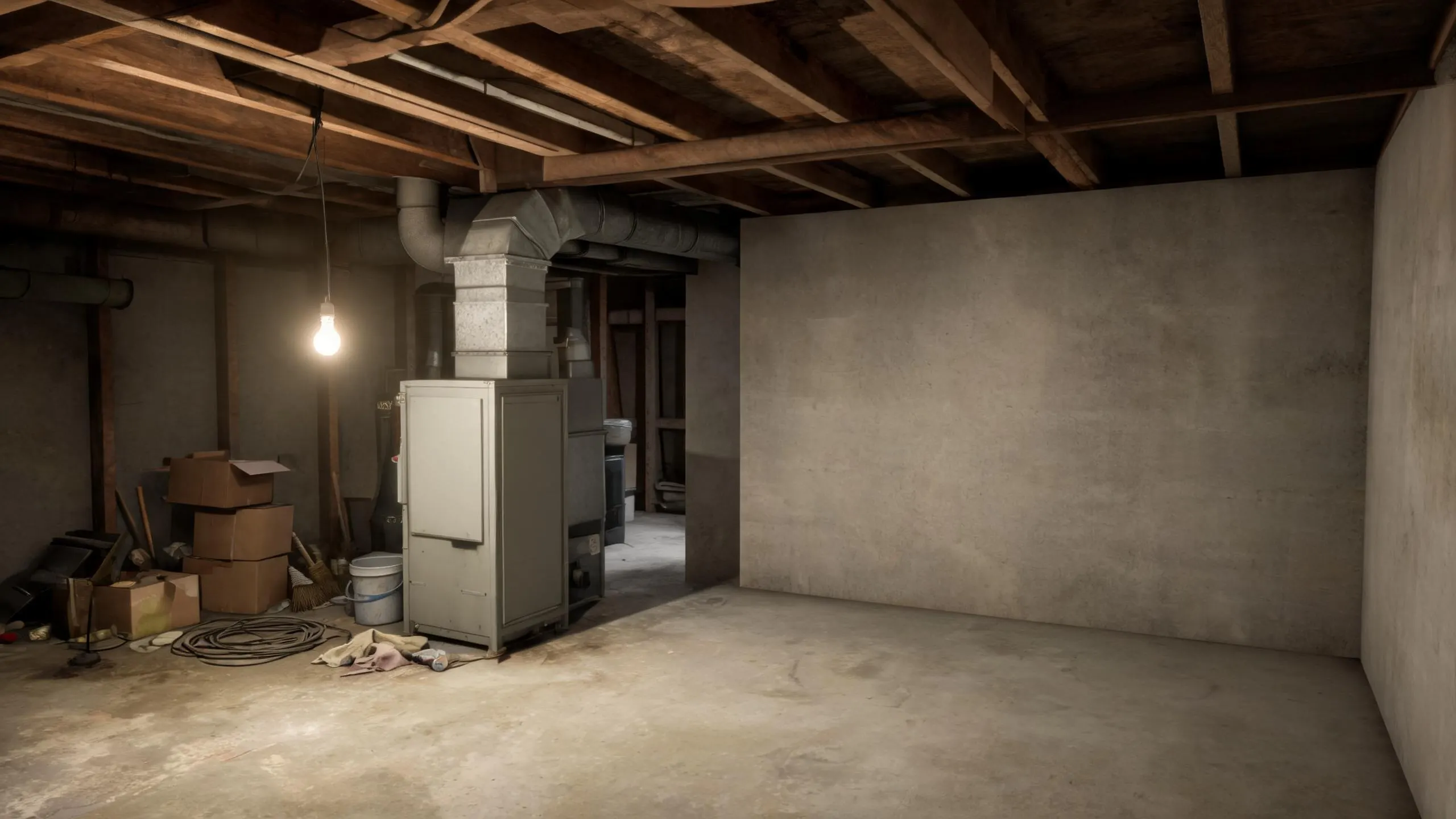
An unfinished basement featuring exposed ceiling joists, a metal HVAC unit with round ductwork, a hanging light bulb, and scattered boxes and debris along the left wall.

A new furnace would cut about $140 a year off heating for a typical Cook County home.

  • A new high-efficiency furnace$580 a year
  • An older furnace$720 a year

Estimates for a typical Cook County home, compared with an older unit built to the previous federal minimum, from EIA household energy data, Illinois fuel prices and NOAA climate normals. Your home will differ.

Repair makes sense when one part has failed and the heat exchanger is sound.

Replacement makes sense when the heat exchanger is cracked or the furnace keeps needing parts.

Age by itself doesn't settle whether a furnace is worth fixing. A cracked heat exchanger or a failed control board on an old unit is usually the end of the road, since the parts cost and the labor start to rival a new system anyway. But a dead igniter or a bad capacitor on that same old furnace is a cheap, fast fix, and replacing it tells you nothing about whether the rest of the furnace is failing too. The real question is whether the repair is fixing an isolated part or patching a machine that's breaking down in more than one place at once. A furnace that's needed two or three different repairs in as many years is telling you something a single breakdown doesn't. One more thing worth knowing: parts for an older furnace can get harder to find, and a tech having to hunt one down or substitute something close is itself a sign of where things are headed.