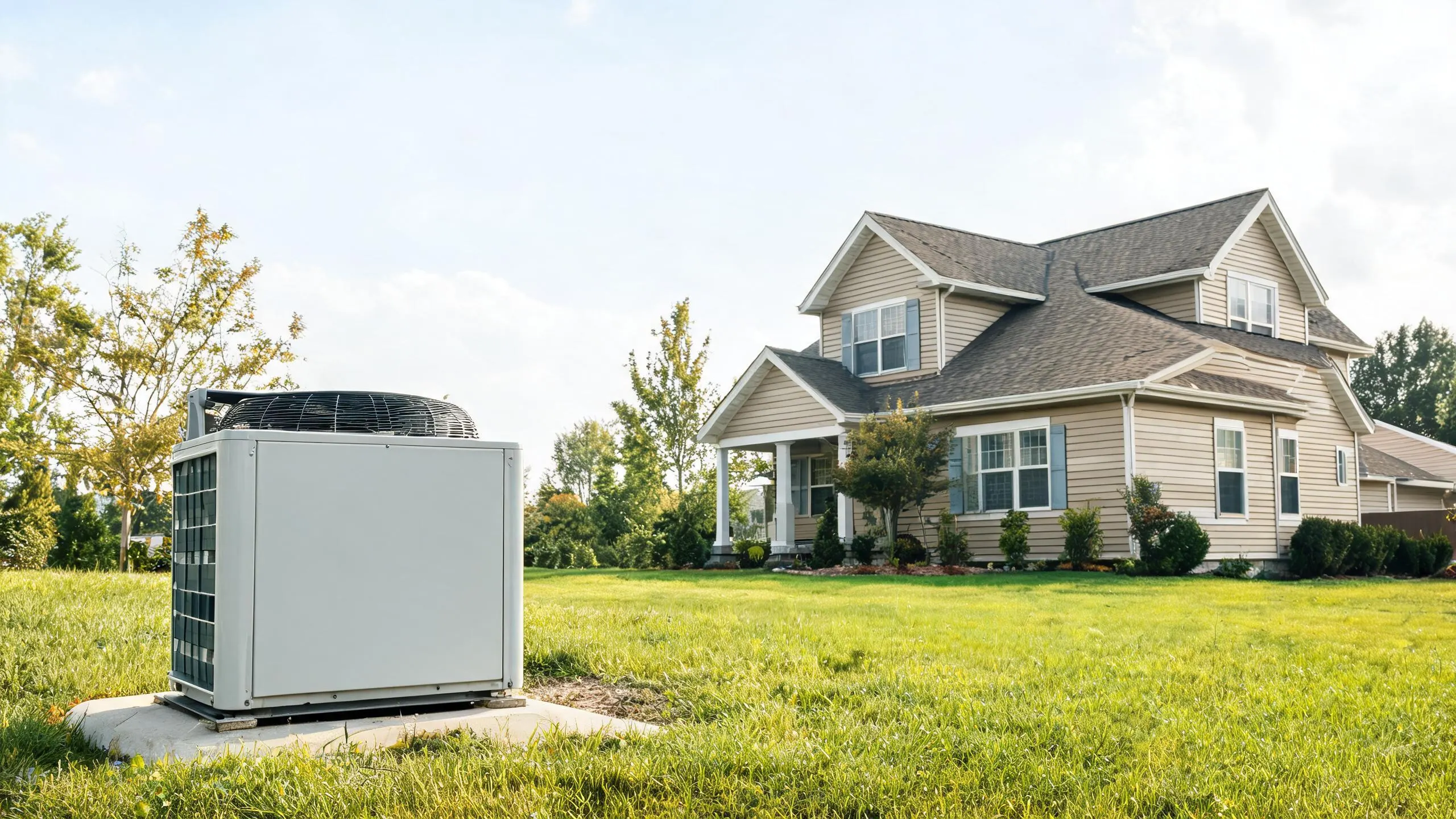




An outdoor HVAC condenser unit on a concrete pad in front of a two-story suburban house.

Heat Pump Installation in Kankakee, IL

Tell us about the job

Takes about a minute. No obligation.

Step 1 of 3: Equipment

Electricity in Kankakee County runs 18.08 cents per kilowatt-hour on average, higher than most of the country pays. A heat pump runs on electricity every time it cycles on, since it moves heat instead of burning fuel for it. Summers here add their own load. The dew point averages 63°F across June, July and August, so the system is pulling moisture out of the air along with the heat. A unit that does that work efficiently costs less to run than one that doesn't, and at these electric rates the difference shows up fast. Where you land on efficiency when you install matters more here than it would somewhere with cheaper power.

8 months
October through May, your system heats
3 months
June through August, it cools
20°F
the average winter night it heats against
83°F
the average summer afternoon it cools against
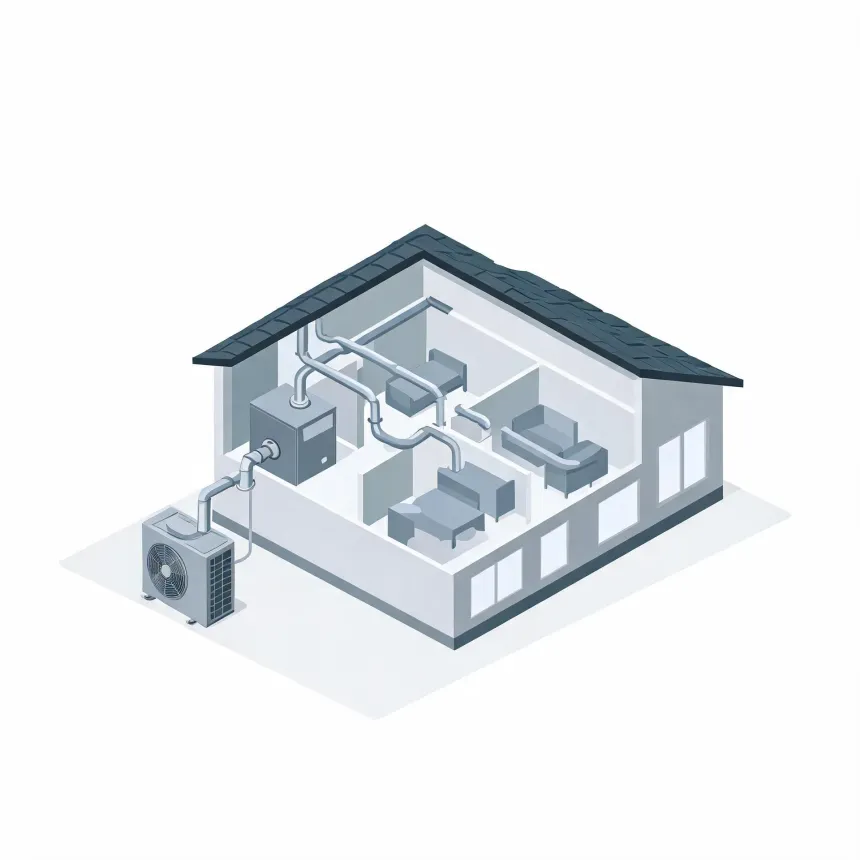
Isometric cutaway illustration of a single-story house showing an indoor air handler, branching ductwork through rooms with furniture, and an outdoor condenser unit connected by a line outside the wall.
Your system heats October through May and cools June through August.

NOAA nClimDiv, 1991–2020 normals

Gas heats 77.1% of homes in Kankakee County.

A heat pump installed here usually pairs with the furnace already in place, not replaces it.

Half these homes were built by 1972, and the heat pump has to work with that house

Half the homes here were built by 1972
99 damaging wind events from 2015 to 2024
21 hail events from 2015 to 2024
Get it in before the weather decides for youHeat pumps get installed here most often in May and September, right before the months they have to work hardest.

Kankakee County falls under climate zone 5A, a cool zone where the heating load outweighs the cooling load, in the federal energy code. Any split-system heat pump installed here, if manufactured from 2023 on, has to clear federal minimums on both ends: at least 14.3 Btu of heat moved per watt-hour of electricity over the summer, and at least 7.5 Btu per watt-hour over the winter. Those numbers set a floor, not a target. A contractor sizing a system for this county is already working above that floor, since winters here push the heating side harder than the rating itself requires. What's worth asking about is how far above the minimum a given unit sits, because that gap is what shows up on the electric bill later.

Pick the efficiency now, pay the difference every month after

The rating a system carries on install day is the rating it runs at for years. At the electric rates here, a unit sitting well above the federal minimum costs less to run than one that just clears it. That gap gets locked in once the install is done.

Find a contractor
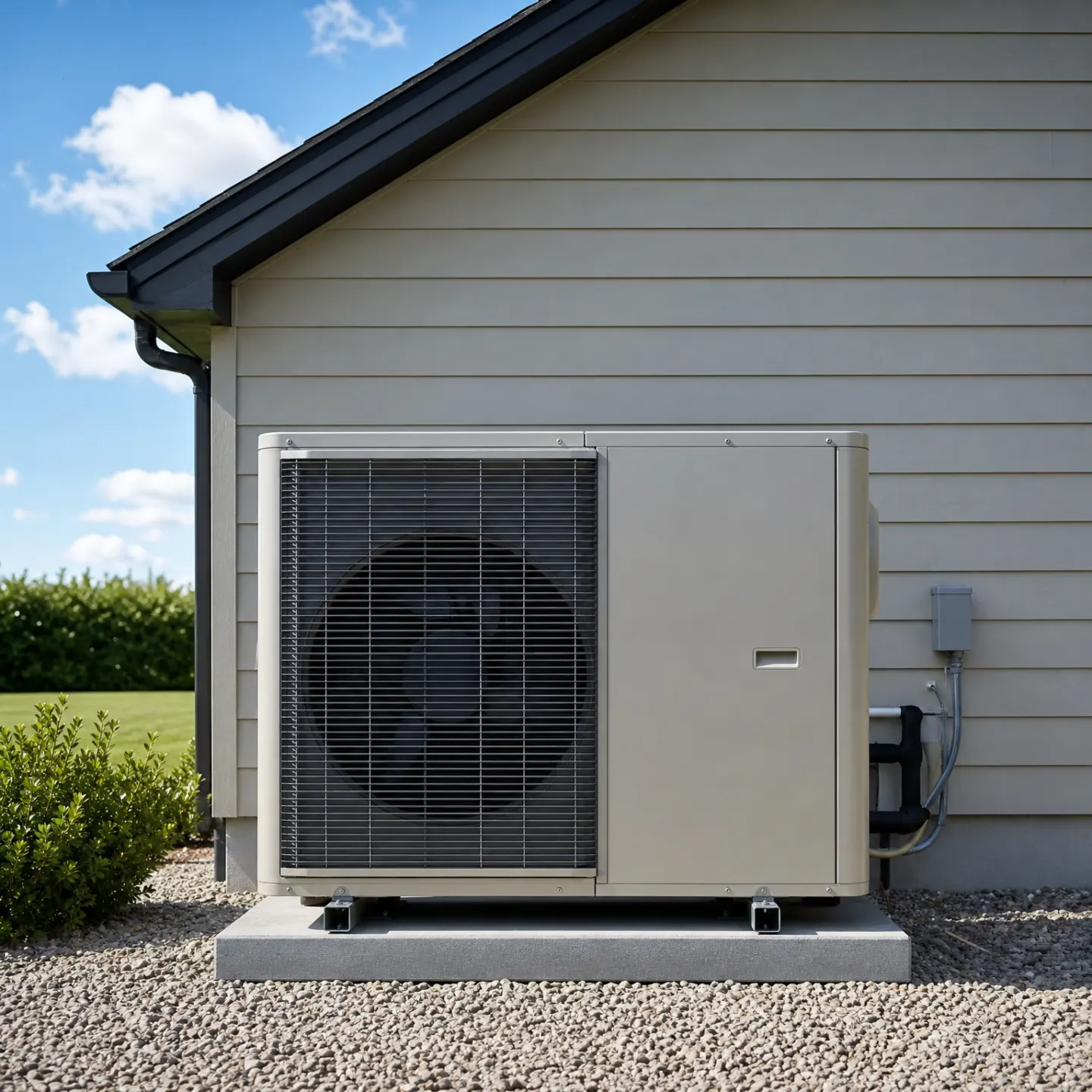
A residential heat pump outdoor unit mounted on a concrete pad next to a house with gray vinyl siding.

Sized once, running for years after

An older home runs different loads than new construction, and the walls, windows and ductwork already in place decide what size heat pump it needs. A load calculation at install time accounts for that. Guessing off the square footage or matching the old system's tonnage does not. Half the homes in Kankakee County were built in 1972 or earlier, so a lot of the installs happening now are going into houses that age or older. Get the sizing right once and the system runs the way it should for years after.

The install decides the price more than the equipment does

A heat pump needs a line set run between the outdoor unit and the indoor coil, a dedicated electrical circuit, and in most cases a new or modified air handler to pair with the outdoor unit. If the ductwork already in place is undersized or leaky, that gets addressed too, because a heat pump moves a steady, lower-temperature stream of air compared to a furnace and needs the ducts to carry it without a fight. None of that shows up on the unit's price tag, but all of it shows up on the invoice.
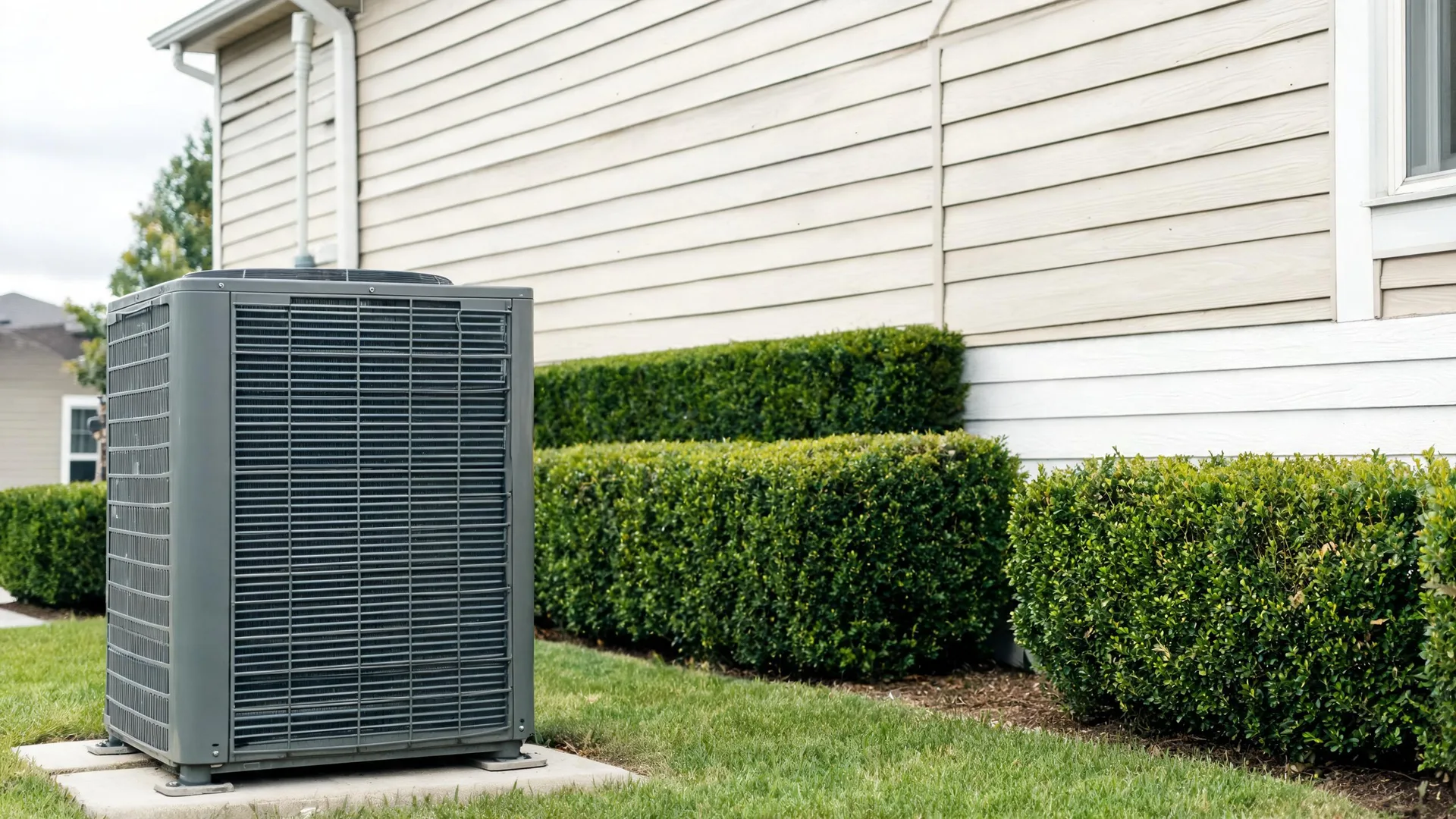
The cheapest unit to buy is rarely the cheapest one to run

Two outdoor units can look almost identical and carry very different efficiency ratings, because the difference is in the compressor, usually a variable-speed one in the higher-efficiency units instead of a single-speed, and in the size of the coils doing the heat exchange. A variable-speed compressor costs more up front and runs longer at lower output instead of cycling on and off at full blast. That's what keeps the electric bill down later, and it's worth weighing against the upfront number rather than picking on price alone.

The old system does not get left in place once a heat pump goes in. If there's a furnace staying in the picture for backup heat, the install only touches what connects to the outdoor unit and the air handler, the furnace itself stays put. But if a straight swap is happening, like an old air conditioner coming out to make room for the heat pump's outdoor unit, that unit gets disconnected, the refrigerant recovered from the line set, and the whole thing hauled off. Refrigerant can't just be vented to the air, so recovering it before anything gets unhooked is standard practice, not an extra step. The line set usually gets replaced anyway rather than reused, since the sizing and the oil residue in old copper rarely suit a new system. Whatever gets pulled out, the old condensing pad and electrical whip often stay, because the new unit can sometimes sit on the same pad and tie into the same circuit if it's rated for it. A contractor checks that case by case rather than assuming it will work.

Install day starts before anyone touches a wrench, with the crew confirming the load calculation and equipment match against what was sized earlier, since the whole job follows from that. The outdoor unit gets set on its pad and leveled, the indoor coil goes in or gets swapped for one that matches the new system, and the line set gets run and brazed between the two. Once the lines are connected, the system gets pressure tested, then pulled into a vacuum to pull out any moisture and air before refrigerant goes in, because trapped moisture in the lines causes problems well before a unit ever gets old. The electrical circuit gets tied in and checked against the unit's rated draw. Then comes startup: checking refrigerant charge, airflow across the coil, and the temperature split between the air going into the system and the air coming back out. A contractor walks the thermostat settings and the backup heat setup before leaving, since a heat pump working alongside a furnace needs that handoff set correctly from day one.