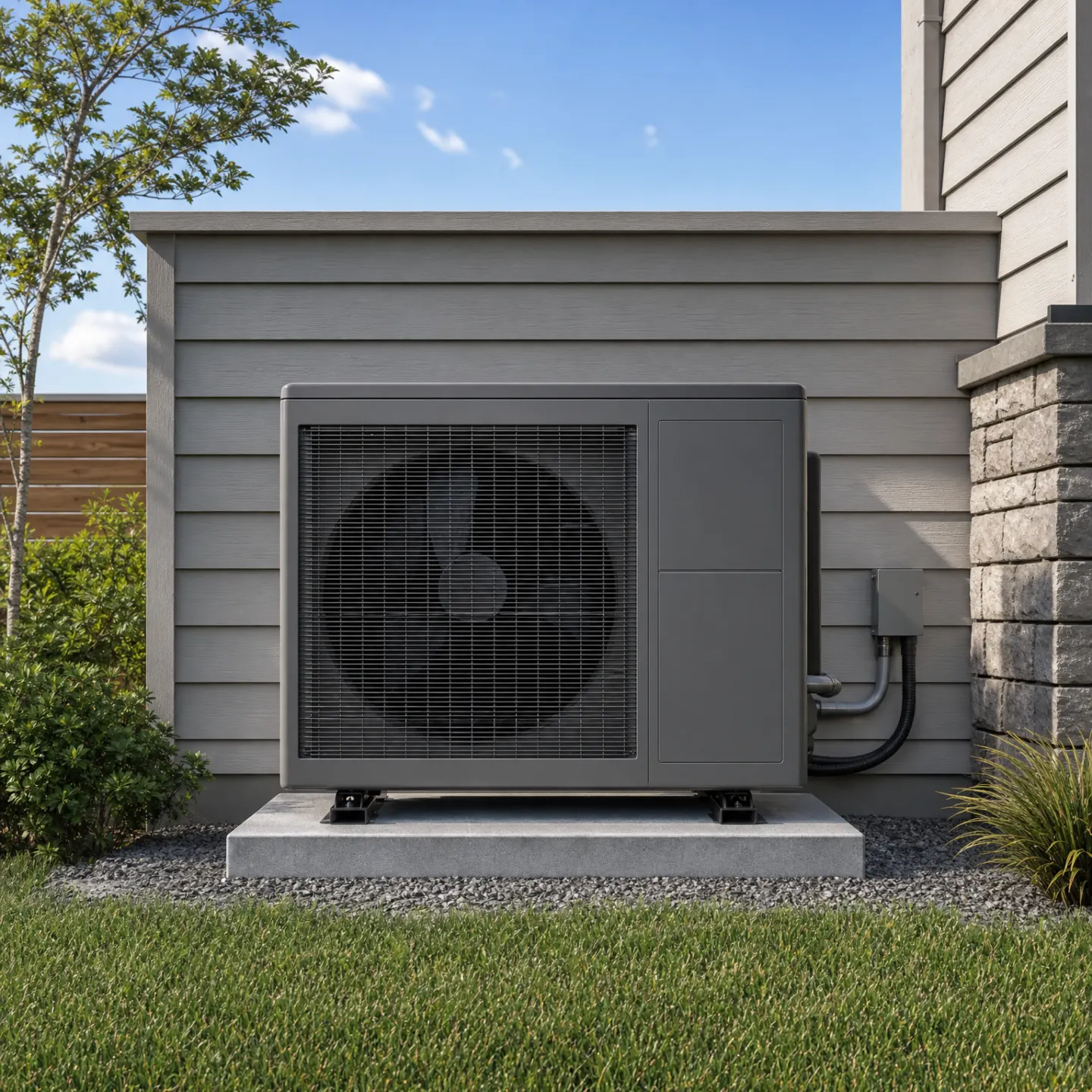
A grey heat pump outdoor unit mounted on a concrete pad against the exterior wall of a house with grey siding and stone veneer.

Heat Pump Repair in Kankakee, IL

Tell us about the job

Takes about a minute. No obligation.

Step 1 of 3: Equipment

Winter is the real test

Kankakee winters average 20°F overnight through December, January and February, and that's when a heat pump works hardest to keep up. If yours is struggling, it's usually a problem that shows up under that load, not a sign the cold here is extreme.

Most calls are the usual causes

A heat pump that's short cycling, running constantly, or blowing cool air in winter is almost always a refrigerant charge issue, a failing defrost control, or a worn component, the same causes you'd find anywhere. Finding which one it is settles the repair.

8 months
October through May, your system heats
3 months
June through August, it cools
20°F
the average winter night it heats against
83°F
the average summer afternoon it cools against
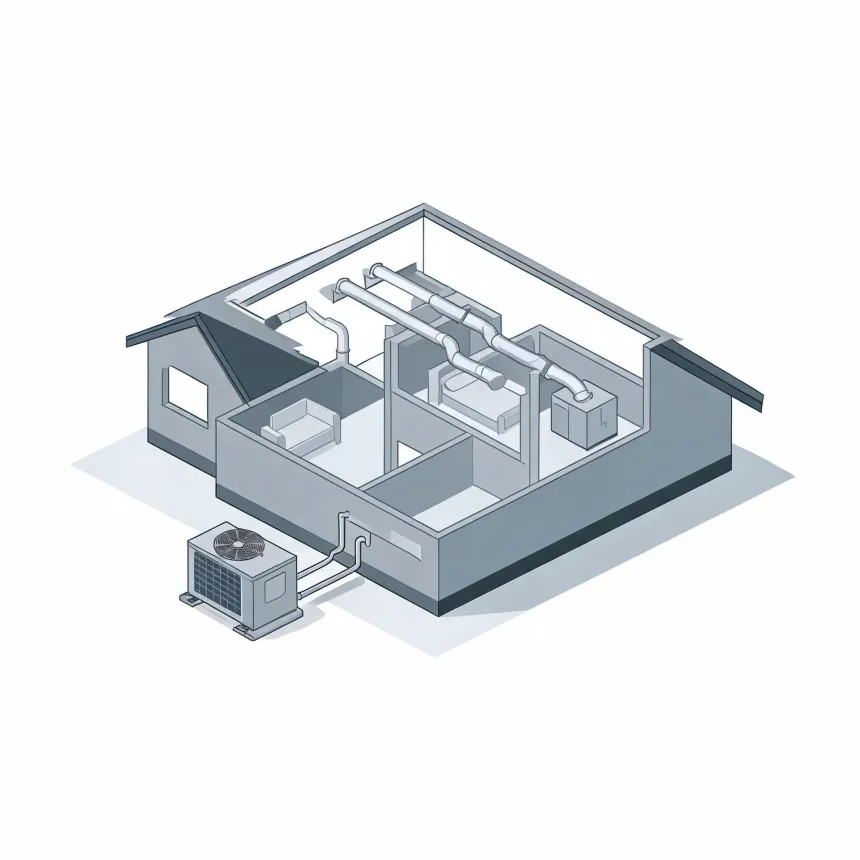
Isometric grayscale illustration of a cutaway house showing interior rooms, ceiling ductwork and an air handler, connected by lines to an outdoor condenser unit on a pad outside.
Your system heats October through May and cools June through August.

NOAA nClimDiv, 1991–2020 normals

Heat here starts in October, so September is when a weak heat pump gets found out.

The first cold snap puts load on it that May and June never did, and that's when a worn part finally gives.

Kankakee sees its share of storms and outages, but none of it singles out your heat pump

142 severe weather events from 2015 to 2024
16% of homes statewide lost power a day or more in 2024
99 damaging wind events from 2015 to 2024

Repair and replace both put the unit back to working order. The choice comes down to what else is likely to fail next. A heat pump that's needed a few different repairs over a few years is telling you something. One worn part got fixed, then another did, and that pattern tends to continue since the parts around it are aging together. A unit on its first real repair is a different case. One bad capacitor or a single refrigerant leak doesn't say anything about the rest of the system. Weigh the repair against what the unit has left to give, not just what it costs to fix the one thing in front of you.

A heat pump running badly costs more here than it should

Illinois electricity runs 15.87 cents per kilowatthour. A heat pump that's short cycling or running constantly to keep up is burning through that every day it goes unfixed. Getting the real cause found now stops that.

Find a contractor
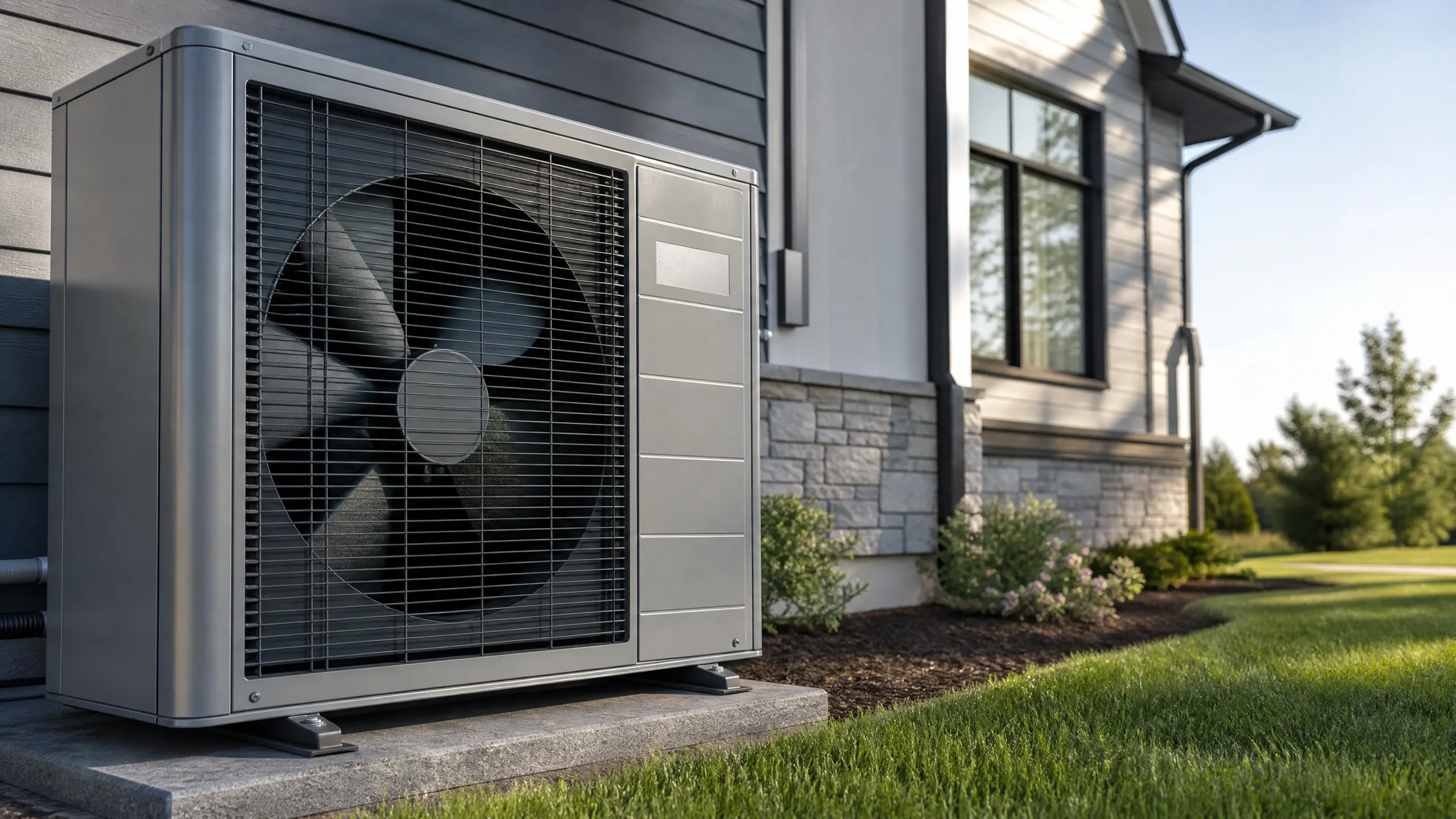
A gray heat pump outdoor unit mounted on a concrete pad next to a residential house with lap siding and stone accents.

Ask what the repair buys you

A tech can tell you where the unit stands, how many years it likely has left, and whether this repair is worth making against that. Ask them straight before you approve the work.

A refrigerant leak only gets worse

A heat pump low on charge will keep running if you let it, but it's moving less heat each cycle and working harder to do it. Left alone, the compressor is pushing oil through the system with less refrigerant to carry it, and that wear doesn't reverse itself. What starts as weak heat can end as a compressor that needs replacing instead of a leak that needed patching.

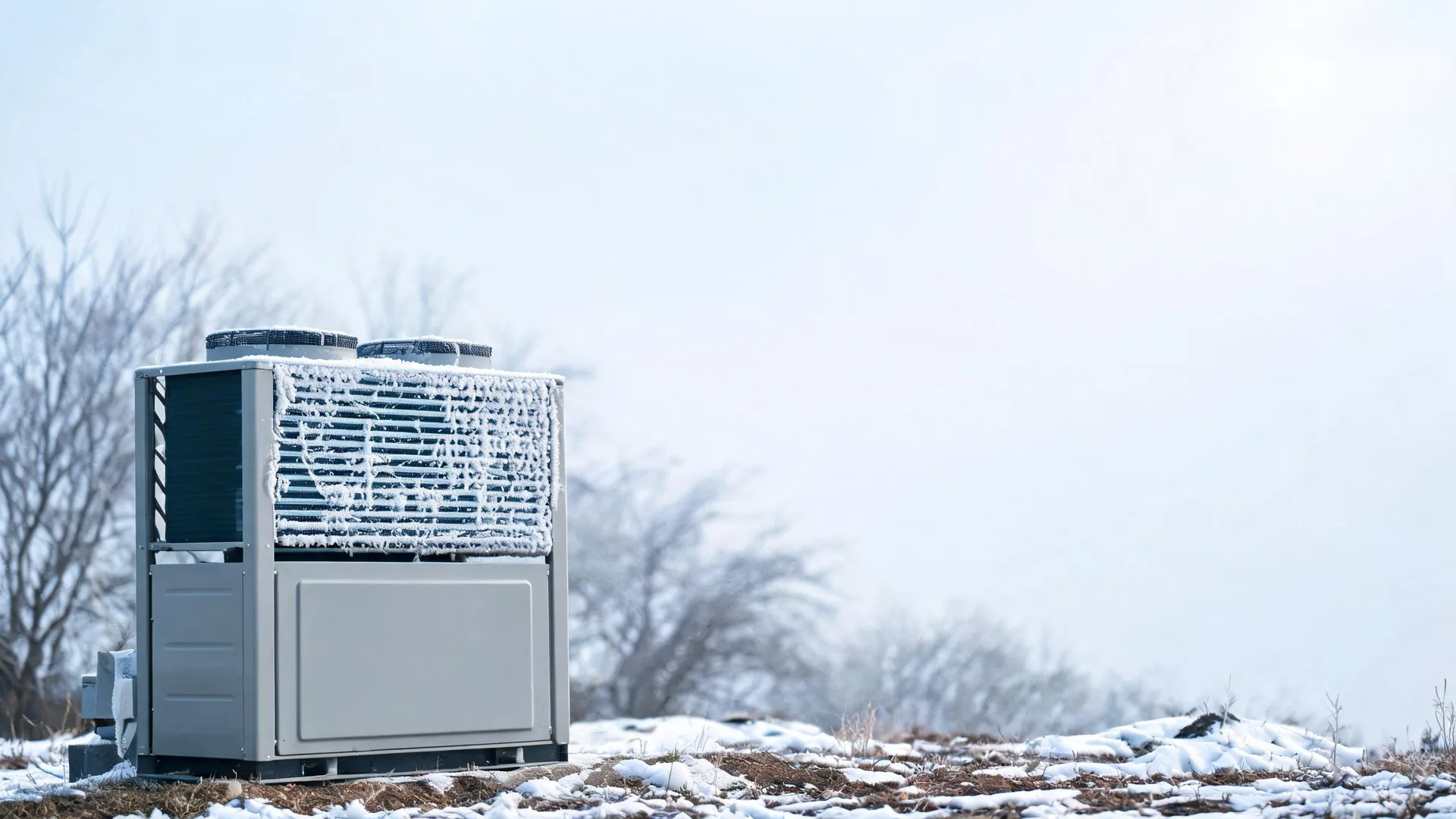
A struggling defrost cycle can freeze the coil solid

When the defrost control isn't triggering right, frost builds on the outdoor coil instead of clearing. Keep running it and that frost turns to ice, blocking airflow across the coil entirely. At that point the unit isn't just inefficient, it can't move heat at all until the ice is dealt with, and running it hard in that state is what bends fan blades and strains the motor behind them.

A heat pump fails the same way whether it's new or old, something that moves heat gives out. The reversing valve is a common one. It's what switches the system between heating and cooling, and when it sticks, the unit can get stuck in one mode or stop switching at all. Contactors and capacitors wear out too, they're what gets the compressor and fans started, and a weak one shows up as a unit that hums but won't start, or shuts off on its own. The outdoor fan motor takes a beating since it runs in everything the weather does, rain, ice, grit in the air. Bearings go, windings burn out, and when it stops turning the whole unit overheats and shuts down to protect itself. None of this is about how old the system is on paper. It's about which part finally wore past the point of doing its job.

A diagnostic visit starts with the complaint, not the unit. The tech asks what it's doing. Blowing cold air, cycling fast, running nonstop, tripping a breaker. Each of those points somewhere different. Then comes the gauge set, checking refrigerant pressure against what the system should be holding at that outdoor temperature. A low charge shows up fast that way. From there it's the electrical side. The capacitor and contactor get tested under load, since both can look fine sitting still and fail the moment they're asked to start something. The defrost board gets checked too. A unit that won't switch out of defrost, or won't go into it, points at a specific fault rather than a vague one. None of this is guesswork. Each test rules something in or out, and by the end the tech can name the one part that's actually failing instead of a list of maybes.