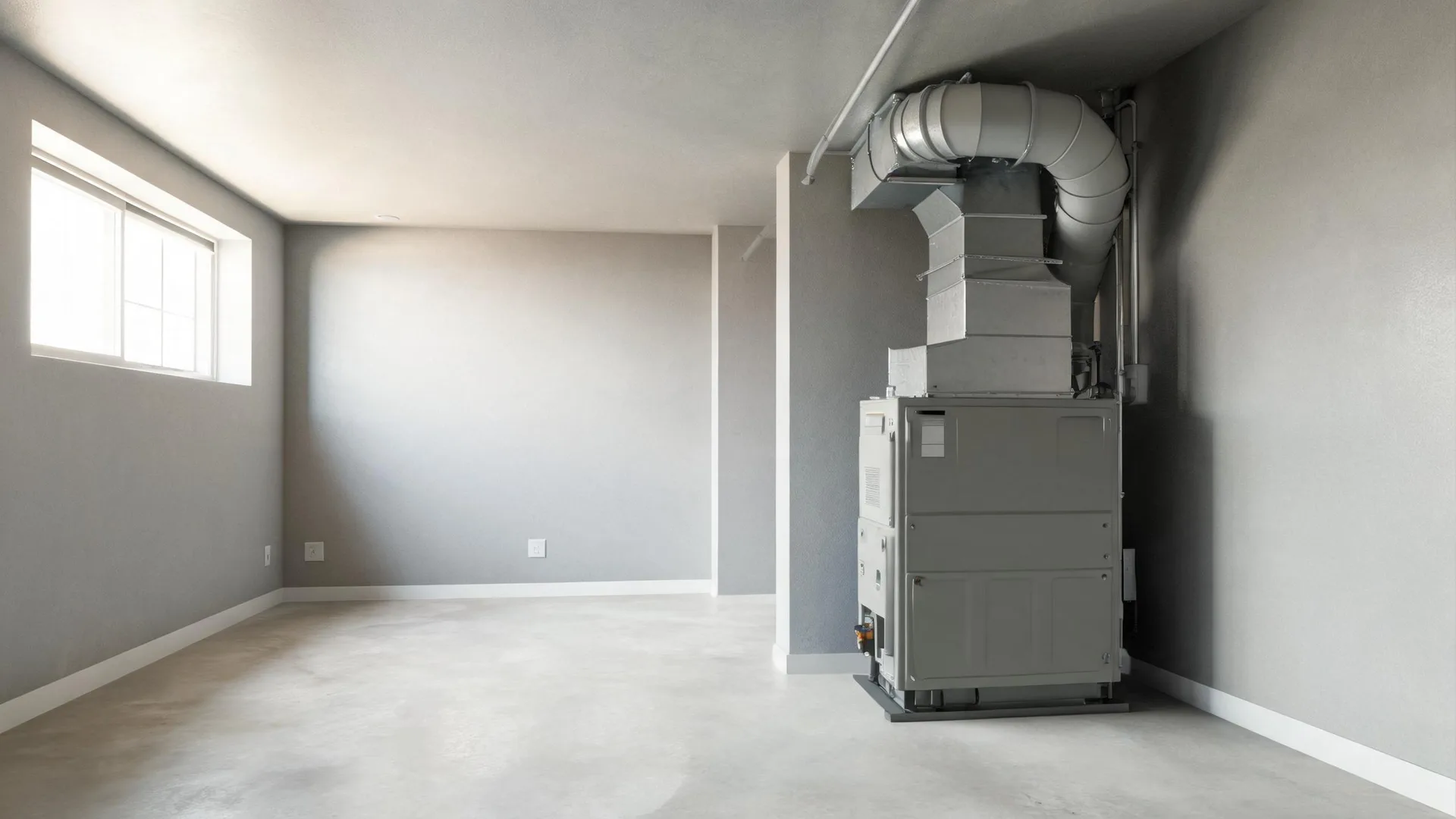
Eight months of runtime
A furnace in Kankakee County works from October through May most years. That's eight months of cycling on and off, heating the house through the coldest stretches winter has to offer.
Takes about a minute. No obligation.
A furnace in Kankakee County works from October through May most years. That's eight months of cycling on and off, heating the house through the coldest stretches winter has to offer.
A furnace running this much of the year needs to be sized for the house it's going into, not just swapped for whatever was there before. The wrong size means it works harder than it should, every one of those eight months.
NOAA nClimDiv, 1991–2020 normals
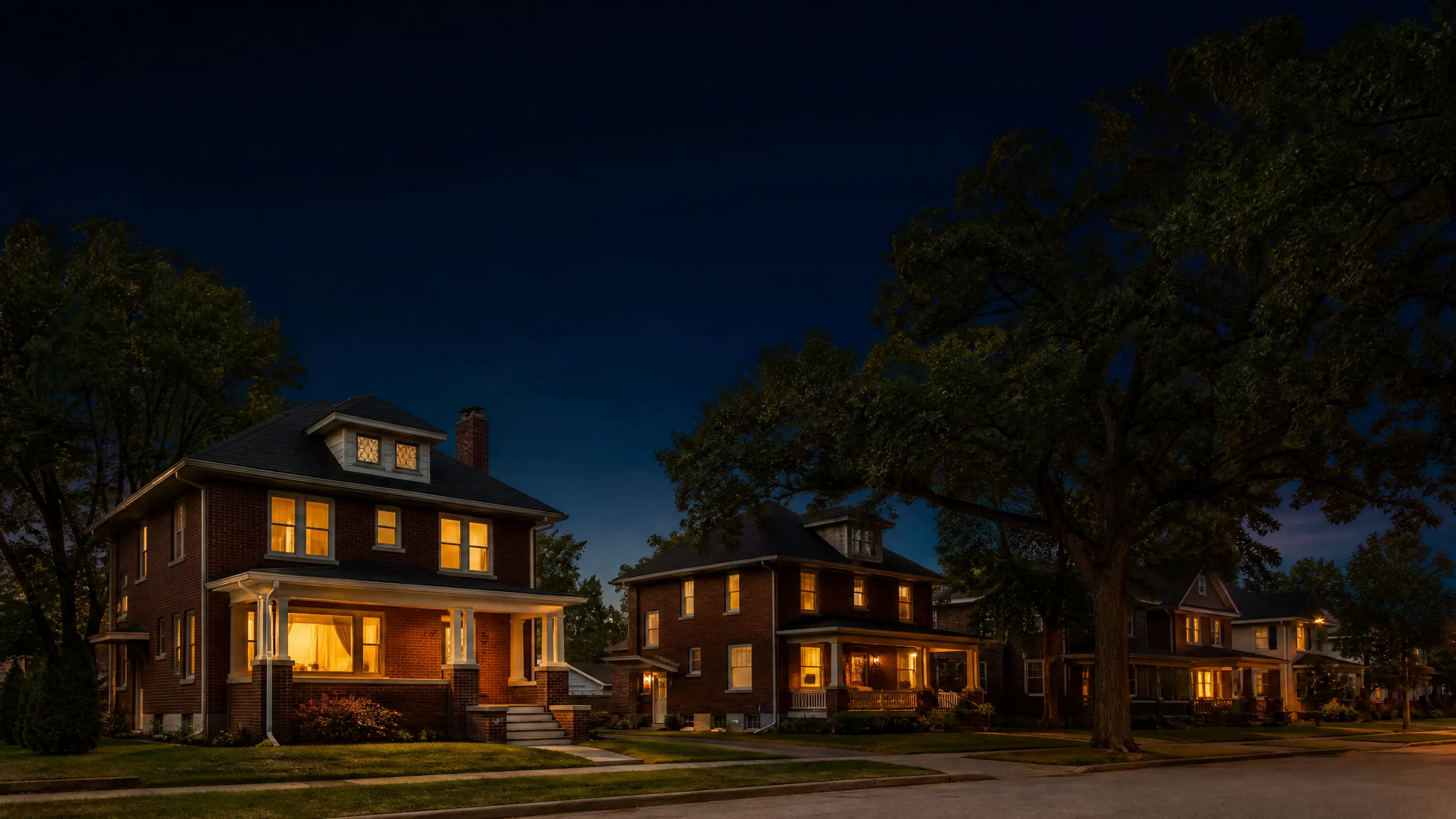
Half the homes in Kankakee County were built in 1972 or earlier.
A furnace going into a house that old has to be sized and vented for the place, not just swapped in.


Kankakee County falls under zone 5A in the 2021 energy code, a cool, humid zone where heating carries most of the load. That rating sets a floor for any furnace going in here. Furnaces built from November 2015 on have to turn at least 80 percent of the gas they burn into heat over a winter. That's already the standard for what's sold today, so it won't change which units a contractor can offer. It does mean the furnace going into your house has to be built for a long, hard heating season, not a mild one.
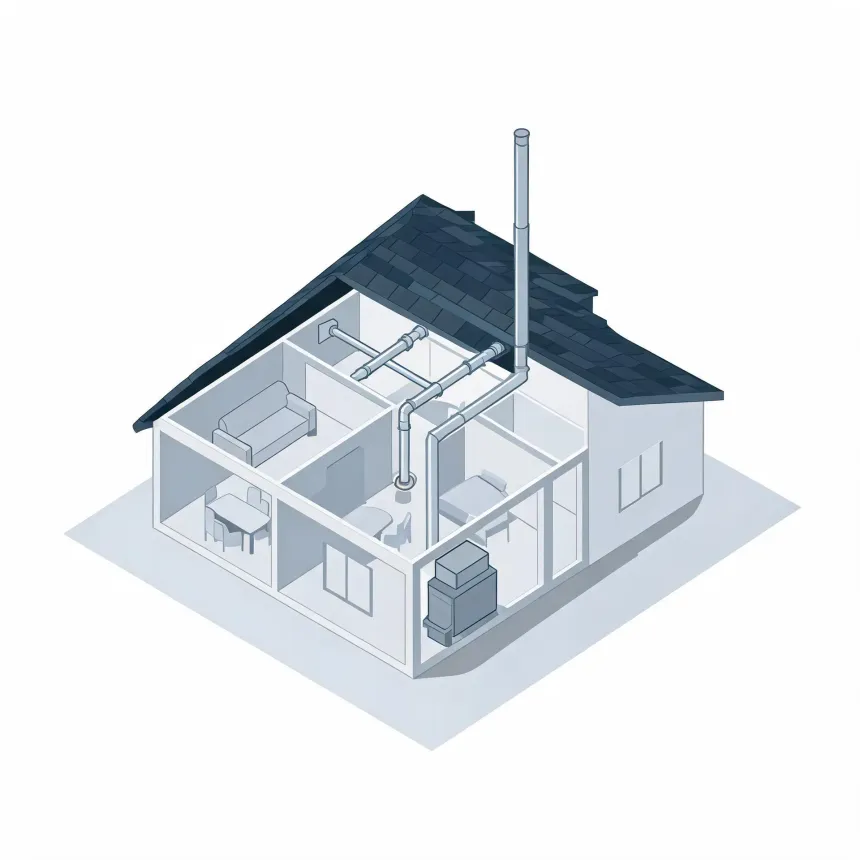
A furnace going into a house built in 1972 or earlier has to be matched to that house, not sized off a chart for new construction. That means a load calculation for your place, ductwork checked for what it is now, venting confirmed before anything gets installed. Get that part right and the furnace fits the house for as long as it runs.
Find a contractor
Eight months of heat a year means this furnace is never really off for long. It shuts down in May and starts back up in October, and in between there's no long stretch where it just sits. Buy on price alone and you get a unit that's cycling that hard for years before anything else about the house changes. The better move is picking a furnace built to run this much, not the cheapest one that happened to fit the closet.
A furnace gets sized by working out how much heat a house actually loses through its walls, windows, attic and floor, room by room, not by matching the number stamped on the unit being replaced. That calculation accounts for the square footage, the ceiling height, how many windows face which direction, and how the rooms connect. Skip it and you're guessing.
A furnace too big for the house heats the air fast and shuts off before it pulls moisture out or warms the walls and floors evenly, so the house feels drafty even with the thermostat satisfied. It cycles on and off more often, and every start and stop puts wear on the igniter and the blower motor. Bigger isn't the safe choice. Matched to the house is.
Estimates for a typical Kankakee County home, from EIA household energy data, Illinois fuel prices and NOAA climate normals. Your home will differ.
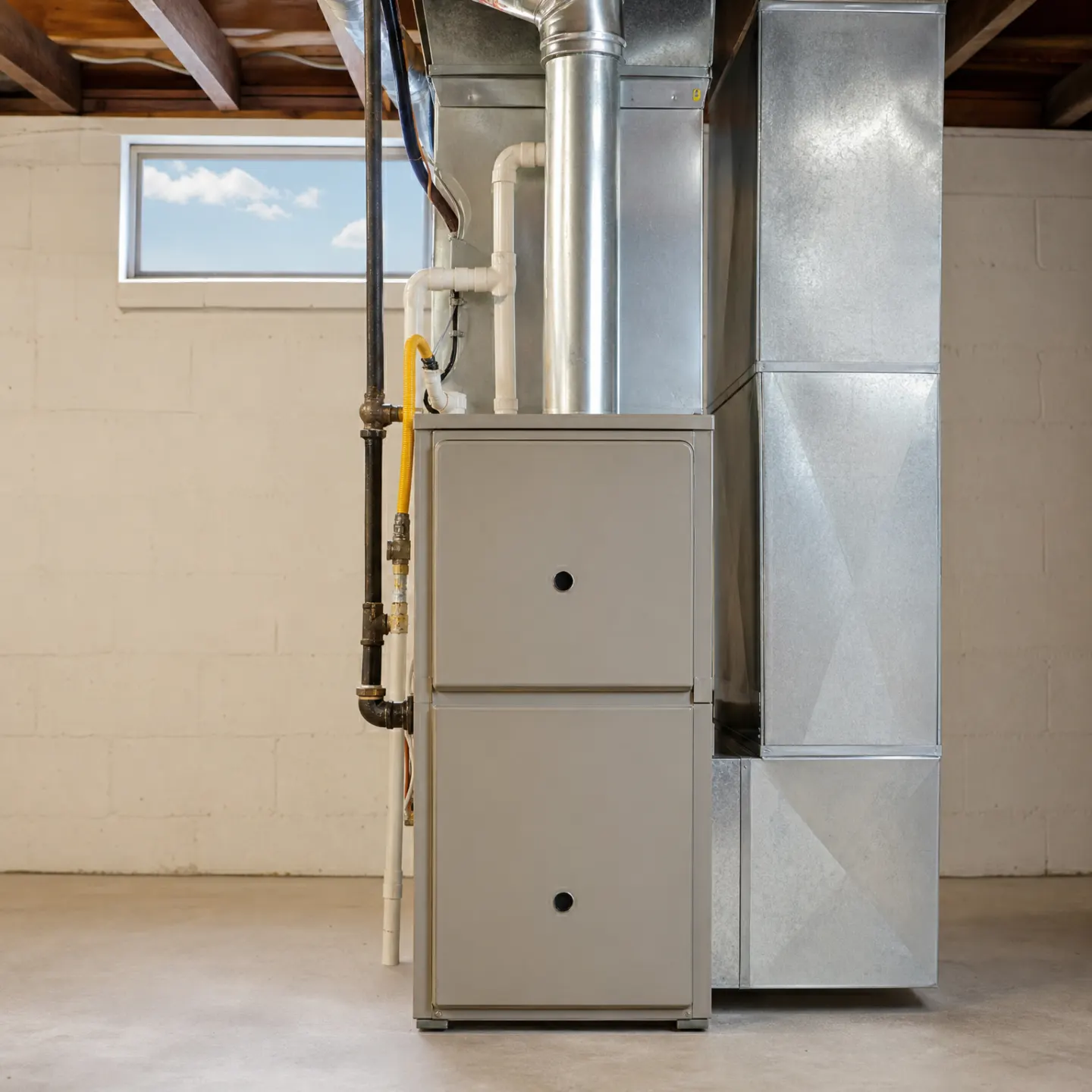
Installation day starts before anyone touches the old furnace. The contractor shuts off gas and power, then disconnects the ductwork, the vent pipe and the gas line from the unit being replaced. Taking out the old one usually goes fast. Setting the new one takes longer, because the ductwork has to connect cleanly, the vent has to run correctly, and the gas line and electrical have to meet code, not just hook up to whatever was there. Once it's in, a tech fires it up and checks the flame, checks for gas leaks, and measures the temperature rise through the system to confirm it matches what the furnace is built for. Airflow gets checked room by room before anyone calls the job done. A furnace installed right should run that same way for years without anyone thinking about it again.