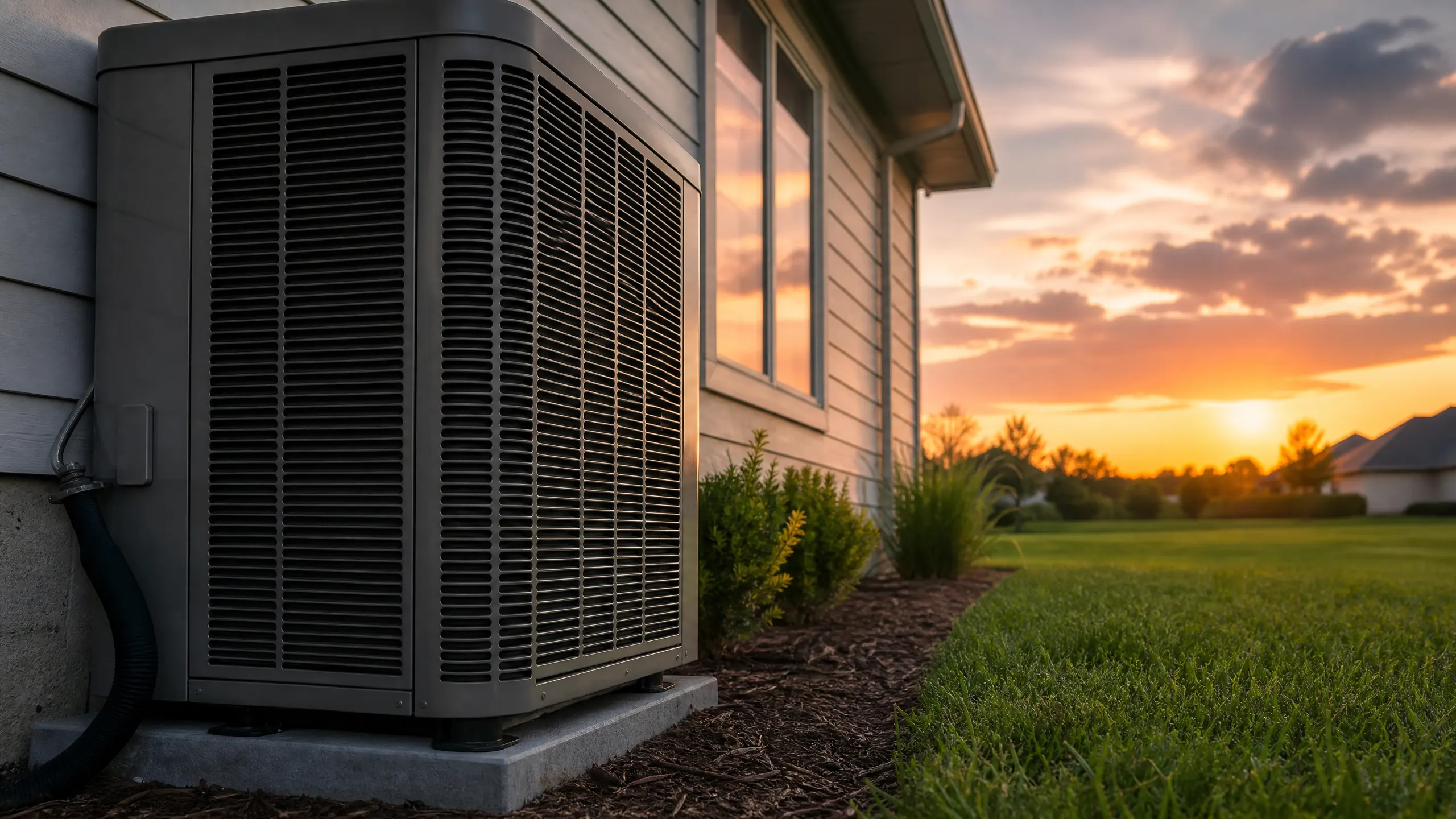





An outdoor air conditioning condenser unit mounted on a concrete pad beside a house at sunset.

Heat Pump Repair in Granite City, IL

Tell us about the job

Takes about a minute. No obligation.

Step 1 of 3: Equipment

A heat pump works year round, so it rarely fails without warning. An aging compressor often shows itself first as weak heating or cooling, long before it quits for good. If the compressor itself is failing, replacement usually makes more sense than repair, since a new compressor is a major expense on an older unit. But if the problem is a capacitor, a contactor, or the reversing valve, that's a straightforward repair on a system that still has plenty of life left. The reversing valve is worth asking about by name, since it's what lets the unit switch between heating and cooling, and a stuck valve can look like a much bigger problem than it is. Age and repair history matter more than how the unit sounds or looks from the outside.

7 months
October through April, your system heats
5 months
May through September, it cools
25°F
the average winter night it heats against
86°F
the average summer afternoon it cools against
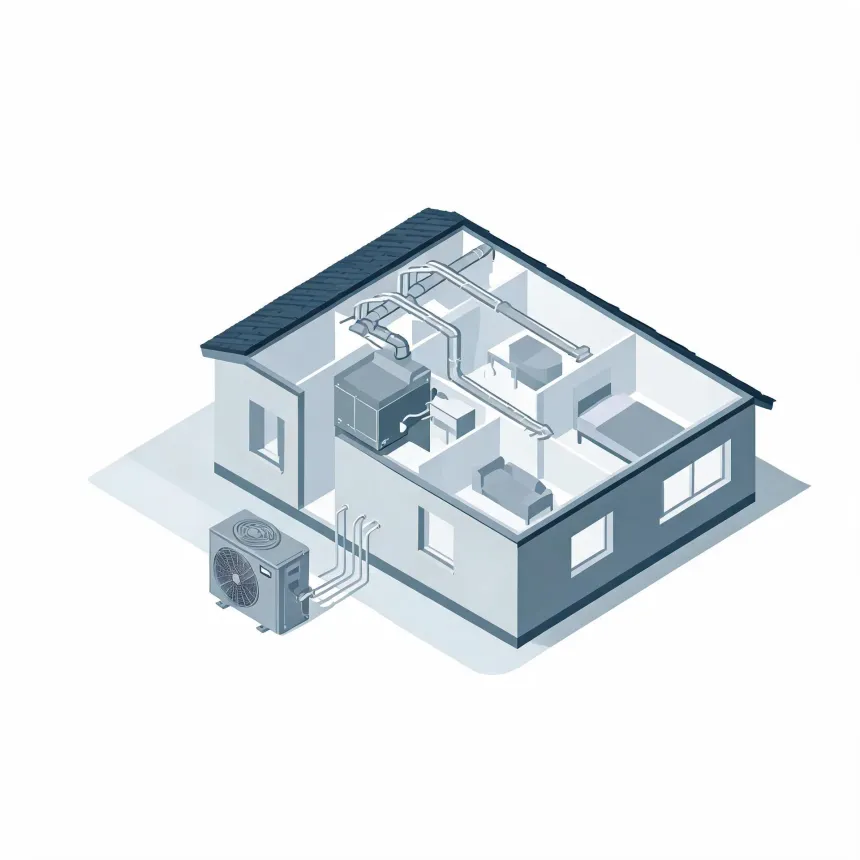
Isometric cutaway illustration of a single-story house showing interior rooms with ductwork, an indoor air handler unit, and an outdoor condenser unit connected by lines along the exterior wall.
Your system heats October through April and cools May through September.

NOAA nClimDiv, 1991–2020 normals

Heat pumps in Granite City switch over to heat in October.

A weak part that limped through September often fails in the first cold week.

Madison County sees its share of storms, but that's not why your heat pump quit

144 severe weather events from 2015 to 2024
16% of homes statewide lost power a day or more in 2024
86 damaging wind events from 2015 to 2024
Running costs add up fast on a struggling unitIllinois electricity ran 15.87 cents per kilowatt-hour in 2024, and a heat pump working harder than it should burns through it every month.

Half the homes in Madison County were built in 1971 or later, which means half were built before that. If your heat pump came with a house that old, it's probably not the first unit that house has had. These systems hold up for a good while, but every part inside one wears down eventually, the compressor included. A repair makes sense when the unit still has years in it. It makes less sense when the same unit has needed a service call every season lately. Before you pay for a big repair, ask how much life the unit has left in it.

A struggling heat pump costs you every month it runs

A heat pump that's struggling pulls more power every time it runs, and at 15.87 cents per kilowatt-hour, that adds up on your bill every month it goes unfixed. Get the part diagnosed now and stop paying for a system working harder than it should.

Find a contractor
A man in a dark shirt and work boots carries a canvas tool bag filled with tools up wooden porch steps toward a navy blue front door of a shingled house, with a potted shrub to the right.
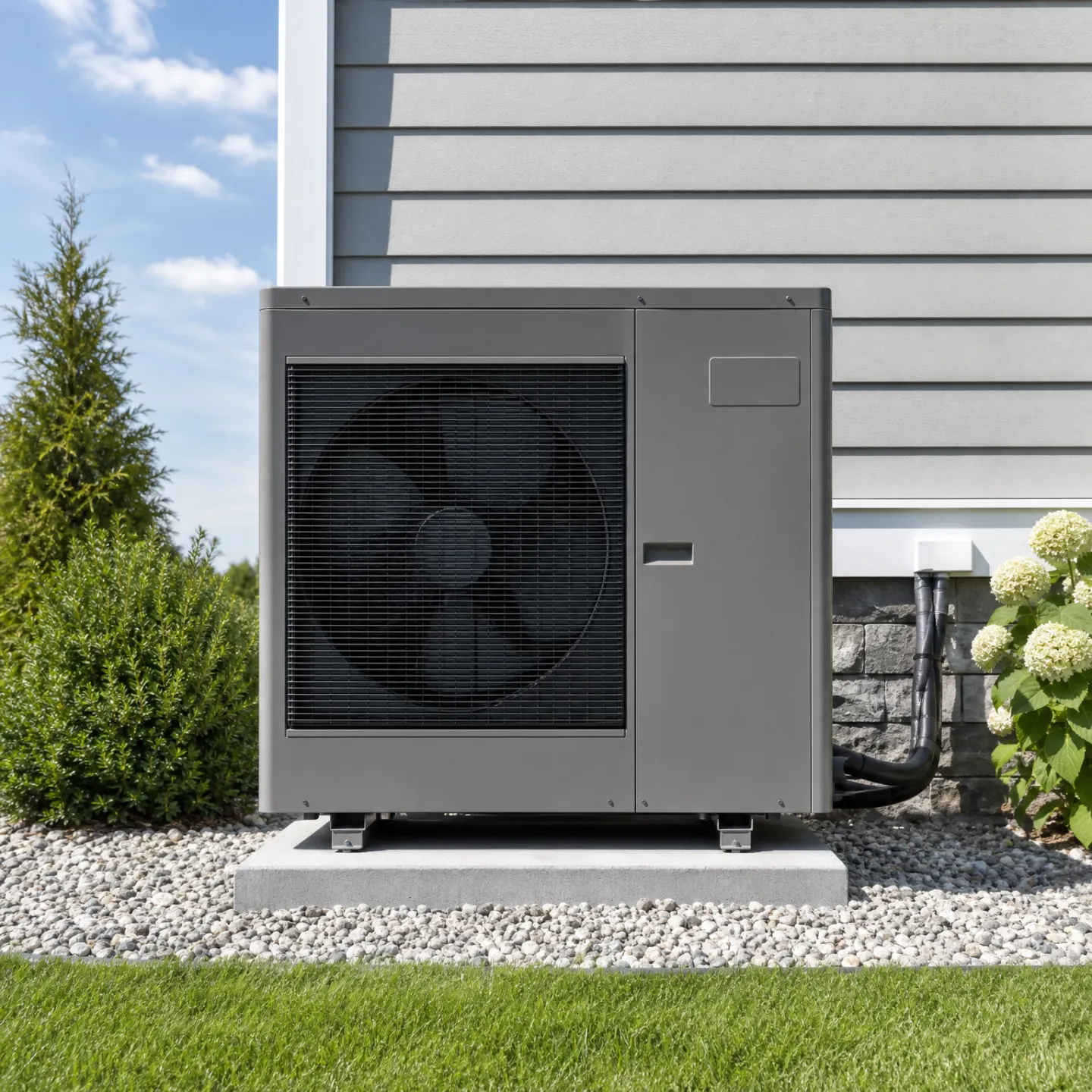
A gray air-source heat pump mounted on a concrete pad next to a house with gray vinyl siding, surrounded by gravel and flanked by green shrubs and white hydrangea flowers.

Ask how old the unit is, not the house

Ask whoever comes out for the install date on the unit, not just the house. If it's had a few service calls already this year and the compressor is the problem, that's your answer. If this is the first call in a while, the fix in front of you is probably worth making.

Check the obvious before you call

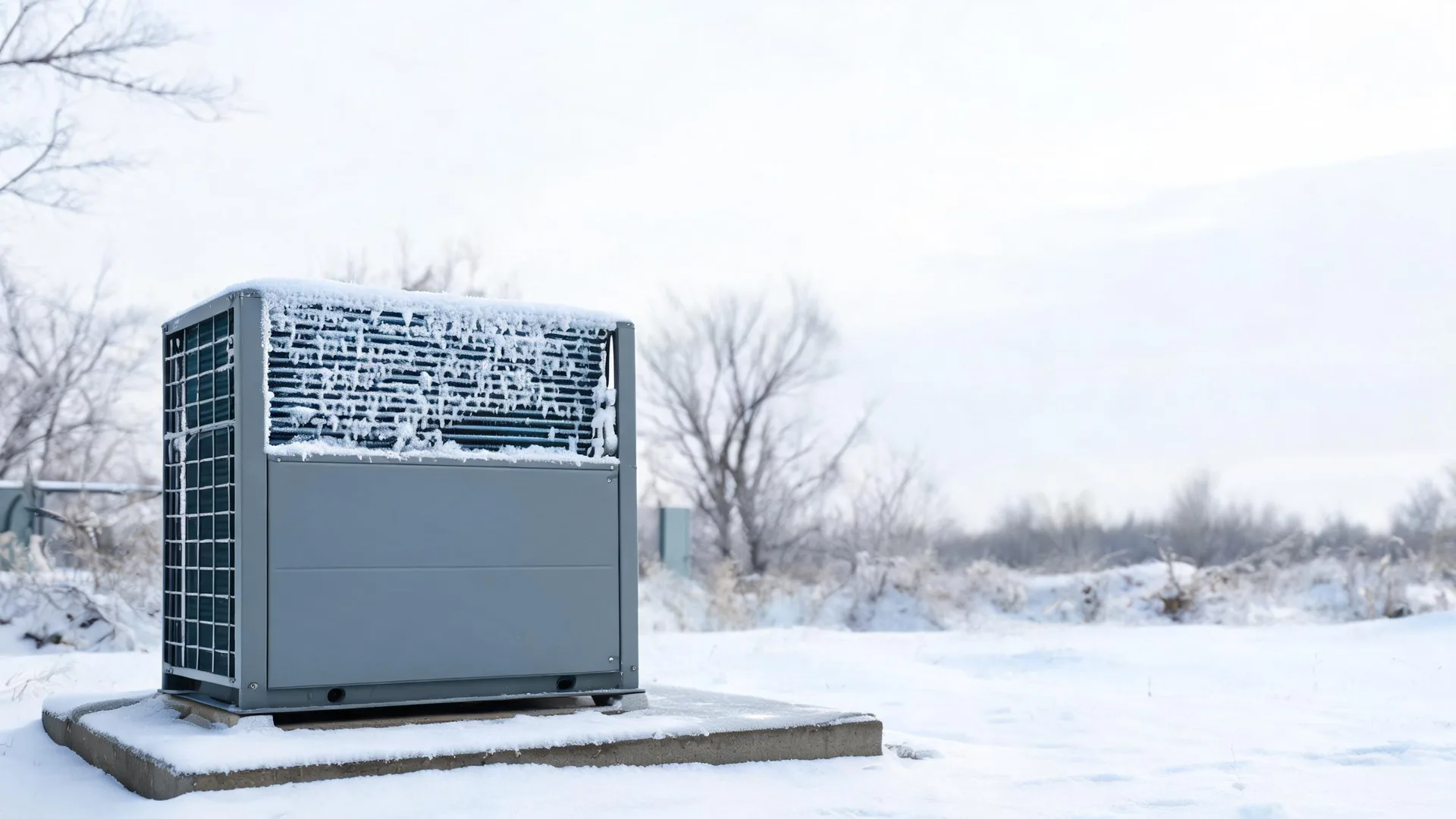
Look at the outdoor unit first. If the coil is packed with leaves or caked in ice, that alone can make a heat pump struggle to heat or cool. Check the thermostat is set to heat and the batteries are good. Then go to the breaker panel and make sure nothing's tripped. Last, check your air filter. A clogged filter chokes airflow across the indoor coil, and the system will struggle no matter what else is right.
Know what you're describing when you call

Notice if the unit is running constantly without reaching temperature, short cycling on and off, blowing air that isn't warm, or making a new noise. Check if ice has built up on the outdoor coil and isn't melting off on its own. These details point a technician toward the right part before they even get there, and they help you say whether this is worth a service call tonight or one that can wait until morning.

Most heat pump failures trace back to a handful of parts. The capacitor is the one that gives out most often, since it's what kicks the compressor and fan motor into action every time the system cycles on, and it cycles on constantly in a unit that runs all year. A failing capacitor shows up as a unit that hums but won't start, or a fan that spins slow. The contactor is the switch that feeds power to the outdoor unit, and its contacts pit and burn over years of opening and closing until they stop making a clean connection. Refrigerant leaks happen at joints and valves over time, and a system low on charge has to run longer to do the same job, which wears everything else faster. The reversing valve can stick in one position after years of switching back and forth between heating and cooling. None of these mean the unit is done. The compressor is the one part that usually means replacement makes more sense than repair, since everything else in the system is built to be serviced and the compressor isn't.

A diagnostic visit starts outside, at the unit itself. A technician checks the refrigerant pressure, since that number says a lot about whether the system is low on charge or working against a blocked coil. They'll test the capacitor and contactor with a meter rather than guessing from how the unit sounds, because a weak capacitor and a failing fan motor can show up the same way. Inside, they check the temperature of the air coming off the indoor coil against what's going into it, which tells them whether the system is actually moving heat the way it should. If the reversing valve is suspect, they'll run the unit in both modes to see if it actually switches or just hums and stays put. Only after all that does the conversation turn to what it'll take to fix it.