This county sees real storms
Champaign County logged 317 severe weather events between 2015 and 2024, including 223 damaging wind events, 70 hail events and 13 tornadoes. Winter added 11 more, from heavy snow to ice to blizzards.
Takes about a minute. No obligation.
Champaign County logged 317 severe weather events between 2015 and 2024, including 223 damaging wind events, 70 hail events and 13 tornadoes. Winter added 11 more, from heavy snow to ice to blizzards.
Sixteen percent of Illinois households went at least 24 hours without power in 2024. A furnace with no power won't run, no matter how new it is, and a gas water heater with electronic ignition needs power too.
NOAA nClimDiv, 1991–2020 normals
Gas heats 54.2 percent of homes in Champaign County, more than electric and propane combined.
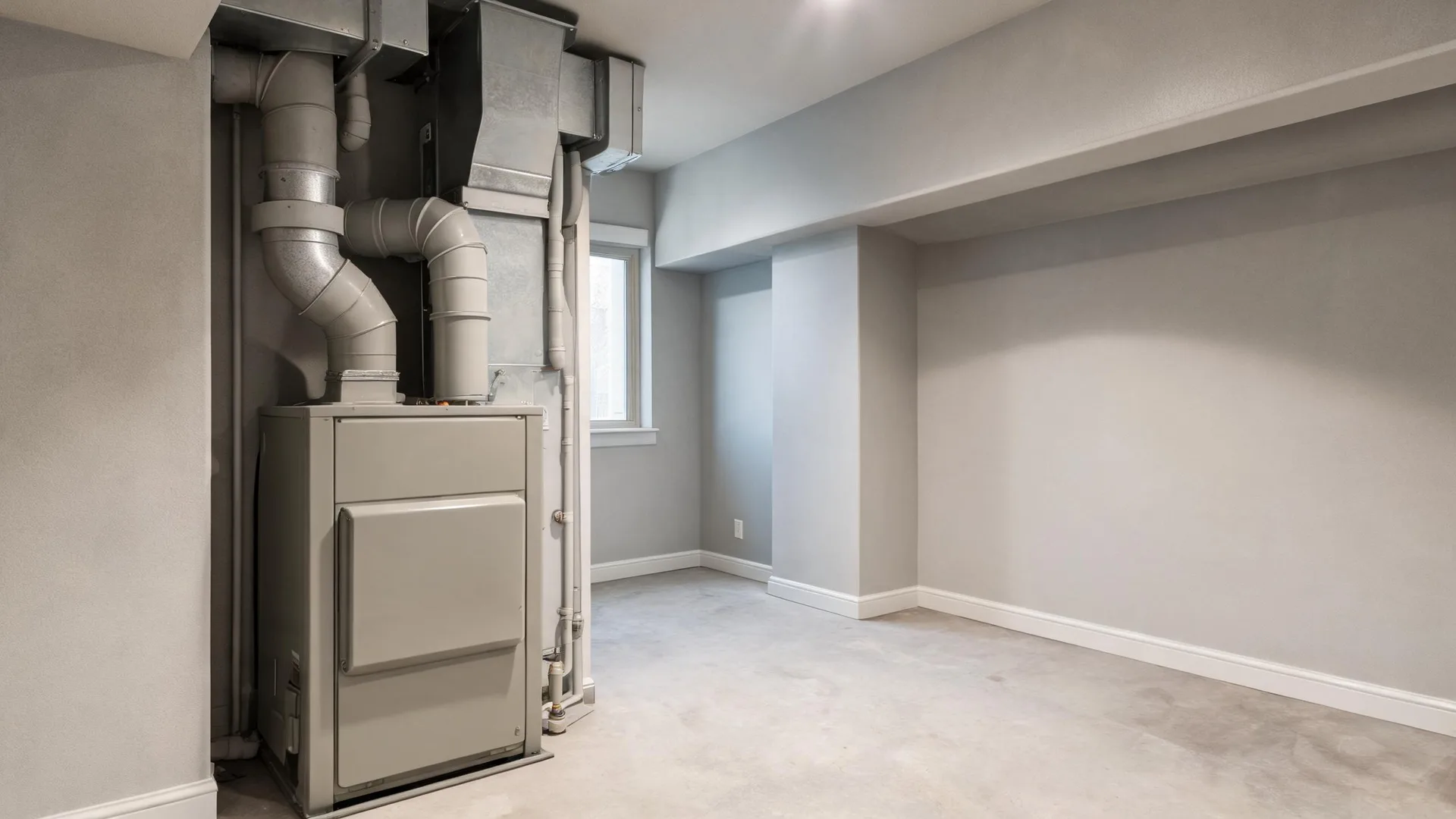
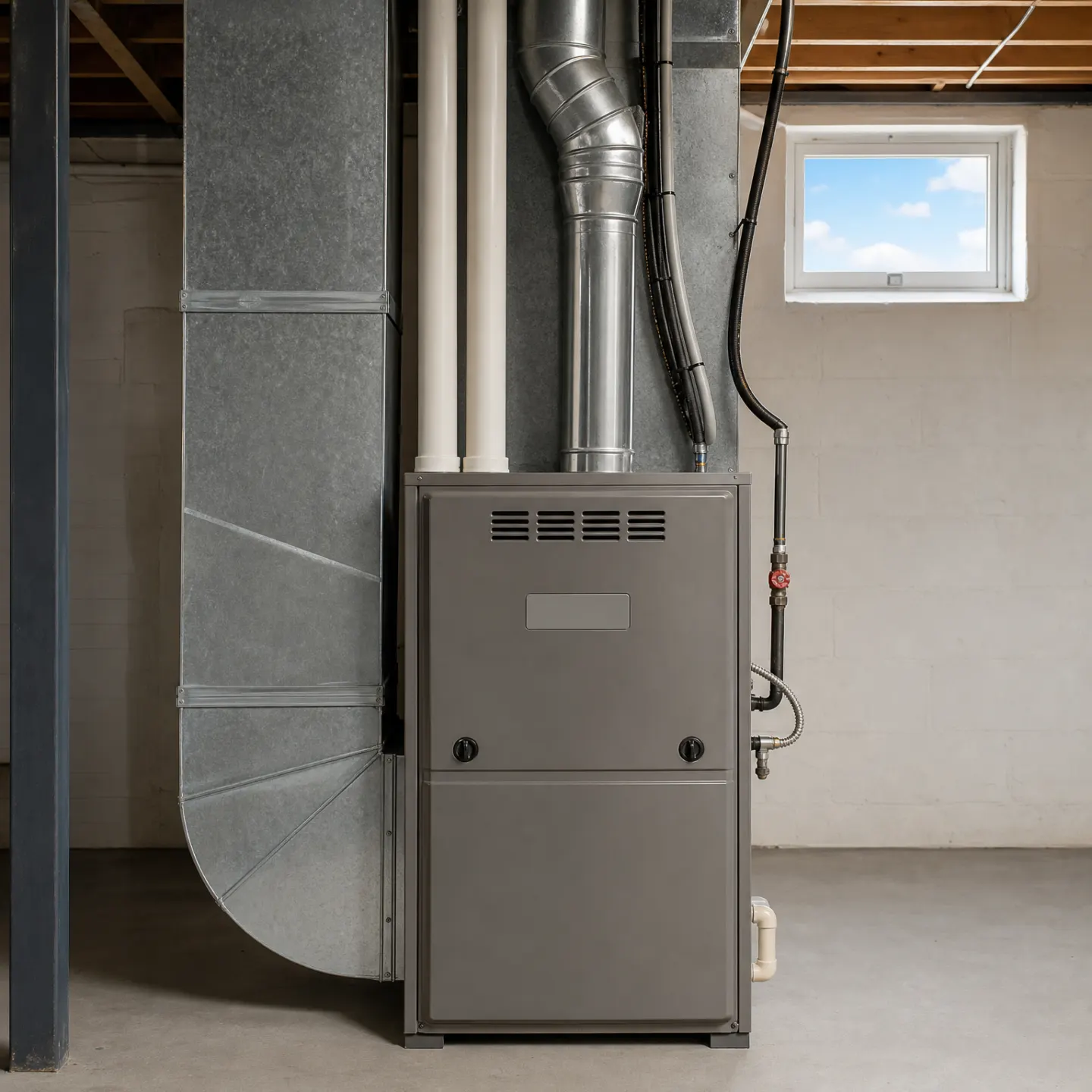
Most of the furnaces going in here are gas furnaces, and replacing one is usually the straightforward path.



Champaign County falls under climate zone 5A, a cool zone where the furnace carries more of the load than the air conditioner does over a year. Any gas furnace installed has to meet the federal minimum for that zone, which is 80 percent efficiency, meaning at least 80 cents of every dollar of gas burned turns into heat in the house. That floor rises to 95 percent for furnaces manufactured on or after December 18, 2028, so the market is already shifting toward higher-efficiency equipment. A homeowner comparing models right now can still choose above the current minimum. A high-efficiency furnace installed today may also qualify for a federal tax credit, worth checking before the purchase is final.
A furnace needs power to run no matter how efficient it is, and this county loses power more than most. Worth asking about a battery backup or a generator hookup as part of this install, and where the furnace and any outdoor equipment get placed so storm debris and ice are less of a problem later.
Find a contractor
Pulling the old furnace is usually the easy part. Once the gas line is capped off and the flue is disconnected, the cabinet comes apart in sections and goes out the door it came in through. What takes more thought is what's left behind: the ductwork, the gas line sizing, the vent routing. A new furnace doesn't always match the old one's footprint or airflow needs, so the install may mean adjusting the plenum or the vent pipe rather than just setting a new box where the old one stood. Any cracked heat exchanger or scorched wiring found during removal is worth asking about, since it explains why the old unit was struggling before it quit.
The size of a furnace should come from a room-by-room heat loss calculation, not from matching the old unit's number or eyeballing the square footage. A furnace that's too big cycles on and off fast, which wears out parts sooner and leaves rooms uneven. One that's too small runs constantly and still can't keep up on the coldest days. Ask what method was used to size the one being quoted.
A furnace only performs as well as the duct system feeding it. Leaky joints, crushed runs, or ducts sized for a different unit will hold back even a well-built furnace. Ask whether the ductwork was inspected as part of the quote, and whether any changes to the plenum or return air are included or will cost extra once the work is underway.
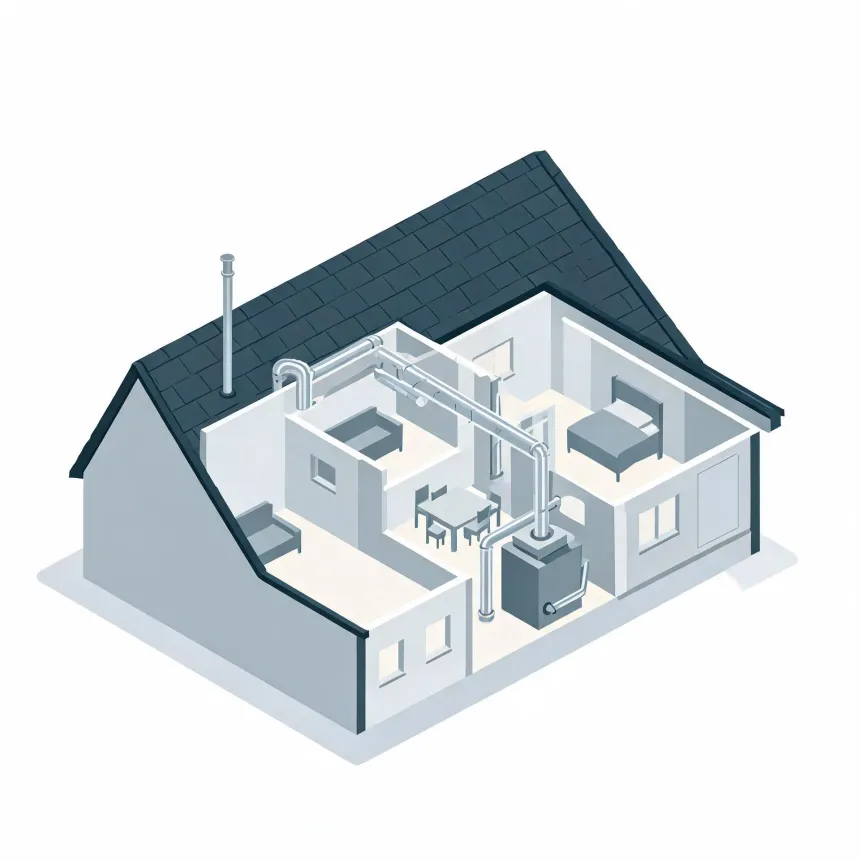
Estimates for a typical Champaign County home, from EIA household energy data, Illinois fuel prices and NOAA climate normals. Your home will differ.
Gas here runs $10.64 per million Btu, among the cheaper fuel costs in the country. That changes how to think about paying more upfront for a more efficient furnace. The extra cost of a higher-efficiency model takes longer to earn back in savings when gas is already this cheap. That doesn't make it a bad choice, it means the decision should rest more on what the furnace can handle than on how much it might shave off a gas bill that's already manageable. A furnace that keeps running through a county that loses power and takes storm damage more than most is worth more here than one built mainly to save on gas.