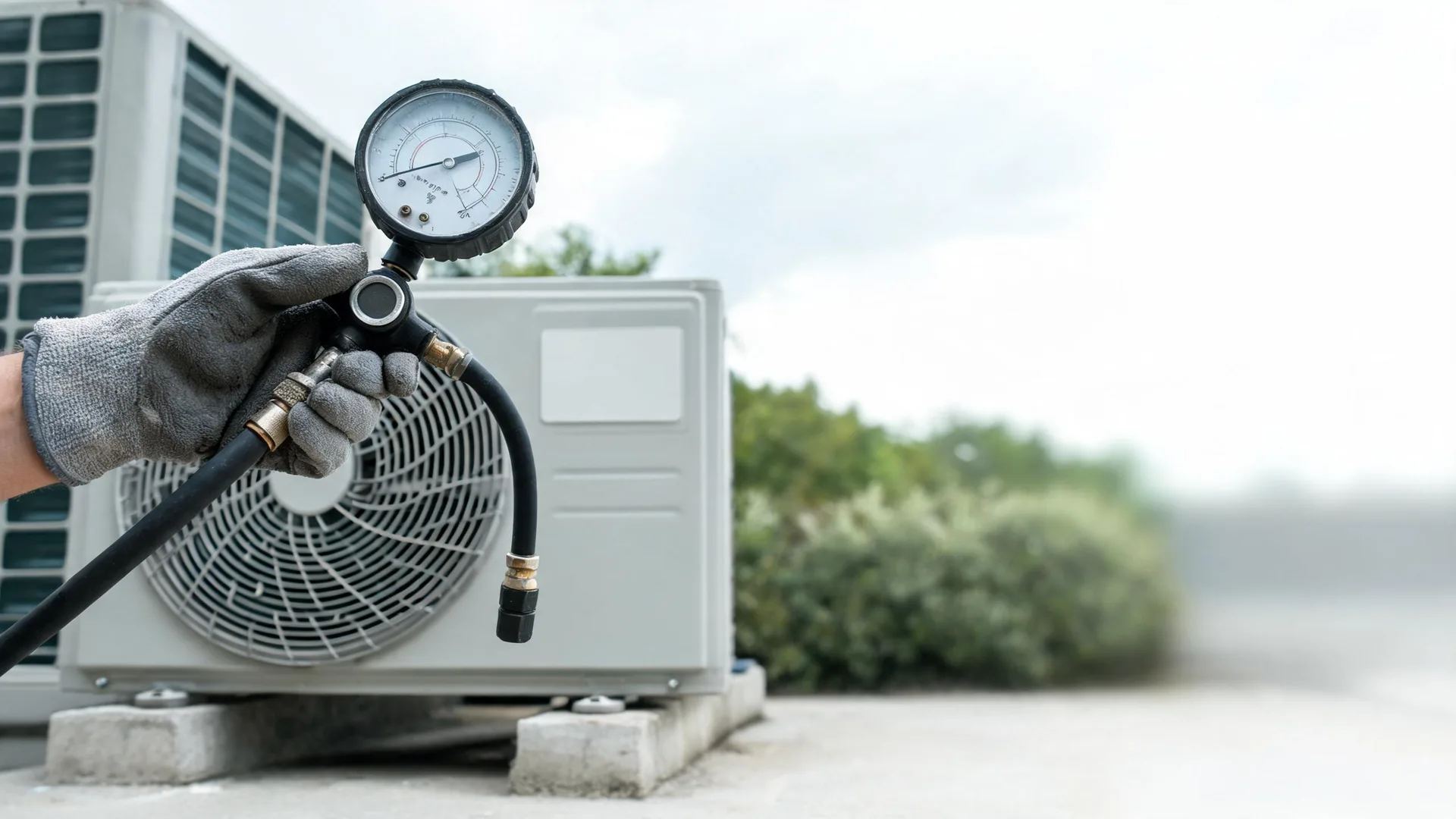
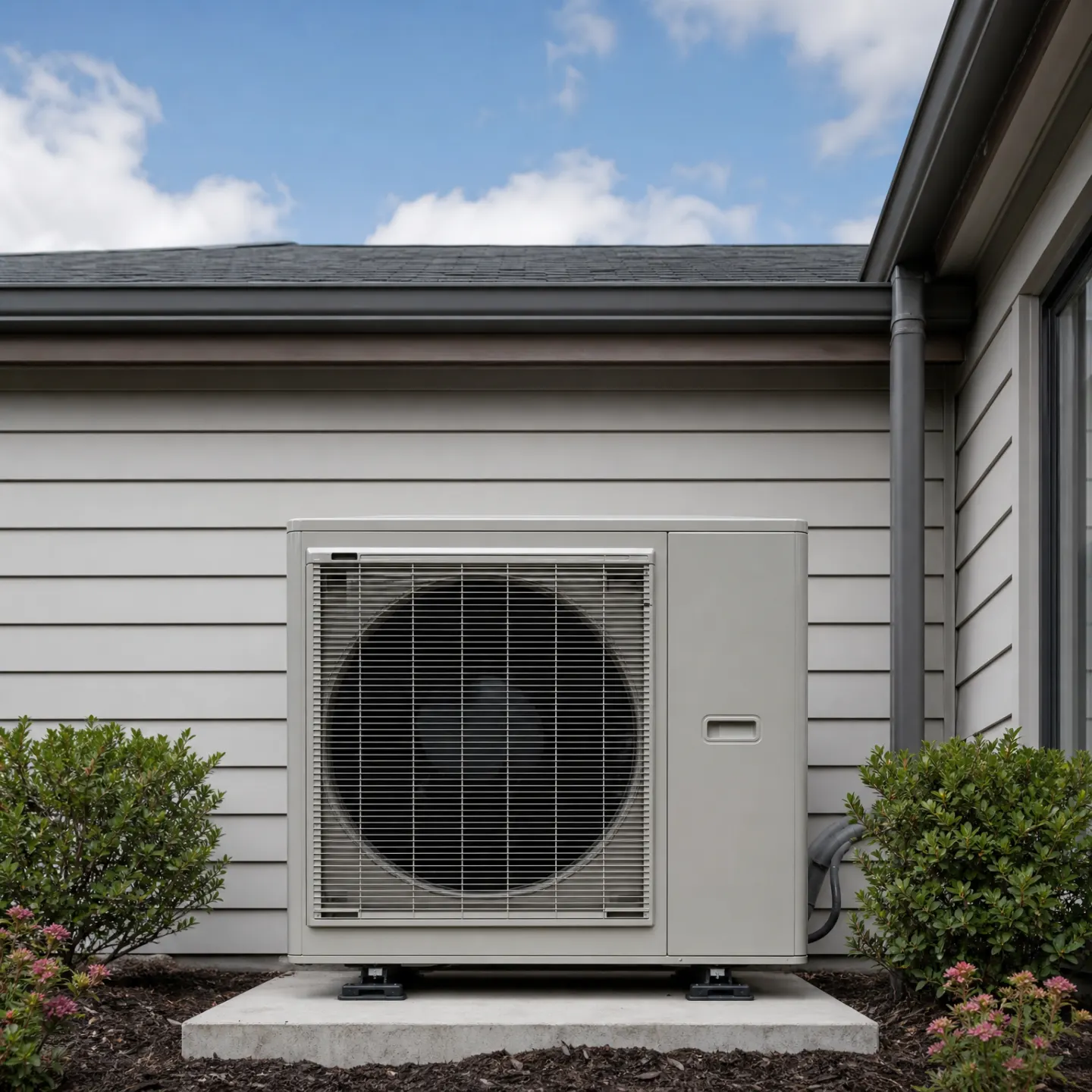
This county gets hit
Champaign County logged 317 severe weather events between 2015 and 2024, including 223 damaging wind events, 70 hail events and 13 tornadoes. That outdoor unit sits outside through all of it.
Takes about a minute. No obligation.
Champaign County logged 317 severe weather events between 2015 and 2024, including 223 damaging wind events, 70 hail events and 13 tornadoes. That outdoor unit sits outside through all of it.
A heat pump can take a hit from hail or flying debris and keep running for months before a bent coil fin or a dented cabinet turns into a bigger problem. If the outdoor unit was out there for one of those storms, it's worth a look even with no obvious trouble yet.
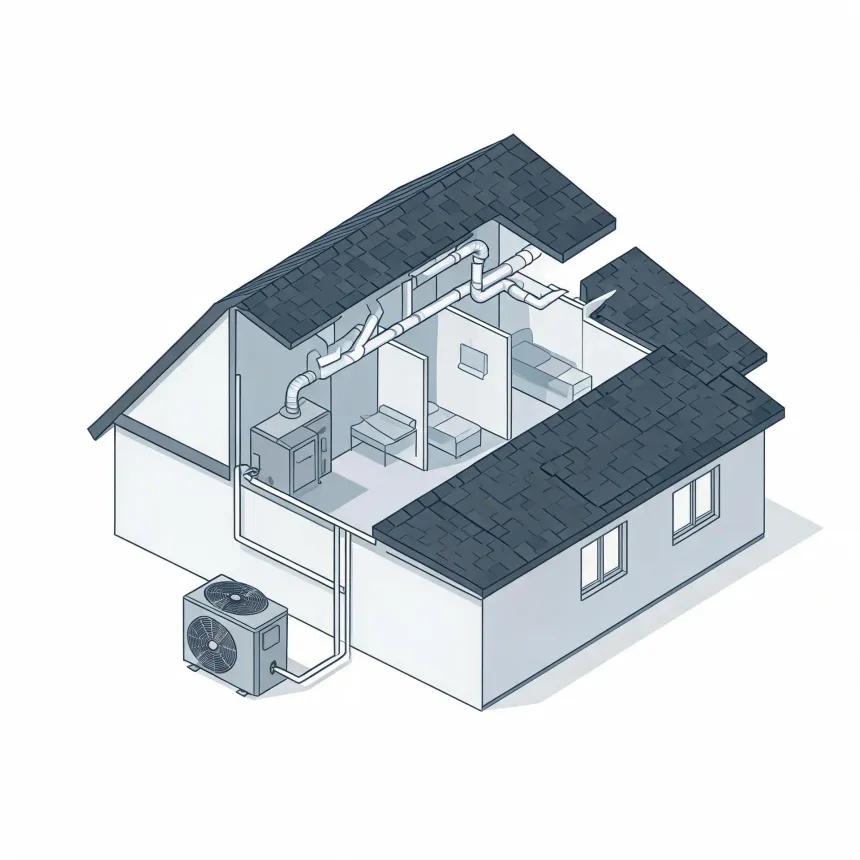
NOAA nClimDiv, 1991–2020 normals
October is the first cold month, and September is when a weak heat pump shows it.
Get it looked at before September if something already feels off.




Half the homes in Champaign County were built in 1981 or later. If yours is one of them, the heat pump giving you trouble isn't necessarily near the end of its life. A unit that's acting up at this age is usually a part failing, not the whole system wearing out. Worth finding out which before deciding anything.
If the outdoor unit has been sitting through storms without a look, get it inspected now, before you're relying on it during the next cold snap or power cut.
Find a contractorA heat pump that has been running fine for years and suddenly starts acting up is pointing at a failed part, not a system past its prime. Get the part diagnosed before anyone talks about replacing the unit.
A capacitor weakens and the compressor or fan struggles to start. A contactor pits and starts sticking. A reversing valve gets stuck mid-shift and the system quits switching between heat and cool. The defrost board stops sending the signal and ice builds on the outdoor coil until airflow chokes off. Each of these is a single part doing one job badly, and each can be tested and replaced on its own.
Find out which part failed before you talk about anything bigger. A stuck reversing valve or a dead capacitor looks dramatic from inside the house, cold air instead of warm, a unit that won't start, but the diagnosis usually comes down to checking a handful of parts with a meter. Don't assume the worst from the symptom alone.
A heat pump in trouble usually tells you before it quits outright. Warm air blowing when it should feel hot, or the system running long stretches without ever quite catching up to the thermostat setting. Ice building up on the outdoor coil and staying there past a normal defrost cycle. A short cycling pattern, where the unit kicks on, shuts off, then starts again a few minutes later. Hissing, clicking, or a grinding sound from the outdoor unit that wasn't there before. Any of these is worth a call. None of them means the system is done, but waiting usually turns a part replacement into a bigger repair.
This outdoor unit runs through long winters and sticky summers both, and that's a lot of hours on the same machine. Wind and hail add to the load from outside, whether or not either one left a mark you can see. A storm can knock a single part out of alignment and the system will keep running for a while before it shows up as a symptom inside the house. That's why a guess from the thermostat reading isn't enough. Get the outdoor unit checked and the failing part identified before deciding what the fix actually is.