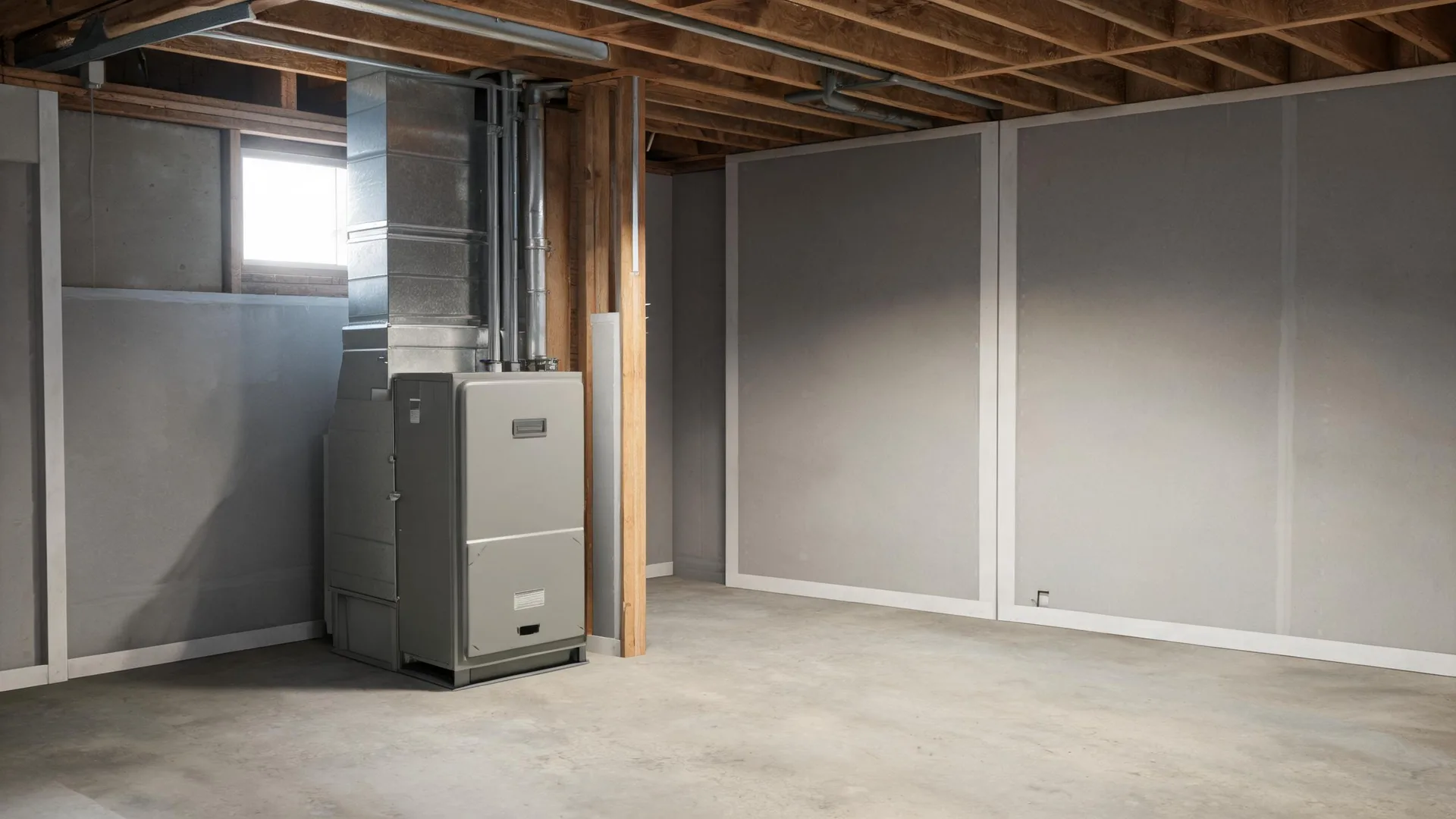
Gas is the normal choice here
Utility gas heats 70.6% of homes in McLean County. A furnace fits a gas line that is probably already in place.
Takes about a minute. No obligation.
Utility gas heats 70.6% of homes in McLean County. A furnace fits a gas line that is probably already in place.
Swapping a gas furnace for another gas furnace means working with venting and gas lines already sized for the job, instead of planning around a fuel the house was never set up for.
NOAA nClimDiv, 1991–2020 normals
September is the month before heat goes on in McLean County.
A September install means the furnace is tested and ready before it has to work.




Zone 5A is a heating-heavy zone, and McLean County falls in it. Any furnace going into a home here has to clear the federal minimum for that kind of equipment, which today sits at 80.0 percent AFUE. That floor holds for a few more years yet, then rises to 95.0 percent for furnaces built after the change takes effect. A furnace installed now only has to clear the current mark. Going above it is a choice about the gas bill, not a requirement.
Gas here runs $10.64 per million Btu, so a high-efficiency furnace takes longer to pay back in lower bills. That makes the choice less about chasing a rating and more about getting a furnace that matches this house and runs reliably through the winters here.
Find a contractorA furnace runs for years, not months, so it's worth asking how different models hold up over that stretch rather than just what they cost going in. Ask what the heat exchanger is made of and how long it's warrantied, since that part takes the most thermal stress every time the burners fire. Ask how the blower motor is controlled. A variable-speed motor ramps up gradually and runs quieter over the long haul than a single-speed motor that snaps straight to full output every cycle. Ask about the ignition system too. Hot surface igniters are common and reliable, but they're also a part that wears out and eventually needs replacing. None of this shows up on a price tag, but it's what determines whether the furnace you pick is still running the way it should years from now.
A furnace has to match the house it's heating. Too small and it runs constantly without catching up. Too big and it short cycles, heating the house in bursts and wearing out parts faster from all the starting and stopping. Getting the size right takes a load calculation, not a guess based on the old unit, and that sizing decides which equipment is even an option.
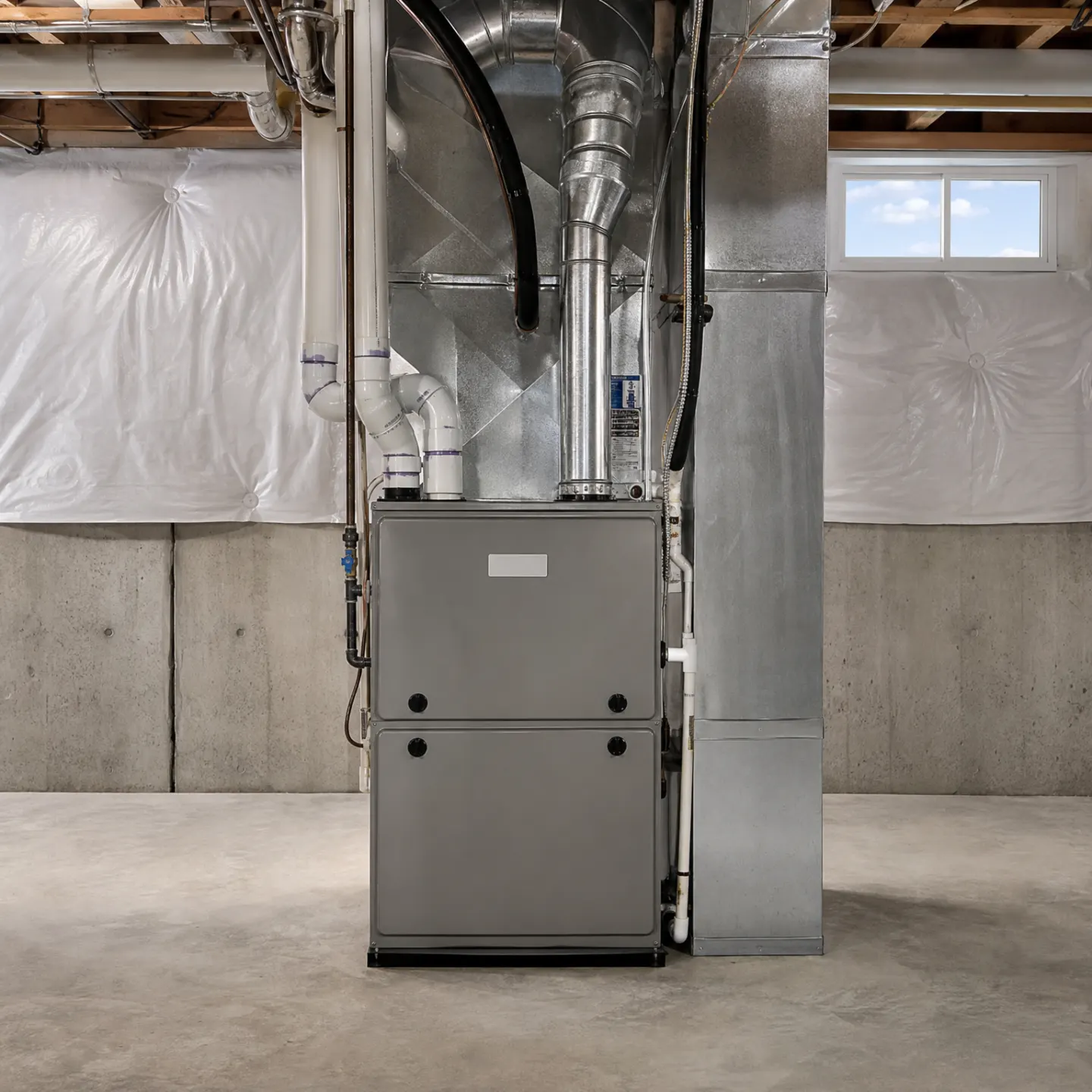
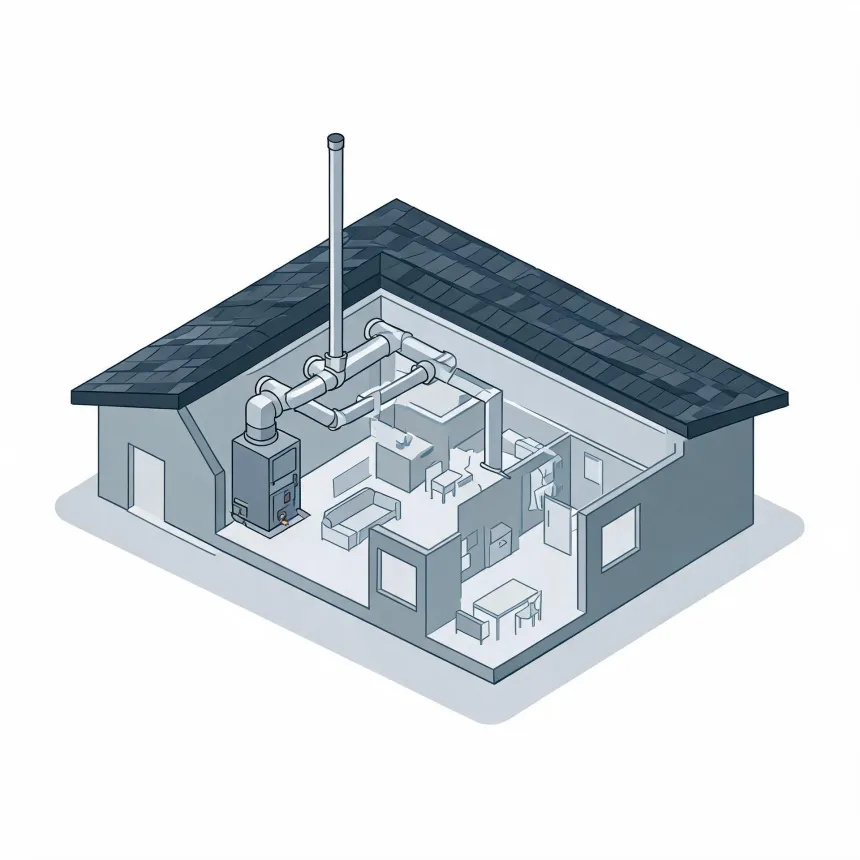
Venting, ductwork, and the gas line connection all have to be done correctly for the furnace to run safely and reach its rated efficiency. A furnace set into ducts that are undersized or leaking won't deliver the heat it's capable of, no matter how good the unit is. That labor and the materials around it are part of what's being paid for, not just the furnace sitting in the box.
Estimates for a typical McLean County home, from EIA household energy data, Illinois fuel prices and NOAA climate normals. Your home will differ.
Installation day starts with the old furnace coming out, along with any flue pipe or ductwork that doesn't match what the new one needs. The gas line, venting, ductwork, and electrical for the control board and blower all get connected one at a time. Each of those gets tested on its own before the whole system runs together. Then comes firing it up and checking the flame, the airflow at the registers, and the temperature rise across the furnace. That rise tells the installer whether the airflow matches what the furnace is built for. A furnace installed right gets checked while it's still apart, not after the panels are back on and it's too late to see what's underneath.