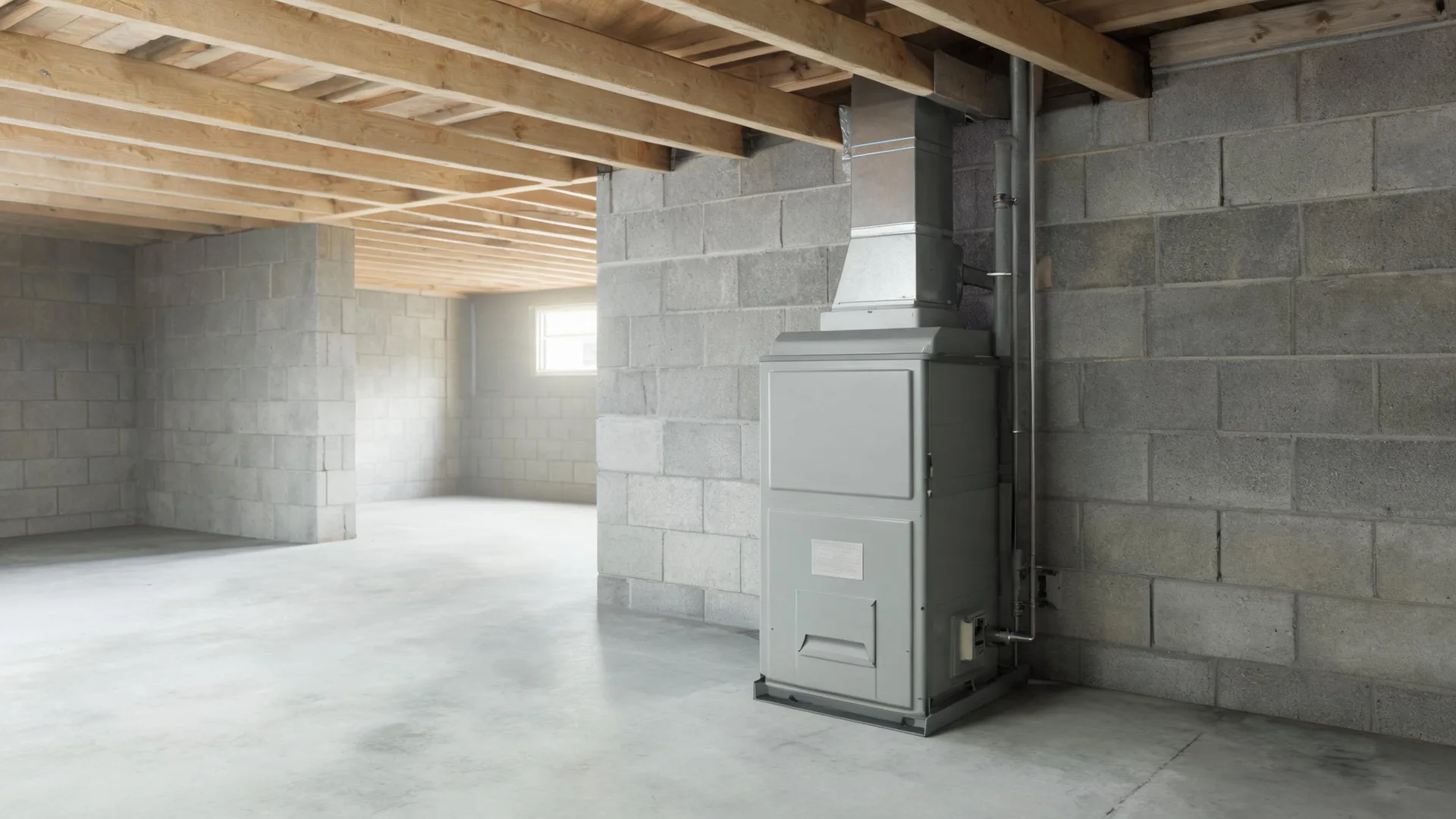
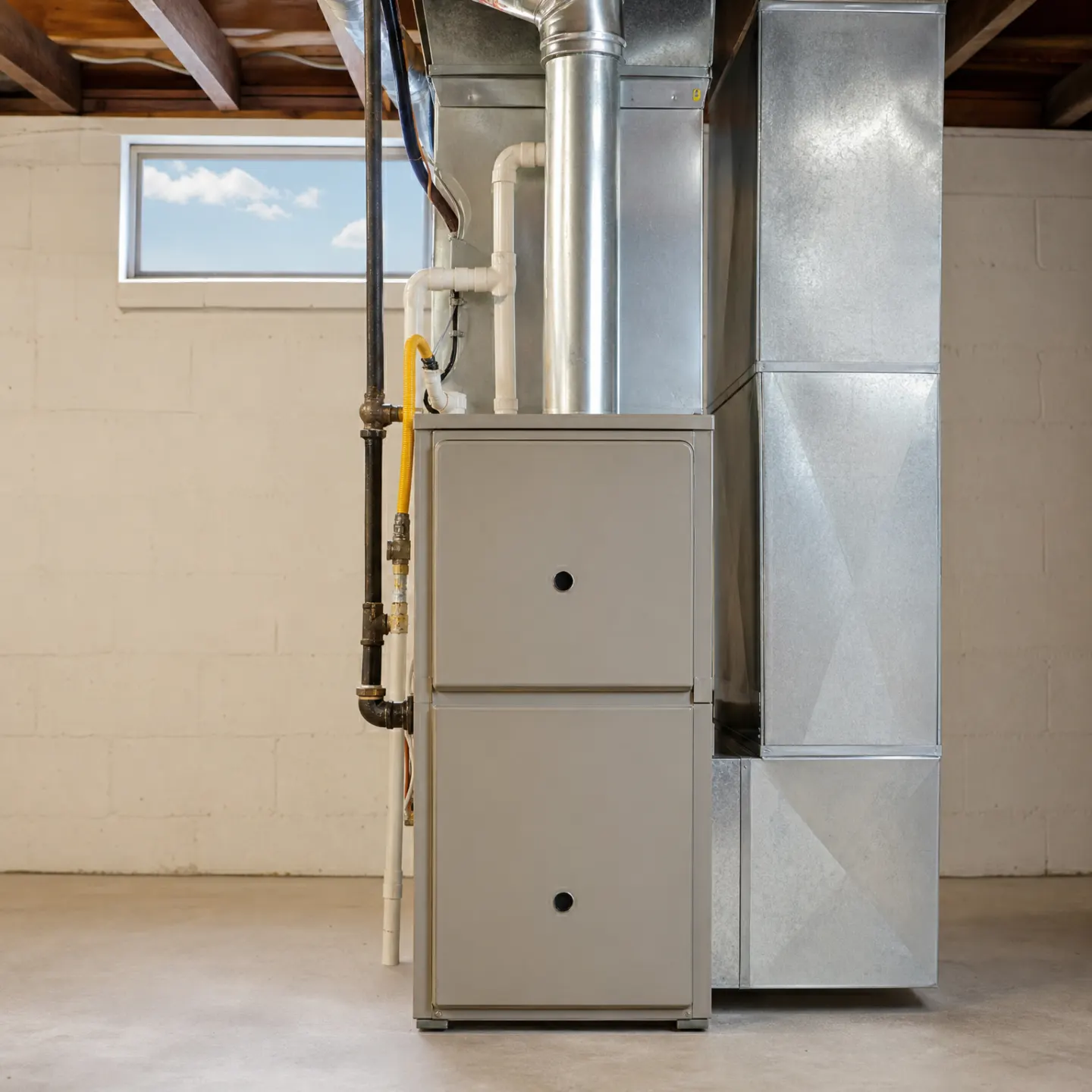
Half these homes were built in 1966 or earlier
Peoria County's housing is old. Half the homes here were built in 1966 or earlier. A furnace going into a house that age is working with whatever ducts and venting came before it, not a blank slate.
Takes about a minute. No obligation.
Peoria County's housing is old. Half the homes here were built in 1966 or earlier. A furnace going into a house that age is working with whatever ducts and venting came before it, not a blank slate.
A contractor sizing your furnace needs to look at your actual ducts and vents, not just swap in the same tonnage as before. The right unit for an older house isn't always the one that's easiest to install.
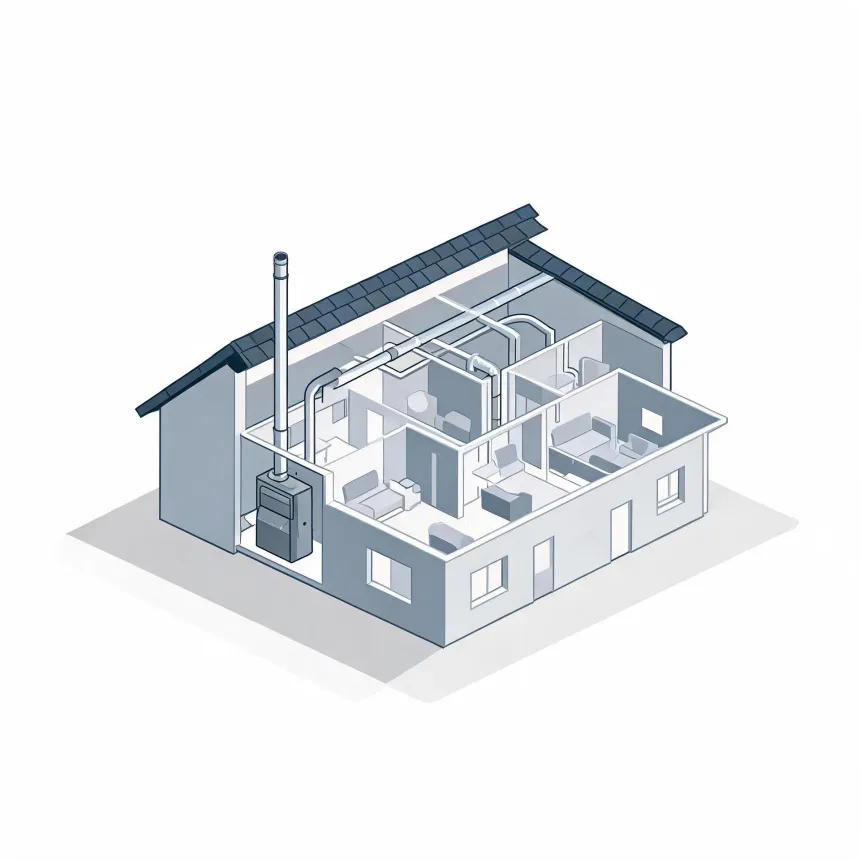
NOAA nClimDiv, 1991–2020 normals
Furnaces in Peoria County run eight months a year, October through May.
A furnace sized for mild winters won't hold up to a Peoria winter.




Peoria County is in climate zone 5A, a cool zone where heating carries the bigger load. Any non-weatherized gas furnace installed today has to hit at least 80.0 percent AFUE, the federal minimum. That floor is set to rise to 95.0 percent for furnaces built a few years from now, so the minimum you're installing against now won't stay the minimum forever. A furnace that clears today's rule isn't cutting corners. It's meeting the same standard every furnace sold here has to meet. Ask what AFUE rating you're being offered and compare it against that number.
Heat here starts in October and runs through May. Putting in a new furnace in September means the work happens before you need it, not during the first cold week.
Find a contractor
Get the sizing right before the install, not after. A contractor should run a load calculation on your house, not just match the tonnage of what's coming out. Get that number in writing and ask what it's based on. The furnace runs from October to May, and overnight lows average 20°F through December, January and February. That's the load it has to cover every one of those nights. Undersized, and it runs flat out all winter trying to keep up. Oversized, and it short cycles, turning on and off more than it should. Either way wears the parts sooner. Ask for the calculation, not just a quote.
A contractor disconnects the gas line and the venting, then pulls the old unit out whole or in pieces if it won't fit through the doorway it came in through. That happens after the new furnace is set and ready, not before, so the house isn't without heat while the work is being done.
An old furnace vented one way. A high efficiency furnace vents a different way, often through a wall or a different pipe entirely, not the old chimney. Whatever comes out, the person installing the new one has to check whether the old venting can still be used or has to be replaced to match the new unit.
Estimates for a typical Peoria County home, from EIA household energy data, Illinois fuel prices and NOAA climate normals. Your home will differ.
Installation day starts with the house still warm, since the old furnace stays put until the new one is set and ready to connect. Once it's in place, the gas line gets hooked up and pressure tested before anything is fired on. The ductwork gets connected next, and this is where a lot of the real work happens if the new unit is a different size or shape than the old one. After that comes startup. The flame gets checked. The draft gets checked. The furnace should cycle on and off the way it's supposed to, not just fire once and get left running. A contractor should run it through a full heating cycle before calling the job done, not just flip it on and walk away. Before anyone leaves, you should see the permit and the paperwork on what was installed, not just a handshake and an invoice.