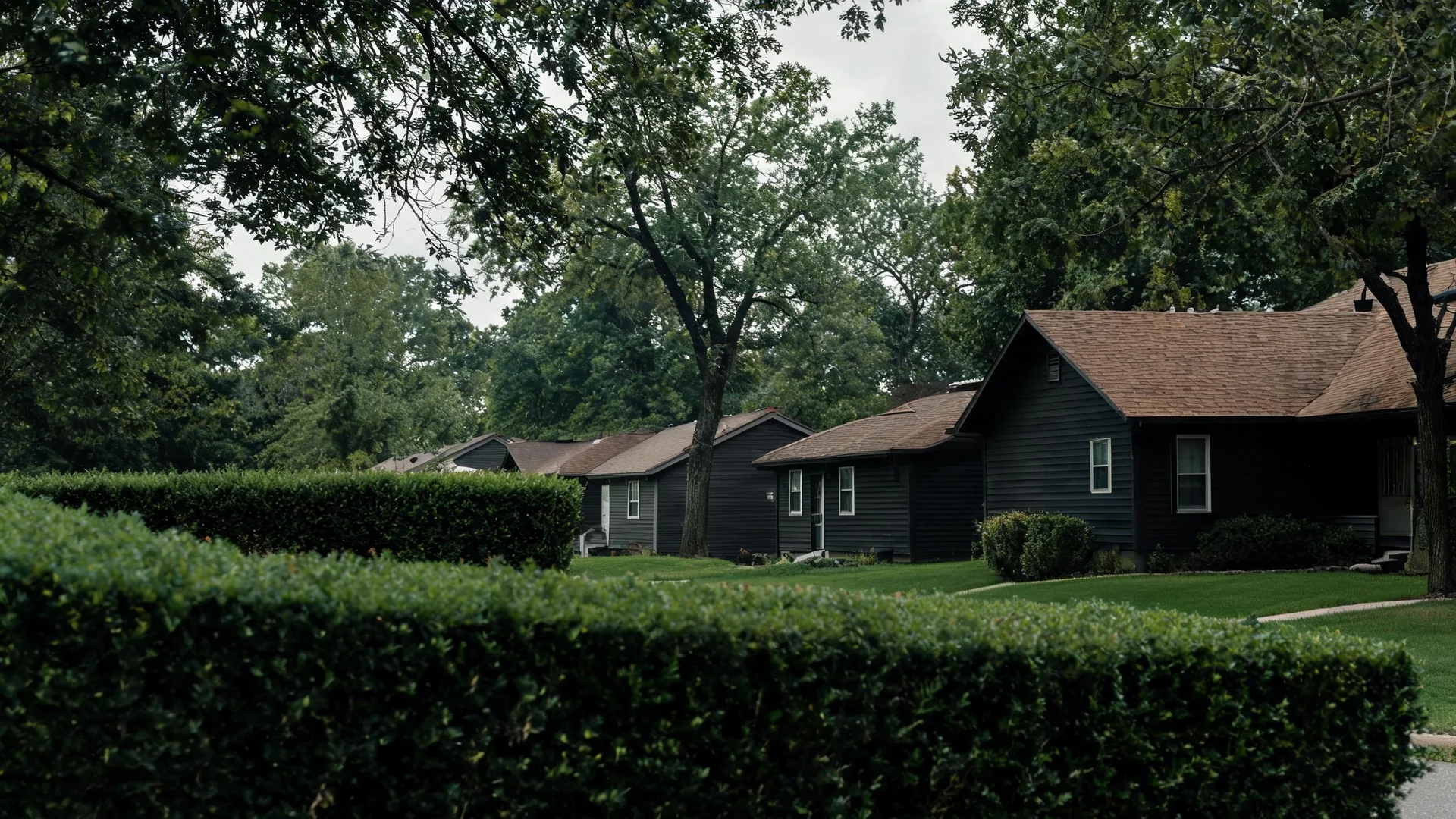
A row of dark-sided houses with brown shingled roofs behind trimmed hedges, lawn, and large deciduous trees under an overcast sky.

Furnace Maintenance in Mount Vernon, IL

Tell us about the job

Takes about a minute. No obligation.

Step 1 of 3: Equipment

Electric heat runs on an expensive rate here

Electricity cost Illinois homes $46.51 per million Btu in 2024. A furnace that has to work harder to push out the same heat burns through more of it, and that difference shows up on the bill every month of winter.


A dirty or worn furnace draws more power for the same heat

A clogged filter, a dirty blower wheel, or a sensor out of adjustment makes the furnace run longer to reach the temperature on the thermostat. A tune-up catches those things before they cost you a full winter of higher bills.

A dirty filter makes the blower work against resistance it wasn't built for.

The motor pulls more power to push the same air through, and that cost shows up before the filter ever gets changed.

October is the first month it works for a living. Have it checked in September.

Heat runs October through April
Climate zone 4A
Winter nights average 26°F

Just over a third of homes in Jefferson County heat with utility gas, and another one in five run on bottled or LP gas. That's a gas furnace with a burner, a flue, and a set of safety controls behind it, not just a filter to swap. A tune-up on one of these means checking the burner flame, the heat exchanger, and the venting that carries exhaust out of the house. A cracked exchanger or a vent pulling wrong doesn't show up by looking at the thermostat. It shows up when someone opens the cabinet and checks.

A tune-up is what keeps that rate from working against you

A furnace that has to strain for heat pulls more power doing it, and here that power is billed at $46.51 per million Btu. A tune-up gets the filter, the blower wheel, and the sensors back to where the furnace isn't fighting itself. That's the difference between a furnace that runs lean all winter and one that doesn't.

Find a contractor
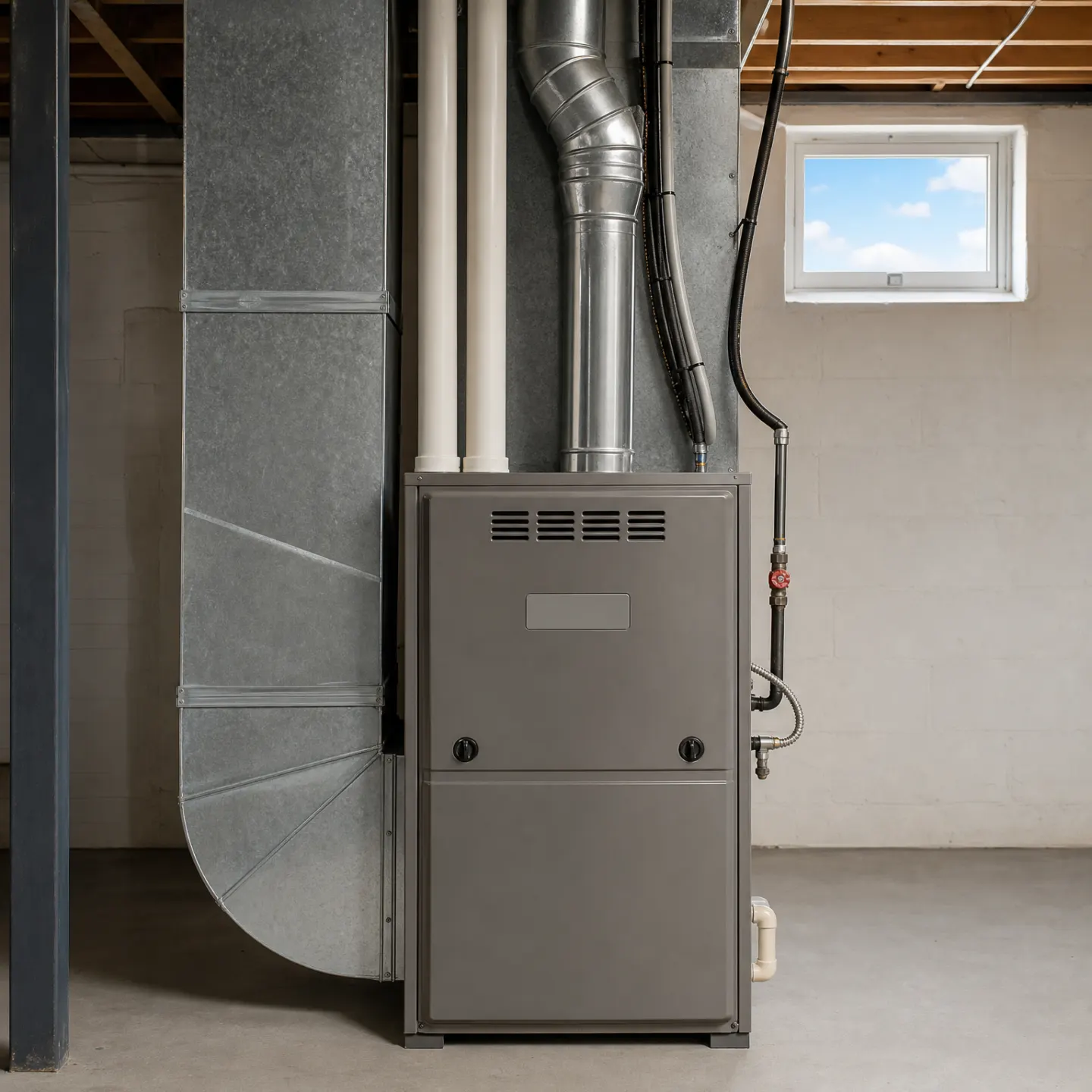
A gray residential gas furnace installed in an unfinished basement, surrounded by ductwork, a metal flue pipe, and a gas supply line.

The furnace usually tells you first

A furnace gives warning before it fails outright. The burner flame should burn steady and blue. If it starts flickering yellow or orange, something is off in the combustion and that's worth a look before the cold sets in. Listen to the blower, too. A squeal on startup usually means a motor bearing wearing down. A rattle means something's loose, maybe the blower wheel itself. Short cycling, where the furnace fires up, runs a few minutes, then shuts off before the house warms, often points to a dirty flame sensor or a clogged filter choking airflow. Rooms that heat unevenly, one warm and one cold, can mean a duct problem or a blower that's lost its strength. None of these mean the furnace is done. They mean it's telling you what it needs before it picks the coldest night to quit.

Change the filter yourself

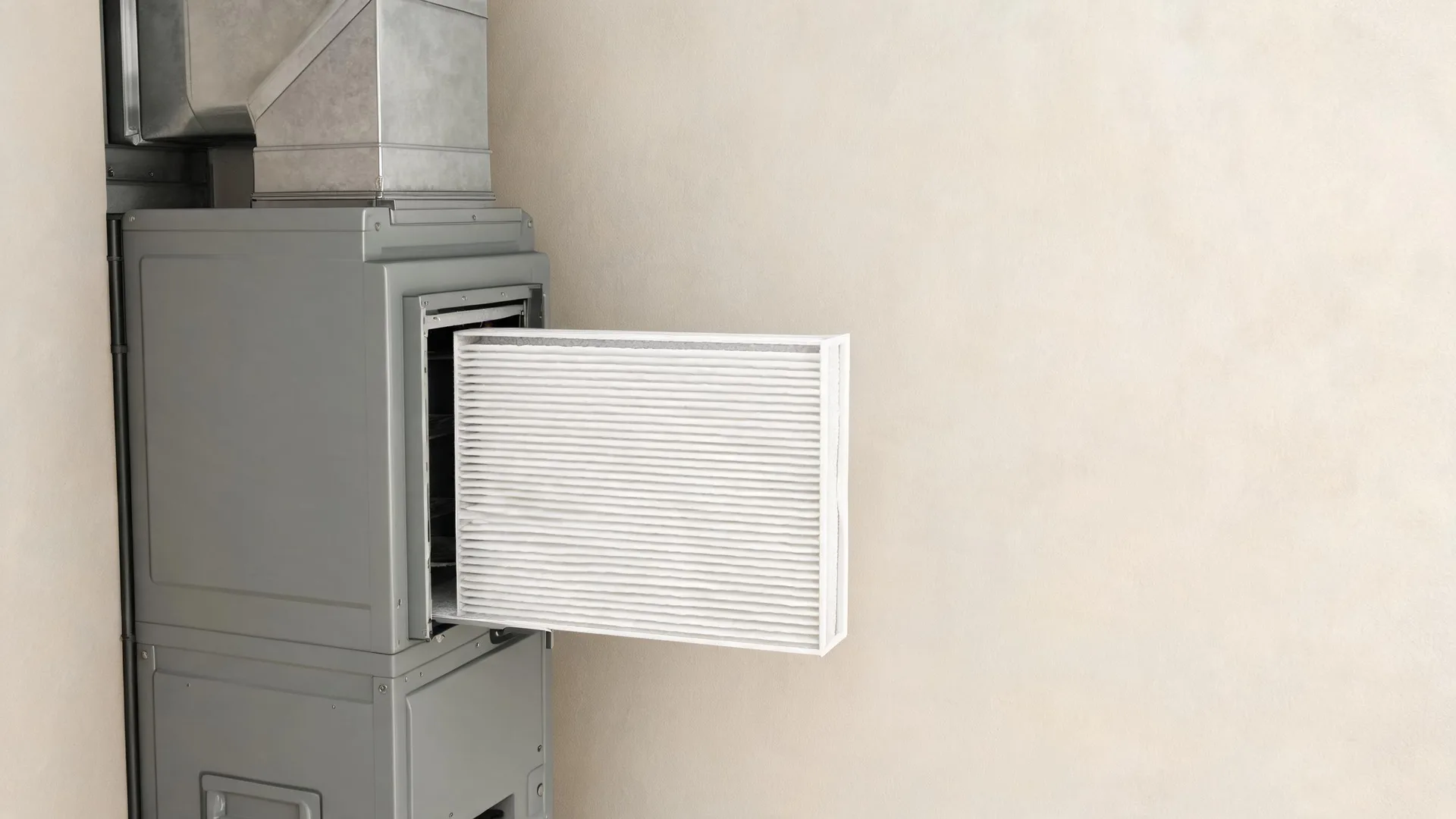
A homeowner can pull the filter and hold it up to a light. If light barely gets through, it goes in the trash. A dirty filter is the one thing between visits that's worth checking without waiting for a tech, since it chokes airflow and makes the blower work harder for the same heat.

Leave the rest alone

The burner, the heat exchanger, the flame sensor and the venting aren't a homeowner job. Taking the cabinet apart or adjusting the burner without the right tools can do more harm than the problem it was meant to fix. Watching for warning signs, a flickering flame, a new noise from the blower, a room that won't heat, is the right job for the homeowner. Acting on what's found behind the cabinet is the tech's job.

A quick tune-up means someone swaps the filter, glances at the flame, and packs up. A thorough one means the burner gets pulled and the flame checked for a steady, even burn across every port, not just a glance through the sight glass. The heat exchanger gets inspected for cracks or corrosion, since that part separates combustion gas from the air moving through the house. The flame sensor gets cleaned, not just looked at, because a film builds on it that the eye won't catch. The blower wheel gets checked for dust packed between its blades, which throws it out of balance and wears the motor bearing early. The venting gets checked too, to make sure exhaust is actually leaving the house and not backing up. Ask what was checked, not just what was touched. If the answer is only the filter, that's half the job.

A tune-up starts with the furnace off and the cabinet open, not with the thermostat turned up to see what happens. The igniter or pilot assembly gets checked for a clean, steady light, since a weak igniter is one of the more common reasons a furnace won't start at all. Gas pressure gets checked at the valve and set to what the furnace is built for, because too much or too little changes how clean the burner fires. Electrical connections get tightened, since a loose wire at the control board causes failures that look electrical but started as a quarter turn of a screw. The condensate line, if the furnace has one, gets checked for a clog, because a blocked line can shut the whole system down on a safety switch. The thermostat gets checked against a thermometer to make sure it's calling for heat at the temperature it claims to be. None of this is optional add-on work. It's what separates a furnace that starts every time from one that leaves someone checking the breaker at six in the morning.