One check a year covers it
Your furnace runs about eight months here, October through May. A single tune-up before that stretch starts is enough to catch a weak igniter or a cracked heat exchanger before it leaves you without heat in January.
Takes about a minute. No obligation.
Your furnace runs about eight months here, October through May. A single tune-up before that stretch starts is enough to catch a weak igniter or a cracked heat exchanger before it leaves you without heat in January.
Overnight lows average 20°F through December, January and February in McLean County. Get the furnace looked at in fall, before it has to hold a house against that kind of cold every night for months.
October is when furnaces in McLean County go to work for the next eight months.
September is the month to get yours checked, before it has to run.



Half the homes in McLean County were built in 1981 or later, which means a lot of furnaces out there are still well inside their working life. A newer furnace doesn't need less attention, it needs the right attention. A yearly check catches the small things, a cracked heat exchanger, a weak igniter, a clogged flue, while they're still small. Skip a few years of that and a furnace that had plenty of life left starts losing it early.

A furnace built within the last couple decades still has most of its working life ahead of it. Put it on a yearly check now and it stays efficient for the long run instead of losing ground early to a problem that went unnoticed.
A furnace that never gets opened up keeps running, but the burner and flame sensor collect a film of dust and residue that changes how they fire. A flame sensor coated like that stops reading the flame right and shuts the furnace down even though nothing is actually broken.
Most furnace problems start small, a cracked heat exchanger, a blower motor working harder than it should, and stay small for a while. Without a yearly check nobody catches them at that stage, so the furnace keeps running in that condition until the part finally gives out.
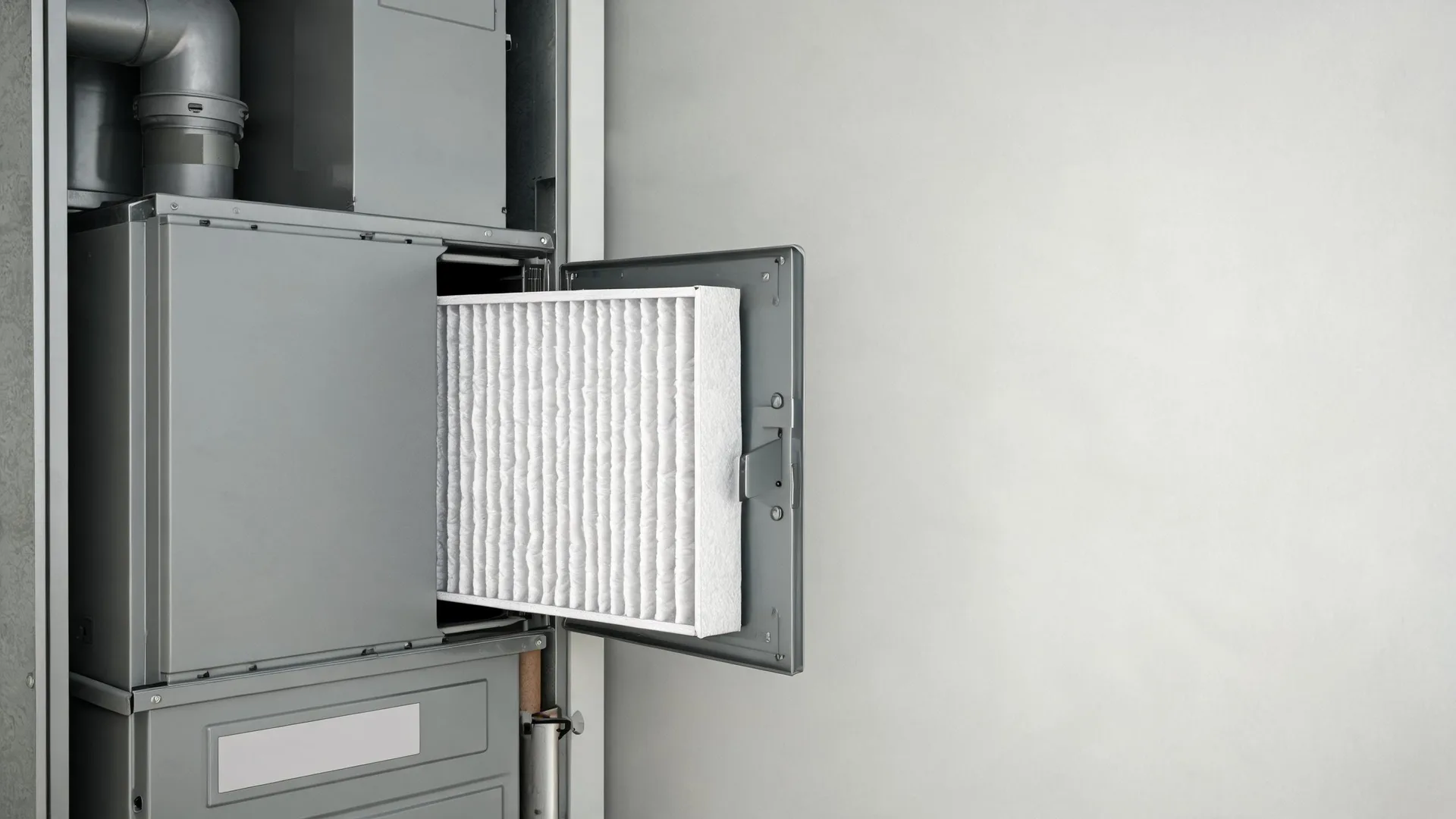
A furnace filter sits between the return duct and the blower, and everything downstream depends on it staying clear. Once it loads up with dust, the blower has to pull harder to move the same amount of air, and that strain shortens its life. Airflow that's choked off at the filter also lets the heat exchanger run hotter than it should, which is the kind of stress that leads to cracks. There's no coil or drain to worry about on the furnace side the way there is with an air conditioner, but a dirty filter still shows up in the flame. Starved airflow changes the way the burner fires and can leave soot where it shouldn't be. Keeping the filter clean is the simplest way to keep the parts behind it working the way they're supposed to.
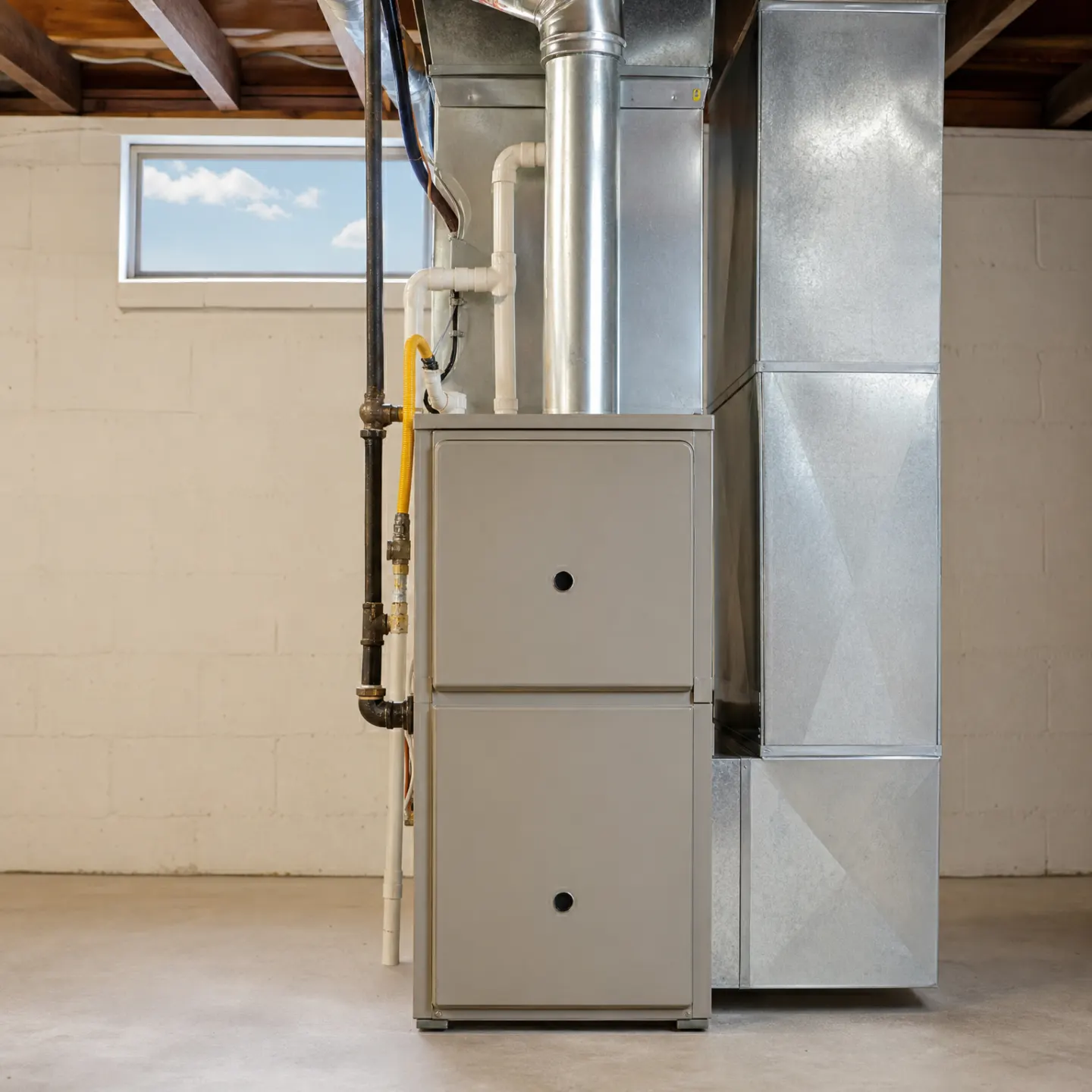
A real tune-up starts before the burner even lights. The tech checks gas pressure against the furnace's rating, because too high or too low changes how clean it burns. The heat exchanger gets inspected for cracks, usually with a camera or a light, since a crack there can let exhaust mix into the air moving through the house. The flame sensor gets cleaned so it reads the flame correctly instead of shutting the furnace down on a false reading. The igniter gets checked too, since a weak one lights the burner slowly or not at all. The blower wheel gets looked at for dust buildup, because a dirty wheel moves less air even when the motor's working fine. Last comes the flue and venting, making sure exhaust is actually leaving the house instead of backing up somewhere it shouldn't.