A row of dark-sided single-story houses among large deciduous trees, with a trimmed hedge in the foreground and a mown lawn crossed by a paved path.

Heat Pump Repair in Bloomington, IL

Tell us about the job

Takes about a minute. No obligation.

Step 1 of 3: Equipment

Winters here work the heat pump hard

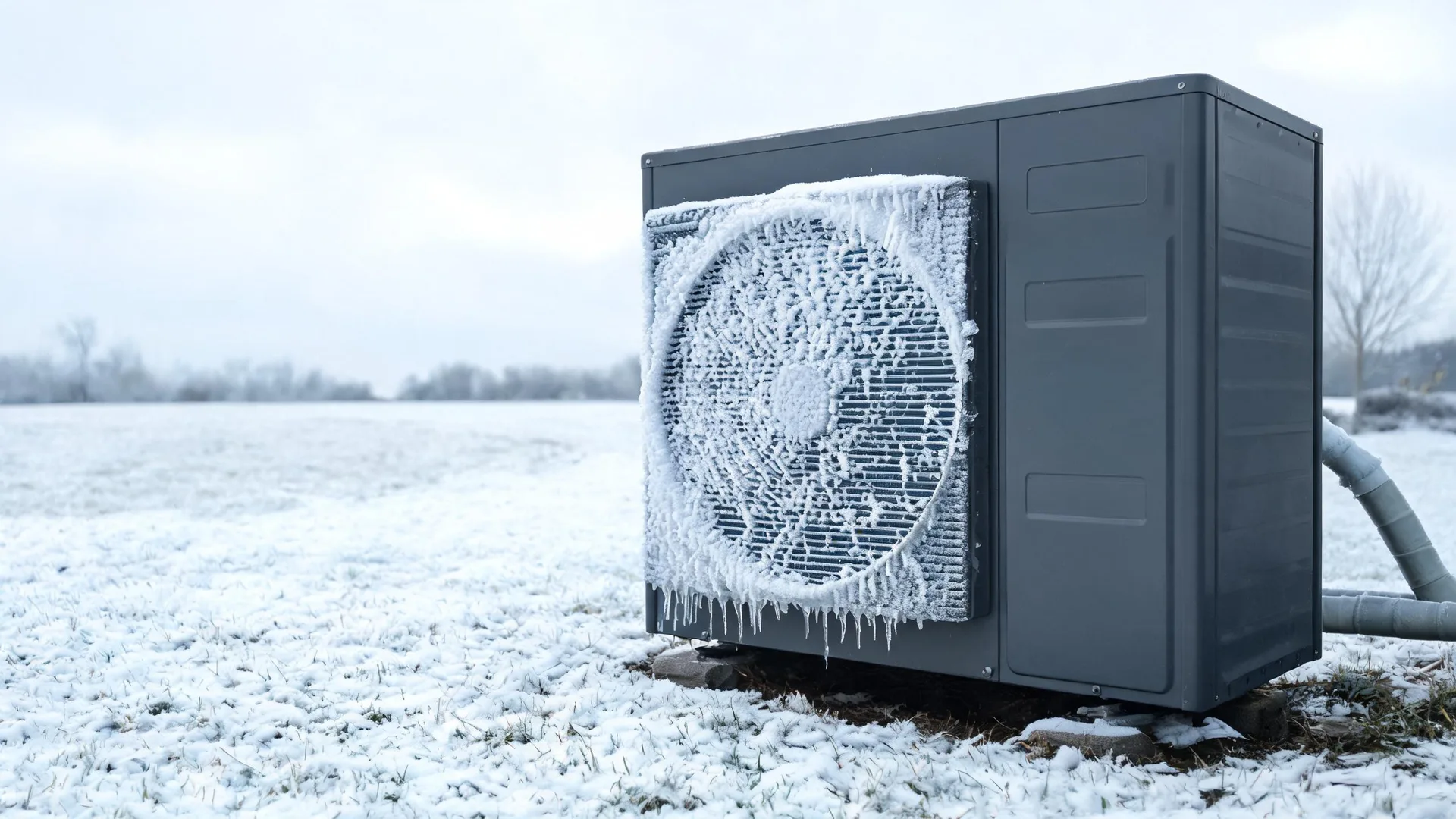
Overnight lows average 20°F across December, January and February in McLean County. Your heat pump leans on backup heat and runs defrost cycles through most of the winter. That's normal wear, not a sign the system is wrong for this area.

The cause is usually something specific

A heat pump blowing cold air, short cycling, or tripping its breaker almost always traces back to one part. Maybe a failed defrost control. Maybe a low refrigerant charge. Maybe a stuck reversing valve. Finding which one it is matters more than guessing at the fix.

8 months
October through May, your system heats
4 months
June through September, it cools
20°F
the average winter night it heats against
84°F
the average summer afternoon it cools against
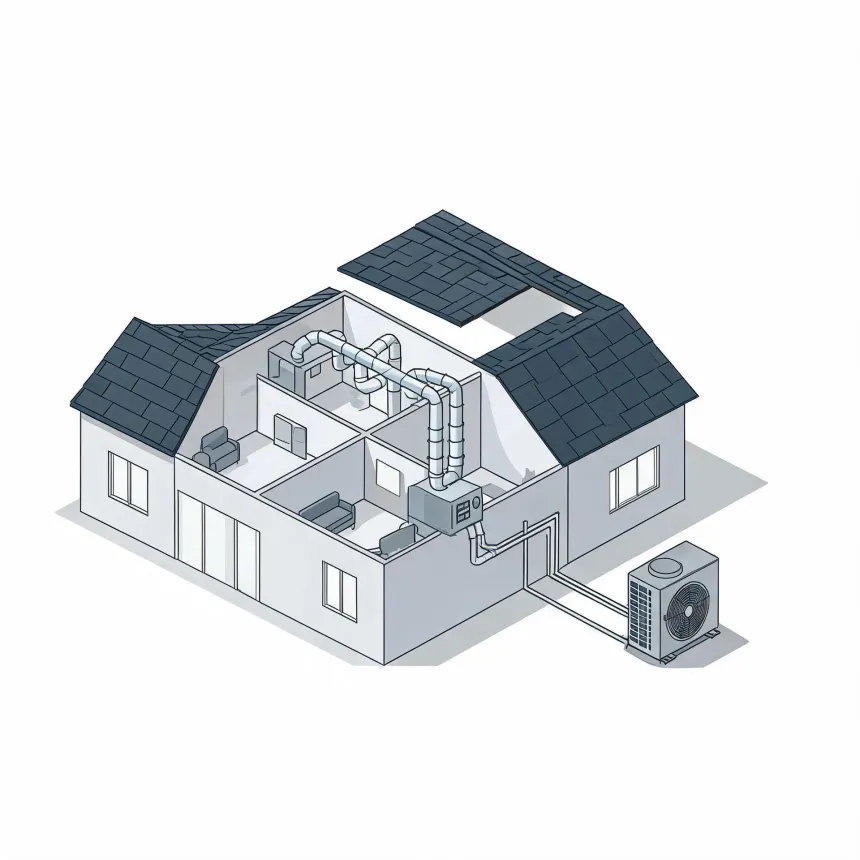
Isometric line illustration of a cutaway single-story house showing interior rooms, ceiling ductwork connected to an indoor air handler, and refrigerant lines running to an outdoor condenser unit on a pad.
Your system heats October through May and cools June through September.

NOAA nClimDiv, 1991–2020 normals

Heat pumps here start their heating run in October, after a September that asks nothing of them.

A part that was already weak gets found in the first cold snap, not before.

McLean County storms aren't what's wearing on your heat pump

213 severe weather events from 2015 to 2024
16% of homes statewide lost power a day or more in 2024
136 damaging wind events from 2015 to 2024
McLean County homes skew newerHalf the homes in McLean County were built in 1981 or later.

Illinois electricity ran 15.87 cents a kilowatthour in 2024, and a heat pump that's short cycling or leaning too hard on backup heat burns through more of those kilowatthours than it should. A stuck reversing valve or a weak defrost control doesn't just make the house less comfortable. It makes the system work harder to do the same job, every hour it runs. That cost shows up on the bill before it shows up as a breakdown.

The longer it runs wrong, the more it costs to run

A heat pump that's cycling wrong or stuck on backup heat keeps pulling power at 15.87 cents a kilowatthour every hour it runs that way. Getting the actual cause checked stops the waste instead of just the discomfort.

Find a contractor
A man in a dark cap, navy T-shirt and tan work pants, seen from behind, carries a canvas tool bag up porch steps toward a dark blue front door, with a potted shrub in a blue planter to the right.
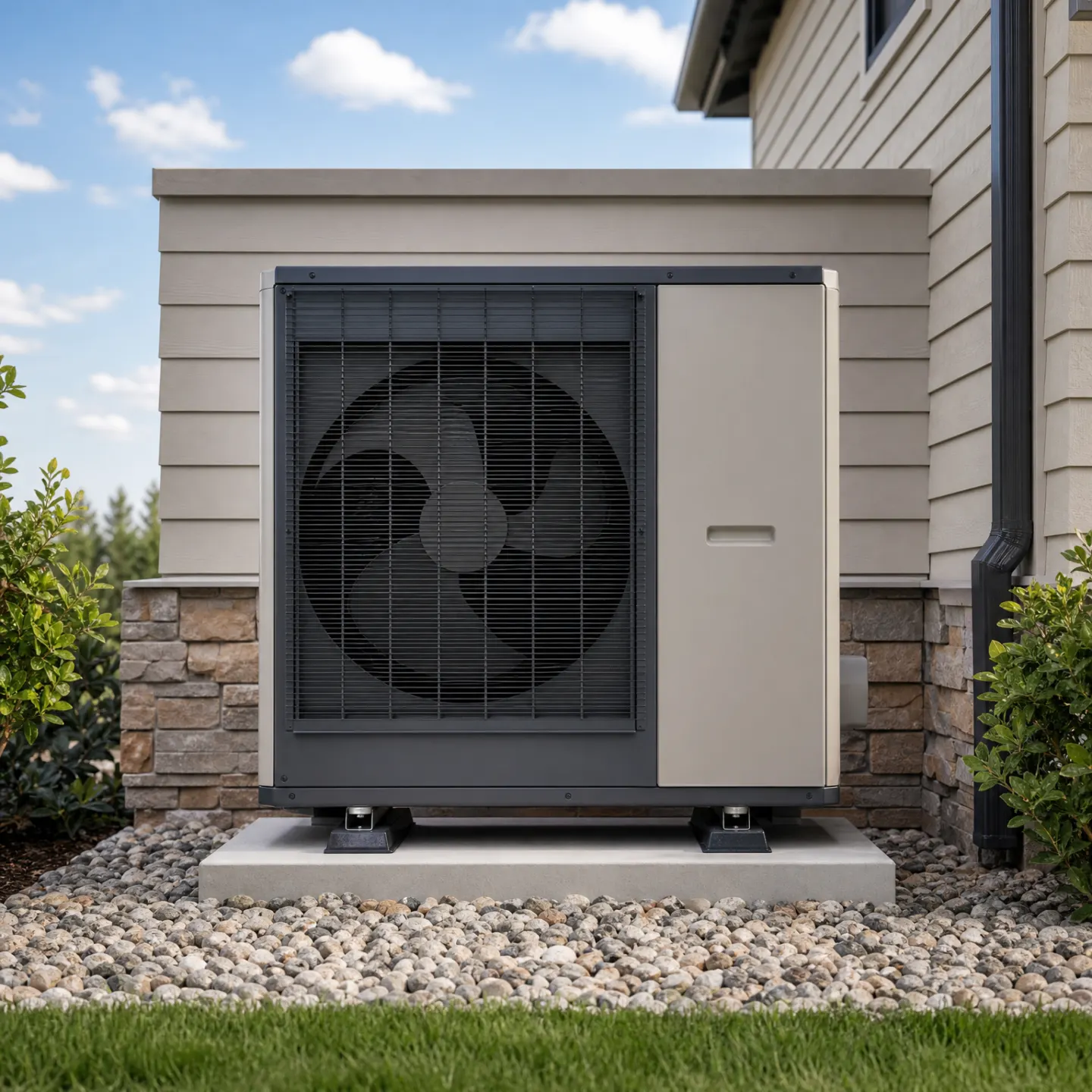
A gray heat pump outdoor unit mounted on a concrete pad next to the stone-accented exterior wall of a house.

A newer system is worth fixing

If your heat pump came with the house and the house is one of the newer ones in the county, the unit itself is probably not the problem. A system that age has a lot of working life left in it. That points toward repair, not replacement, when something like a defrost control or a reversing valve goes bad. Fix the part that failed and the system should run fine for years after.

A failing part puts load on the rest of the system

A weak capacitor makes the compressor pull harder to start. A low refrigerant charge makes the compressor run longer to move the same heat. The compressor was built to handle some strain, not to absorb another part's failure for weeks on end. Keep running it that way and the compressor is what finally gives out, and that one takes the whole system down with it.

A small fault left alone turns into a bigger one

A reversing valve that's starting to stick will still shift most of the time at first, so the system seems to work while it's already failing. A refrigerant leak that's barely weeping gets worse with every cycle of pressure and temperature. Neither one fixes itself by waiting. Both are still one part going bad on the day they're caught, and something else entirely by the day they finally quit.

Most heat pump failures trace back to a handful of parts, and they tend to fail the same ways. The reversing valve is a common one. It's what switches the system between heating and cooling, and the coil that pulls it back and forth wears out or the valve body sticks from mineral buildup inside. A failed run capacitor is another. It gives the compressor and fan motors the extra push they need to start, and once it weakens, the motor strains every time it kicks on until it finally doesn't. The defrost control board can fail too, either stuck thinking the coil is frosted when it's clear, or missing frost that's actually there. Low refrigerant almost never means the system used it up. It means a leak somewhere in the lines or coil, slow and small at first, worse with time. Each of these can look like the others from inside the house. That's why the part has to be found before anything gets replaced.

A diagnostic starts with what the system is doing, not what's assumed to be wrong. The tech checks refrigerant charge and pressures first, because a low charge changes how everything else behaves. Then the reversing valve gets tested under power. A valve that sticks sometimes can still shift when it's warm from testing, so this step catches what a quick look would miss. Electrical parts come next. The run capacitor, the contactor, the defrost board all get checked against what they're supposed to read, not just looked at. Each test rules something in or out. The part that fails the test is the part that gets replaced.