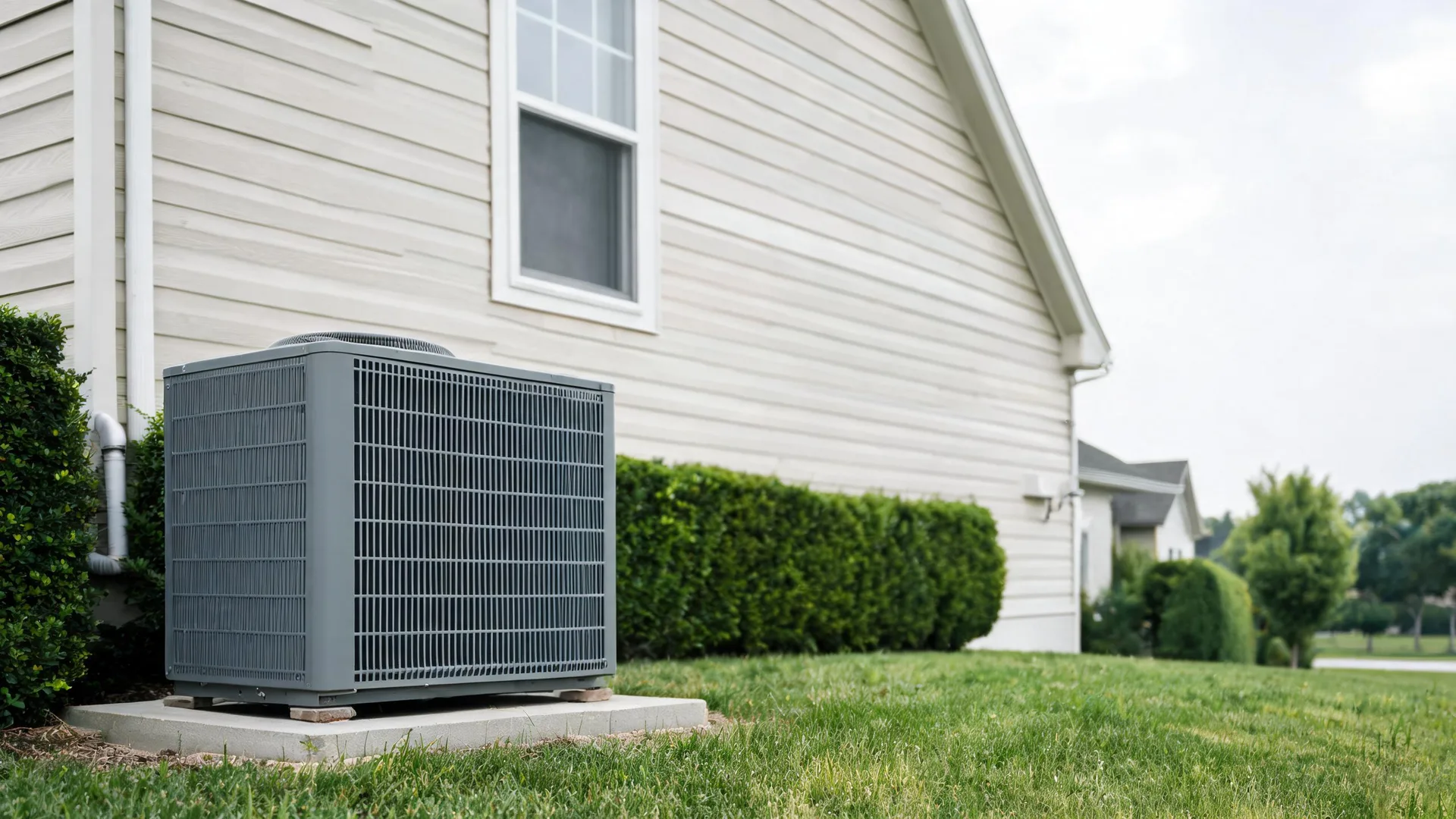
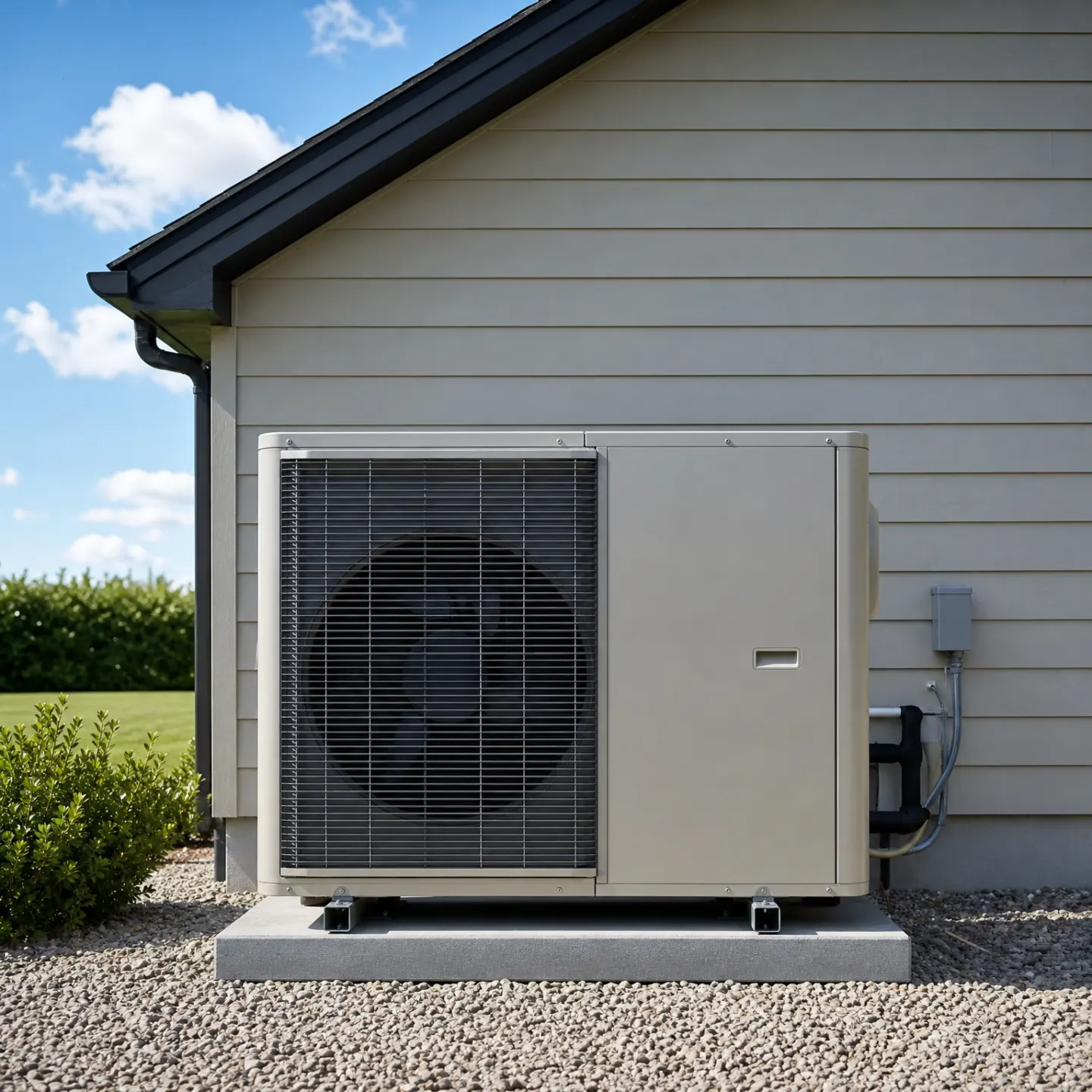
Electricity here isn't cheap
Bureau County homes paid 16.11 cents per kilowatt-hour in 2025, more than most US counties. A heat pump runs on electricity for both heating and cooling, so that rate applies every time it cycles on.
Takes about a minute. No obligation.
Bureau County homes paid 16.11 cents per kilowatt-hour in 2025, more than most US counties. A heat pump runs on electricity for both heating and cooling, so that rate applies every time it cycles on.
Two heat pumps can heat and cool the same house and still leave different numbers on the meter. At this rate per kilowatt-hour, the difference in how well a unit runs shows up month after month.
NOAA nClimDiv, 1991–2020 normals
Gas heats 68.4% of homes in Bureau County.
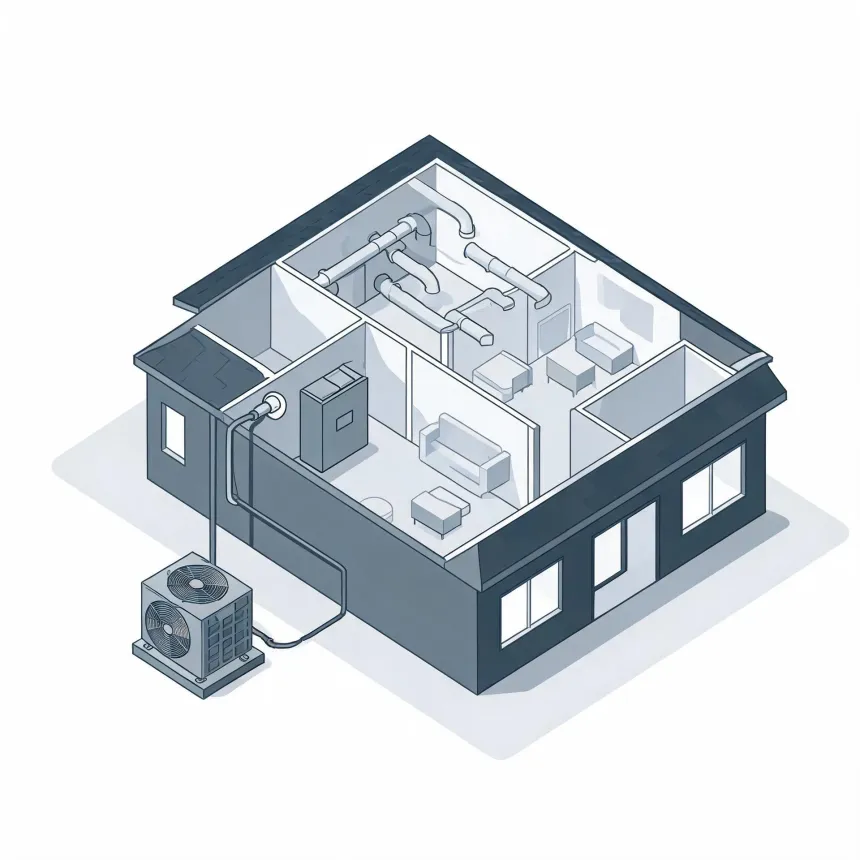
A heat pump replacing a furnace is usually paired with it, not a one for one swap.



Bureau County falls under zone 5A, a cool and humid climate where the furnace or heat pump works harder for heat than for air conditioning. Any split-system heat pump installed new has to clear federal minimums set for that kind of climate: at least 14.3 Btu of cooling delivered for every watt-hour it draws over the summer, and at least 7.5 Btu of heat for every watt-hour over the winter. Those numbers set the floor. A contractor sizing a system for this county is already working above that line, not deciding whether to meet it.
Electricity here costs more than in most places, and a heat pump runs on it for both heating and cooling. Getting the right unit sized and installed for this house is what decides whether that rate works against you or not.
Find a contractorA heat pump here works eight months of the year, October through May, then switches over and runs the other three. Most of its hours go to heat, not cooling, and the overnight low in December, January and February averages 18°F. That is the range the unit has to deliver heat across, night after night, long before it ever coasts through a mild afternoon. September is the month before heat season starts, and that is when a system going in gets to run its first weeks on mild days instead of cold ones. One going in after heat season has already started is starting on the hardest job it has, with whatever sizing and setup it arrived with.
Correct sizing comes from a load calculation, a room by room look at windows, insulation, air leaks and ceiling height, not a quick figure based on floor space. Two houses the same size can need different size units once that math is done. Get this wrong and the unit either struggles to keep up or cycles so often it never settles in and runs efficiently.
A heat pump too big for the house blasts the space to temperature and shuts off before it finishes a full cycle. Short cycling like that means the system never runs long enough to pull moisture out of the air, so the house can feel colder or stickier than it should even with the unit working. It also means more stopping and starting, which wears on the compressor over time. Bigger is not a safer bet. The right size is the only correct size.
What drives the price of a heat pump installation is mostly what the installer has to do before the unit ever gets set outside. A straight swap, same spot, same line set, same electrical, costs less work than a system going somewhere new. Running new refrigerant lines, upsizing the electrical circuit, or adding a disconnect box all add labor before the equipment even gets bolted down. The air handler or coil inside matters too. If the ductwork has to be modified to handle the airflow a heat pump needs, that's more time on site, not just more parts. Backup heat strips, a new thermostat, and the controls that let the system switch between heat pump and furnace all add to the job. None of this shows up on the unit's price tag. It shows up in what it takes to make the unit work with the house it's going into.
A house built in 1958 or earlier was wired and ducted for whatever heated it then, not for a heat pump. The electrical panel is the first thing to check, since a heat pump draws on circuits a furnace never needed. The ductwork is the second thing, since a heat pump moves a different volume of air than a furnace did, and ducts sized for one don't always suit the other. Neither problem rules out a heat pump going in. It means the contractor has to size the job around what the house already has, not just the unit going into it.