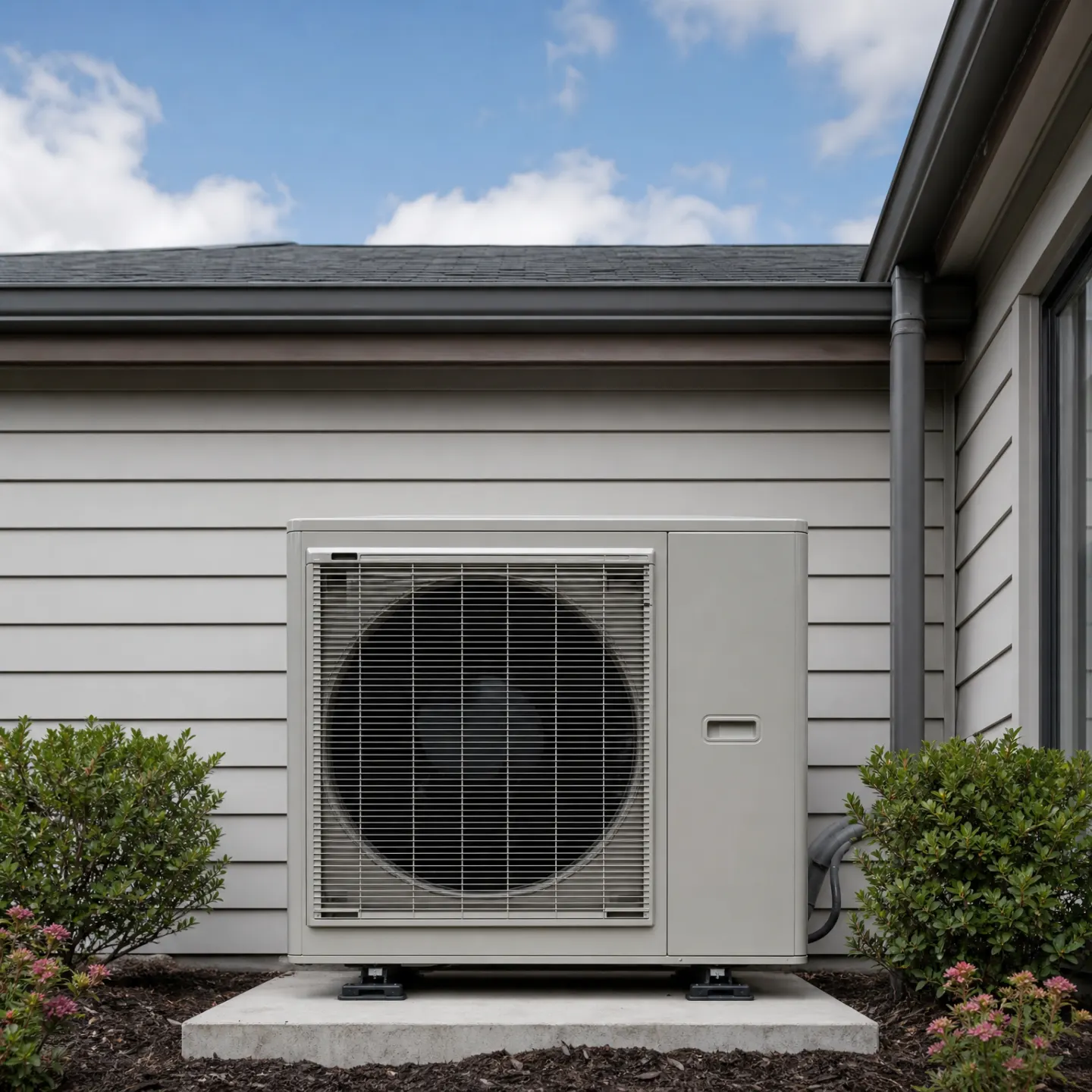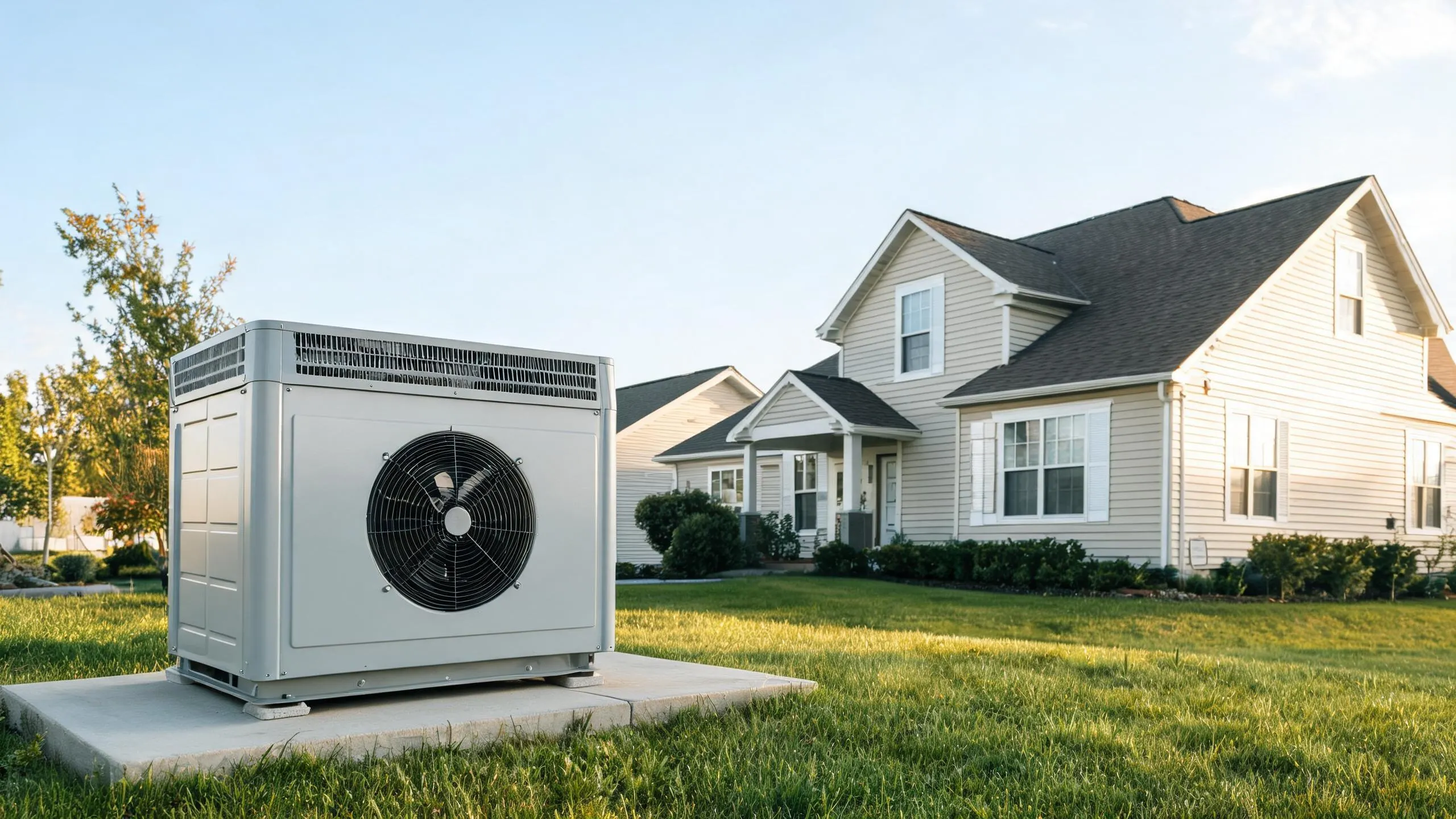
An outdoor heat pump unit mounted on a concrete pad in the front yard of a gray suburban house.

Heat Pump Repair in Princeton, IL

Tell us about the job

Takes about a minute. No obligation.

Step 1 of 3: Equipment

Winter is the real test here

Princeton gets down to an average overnight low of 18°F in December, January and February. A heat pump has to work hardest right in that range, so trouble tends to show up as weaker heat or longer run times in the cold months rather than failures in summer.

That points to a normal diagnosis

A system struggling with Princeton's winters is usually dealing with a low refrigerant charge, a failing defrost control, or a reversing valve that is not switching right. None of that is specific to this area. A contractor can check these the same way they would anywhere else this cold.

8 months
October through May, your system heats
3 months
June through August, it cools
18°F
the average winter night it heats against
83°F
the average summer afternoon it cools against
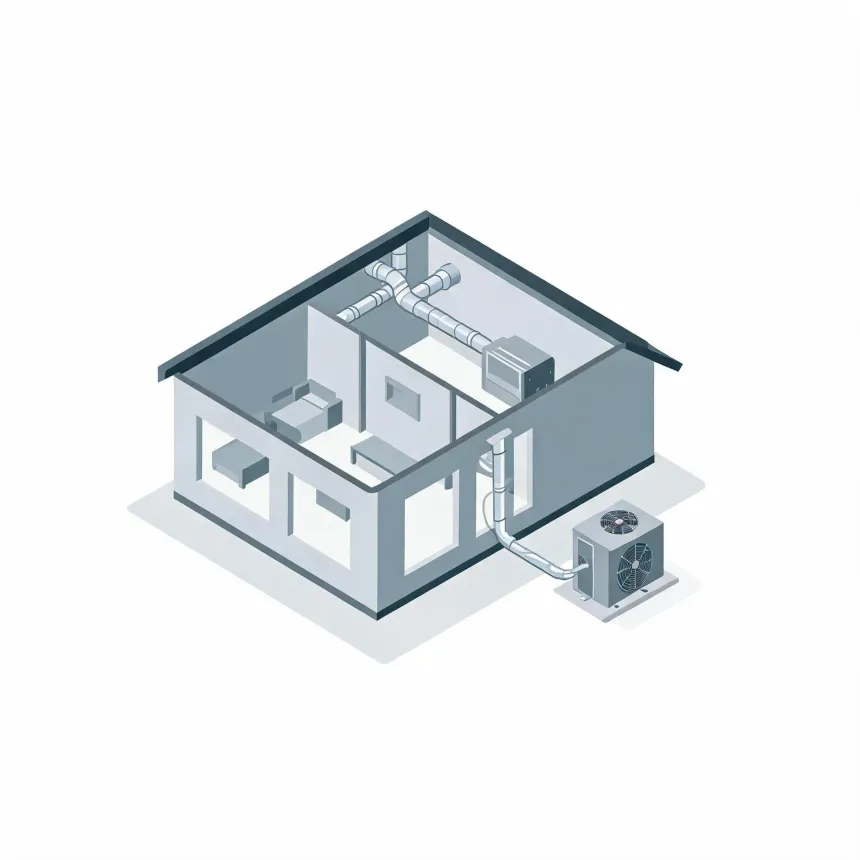
Isometric illustration of a cutaway house showing interior rooms, ceiling ductwork and an air handler, connected by lines to an outdoor condenser unit on a pad beside the building.
Your system heats October through May and cools June through August.

NOAA nClimDiv, 1991–2020 normals

Heat runs here from October through May, about eight months a year.

A heat pump with a weak part often shows it in the first cold snap, not before.

Bureau County sees its share of storms, but that's not why your heat pump is down

150 severe weather events from 2015 to 2024
16% of homes statewide lost power a day or more in 2024
72 damaging wind events from 2015 to 2024
Running costs more hereIllinois homes paid 15.87 cents per kilowatthour in 2024, and a struggling heat pump runs up that bill every month.

Half the houses in Bureau County date to 1958 or earlier. If yours is one of them, the heat pump itself is probably not that old, but it's worth finding out how old it actually is. A unit that's been running a long time starts needing more repairs, and parts for an aging compressor or reversing valve get harder to find. Before paying for a major repair, ask the contractor how much life is actually left in the system. That answer matters more than the repair in front of you.

A weak heat pump costs you every month it runs

At 15.87 cents per kilowatthour, a heat pump that's running weak keeps pulling power the whole time it struggles to catch up. Getting the actual problem found and fixed stops that waste sooner.

Find a contractor
A man in a cap, gray jacket and tan cargo pants, seen from behind, carries a worn canvas duffel bag up steps toward a dark navy front door, with a potted shrub beside the entry.
A gray heat pump condenser unit mounted on a concrete pad against the gray lap-siding exterior wall of a house.

Get the lifespan answer before the work starts

Ask before the repair starts, not after. A straight answer on what's left in the system tells you whether this is a quick fix or the first of several.

What you'll actually notice

The heat pump runs but the air coming out feels cool instead of warm. Or it cycles on and off more than it used to, never quite satisfying the thermostat. Some units ice up on the outdoor coil and stay that way instead of clearing during the normal defrost cycle. Others make a new noise, a hum from the outdoor unit or a click that repeats when it should switch between heating and cooling.

What it tells a contractor

Weak warm air usually points to refrigerant charge or a failing compressor. A unit that won't defrost points to the defrost control board or the sensor that tells it when to switch. A reversing valve stuck partway explains both short cycling and a system that seems to run nonstop without catching up. Naming what you noticed, when it happens and how often, gets a contractor to the right part faster than describing the symptom alone.

A heat pump nearing the end of its life doesn't usually announce it with one big failure. It's a string of smaller ones, a capacitor this year, a contactor the next, each one a separate bill. Repairing the part in front of you is almost always the right call the first time, and often the second. What changes the math is a compressor going bad, since that repair costs close to what the rest of the system is worth, and a compressor replacement on an old unit is really a bet that nothing else fails soon after. Age alone doesn't retire a heat pump. A string of separate repairs piling up in a short stretch is the better sign that it's done.

A diagnostic visit starts with what the system is doing right now, not a teardown. A contractor checks pressures on the refrigerant lines, reads the temperature of the air going in against the air coming out, and watches a full cycle if the complaint is about defrost or short cycling. Electrical readings on the compressor and the reversing valve's coil come next, since a valve can fail electrically before it ever fails mechanically. Only after that does anything get opened up or replaced. Most of the visit is spent watching the system do what it normally does and comparing that to what it should be doing. Replacing the failed part is the last step, not the first.