



A row of illuminated two-story brick houses with front porches and mature trees photographed at twilight.

Heat Pump Installation in Peoria, IL

Tell us about the job

Takes about a minute. No obligation.

Step 1 of 3: Equipment

Electricity in Peoria County runs 18.04 cents per kilowatt-hour on average, higher than most of the country pays. A heat pump runs on electricity for both heating and cooling, so that rate applies to the system every day it operates, not just in summer. Two heat pumps can heat and cool the same house and land on very different bills, because one moves heat with less electricity than the other. With power priced the way it is here, that difference shows up every month, not just on the day the system gets installed.

8 months
October through May, your system heats
4 months
June through September, it cools
20°F
the average winter night it heats against
84°F
the average summer afternoon it cools against
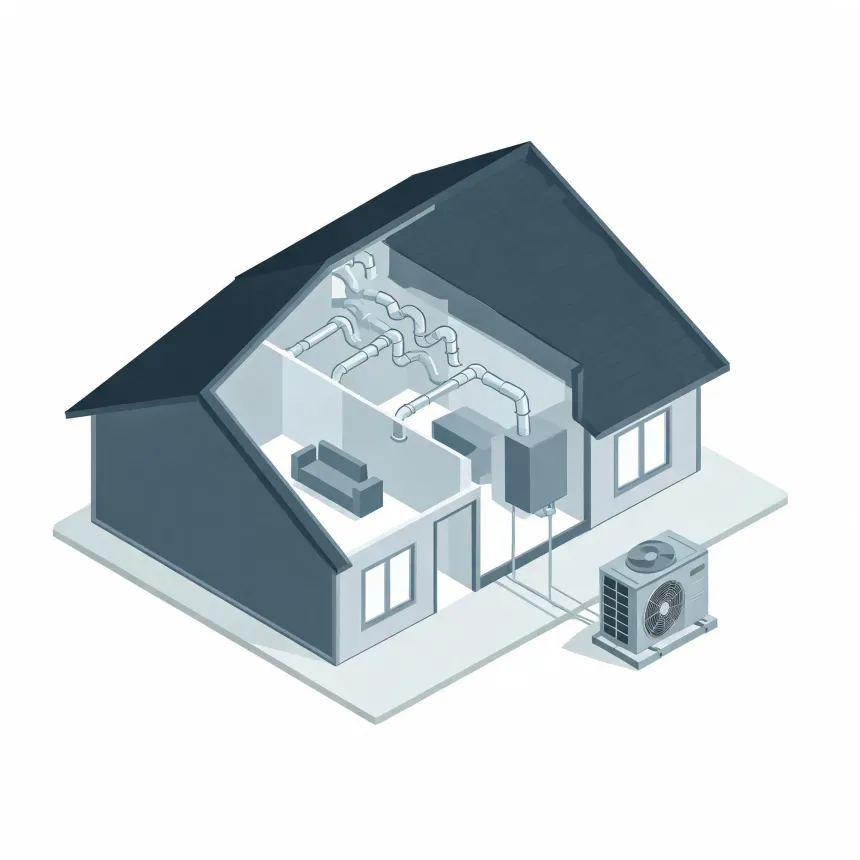
Isometric cutaway illustration of a house showing interior ductwork, an indoor air handler unit, and an outdoor condenser unit beside the building.
Your system heats October through May and cools June through September.

NOAA nClimDiv, 1991–2020 normals

Peoria sits in climate zone 5A, where heating carries the bigger load all winter and summer humidity keeps the compressor working too.

A heat pump installed here runs most months of the year, so sizing and setup decide what it costs you long after the install truck leaves.

Most homes here run on gas, which is the path a heat pump has to compete with

68.1% of homes heat with gas
147 damaging wind events from 2015 to 2024
106 hail events from 2015 to 2024

May is a good month to get this done. Cooling starts in June and runs through September, four months where the heat pump does the work an air conditioner would otherwise do. Get it installed before June and it's running from day one in weather it has to keep up with, with nobody rushing to finish the job. Wait until the first hot week and you're choosing a system under pressure, maybe living with a few bad days while it gets sorted out. The same goes in reverse come September, ahead of eight months of heat that start in October. A heat pump put in with time to spare gets checked and set up right, not just turned on.

The Install Decides What You Pay Every Month After

Power here costs more than most places pay, and a heat pump runs on it year round, not just in summer. The system going in decides whether that rate works for you or against you. Get the sizing and setup right at installation and it stays that way on every bill after.

Find a contractor
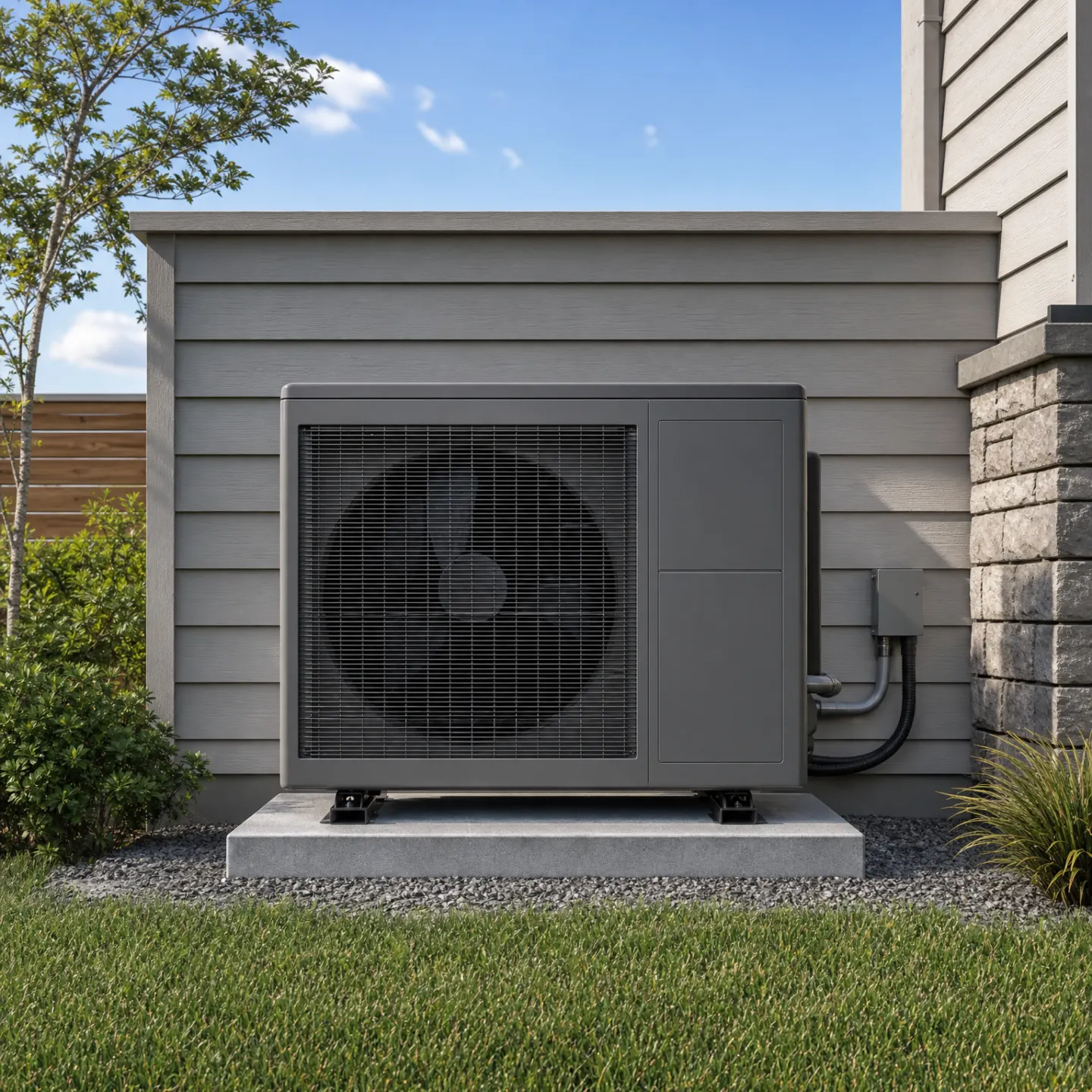
A gray heat pump outdoor unit mounted on a concrete pad next to a residential house with lap siding and stone accents.

This House Has Been Standing Since Before Most Heat Pumps Existed

Half the homes in Peoria County were built in 1966 or earlier. A heat pump installed in a house that age has to tie into whatever heating setup was there before, whether that's ductwork sized for a furnace or no ductwork at all. Older homes lose heat faster through walls and windows that were never built to today's standard, so the unit works harder to hold a temperature than it would in new construction. None of that rules out a heat pump. It just means the sizing has to match the house as it actually is, not a average house on paper.

The Number on the Label Is a Ratio, Not a Guarantee

The efficiency rating compares heat moved against electricity used, measured under set lab conditions. A higher rating means the unit can move more heat per unit of power. It doesn't mean every installed system hits that number. The same equipment set up wrong, with the wrong refrigerant charge or airflow, will run below its rating no matter what the label says.
The Rating Tells You What the Unit Can Do, Not What It Will Do

Ductwork that's too narrow, a thermostat that short-cycles the system, or a charge that's off all pull real performance below the rated number. Two identical units, one installed carefully and one rushed, can run noticeably apart on the same bill. The label is the ceiling. What the contractor does with sizing, airflow, and charge decides how close the system gets to it.

A heat pump's price tag covers more than the box in the yard. Sizing takes real work: a contractor has to measure the house, the windows, the insulation, and figure out the load room by room, not just pick a number off a chart. Get that wrong and the unit is either too big, cycling on and off and never running long enough to dehumidify right, or too small, running flat out and still falling behind on the coldest days. Ductwork matters just as much. If the existing ducts are too narrow or leaky, they either need sealing and modification or the air handler never gets enough flow to hit its rated output, and that work takes time and material. The line set, the electrical circuit, the disconnect, the pad the outdoor unit sits on, all of that is labor and parts before the system ever turns on. A straightforward swap onto equipment that already fits costs less work than a install where the ductwork, the electrical panel, or the layout of the house all need changes to make the new system work the way it's supposed to.

Peoria County logged 280 severe weather events between 2015 and 2024, with damaging wind alone hitting 147 times and hail 106 times. Eleven tornadoes touched down in that same stretch, and winter storms brought heavy snow or ice twelve times. An outdoor heat pump unit sits outside through all of that, exposed to hail and wind-blown debris in a way a furnace in the basement never is. Statewide, 16% of Illinois households lost power for 24 hours or more in 2024, and a heat pump needs electricity to produce heat or cooling, so an outage takes the whole system down, not just the air conditioning. Where the unit goes and what protects it from wind and hail are worth working out with the contractor before the install, not after a storm.