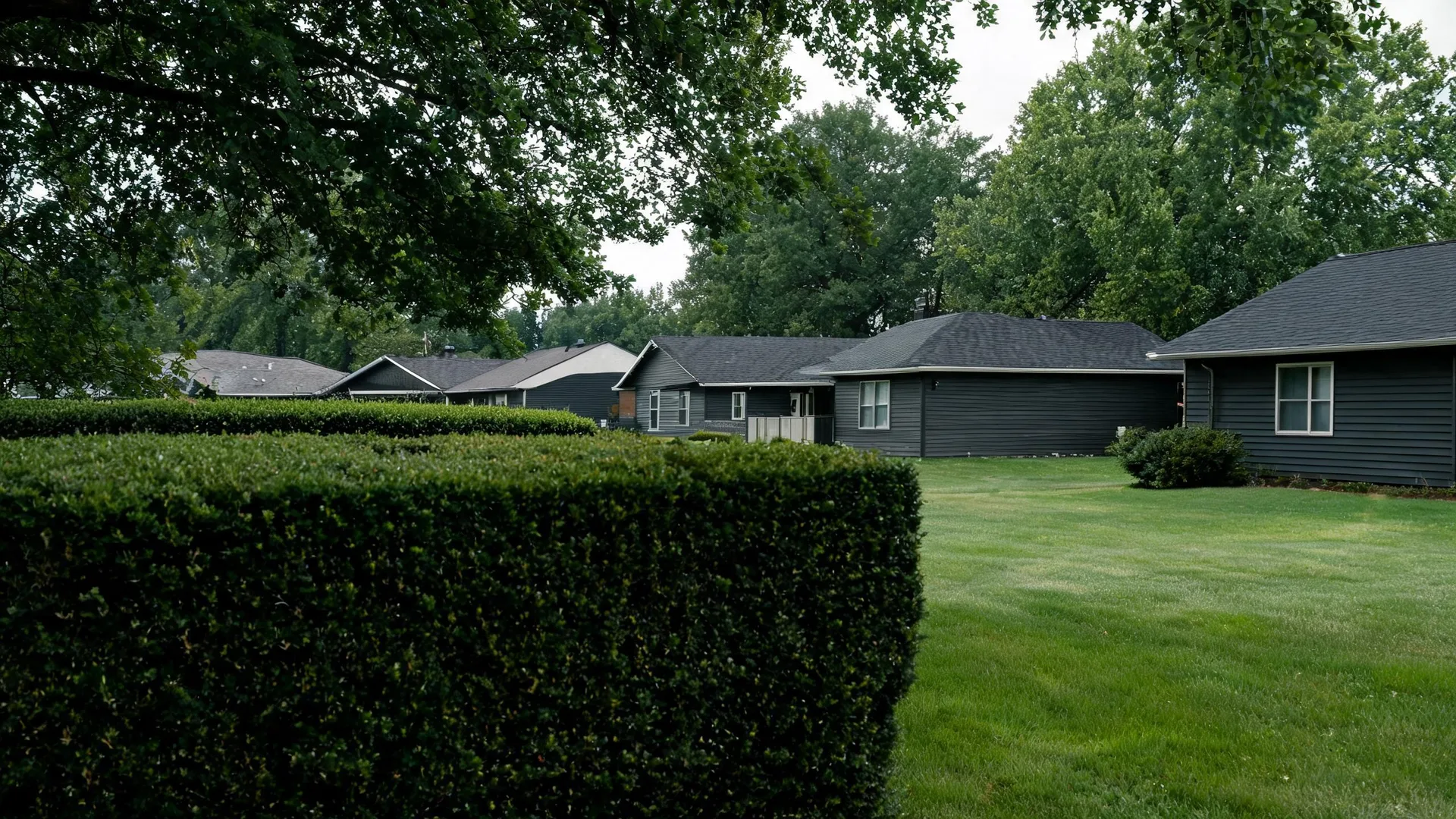


A trimmed hedge borders a mown lawn in front of single-story houses with dark siding and shingled roofs, surrounded by large leafy trees under an overcast sky.

Furnace Repair in Oswego, IL

Tell us about the job

Takes about a minute. No obligation.

Step 1 of 3: Equipment

Furnaces in Kendall County run from October through May. That's eight months of the year the burner and blower are working, not a few cold snaps here and there. An igniter or a blower motor that might coast for years somewhere milder is cycling on and off almost every day for most of the year here. That kind of use adds up faster than people expect, and it's often why a furnace starts acting up sooner than its age would suggest. When something does go wrong, it's worth having a contractor look at the actual cause rather than just the symptom, since a quick patch on a part that's already worn down tends not to hold.

8 months
October through May, your furnace is on duty
19°F
the average winter night it heats against
87%
of homes here heat with gas, so most furnaces here burn gas
10 winter storms
in ten years, the nights a failure hurts most
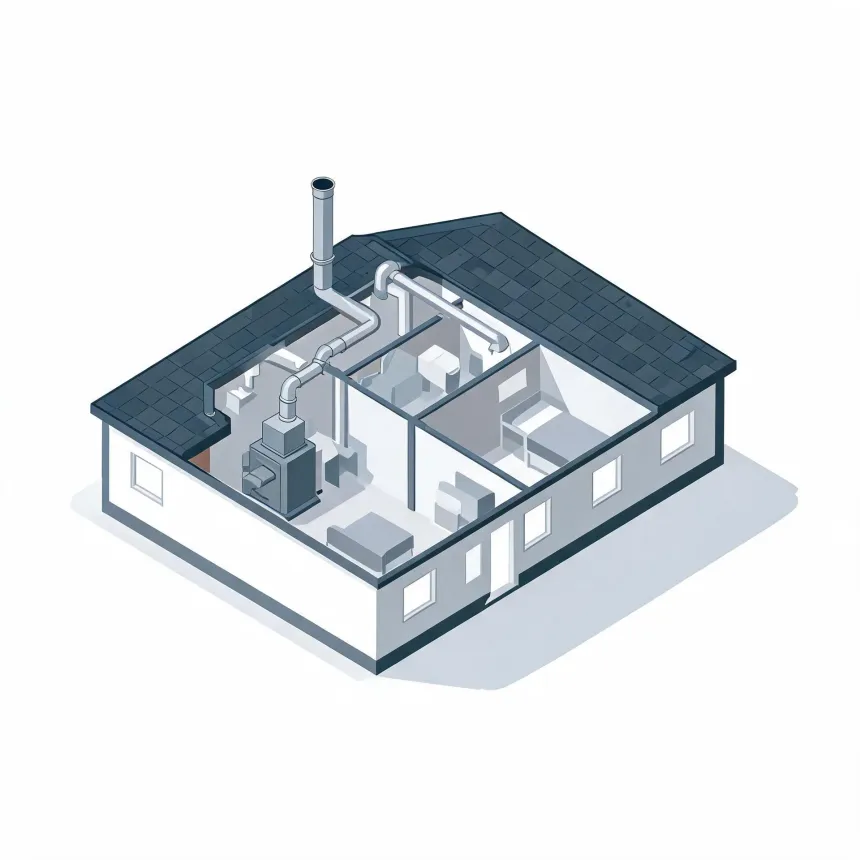
Isometric cutaway illustration of a single-story house with a dark shingled roof, showing interior rooms with furniture and a furnace connected to ductwork and a flue pipe extending above the roof.
Your furnace works hardest from November through March.

NOAA nClimDiv, 1991–2020 normals

Furnaces here start up in October.

A weak part often waits for that first cold stretch to fail.

If your furnace came with the house, get the failed part found before anyone talks about a new system

Half the homes here were built by 2001
Heat runs October through May
Winter nights average 19°F

If your furnace came with a newer house, replacing the whole system usually isn't the first move. A furnace that's a decade or two old still has working parts in it worth fixing. A cracked igniter or a failed control board doesn't mean the unit is done, it means that one part gave out. Have a contractor check which part failed and why before anyone talks about replacement. On a furnace this age, repair is usually the faster and simpler fix.

Eight months of runtime finds the worn part fast

Get the actual cause checked instead of guessing at the fix. A furnace that's been cycling since October doesn't give a worn part much room to hide, and the sooner a contractor finds it, the better the repair holds.

Find a contractor
A man in a dark shirt, tan pants and cap walks up porch steps toward a navy blue front door, carrying a canvas tool bag filled with hand tools, beside a potted shrub in a blue planter.
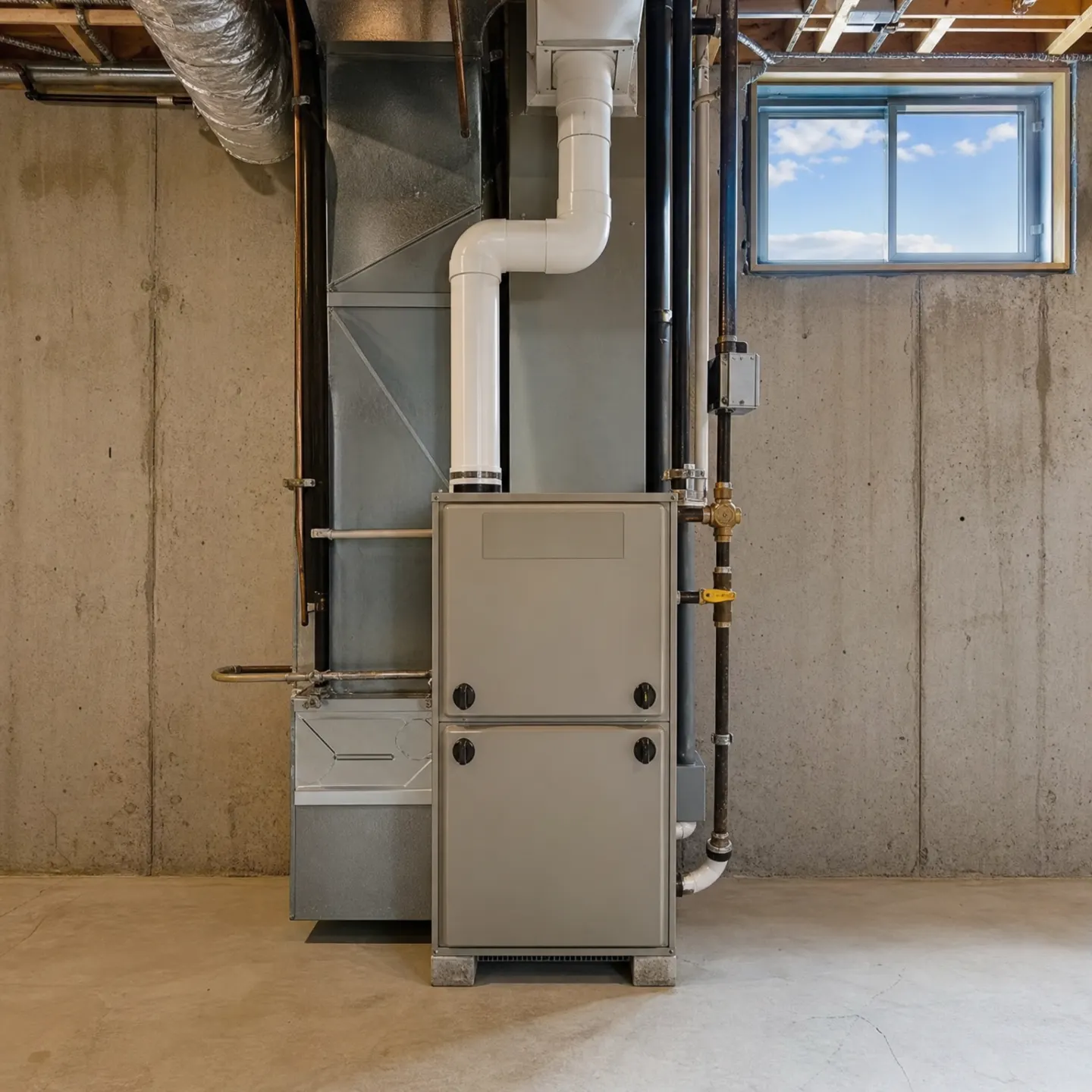
A gray gas furnace with attached ductwork and piping installed in an unfinished concrete basement.

What to check before the call

Before anyone comes out, there's a handful of things worth checking yourself. Start at the thermostat. Make sure it's set to heat and the set temperature is actually above room temperature, and check the batteries if it uses them. Next, look at the air filter. A filter clogged with dust chokes off airflow, and a lot of furnaces will shut themselves down rather than run with the blower starved for air. Check that the furnace switch, the one that looks like a light switch near the unit, hasn't been bumped off. Check the breaker too. Then look at the vent pipe and the intake pipe outside where they pass through the wall, and clear away anything blocking them, snow, leaves, a bird's nest. A blocked vent will shut the furnace down on purpose, as a safety measure. If the furnace uses a standing pilot, see whether the pilot light is lit. If it's gone out, there's usually a relight procedure printed right on the unit. None of this involves opening the cabinet or touching the burner or the control board. If the furnace still won't run after these checks, that points to something inside the unit, and that's where it stops being a homeowner job.

A noise or smell left alone gets worse

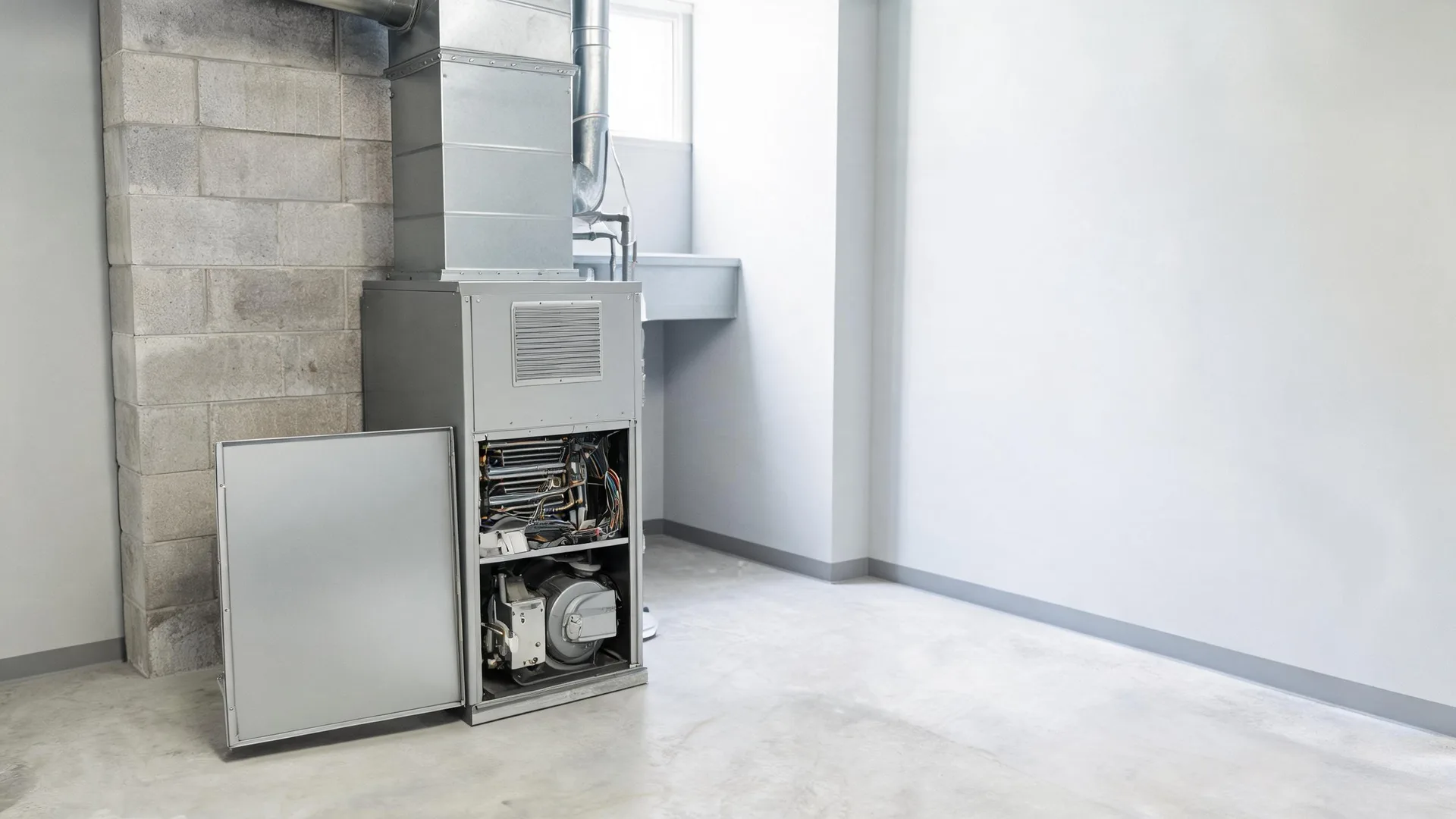
A cracked heat exchanger starts as a tick or a rattle. A failing blower motor starts as a squeal. Left running, the crack spreads and the motor bearing wears further, turning a part swap into a bigger repair. Shutting the furnace off when something sounds or smells wrong keeps a small failure small.
Watch for a furnace that short cycles

A furnace that fires, runs briefly, then shuts off and starts again is protecting itself from something, often a flame sensor losing its signal or airflow that's too low. Letting it keep short cycling puts extra wear on the igniter and the blower motor with every restart. Getting it looked at before that pattern settles in saves those parts.

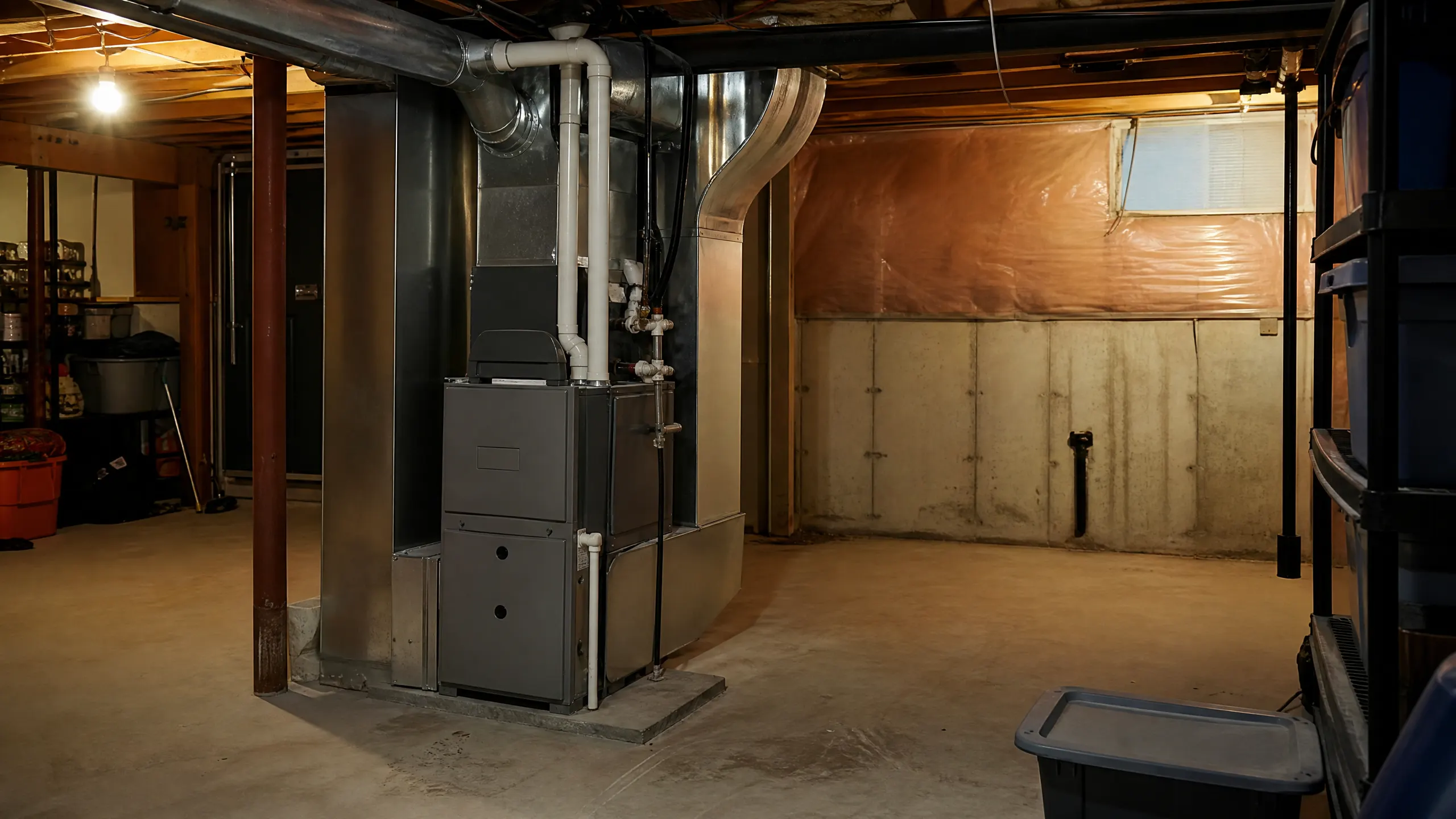
A gas furnace with sheet-metal ductwork and PVC pipes installed in an unfinished basement.

A new furnace would cut about $140 a year off heating for a typical Kendall County home.

  • A new high-efficiency furnace$590 a year
  • An older furnace$730 a year

Estimates for a typical Kendall County home, compared with an older unit built to the previous federal minimum, from EIA household energy data, Illinois fuel prices and NOAA climate normals. Your home will differ.

Repair makes sense when one part has failed and the heat exchanger is sound.

Replacement makes sense when the heat exchanger is cracked or the furnace keeps needing parts.

A repair decision really comes down to what broke and what it's connected to. A blower motor, an igniter, a flame sensor, a control board, these fail on their own and taking out the bad part and putting in a good one brings the furnace back to normal. The heat exchanger is different. That's the chamber the flame actually burns inside, and if it's cracked, the fix isn't a part swap, it's a bigger decision, because a cracked exchanger can let combustion gas into the air the blower moves through the house. A contractor can tell you which kind of problem you've got within a few minutes of looking. If it's a part, fixing it is usually straightforward. If it's the exchanger, that conversation goes a different way.