


A row of dark-sided single-story houses with gray shingled roofs behind a trimmed hedge, with mown lawn and large deciduous trees under an overcast sky.

Furnace Repair in Aurora, IL

Tell us about the job

Takes about a minute. No obligation.

Step 1 of 3: Equipment

Furnaces in Aurora run about eight months of the year, October through May. That's most of the calendar spent cycling on and off, heating a house against overnight lows that average 18°F through December, January and February. A system working that many hours, against that kind of cold, wears parts sooner than one that only kicks on now and then. An igniter or a blower motor that might last longer somewhere milder gets asked to do more here, year after year. When something starts acting up, it's usually that long season of work catching up with the machine, not a fluke. Worth having someone look at the actual cause before anything gets replaced.

8 months
October through May, your furnace is on duty
18°F
the average winter night it heats against
86%
of homes here heat with gas, so most furnaces here burn gas
19 winter storms
in ten years, the nights a failure hurts most
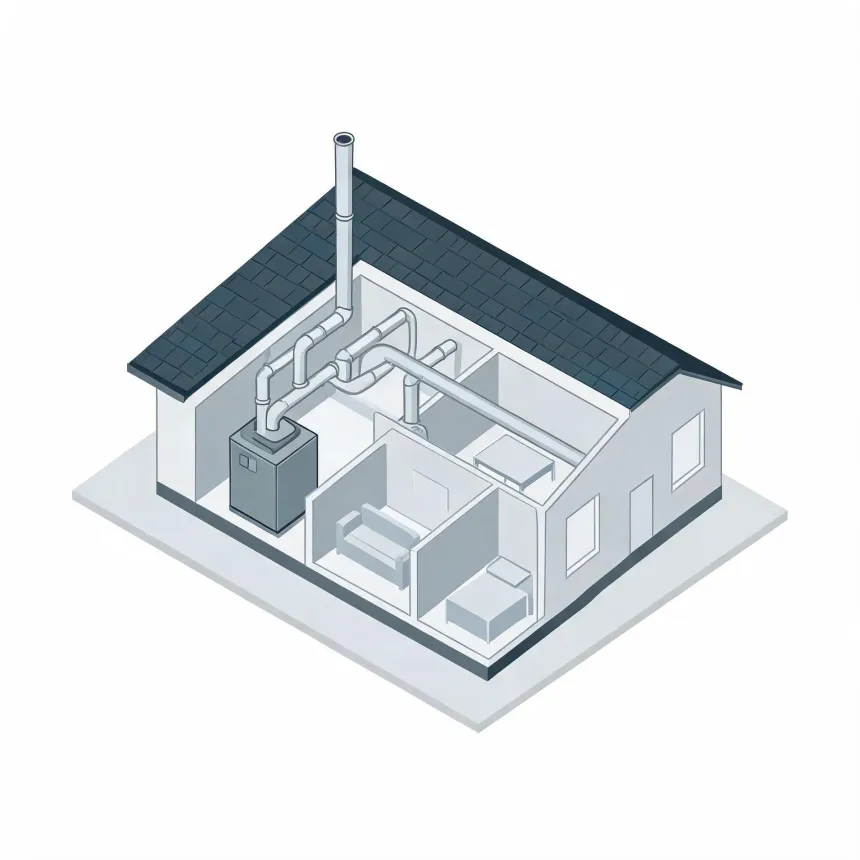
Isometric cutaway illustration of a single-story house showing a gray furnace connected to white ductwork and a flue pipe extending through the shingled roof, with simplified furniture in the interior rooms.
Your furnace works hardest from November through March.

NOAA nClimDiv, 1991–2020 normals

A furnace that won't start at all is a different problem than one that starts and blows cold.

Check the thermostat and the filter first. Both are things you can see for yourself before anyone comes out.

September is when a weak part from last winter finally gives out

Heat runs October through May
Winter nights average 18°F
Climate zone 5A

Half the homes in Kane County were built in 1985 or later, and if yours is one of them, your furnace is likely newer too. That doesn't make it immune to the season, but it does mean the parts inside it started out in good shape rather than already worn from years of use. A newer igniter or blower motor that's struggling has probably hit a bad connection or a control board fault, not the end of its working life. That's a repair, not a replacement. Check the installation date on the unit or in your paperwork if you're not sure how old it is.

Get it diagnosed properly

Your furnace works hard here, and that's usually what's behind the problem. Have it diagnosed properly so the fix lasts.

Find a contractor
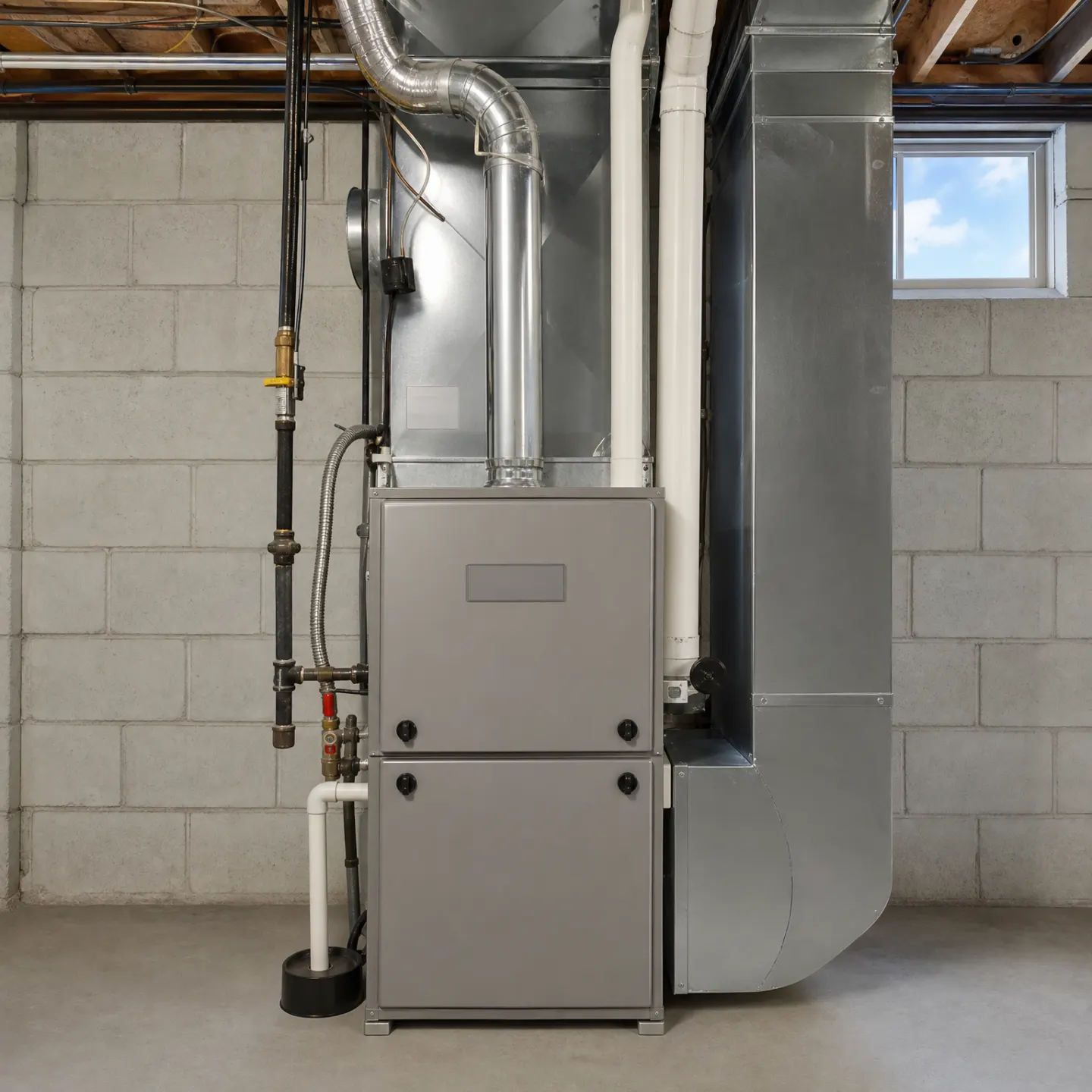
A gray high-efficiency gas furnace installed in an unfinished basement, surrounded by gas lines, a condensate drain, and sheet-metal ductwork.

Eight months of work adds up to real wear

Eight months of heat a year means a lot of cycles on the igniter, the blower motor, the control board. When one of those starts failing, it's worth finding out which part and why before paying to replace anything. A diagnosis now gets you a fix that holds for the rest of the season instead of a guess that doesn't.

A cracked heat exchanger gets worse every time it fires

A small crack lets exhaust mix with the air moving through the house. It won't seal itself. Each cycle flexes the metal again and opens it a little further, and the furnace has no way to tell you this is happening on its own.

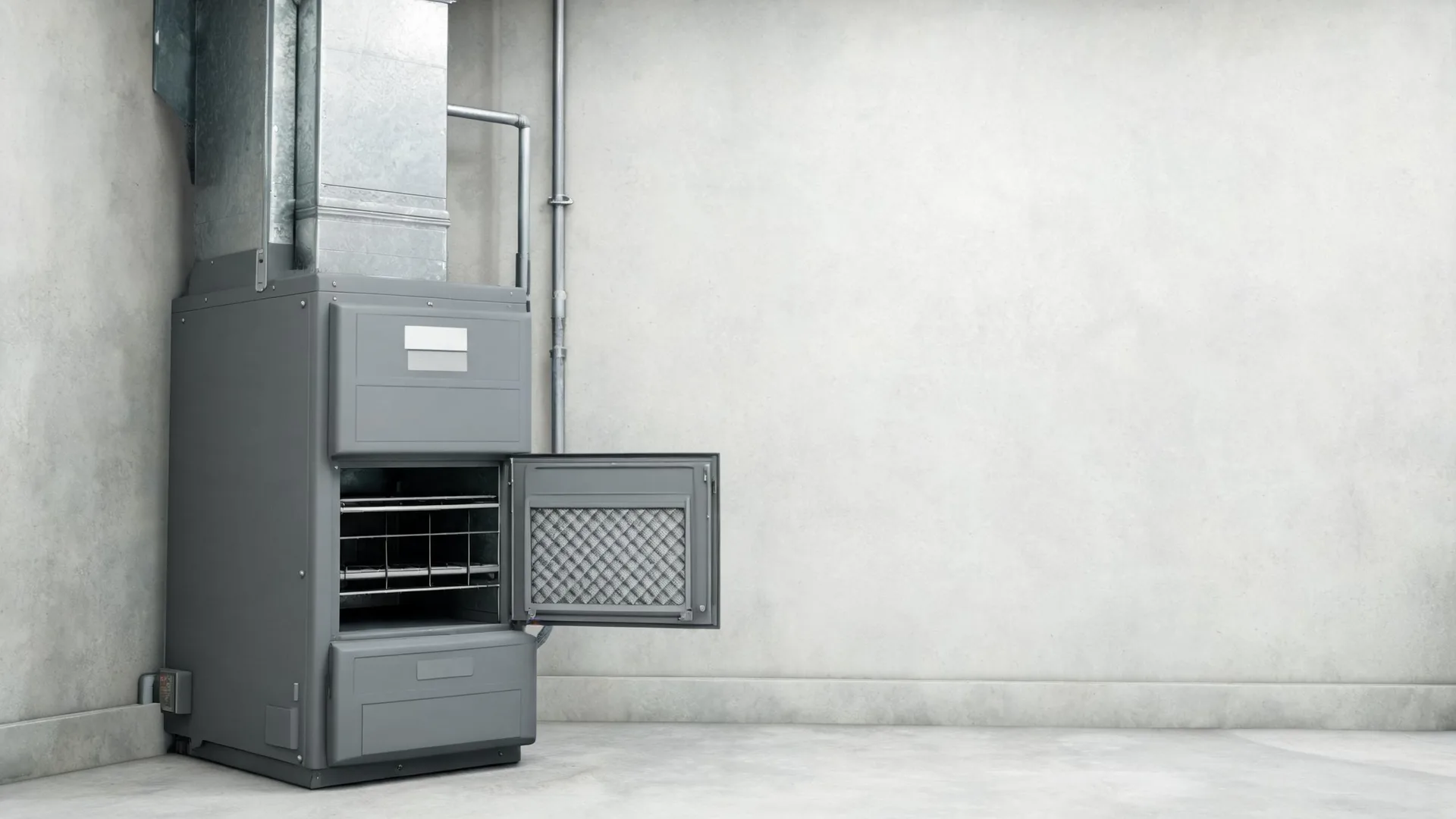
A failing blower motor can take other parts down with it

A motor running on worn bearings pulls harder to keep the same speed. That extra strain heats the windings past what they're built for. Left running, it can take the capacitor or the control board with it on the way out.

An unfinished concrete basement containing a metal HVAC air handler, exposed wooden ceiling joists with sheet-metal ducts, a hanging bare bulb, copper pipes, and stacked cardboard boxes.

A new furnace would cut about $150 a year off heating for a typical Kane County home.

  • A new high-efficiency furnace$610 a year
  • An older furnace$760 a year

Estimates for a typical Kane County home, compared with an older unit built to the previous federal minimum, from EIA household energy data, Illinois fuel prices and NOAA climate normals. Your home will differ.

Repair makes sense when one part has failed and the heat exchanger is sound.

Replacement makes sense when the heat exchanger is cracked or the furnace keeps needing parts.

A tech starts by asking what the furnace was doing right before it quit. Making noise, blowing cold, thermostat blank or lit, that kind of thing. Then the panel comes off and the control board gets checked first. Most boards flash an error code that points at what tripped the system. From there it's a process of checking the parts that code points to. The flame sensor for corrosion. The igniter for continuity. The pressure switch for a stuck diaphragm. Each test either clears that part or confirms it's the problem, so there's no guessing by the time you get an answer. The visit ends with a part named and a reason why it failed, not just that it did.