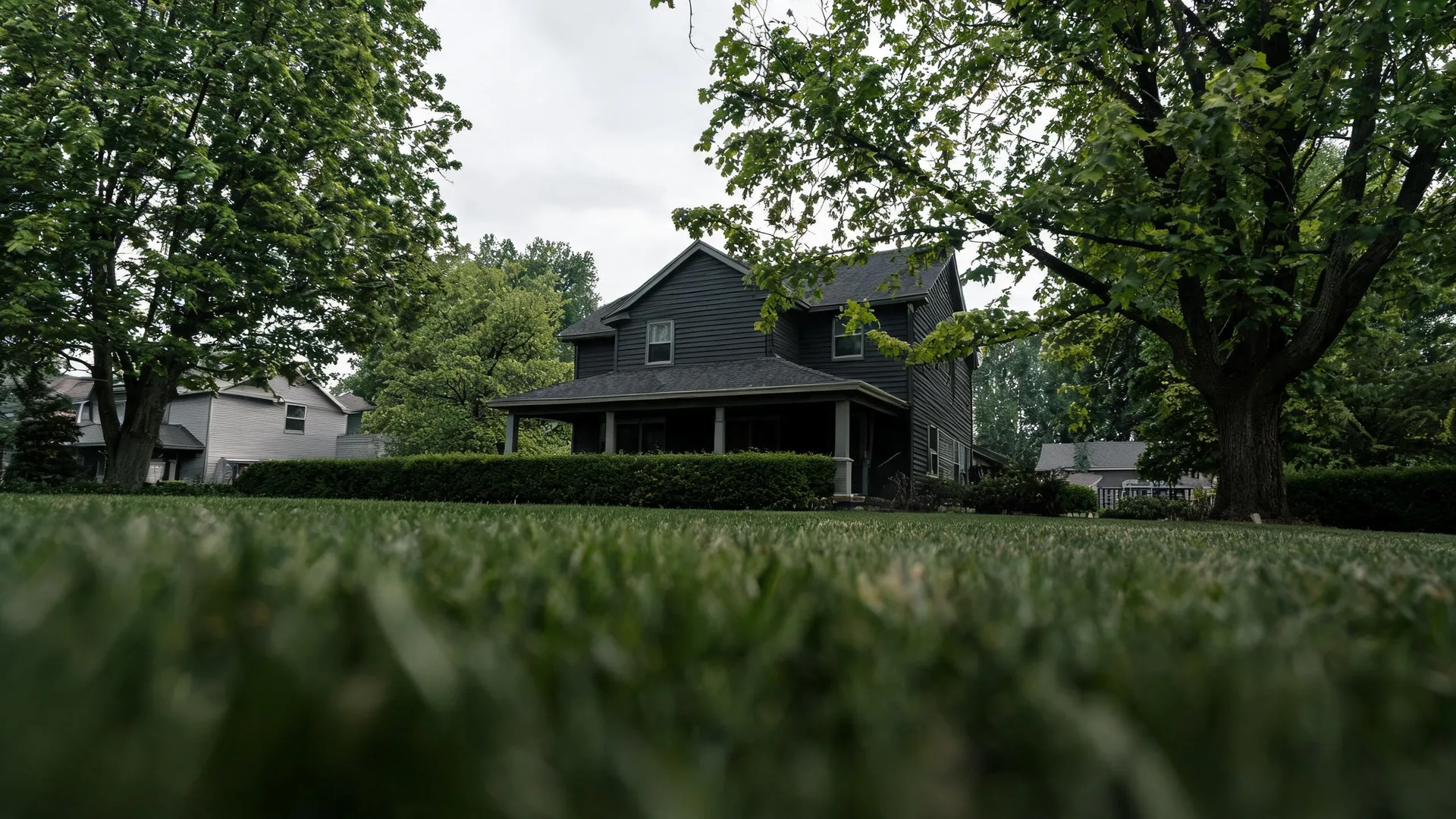


A low ground-level view across a mown lawn toward a dark two-story house with a covered front porch, flanked by large leafy trees under an overcast sky.

Furnace Maintenance in Rochelle, IL

Tell us about the job

Takes about a minute. No obligation.

Step 1 of 3: Equipment

Eight months of the year, the furnace in a Rochelle home is the thing standing between the house and the cold. October through May, it's either running or about to kick on. That's most of the year spent cycling on and off, heating up, shutting down, heating up again. Parts that handle that kind of use in a milder climate get a break for half the year. Here they don't get one. A worn igniter or a cracked heat exchanger doesn't wait for a convenient time to show itself, and with this much runtime, it tends to show up sooner than the manual would suggest.

Most homes in Ogle County heat with gas, 66.5 percent of them.

A gas furnace tune-up means checking the burner, the venting and the safety controls, not swapping a filter and calling it done.

Eight months of heat starts in October. That's the month to get ahead of.

Heat runs October through May
Winter nights average 16°F
Climate zone 5A

Half the houses in Ogle County were built in 1972 or earlier. A furnace doesn't last that long, so the unit in the house now is probably not the original one, but the ductwork and the gas line it runs on usually are. That's a lot of years for a joint to loosen or a connection to wear, and none of it shows up by looking at the thermostat. A yearly check means someone is looking at the burner and the heat exchanger before a small crack or a loose connection turns into no heat at all.

Check it before it has to run every day

A tune-up now means someone checks the burner and the heat exchanger before October, while the furnace is sitting idle and there's time to fix what shows up. Once it's running every day, a worn part doesn't give much warning.

Find a contractor
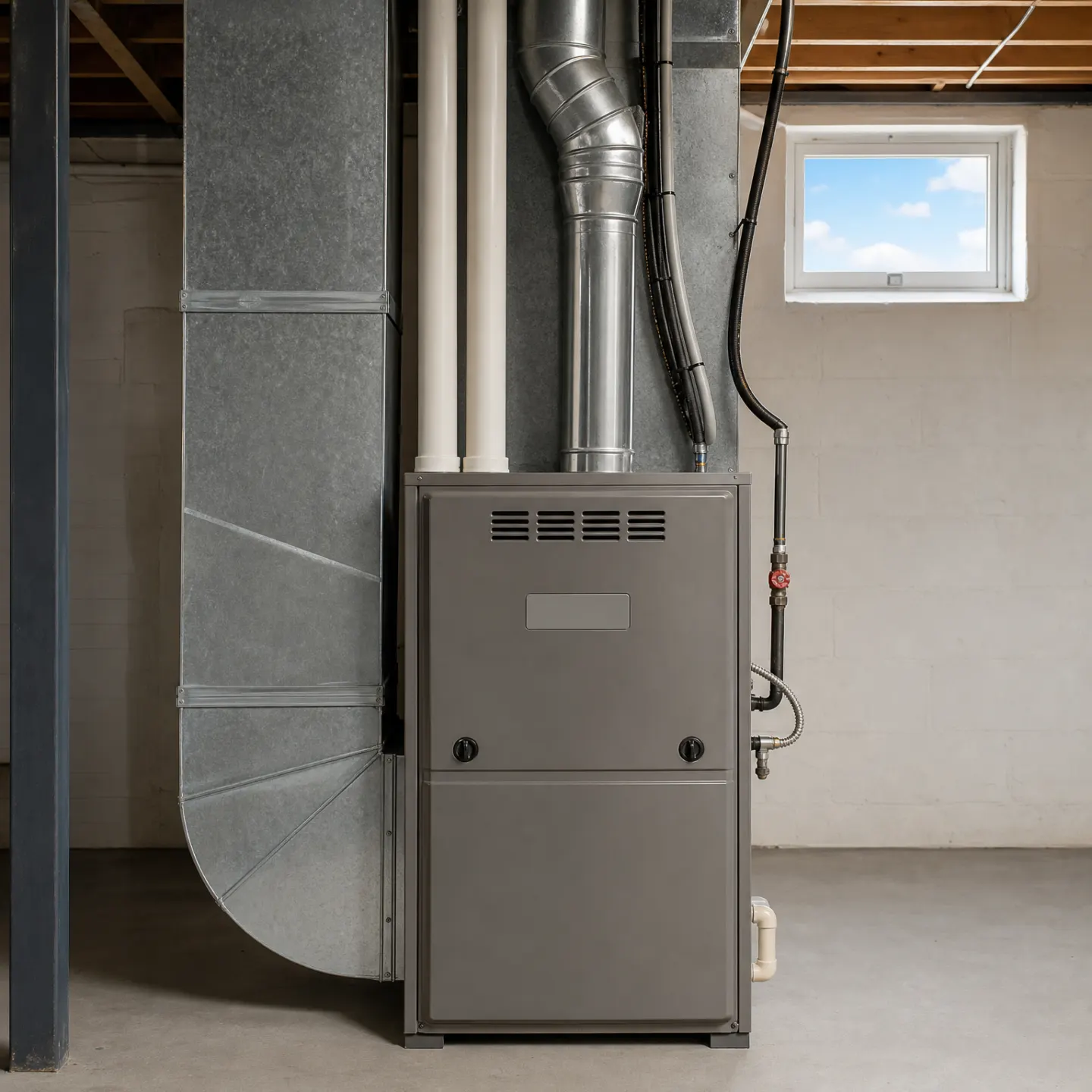
A gray residential gas furnace installed in an unfinished basement, surrounded by ductwork, a metal flue pipe, and a gas supply line.

What skipping it actually costs the furnace

A furnace that never gets looked at doesn't fail all at once. The burner flame starts to yellow instead of burning blue, which means it's not mixing fuel and air the way it should. Dust builds up on the flame sensor until it stops reading the flame at all, and the furnace shuts itself off as a safety measure. The igniter weakens a little more every time it heats up and cools down, until one day it doesn't glow hot enough to light the gas. None of this announces itself. A furnace with a dirty blower wheel still blows air, just less of it, so the house runs a little colder and the furnace runs a little longer to make up for it. Bearings in the blower motor wear quietly until they seize. A heat exchanger with a hairline crack still heats the house fine, right up until that crack is the reason carbon monoxide is getting into the air the blower pushes through the house. Skipped maintenance doesn't cause these problems. It just means nobody catches them while they're still small and cheap to fix.

The filter is doing more than cleaning air

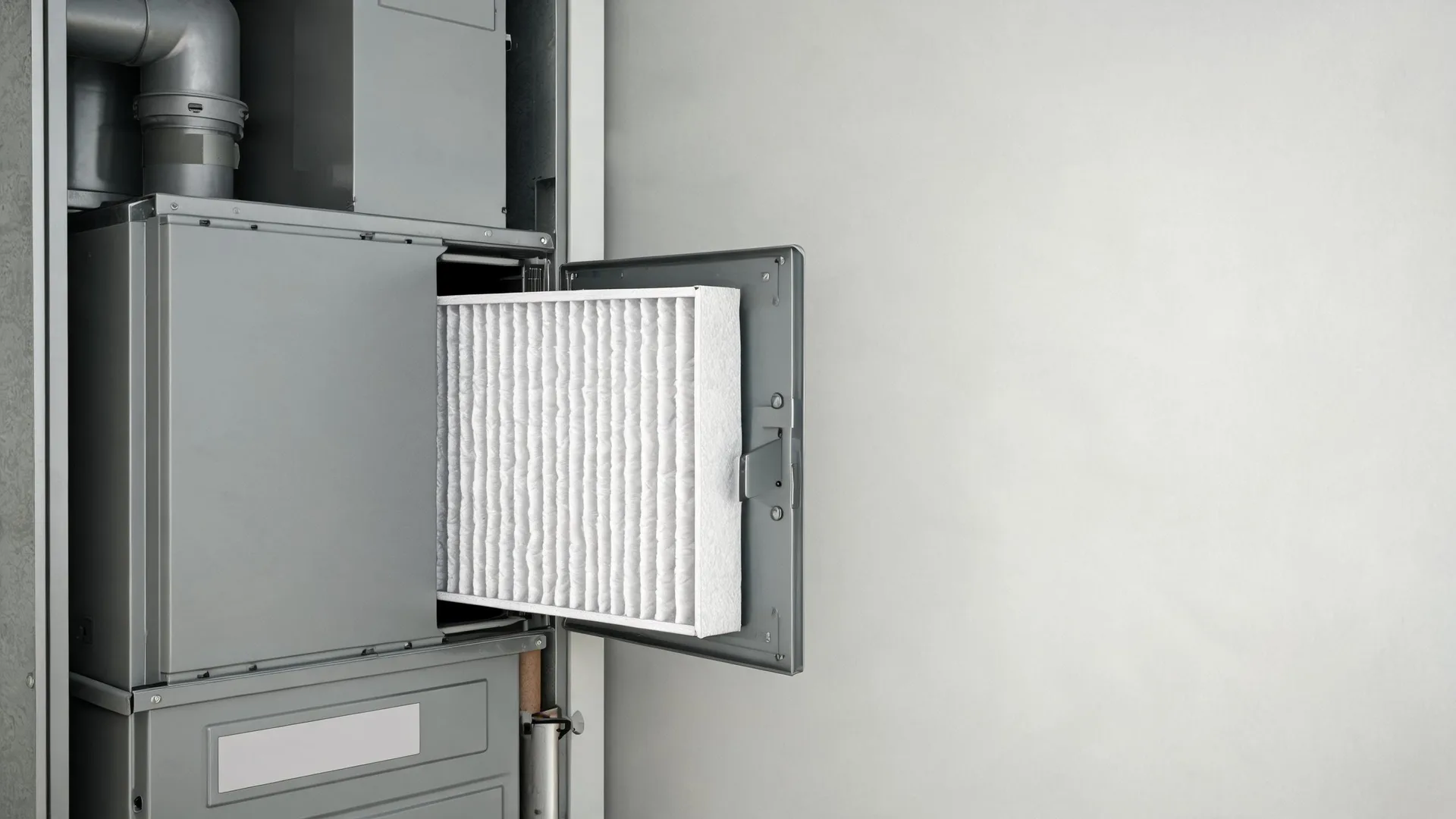
A dirty filter chokes off airflow across the heat exchanger. The burner still fires the same, but less air is moving past the metal to carry the heat away, so the exchanger runs hotter than it was built to. That heat has nowhere to go but back into the metal itself, and that's what turns a hairline stress crack into a bigger one.
The drain only matters on certain furnaces

A high-efficiency furnace pulls extra heat out of the exhaust and that process makes condensation, which has to drain out through a line to a floor drain or a pump. If that line clogs with sludge or algae, the furnace senses the backup and shuts itself down rather than let water back up into the cabinet. It's not a dangerous failure, but it's one more thing a yearly check clears out before it strands the house without heat.

A quick tune-up means someone swaps the filter, glances at the flame through the sight glass, and writes up the invoice. A thorough one means the burner assembly comes out. The tech should be checking flame color up close, not from across the room, because a yellow tip or a flame that lifts off the burner means the gas and air aren't mixing right. The heat exchanger gets inspected with a light and a mirror, not just a flashlight pointed in from the access panel, since hairline cracks hide in the folds of the metal. The flame sensor gets cleaned or tested, not just looked at. Amp draw on the blower motor gets checked against what the motor is rated for, because a motor pulling too many amps is already working harder than it should. If the whole visit takes less time than it takes to explain what was done, something on that list probably got skipped.

A tune-up starts with the burner, not the filter. The burner has to be pulled and cleaned, because dust and soot on the burner ports change how the flame burns, and a flame burning wrong wastes gas and leaves soot behind that makes the next year's buildup worse. The igniter gets tested under load, not just eyeballed, since an igniter can glow and still fail to hold up once it's carrying the job of lighting gas over and over. Gas pressure gets checked at the manifold and adjusted if it's drifted off spec, because too much or too little changes that flame color and the heat output along with it. The control board gets checked for stored fault codes, which can point to a problem that already happened once and quietly cleared itself. Belts don't come into it on most furnaces built in the last few decades, since the blower motor drives the wheel directly, but the wheel itself gets inspected for dust caked on the blades, which throws off how much air it moves even when the motor is running fine. Every wire connection at the control board and the gas valve gets checked for a loose crimp or a corroded terminal, because a connection that's just barely holding can work for months and then fail on the coldest night of the year.