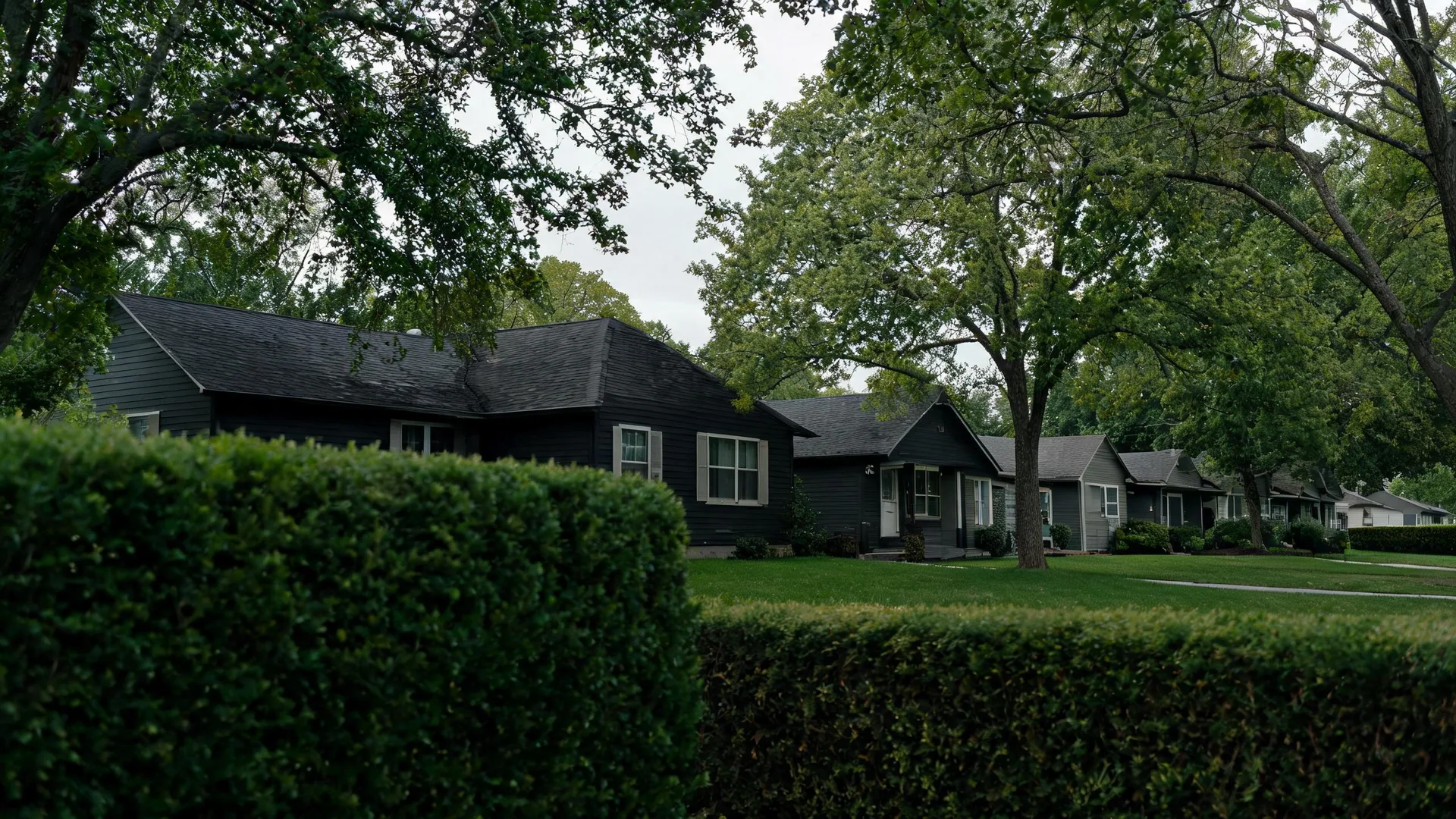



A row of dark-painted single-story houses with lawns and large deciduous trees, seen behind a tall trimmed hedge.

Furnace Repair in DeKalb, IL

Tell us about the job

Takes about a minute. No obligation.

Step 1 of 3: Equipment

Furnaces in DeKalb County run about eight months a year, October through May. That's most of the calendar spent cycling on and off, heating a house against real cold. An igniter or a blower motor that might coast for years somewhere milder is working a longer shift here every single season. Parts wear on a schedule tied to runtime, not the calendar on the wall, and eight months of runtime adds up fast. When a furnace starts acting up in DeKalb, age alone rarely explains it. It's usually wear that caught up with the part sooner than you'd expect.

8 months
October through May, your furnace is on duty
17°F
the average winter night it heats against
72%
of homes here heat with gas, so most furnaces here burn gas
17 winter storms
in ten years, the nights a failure hurts most
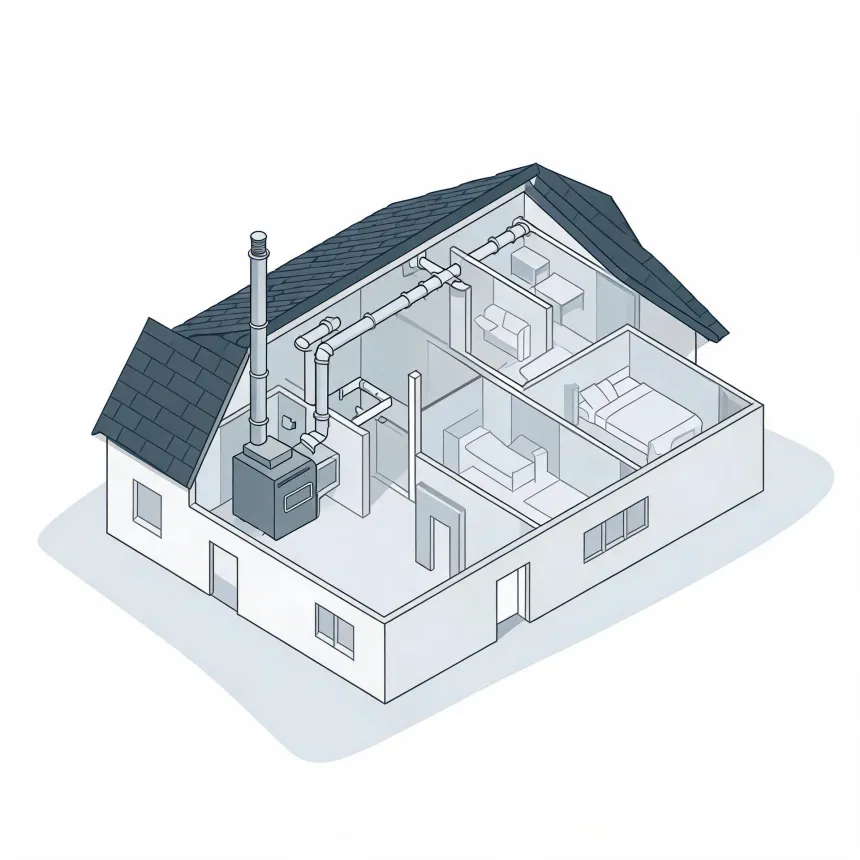
Isometric line illustration of a cutaway house showing interior rooms with furniture and a furnace with ducting and a flue pipe extending through the roof.
Your furnace works hardest from November through March.

NOAA nClimDiv, 1991–2020 normals

An igniter fails from repeated heating and cooling, not from one bad moment.

If your furnace clicks and never lights, that wear already caught up with it.

October is when a weak part finally gives out

Heat runs October through May
Winter nights average 17°F
Climate zone 5A

Before you call anyone, check the thermostat batteries if it has a screen that looks dim or blank. Check the furnace switch too, the one that looks like a light switch on or near the unit itself, since it can get bumped off without anyone noticing. Go to the breaker panel and look for one that's tripped or sitting in the middle position, not fully on. If the furnace has a standing pilot, check whether the flame is actually lit. Change the filter if you can't remember the last time you did. A clogged filter starves the system of airflow and can cause it to shut itself down as a safety measure. None of this takes tools or know-how, and it rules out the simple stuff before you pay anyone to find it for you.

Get the real cause found, not just the symptom

A furnace that's run eight months a year for years doesn't fail at random. Something wore down faster than it should have, and it's worth finding out what before you just reset it and hope. A proper diagnosis catches the part that's actually going, not just the symptom you can see.

Find a contractor
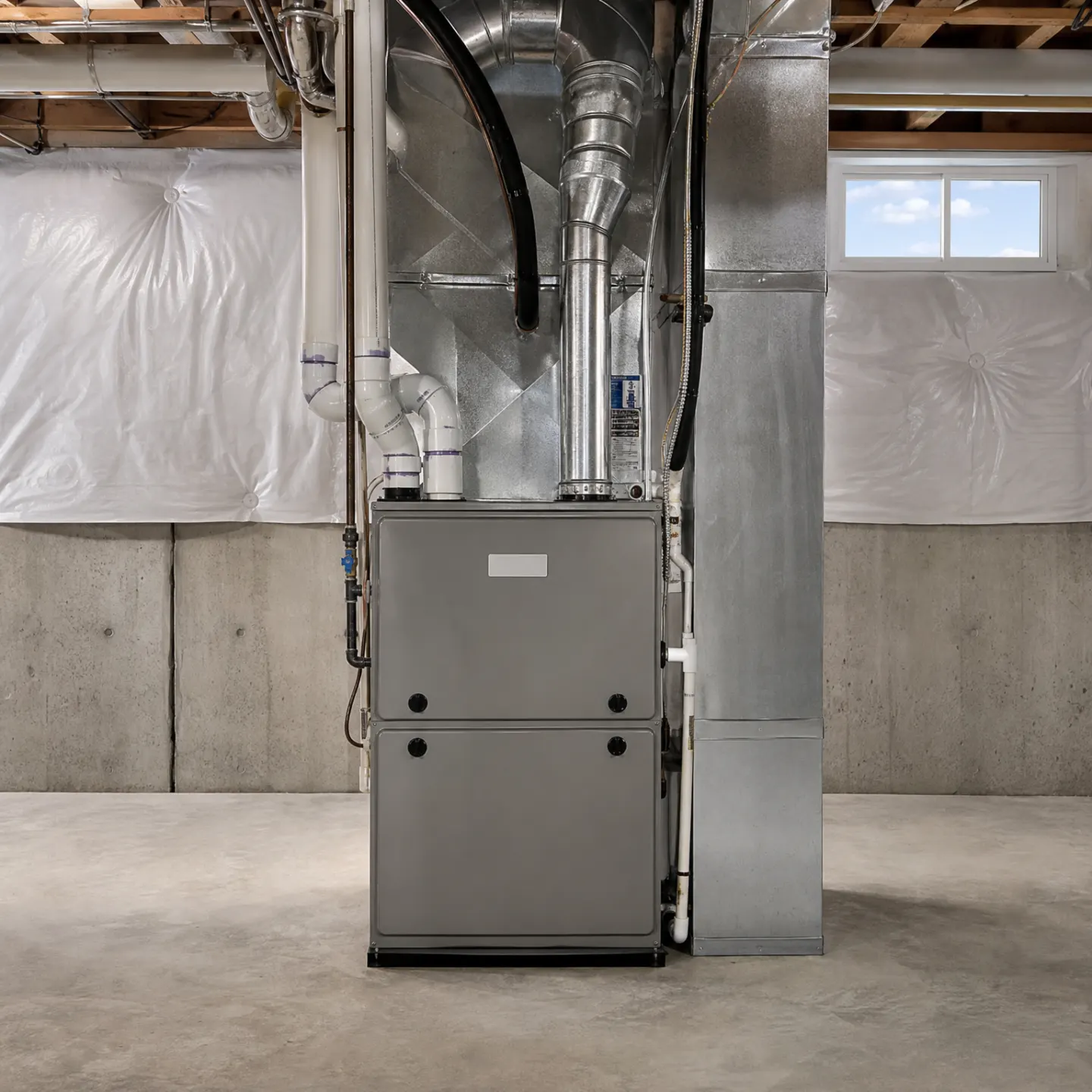
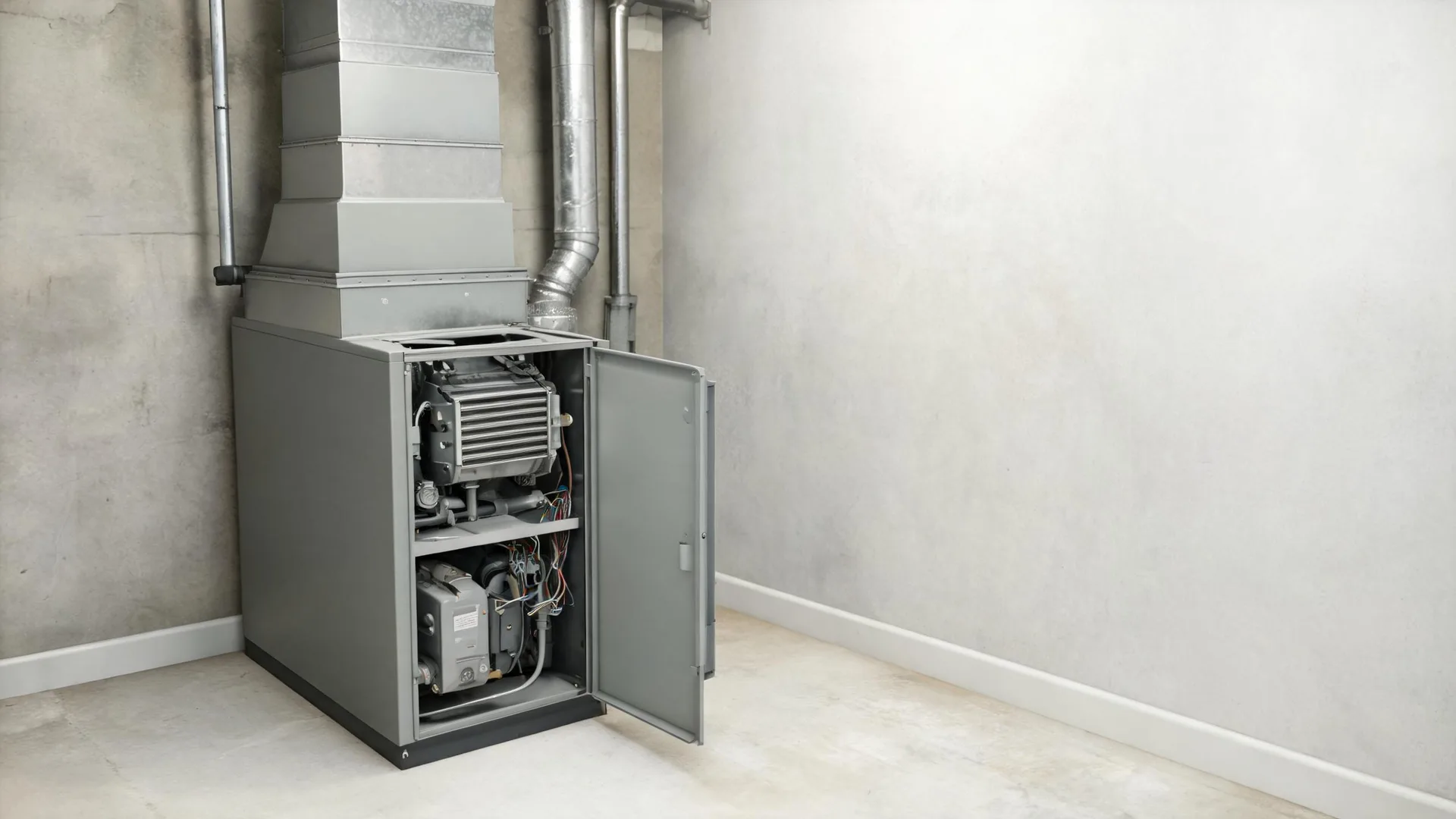
A gray residential gas furnace installed in an unfinished basement, connected to sheet-metal ductwork and PVC pipes.

Some problems wait. Others don't.

A furnace that's struggling doesn't fix itself by staying on. Heat exchangers crack under repeated expansion and contraction, and if one is already stressed, more cycles just widen it. A blower motor losing its bearings will run hotter and louder the longer it's forced to turn, until it seizes instead of just squealing. Limit switches trip for a reason, and a furnace that keeps restarting against one is pushing a part that's already failing to do its job anyway. Some problems hold steady if you shut things down and get them looked at. Run the furnace through that same fault night after night and you turn a repair into a replacement.

What you'll actually notice first

Most furnace trouble doesn't start with the furnace going dead. It starts small. The air coming out of the vents feels cooler than it used to. The burners take two or three tries to catch instead of one. The blower runs but takes longer to kick on, or it keeps running after the house has reached temperature. A smell of something warm or faintly like gas when it first fires. None of these stop you cold, so they get ignored for a while. That's exactly when they're easiest to deal with.
The sounds matter more than you'd think

A furnace that's running right is mostly quiet, just air moving and a soft whoosh when the burners light. A bang on startup means gas is building up before it ignites, which points to a dirty burner or a failing igniter. A grinding or squealing points to a blower motor losing its bearings. Rattling that comes and goes with the blower cycle often means a loose panel or a part working itself free inside. Any new sound that wasn't there before is the furnace telling you something changed, and it's worth having someone listen to it before it gets worse.

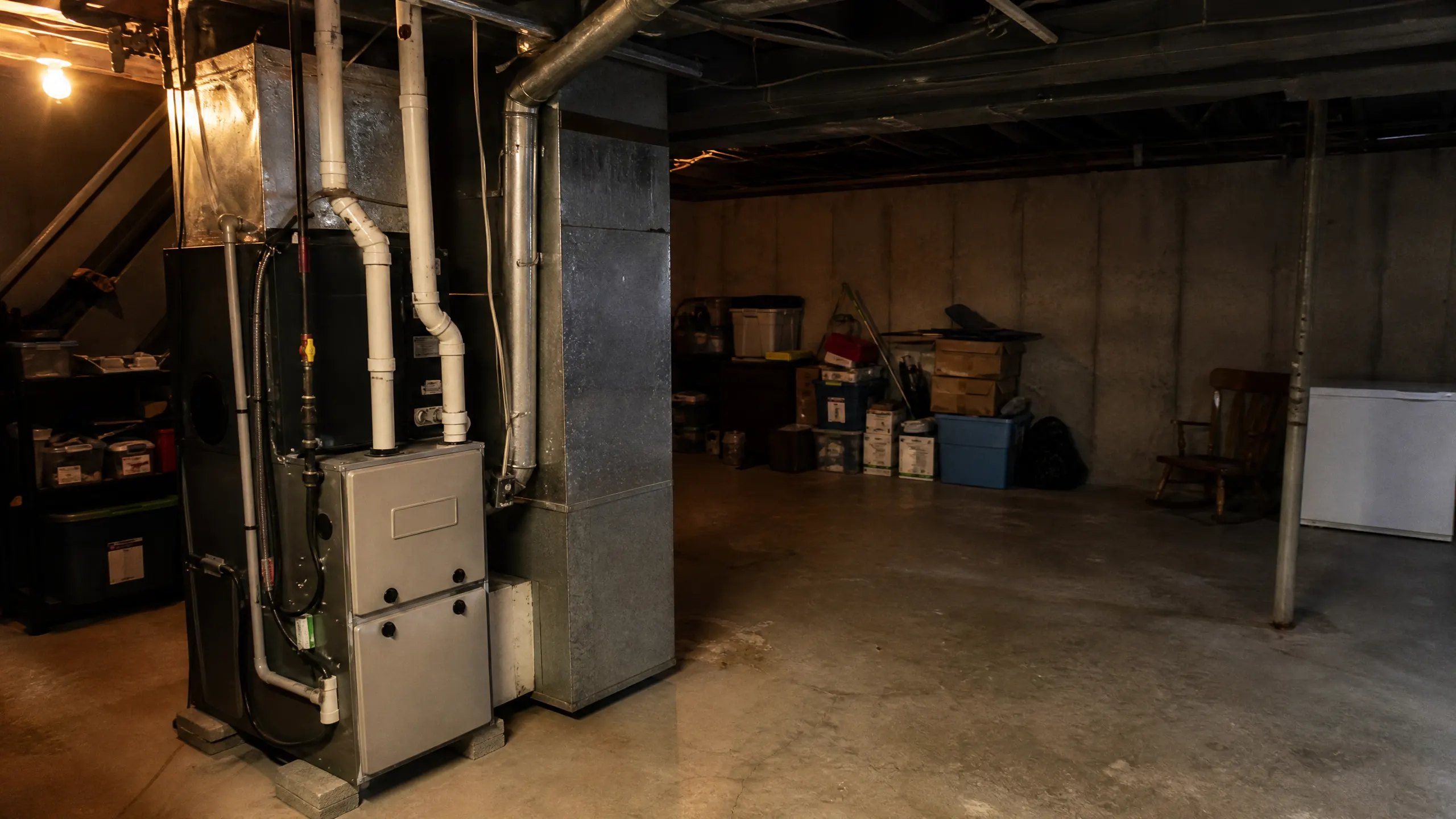
An unfinished basement containing a gas furnace with ductwork in the foreground and miscellaneous stored items along the far concrete wall.

A new furnace would cut about $150 a year off heating for a typical DeKalb County home.

  • A new high-efficiency furnace$620 a year
  • An older furnace$770 a year

Estimates for a typical DeKalb County home, compared with an older unit built to the previous federal minimum, from EIA household energy data, Illinois fuel prices and NOAA climate normals. Your home will differ.

Repair makes sense when one part has failed and the heat exchanger is sound.

Replacement makes sense when the heat exchanger is cracked or the furnace keeps needing parts.

At some point a repair stops being the obvious answer, and it's worth knowing how to tell. Age by itself isn't the test. A furnace that's been maintained and just lost one part, a draft inducer or a control board, is usually still worth fixing even if it's been running a long time. What matters more is whether this is the first real failure or the latest in a string of them. A cracked heat exchanger is different from the rest, though. That's not a wear item you patch, because the crack only grows, and it's a safety problem as much as a comfort one. If a contractor finds one, replacement isn't really optional. Short of that, the question is whether the repair gets you years back or just gets you to the next breakdown.