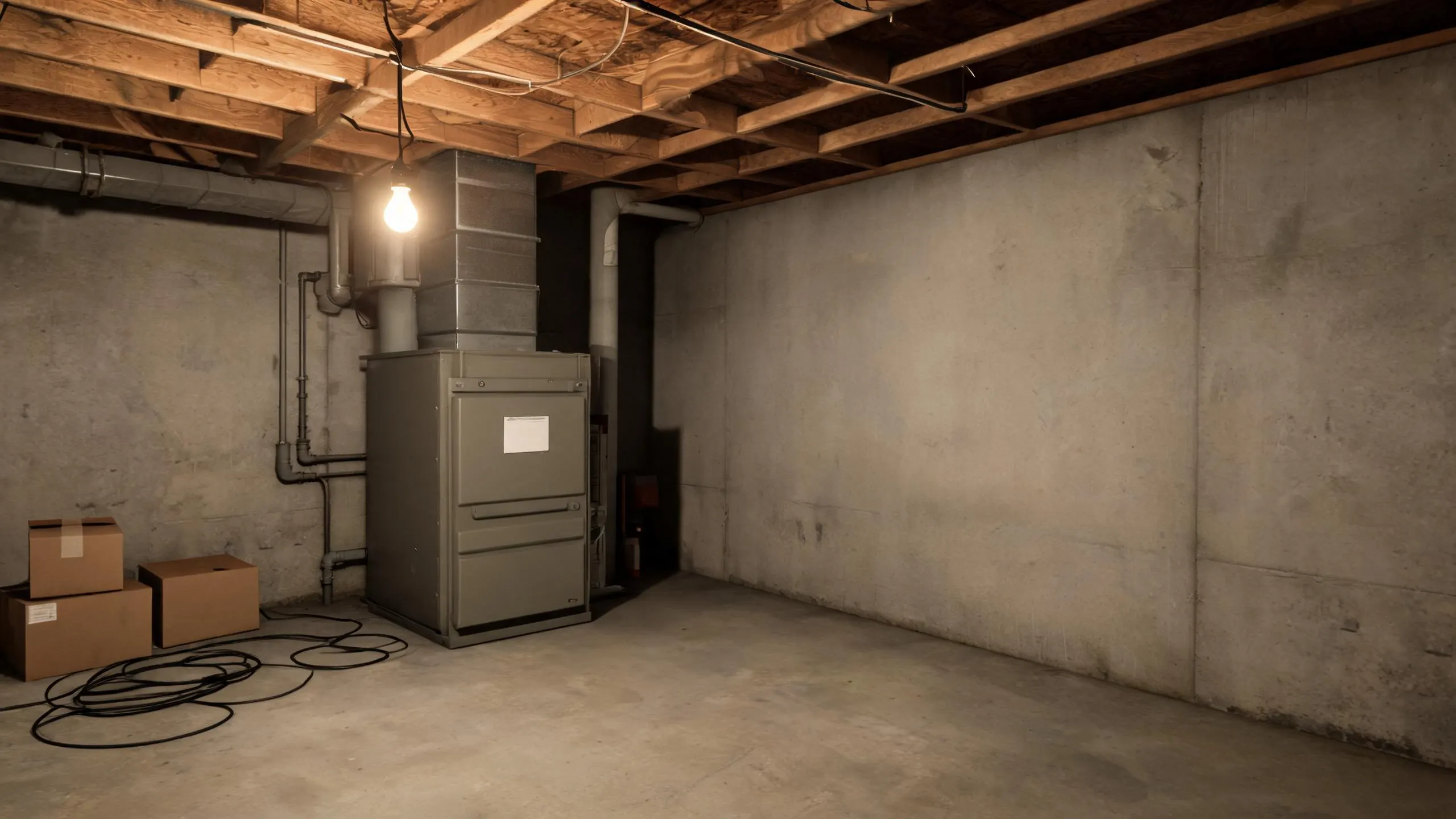




An unfinished basement containing a metal furnace with ductwork, exposed wooden joists on the ceiling, cardboard boxes, a coiled cable, and a single hanging incandescent bulb.

Furnace Repair in Rockford, IL

Tell us about the job

Takes about a minute. No obligation.

Step 1 of 3: Equipment

Furnaces in Winnebago County run about eight months a year, October through May. That's most of the calendar spent cycling on and off, heating air, pushing it through the ducts, and shutting back down. A furnace in a milder climate might run half that. More runtime means the igniter, the blower motor and the inducer motor all see more hours of work every year, and parts that see more hours wear out sooner. When something starts acting up partway through that stretch, it's often not a fluke. It's the machine telling you it's been working.

8 months
October through May, your furnace is on duty
16°F
the average winter night it heats against
84%
of homes here heat with gas, so most furnaces here burn gas
19 winter storms
in ten years, the nights a failure hurts most
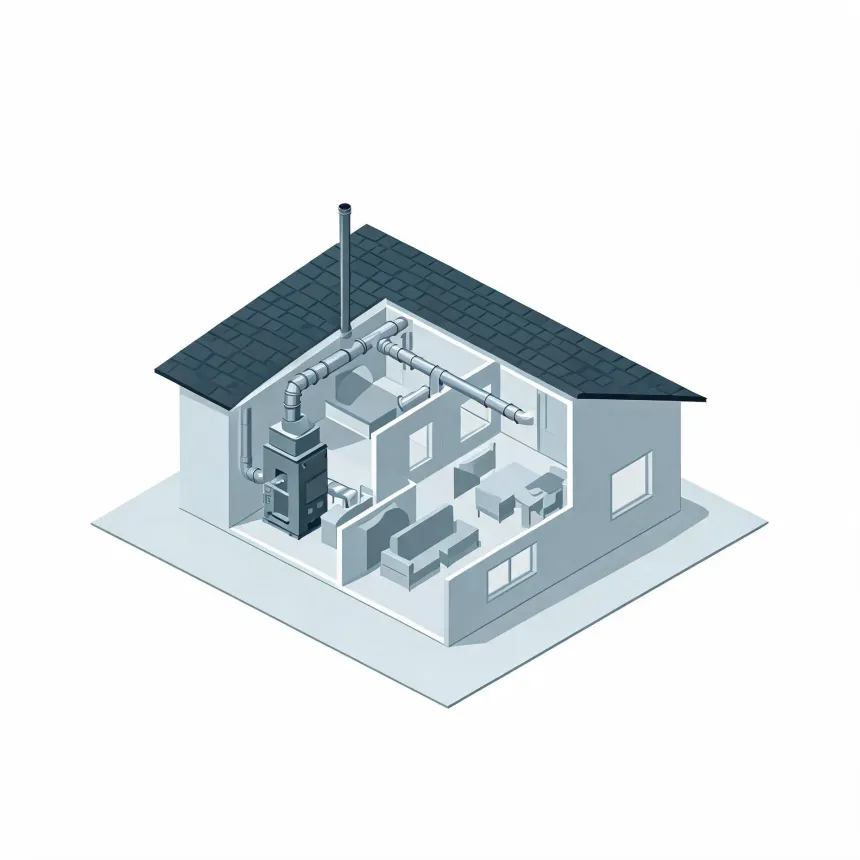
Isometric cutaway illustration of a single-story house with a dark shingled roof, showing a furnace with a flue pipe and branching ductwork running through interior rooms furnished with a sofa, table and chairs.
Your furnace works hardest from November through March.

NOAA nClimDiv, 1991–2020 normals

Your furnace starts its first real cold snap of the year in October.

A weak part that made it through last spring usually fails in these first weeks, not mid-winter.

Half these furnaces are working inside houses built in 1971 or earlier

Half the homes here were built by 1971
Climate zone 5A
Heat runs October through May

If your furnace came with a house built decades ago, repair is still worth doing, but it's worth asking a different question first. The house's age doesn't tell you the furnace's age. Someone may have replaced it ten years ago, or it may be the original unit. Before paying for a repair, find out which one you have. If a tech is already out for the call, ask directly how many years the unit likely has left, and whether this repair is worth it against that. That answer, not the house's age, is what should decide whether you fix it or start planning to replace it.

Get it diagnosed right, and it'll hold up for the months ahead

Eight months of heating puts real hours on a furnace, and that work has to show up somewhere. A repair now that gets the right diagnosis is what makes those hours add up to a furnace that lasts.

Find a contractor
A man in a cap, gray long-sleeved shirt and brown work pants walks up concrete steps toward a dark blue front door, carrying a worn canvas tool bag beside a potted shrub.
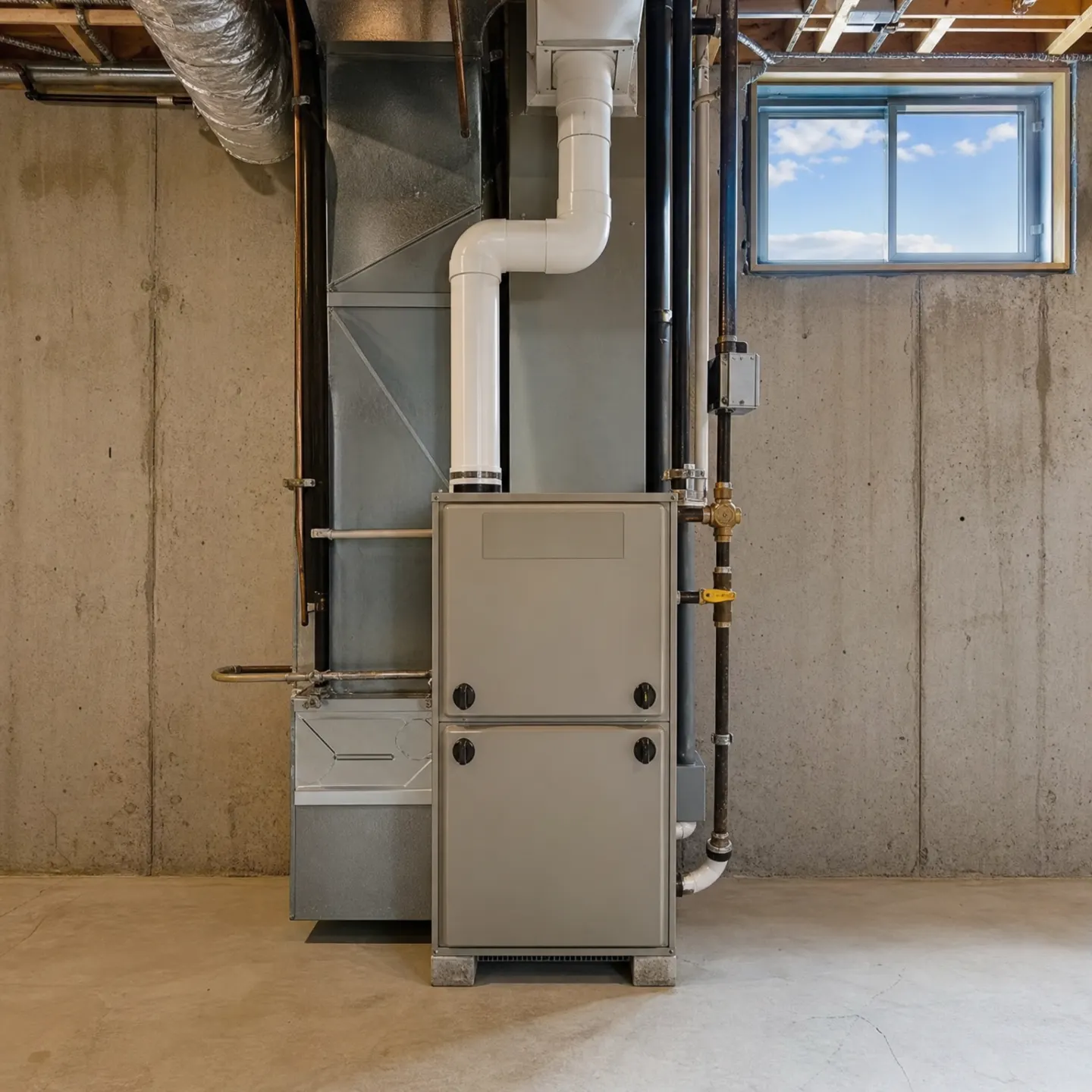
A gray gas furnace with attached ductwork and piping installed in an unfinished concrete basement.

What your furnace sounds and feels like before it quits

A furnace rarely fails all at once. It gives notice first. Short cycling is one of the clearest signs: the burner fires, runs for a minute or two, then shuts off before the house warms up. That usually points to a flame sensor that isn't reading the flame right, or a filter so clogged the system overheats and trips its limit switch. A burner that won't light on the first try, or lights and then goes out, often means the igniter is weakening. Igniters don't fail gradually in a way you can see, they just stop getting hot enough one day. A blower that runs constantly, or one that comes on loud and rattling when it used to be quiet, is worth a look too. So is air coming out lukewarm instead of hot, which can mean a dirty burner, a failing component, or ductwork that needs attention. Any burning smell beyond the first few minutes of a cold start, any scorch marks near the burner compartment, or a yellow flickering flame instead of a steady blue one, means shut the system off and get someone out. Those aren't wear signs. Those are safety signs.

Check the simple things first

Make sure the thermostat is set to heat and the temperature is actually above room temperature. Check that the furnace switch, the one that looks like a light switch near the unit, hasn't been bumped off. Look at the breaker panel for a tripped breaker. Pull the filter and hold it up to a light. If you can't see through it, replace it. A clogged filter starves the system of airflow and can shut it down on its own.

Know what not to touch

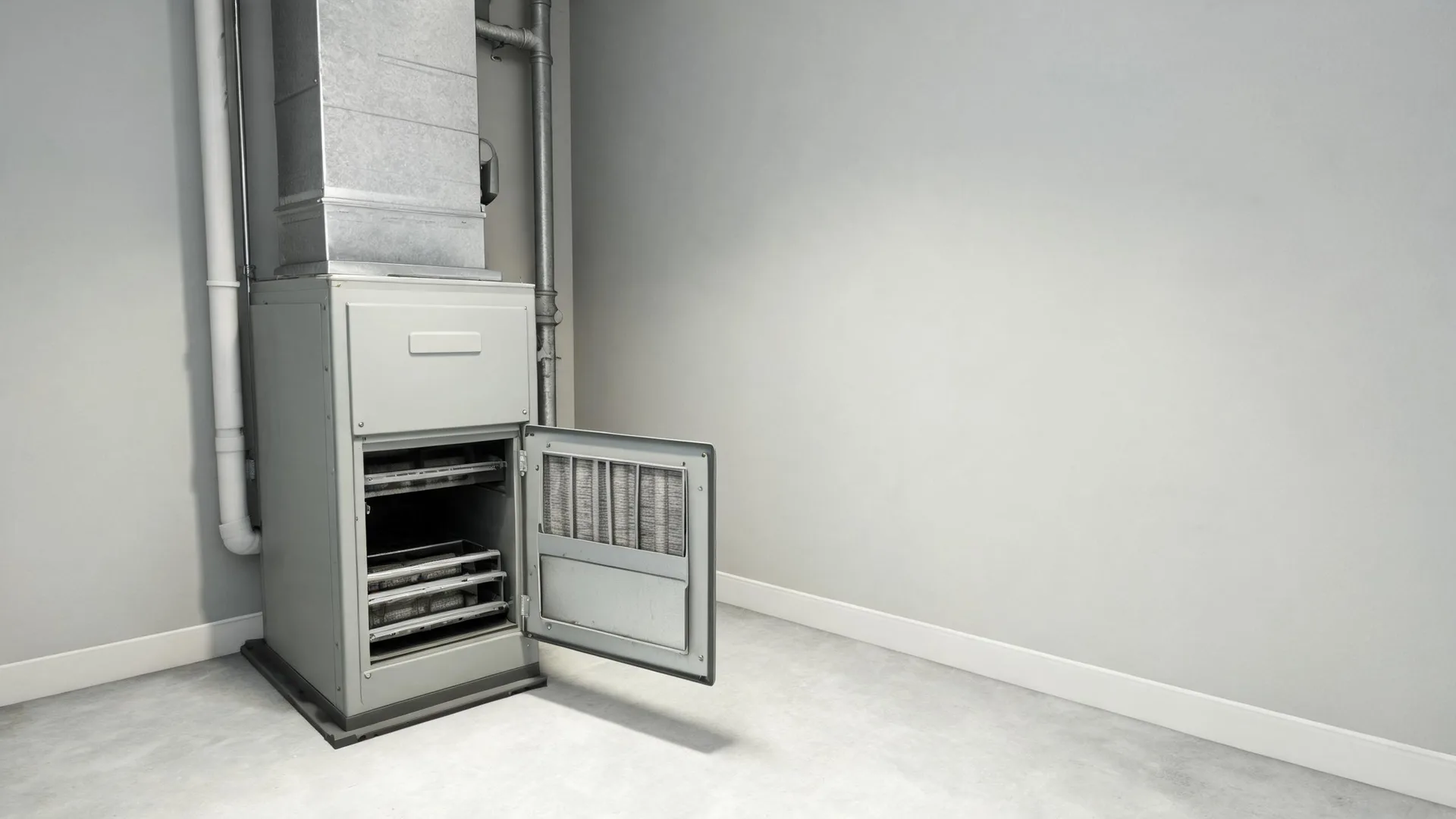
Don't open the burner compartment or reach near the heat exchanger. Don't try to relight a pilot on a system you don't recognize the pilot light on, some furnaces use an igniter instead and have no pilot at all. If you smell gas, don't flip any switches or light anything. Leave the house and call the gas utility from outside. Anything past checking the thermostat, the switch, the breaker and the filter is a job for someone who works on these for a living.

An unfinished basement featuring a forced-air furnace, exposed wooden ceiling joists, bare concrete walls, and miscellaneous items including cardboard boxes and coiled cables on the floor.

A new furnace would cut about $150 a year off heating for a typical Winnebago County home.

  • A new high-efficiency furnace$630 a year
  • An older furnace$780 a year

Estimates for a typical Winnebago County home, compared with an older unit built to the previous federal minimum, from EIA household energy data, Illinois fuel prices and NOAA climate normals. Your home will differ.

Repair makes sense when one part has failed and the heat exchanger is sound.

Replacement makes sense when the heat exchanger is cracked or the furnace keeps needing parts.

A furnace doesn't have to be new to be worth fixing, and it doesn't have to be old to be done. What matters more is what's actually failing. A cracked heat exchanger means replace it, no question, because that's the part separating the flame from the air in your house. A bad igniter, a failed flame sensor, a blower motor that's seized up, those get fixed on their own all the time and the furnace runs fine for years after. The pattern matters too. A repair every few years is normal wear. Repeated repairs on the same unit, close together, usually mean something's declining rather than malfunctioning, and the next failure is already waiting behind this one. Ask whoever's out there for the repair what actually broke and why. That answer tells you more than a guess about the unit's age ever will.