Electricity here runs 18.06 cents a kilowatt-hour
That is higher than what most US counties pay. A heat pump runs on electricity for both heating and cooling, so that rate applies to the system year round, not just in summer.
Takes about a minute. No obligation.
That is higher than what most US counties pay. A heat pump runs on electricity for both heating and cooling, so that rate applies to the system year round, not just in summer.
When the rate per kilowatt-hour is already high, a unit that uses less power to move the same heat keeps that cost down on every bill. The difference between a well-matched system and an undersized or oversized one shows up every month, not just on the install invoice.
NOAA nClimDiv, 1991–2020 normals
Gas heats 71.6% of homes in DeKalb County, more than any other fuel.
Most homeowners here are adding a heat pump next to that furnace, not ripping it out, and the new system can take over the mild months while the furnace handles the coldest stretch of winter.



DeKalb County falls in climate zone 5A under the 2021 energy code, a cool zone where heating counts for more than cooling. Any split-system heat pump installed here has to meet the federal minimum for that climate: at least 14.3 Btu of heat moved per watt-hour of electricity over summer, and at least 7.5 Btu per watt-hour over winter, for units built from 2023 on. That floor rules out the low end of the market. A contractor sizing a system for this county is already working above that line, not deciding whether to meet it. Buyers here also have a federal tax credit available toward a qualifying heat pump, worth checking against the system a contractor proposes.
Sizing matters more here because the rate per kilowatt-hour doesn't let up, winter or summer. When a contractor proposes a system, ask how they landed on that size for this house, and check the efficiency numbers against the federal minimum before you sign off.
Find a contractorA heat pump runs every day of the year, not just in the hardest months. That means the parts wear on a different clock than a furnace or an air conditioner that sits idle half the year. The compressor cycles on and off through all four seasons, so ask how long the compressor is warrantied and whether that warranty covers labor or only the part. Ask about the defrost cycle too. In cold weather the outdoor coil frosts up and the system has to reverse itself to clear the ice, and a unit that defrosts too often or not efficiently enough will struggle on the coldest days. Ask what backup heat kicks in when the outdoor temperature drops below what the heat pump can handle on its own, and how the system decides to switch over. A unit running nearly year round also means the outdoor coil sees more dirt, more leaves, more ice. Ask how easy that coil is to access and clean, because a coil that's hard to get to tends to get skipped.
A furnace or air conditioner being replaced gets disconnected and hauled off by whoever does the install. The refrigerant in an old air conditioner or heat pump has to be recovered by a licensed technician before the unit is cut loose, not vented or dumped. That's a legal requirement, not a courtesy. Ask the contractor what happens to the old unit and who handles the refrigerant recovery before the work starts.
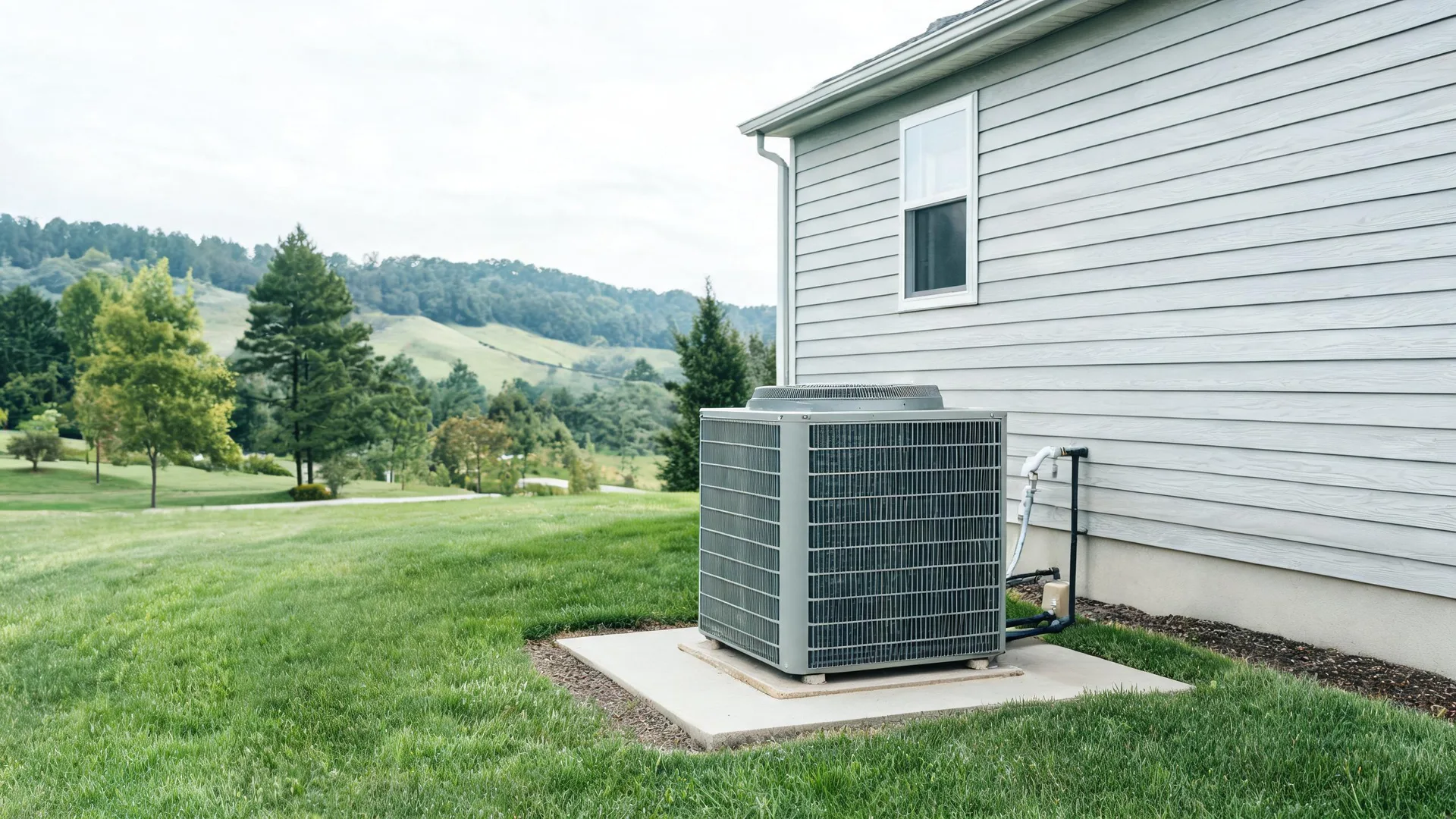
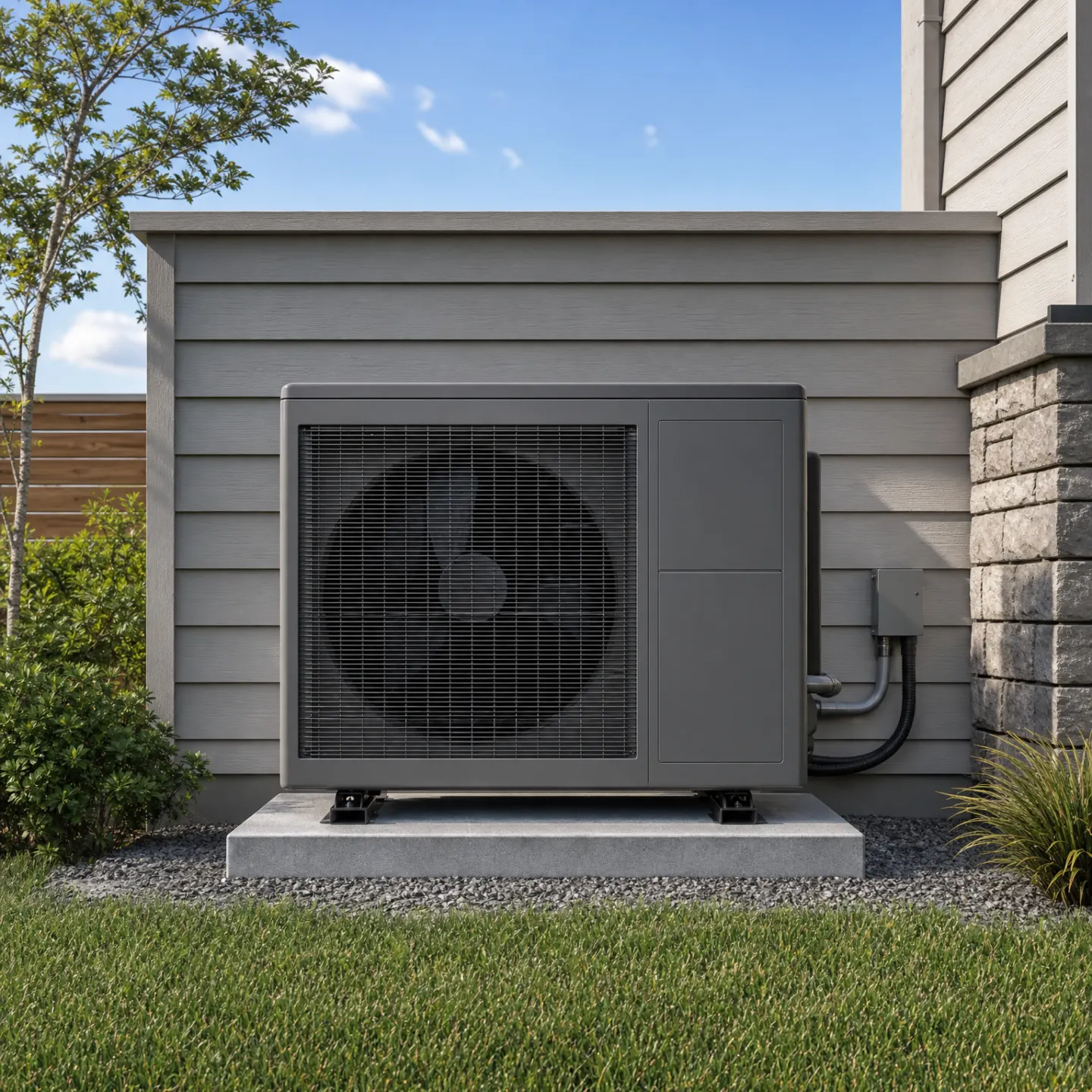
A heat pump needs its own outdoor pad or mounting bracket, refrigerant lines run to the indoor coil, and a dedicated electrical circuit sized for the compressor. If the home already had central air, some of that groundwork exists and the install goes faster. If the old system was just a furnace with no air conditioner, the contractor has to run new line set and wiring from scratch, which is worth asking about when comparing quotes.
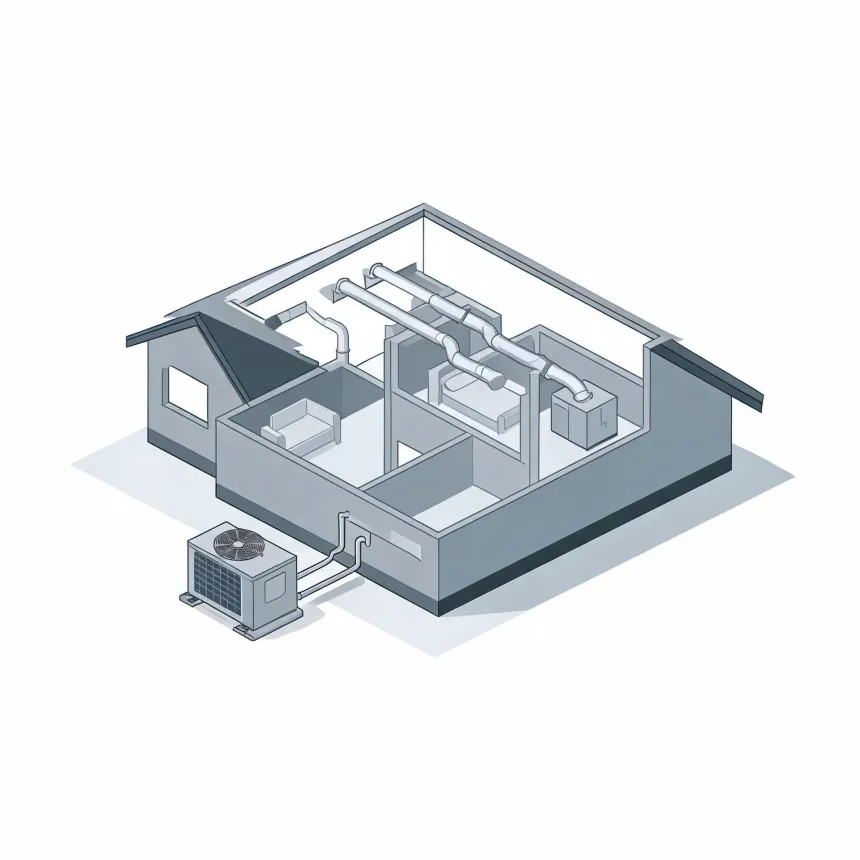
What a heat pump installation runs into has less to do with the unit itself and more to do with what's already in place. A system that can reuse an existing line set, an existing pad and an existing electrical circuit goes in faster than one that needs all of that built new. Indoor coil matters too. Some installs can keep the existing ductwork and just swap the equipment; others need the coil resized or the ducts modified to handle the airflow a heat pump moves differently than a furnace. Where the outdoor unit sits matters as well, since it needs clearance on all sides and a path for condensate to drain away from the foundation. None of that shows up on the nameplate. It shows up in how long the crew is on site and how much gets rebuilt versus reused.
Install day starts with the old system coming out, not the new one going in. The crew disconnects the existing equipment, recovers any refrigerant, and clears the space before anything new gets set. Once that's done, the outdoor unit goes on its pad, the line set gets run to the indoor coil, and the electrical circuit gets tied in and tested. The indoor coil usually goes in next, matched to the air handler or furnace it's pairing with. After everything is connected, the system gets charged with refrigerant, and the contractor checks airflow and static pressure to make sure the ducts can handle what the heat pump is moving. The last step is running the system through both a heating and cooling cycle to confirm the controls and the defrost cycle are working the way they should before the crew leaves.