


A nighttime street view of several illuminated two-story red brick homes with front porches, flanked by a large tree.

Furnace Installation in DeKalb, IL

Tell us about the job

Takes about a minute. No obligation.

Step 1 of 3: Equipment

Gas heats most of DeKalb County, 71.6% of homes by the latest count. Electricity comes in well behind at 21.7%, with LP gas filling in for another 5.5%. If your old furnace ran on gas, a new one probably should too. The vent, the gas line and the setup your house already has were built around that fuel, and matching it keeps the installation straightforward instead of turning into a bigger rework.

8 months
October through May, your furnace is on duty
17°F
the average winter night it heats against
72%
of homes here heat with gas, so most furnaces here burn gas
80% AFUE
the federal minimum any new unit must meet
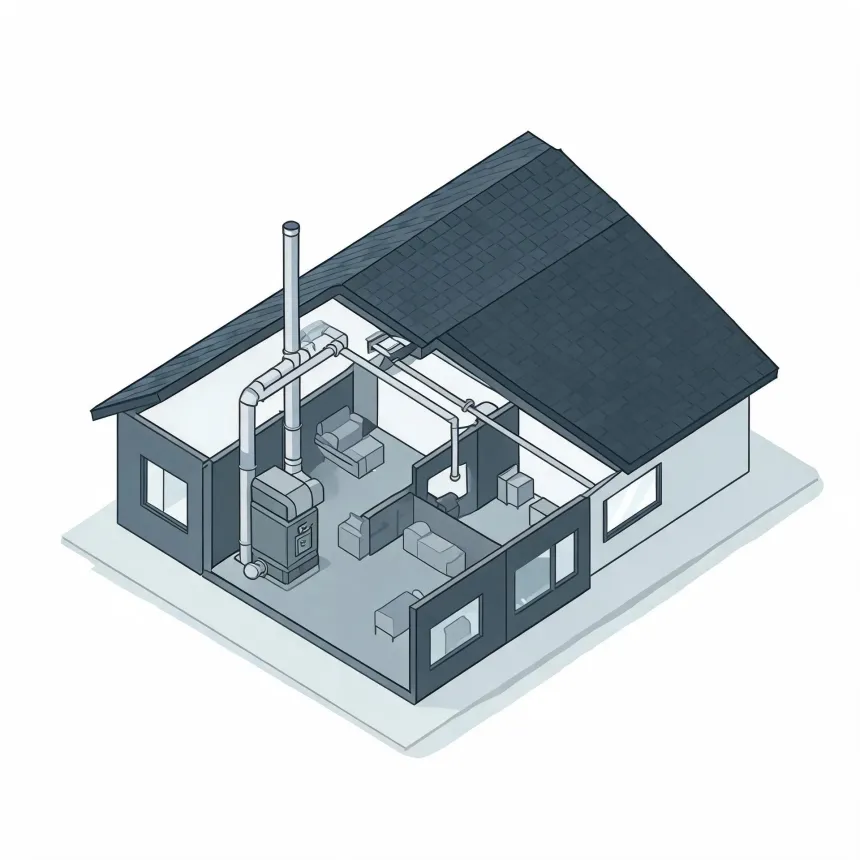
Isometric cutaway illustration of a single-story house showing interior rooms with furniture, a furnace unit connected to ducting and vertical flue pipes running through the roof.
Your furnace works hardest from November through March.

NOAA nClimDiv, 1991–2020 normals

Furnaces in DeKalb County start running in October.

Replace it in September and the job happens on your schedule, not during the first cold week.

DeKalb sees its share of storms, but that doesn't change what furnace you need

166 severe weather events from 2015 to 2024
16% of homes statewide lost power a day or more in 2024
105 damaging wind events from 2015 to 2024

Half the homes in DeKalb County were built in 1978 or earlier, and half in 1978 or later. That split doesn't call for a different furnace. A standard-size unit sized to your square footage and a normal efficiency rating handles both the older place and the newer one. What matters more is the house you're actually in, not the year it went up. If your old furnace kept you warm without running constantly, a similar size replacement will do the same.

Replace it before the season

Replace it before the season starts, so it happens on your schedule, not in a hurry.

Find a contractor
A man in a cap, gray work shirt and dark pants, seen from behind, carries a worn canvas tool bag up porch steps toward a dark navy front door beside a potted shrub.
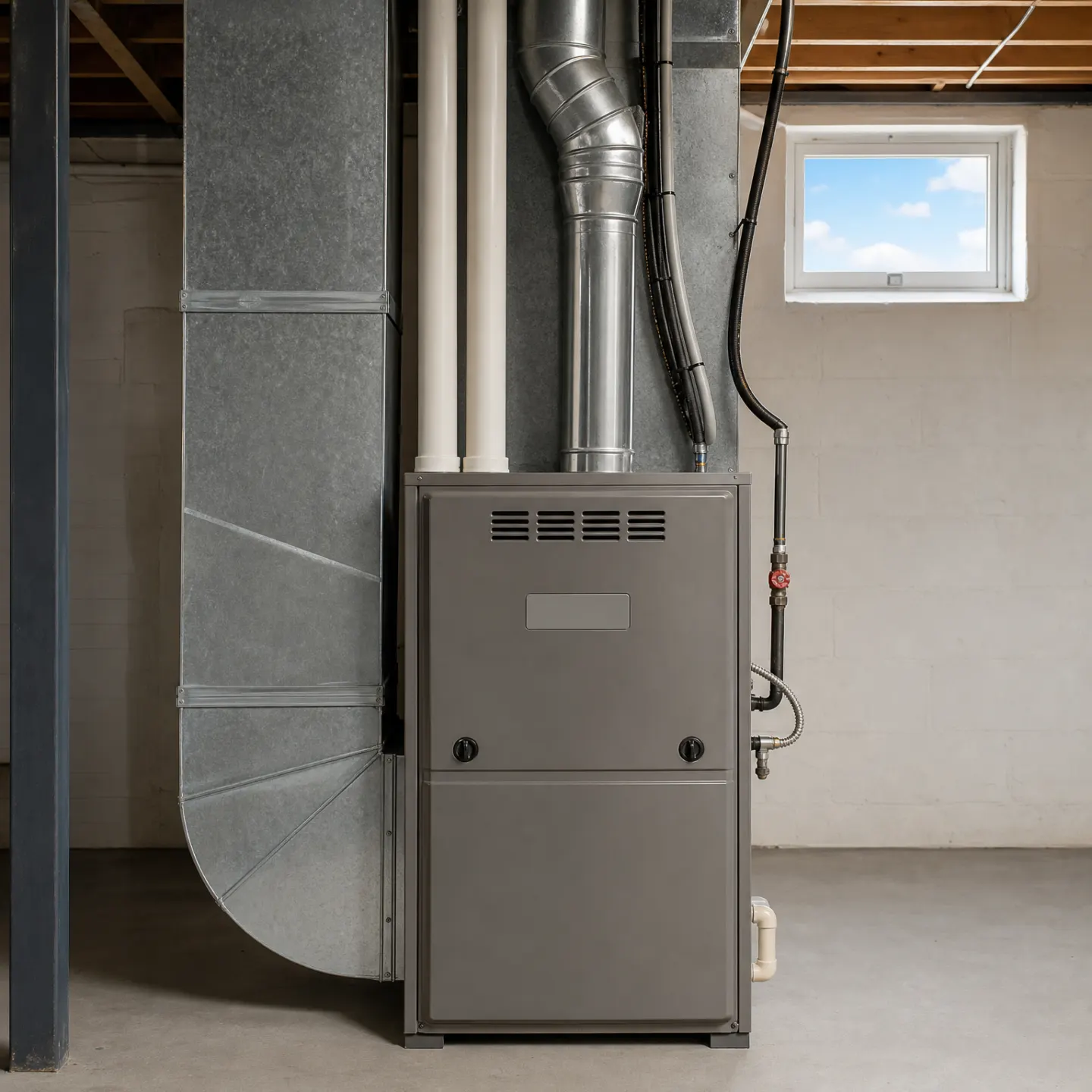
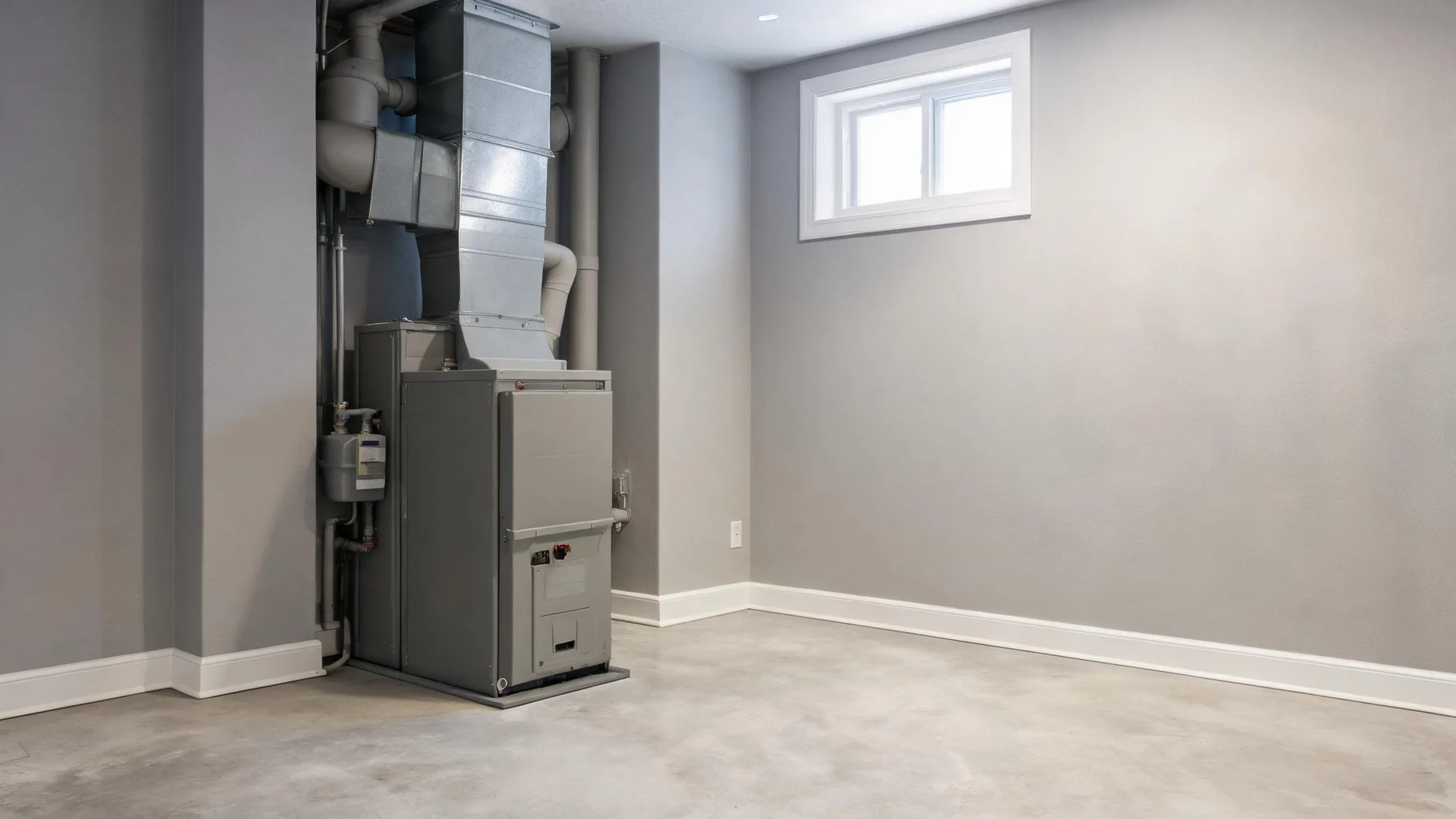
A gray residential gas furnace installed in an unfinished basement, surrounded by ductwork, a metal flue pipe, and a gas supply line.

Eight months of heat, and cold nights to match

Furnaces here run October through May, about eight months of the year. Overnight lows average 17°F across December, January and February, so the system is pushing hard most nights it runs, not just on the coldest week. That's a long season and a low target. A furnace sized right for your house will handle it without strain. One sized wrong, too small or oversized, shows the difference sooner here than it would somewhere milder.

The size has to match the house

A furnace sized for your square footage and your layout costs less to install than one sized by guesswork. Getting that size right takes a load calculation, room by room, not just a number pulled from the old unit's nameplate. Skip that step and you either pay for more furnace than the house needs or end up with one that runs constantly and still can't keep up.

The vent and the ductwork decide how hard the job is

A furnace that vents the same way the old one did, through the same chimney or the same wall, goes in without touching anything else. Switch the venting type and the installer has to run new pipe and sometimes open up a wall to do it. Ductwork works the same way. If the trunk lines and the registers already move air well, the new furnace connects to what's there. If they're undersized or leaky, that gets fixed at the same time, and that's its own job on top of the furnace itself.

A gas furnace and sheet-metal air handler unit installed in an unfinished concrete basement.

A high-efficiency gas furnace would save about $130 a year to run in DeKalb County compared with a gas furnace.

  • A high-efficiency gas furnace$620 a year
  • A gas furnace$750 a year

Estimates for a typical DeKalb County home, from EIA household energy data, Illinois fuel prices and NOAA climate normals. Your home will differ.

The installer starts by checking the work already done, the load calculation, the venting plan, whether the ductwork needs anything before the new unit goes in. Then the old furnace comes out. The gas line gets shut off and disconnected, the vent connection comes apart, and if it's a forced air system the old unit gets disconnected from the plenum. The new furnace gets set in place and leveled, because a furnace that sits crooked can affect how the burner and heat exchanger perform over time. Gas line, vent and ductwork get connected one at a time, and each connection gets checked before the next one starts. Once it's hooked up, the installer fires it, checks the gas pressure, checks the temperature rise across the heat exchanger, and watches it run through a full cycle before calling the job done. That test run matters more than anything that came before it, because it's the only point where you find out if everything was done right.