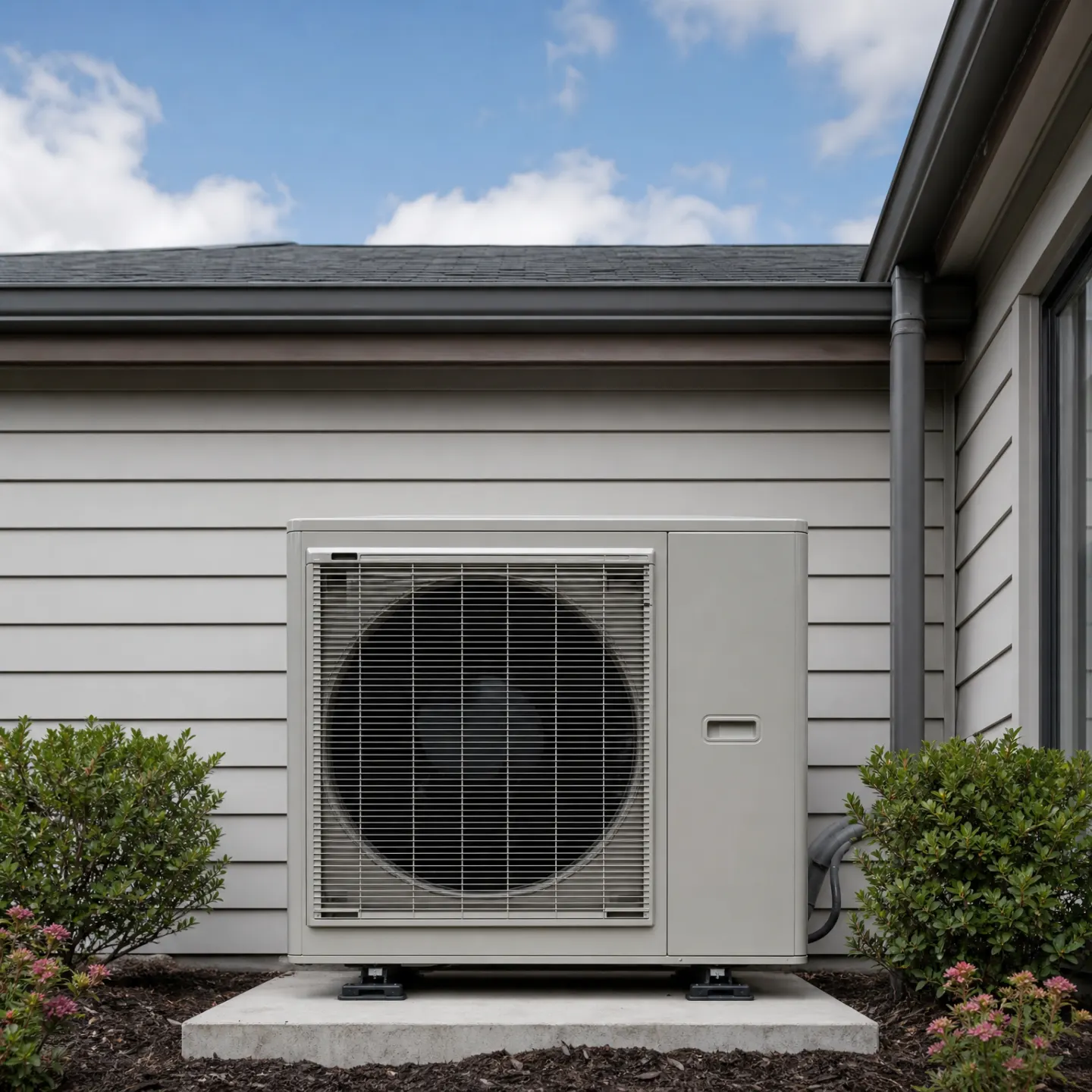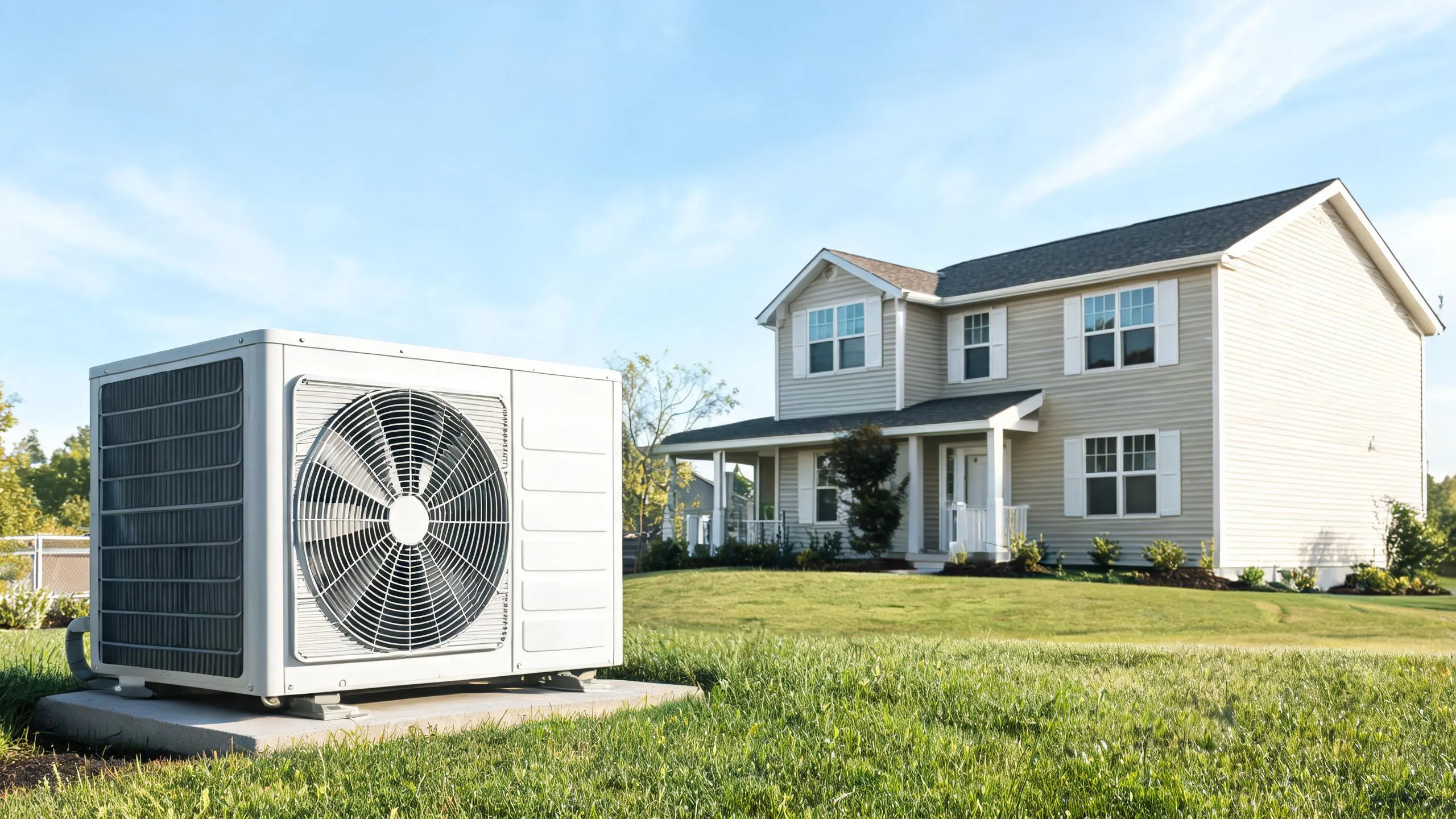
An outdoor heat pump unit mounted on a concrete pad in front of a two-story suburban house.

Heat Pump Repair in Oswego, IL

Tell us about the job

Takes about a minute. No obligation.

Step 1 of 3: Equipment

October is when problems surface

Your heat pump switches over to heating mode in October after months of sitting idle on the cooling side. A weak part that made it through summer often fails the first time the system has to produce real heat. If something's acting up right now, this is exactly when it tends to happen.

It has to work through May

Heat pumps here run from October through May, about eight months of the year. That's a long stretch for a system to carry a problem that doesn't get fixed. Getting the real cause found now means it isn't still acting up months from now.

8 months
October through May, your system heats
3 months
June through August, it cools
19°F
the average winter night it heats against
83°F
the average summer afternoon it cools against
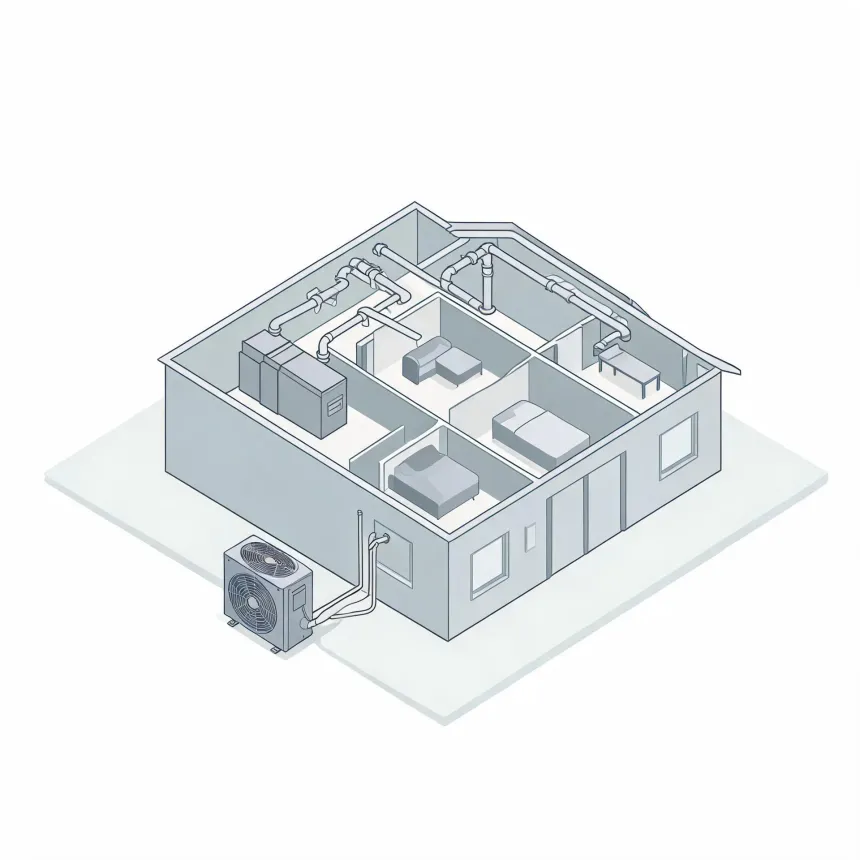
Isometric line illustration of a cutaway single-story house showing interior rooms with beds and furniture, ceiling ductwork connected to an indoor air handler, and an outdoor condenser unit linked by refrigerant lines.
Your system heats October through May and cools June through August.

NOAA nClimDiv, 1991–2020 normals

Kendall County winters sit in the teens at night, nothing extreme for a heat pump built for zone 5A.

So when a heat pump here struggles, it's usually a worn part, not the cold asking too much of it.

Electricity here runs 15.87 cents a kWh, so a heat pump working harder than it should shows up on the bill fast

Power costs 15.87 cents a kWh statewide
70 damaging wind events from 2015 to 2024
34 hail events from 2015 to 2024

A heat pump that's low on charge or losing efficiency doesn't trip a breaker or shut itself off. It just runs longer to make the same heat, and keeps doing that every day until someone looks at it. At 15.87 cents a kWh, that difference shows up on the bill before it shows up as a breakdown. If this month's bill looks off against last year's, or the system seems to run more than it used to, that's worth having checked now rather than waiting for it to fail outright. The part that's struggling now is usually cheaper to fix today than after months of running that way.

Half the homes here were built in 2001 or later

Half the homes in Kendall County were built in 2001 or later. If your heat pump came with a newer house, there's a good chance it's not old enough to be the problem. A system still within its working life is usually worth fixing rather than replacing.

Find a contractor
A gray heat pump condenser unit mounted on a concrete pad against the gray lap-siding exterior wall of a house.

Check the age before you assume it's done

If your heat pump came with the house and the house is newer, check the install date before assuming the worst. A unit from 2001 or later still has years of normal working life ahead of it in most cases. That makes a repair call worth placing before a replacement one. Worn parts get replaced on a system like that, not the whole unit.

What you'll notice first

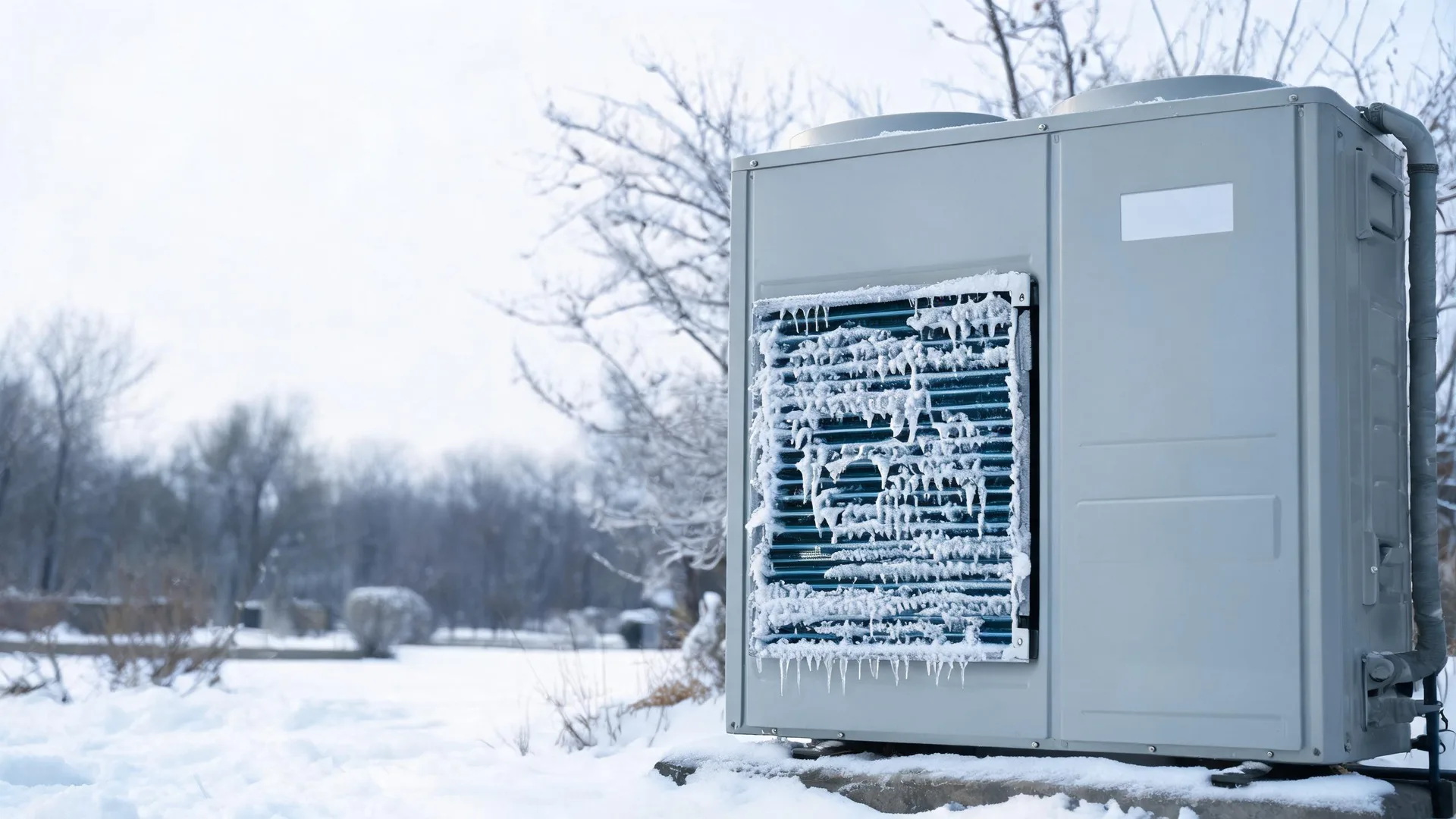
The heat pump runs but the air coming out doesn't feel warm, or it runs long stretches without ever shutting off. A room that used to heat fine starts lagging behind the rest of the house. The outdoor unit short cycles, turning on and off in quick bursts instead of running a steady stretch. Frost builds up on the outdoor coil and stays there instead of clearing during defrost.

What's usually behind it

A stuck reversing valve keeps the system from switching properly into heat, so it blows cool air even though it's running. A failing defrost control board means the coil never gets the signal to clear, so ice builds up and stays. Low refrigerant charge makes the compressor run longer to produce the same heat, which shows up as short cycling or weak airflow inside the house. None of these fix themselves, and each one gets harder on the system the longer it runs.

A few things are worth a look before anyone comes out. Check the thermostat is set to heat, not fan only, and the temperature is actually set above room temperature. Go to the outdoor unit and look at it. If the coil is caked in ice or snow is packed around the base, that's worth noting, but don't chip at the ice yourself. Look at the air filter. A filter clogged with dust makes the system work harder and can bring on a lot of the same symptoms as a real mechanical problem. Walk through the house and check that supply vents are open and not blocked by furniture or rugs. If the system has a reset switch or breaker, note whether it's tripped, but only flip it back once, and if it trips again, that's a sign to stop and call rather than keep resetting it.

The part that failed matters more than the fact that something failed. A capacitor or a contactor is a small, cheap part that wears out on its own schedule and says nothing about the rest of the system. A compressor is the heart of the unit, and when that goes, it's usually not worth replacing on its own. So the question isn't whether a heat pump has needed a repair before. It's whether this repair is a minor part doing what minor parts eventually do, or a major component going down on a system that's otherwise aged out. A unit that's gotten a few small fixes over the years has been kept running, not pushed toward the end. One that keeps failing the same way, or where the repair on the table is the compressor or the coil, is telling you something different.