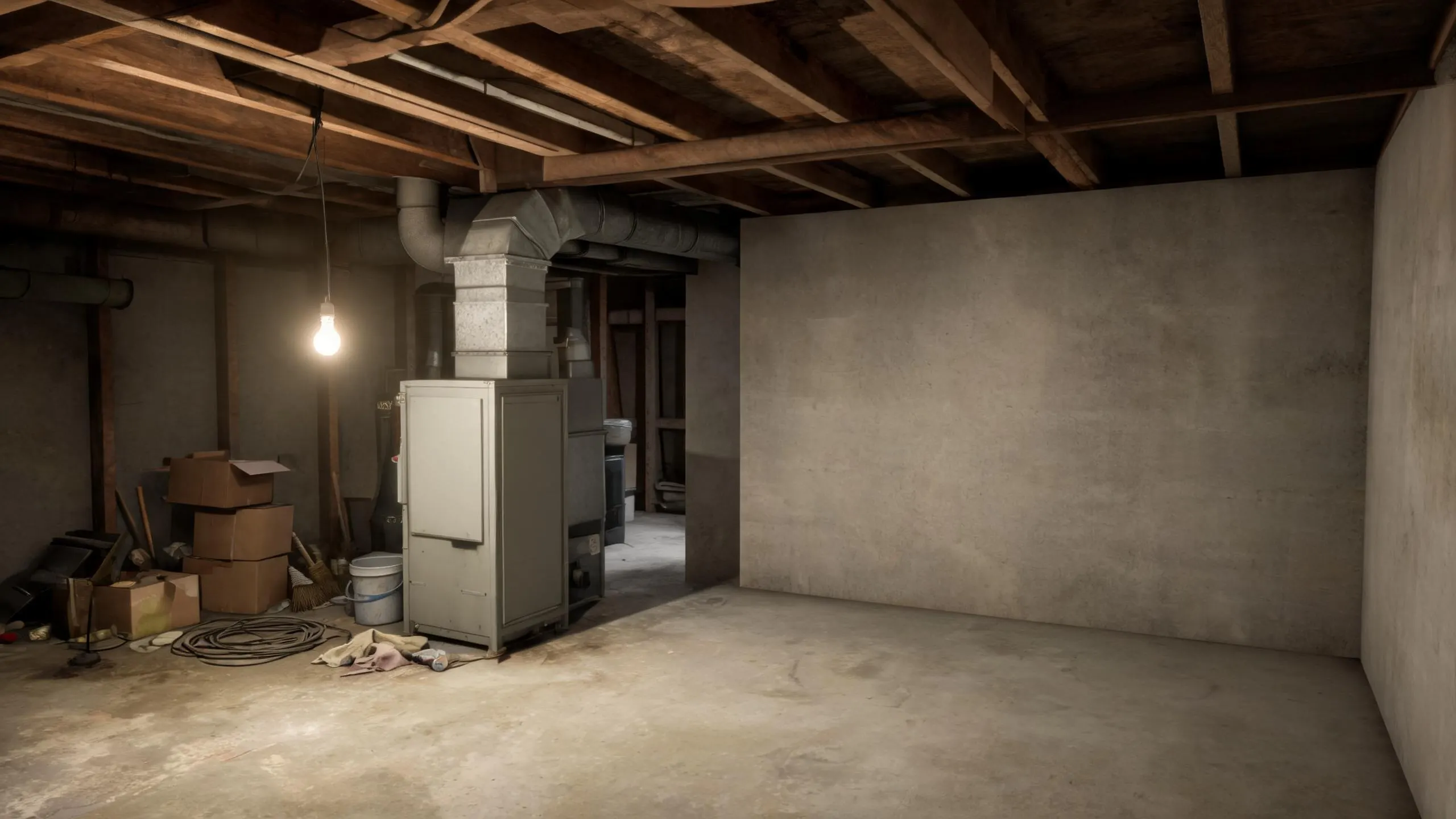





An unfinished basement featuring exposed ceiling joists, a metal HVAC unit with round ductwork, a hanging light bulb, and scattered boxes and debris along the left wall.

Furnace Maintenance in Oswego, IL

Tell us about the job

Takes about a minute. No obligation.

Step 1 of 3: Equipment

Your furnace runs about eight months a year here, October through May. That is most of the year spent cycling on and off, heating a house through the cold months and the in between ones too. The igniter, the blower motor, the flame sensor, all of it gets more hours of work than the same parts would in a place with a shorter winter. More hours means more wear, and worn parts tend to fail early in a long season rather than late. A furnace that has not been looked at tends to show its problems right when you need it most.

Almost every home in Kendall County heats with gas.

A tune-up here has to cover the burner, the venting and the safety controls, not just a new filter.

A newer furnace still needs a yearly check to stay that way

Half the homes here were built by 2001
Heat runs October through May
Winter nights average 19°F
October starts the eight month runHeat goes on in October here. Have it checked in September.

Half the homes in Kendall County were built in 2001 or later, so a lot of furnaces here still have a lot of working life left in them. That's worth protecting. A yearly check catches the small things, a cracked flame sensor, a clogged vent, before they turn into the reason the furnace quits early. It's cheaper to keep a good furnace running right than to replace one that got neglected. If your furnace came with the house or went in sometime after, a yearly look keeps it on track for the years it has left.

Get it checked before the eight months start

A furnace that runs eight months a year doesn't get much downtime to show you it's struggling. A quick check before October finds the worn part while it's still cheap to fix.

Find a contractor
A man in a cap, dark shirt and tan work pants carries a worn canvas tool bag up porch steps toward a dark blue front door, with a potted shrub beside the entry.
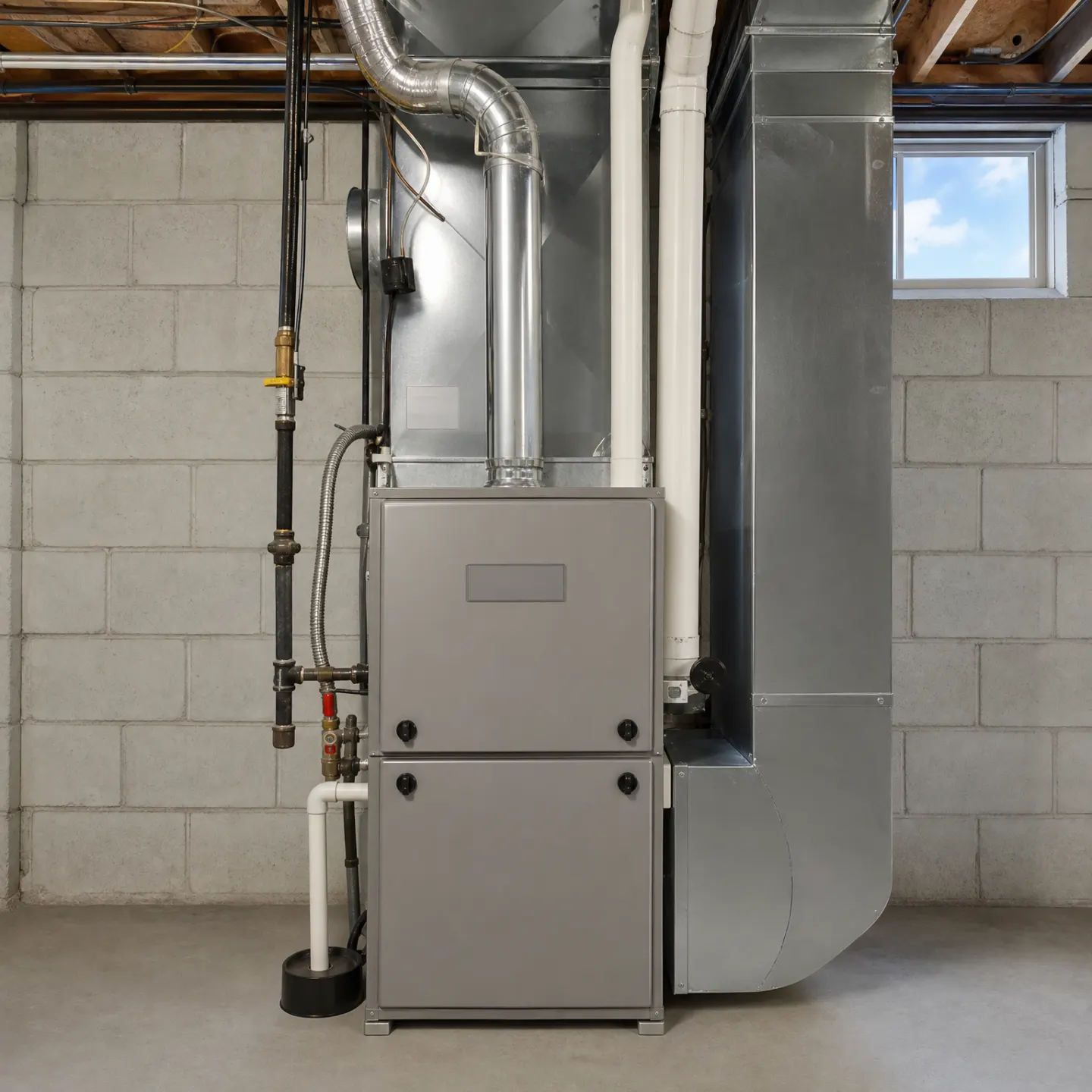
A gray high-efficiency gas furnace installed in an unfinished basement, surrounded by gas lines, a condensate drain, and sheet-metal ductwork.

Airflow is the whole job

A furnace doesn't need standing water or outdoor coils to have a dirty air problem. The filter sits in the return before air ever reaches the heat exchanger, and a clogged one chokes the whole system down. Airflow drops, the blower works harder to push the same amount of air, and the heat exchanger runs hotter than it should. Over time that heat cycles the exchanger metal until it cracks. A cracked exchanger is the one failure in a furnace that is actually dangerous, not just inconvenient, because it can let exhaust mix into the air moving through the house. Checking the filter costs nothing and catches the problem before it gets there. If your furnace is paired with a cooling coil in the same cabinet, that coil needs to stay clean too, since a dirty coil restricts airflow the same way a dirty filter does, and the furnace blower has to push against both. None of this shows up as a dramatic failure. It shows up as a furnace that runs longer than it used to, pulling more power to move less heat, until something downstream finally gives out.

Change the filter, don't guess at it

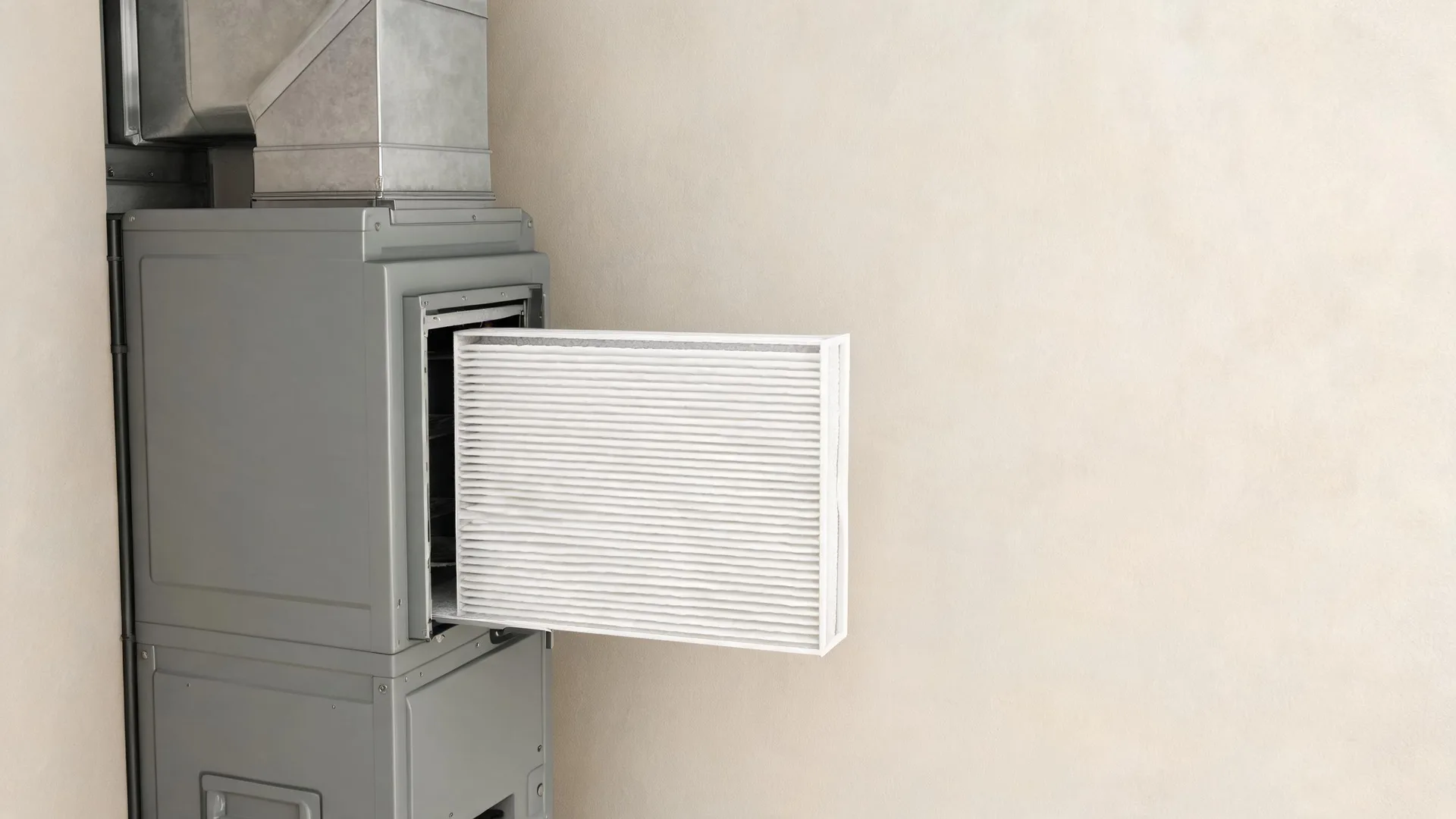
Pull the filter and hold it up to a light. If you can't see light through it, it's done. A dirty filter starves the burner of air too, not just the blower, and that's one of the few things in a furnace an owner can actually fix without tools.
Know what's yours and what isn't

Keep the area around the furnace clear, keep vents and returns open and unblocked, and listen for new sounds, a rattle, a hum that wasn't there before. That's the whole list. Opening the cabinet, adjusting the gas valve, or cleaning the flame sensor is a tech's job, because the burner and the heat exchanger carry real risk of burns and gas exposure if someone who doesn't do this for a living starts taking panels off.

Skip the yearly check and nothing fails right away. That's what makes it easy to put off. Dust builds up on the burner assembly a little at a time, the flame sensor picks up a thin coat of oxidation, and the furnace keeps lighting anyway, just a little less reliably each time. Eventually the sensor can't read the flame correctly and the furnace shuts itself down as a safety measure, usually on the coldest night it's run so far. A tech who's been in the cabinet every year catches that sensor before it gets there. One who's never seen the unit is starting from zero on a service call instead of a maintenance visit. The other common one is a blower motor that's been running dry, no lubrication left on the bearings, until it seizes or starts grinding. That failure builds for months before it's loud enough to notice. Regular maintenance is mostly about catching things while they're still quiet.

A tune-up is a specific list, not a glance at the unit. A tech pulls the burner assembly and cleans off scale and dust so the flame burns even across every port instead of licking to one side. The flame sensor gets cleaned or tested, since that's the part most likely to cause a shutdown before anything else does. The heat exchanger gets inspected for cracks, because that's the one failure that makes a furnace unsafe to run rather than just unreliable. The inducer motor and blower get checked for bearing wear and for the amount of air they're actually able to move. Gas pressure gets tested at the valve, since pressure that drifts too high or too low changes how clean the burner fires. The venting gets looked at end to end to make sure exhaust is actually leaving the house instead of finding its way back in. None of this is guesswork. Each check is there because that's the part that tends to fail first.